- Consistency over intensity: Gentle, daily movement is more effective for maintaining joint lubrication and tendon health than infrequent, strenuous exercise.
- Ergonomic awareness: Integrating micro-breaks into daily activities—like reading, using a computer, or knitting—prevents repetitive strain and stiffness.
- Warning signs: Sharp pain, persistent swelling, or “locking” sensations in the fingers are signals to stop exercising and consult a physical therapist or rheumatologist.
Understanding Hand and Wrist Function in Later Life
As we navigate our 60s, 70s, and beyond, the intricate network of tendons, ligaments, and small joints in our hands requires proactive care. Our hands are the primary tools for our independence, facilitating everything from opening jars and buttoning shirts to digital interaction and creative hobbies. Over time, the natural reduction in synovial fluid (the lubricant in our joints) and the cumulative effect of decades of use can lead to stiffness, reduced dexterity, and discomfort.
The wrist acts as the anchor for the hand, providing the stability necessary for the fingers to perform precise tasks. When the wrist is tight, the muscles that control the fingers are forced to work harder, which can lead to fatigue and cramping. By focusing on seated, controlled extensions, we can maintain the “glide” of our tendons and the flexibility of our joint capsules without placing undue stress on the body.
The Physiology of Joint Ease
To understand why specific movements matter, we must look at how the hand functions. The hand contains 27 bones and dozens of muscles, all connected by a complex system of tendons. These tendons slide through sheaths that require regular movement to stay lubricated. When we remain in a static position for long periods—such as driving, watching television, or working at a desk—these sheaths can become “sticky.”
Regular, low-impact stretching helps circulate blood flow to the extremities. For an older adult, the goal is not to build massive strength, but to maintain the range of motion that allows for seamless daily activities. A failure to move these joints regularly can lead to contractures, where the tissues shorten, making it physically difficult to fully straighten the fingers or rotate the wrist.
Step-by-Step: The Seated Routine
The following exercises are designed to be performed while seated in a stable chair with back support. Stability is crucial; it allows you to isolate the movement to the wrist and fingers without compensating with your shoulders or neck.
1. The Gentle Wrist Flexor and Extensor Stretch
This movement targets the forearm muscles that control the wrist. Tight forearms are a common, often overlooked cause of finger stiffness.
- Step 1: Sit upright with your feet flat on the floor.
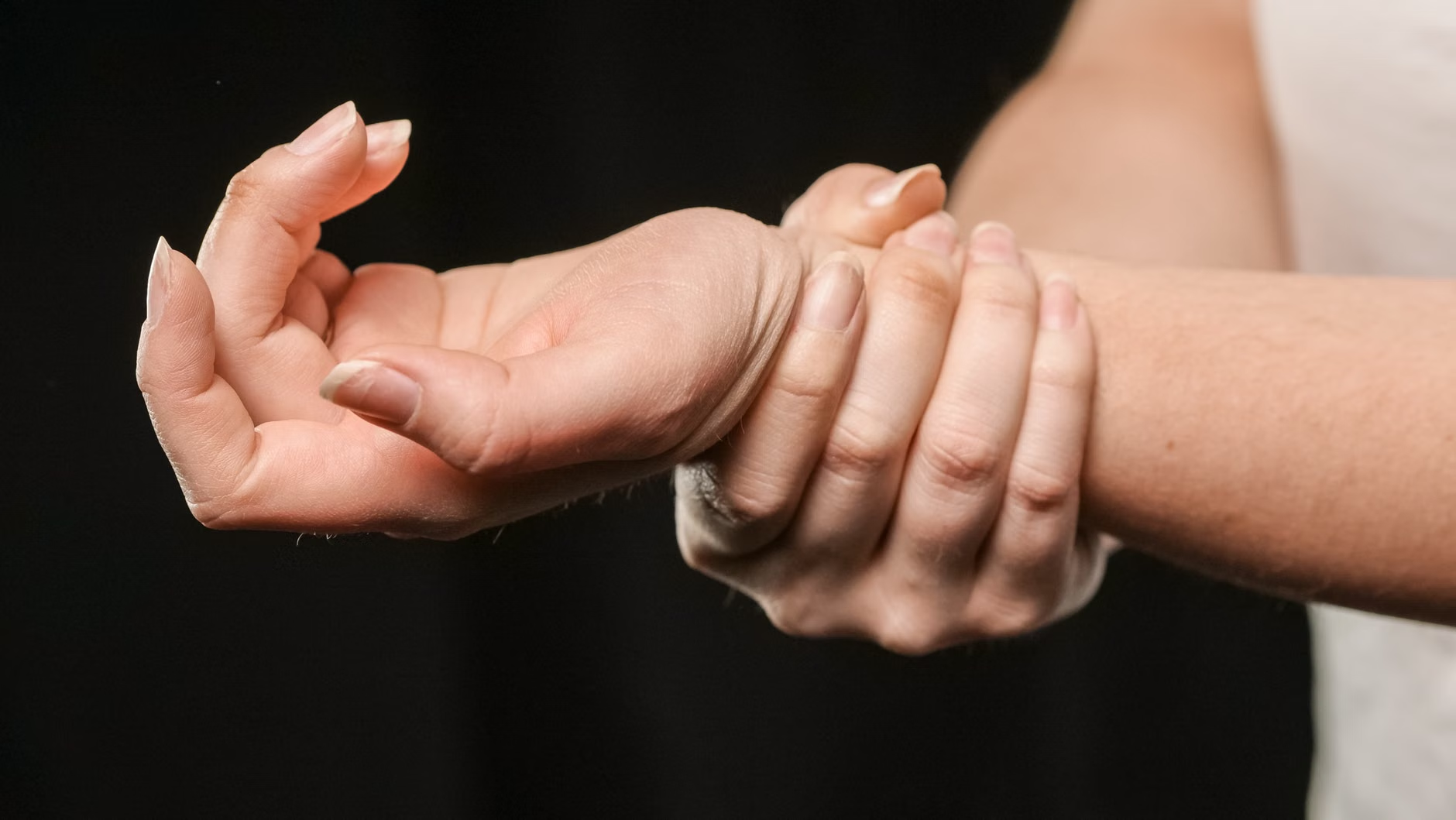
- Step 2: Extend your right arm forward, palm facing up.
- Step 3: With your left hand, gently grasp your fingers and pull them back toward your body until you feel a mild stretch in the underside of your forearm. Hold for 15 seconds.
- Step 4: Rotate the right arm so the palm faces down. Use your left hand to gently press the back of your right hand downward. Hold for 15 seconds.
- Step 5: Repeat on the opposite side.
2. The “Fan” Finger Extension
This exercise promotes the separation of the finger joints and prevents the “clawing” sensation that can occur with age.
- Step 1: Place your palm flat on a table or your thigh.
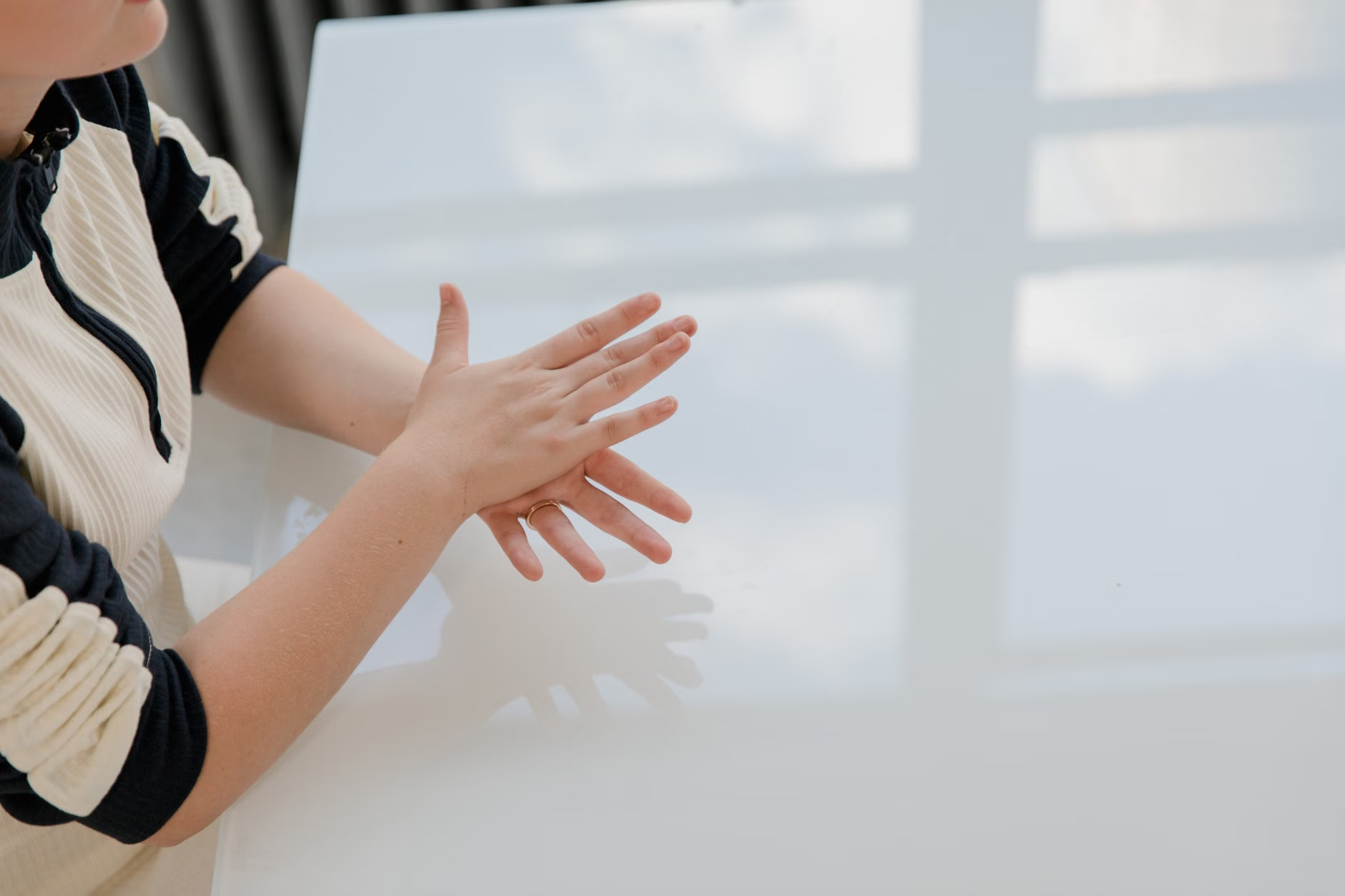
- Step 2: Spread your fingers as wide as possible without pain.
- Step 3: Lift each finger one by one, keeping the others pressed down. This isolates the tendons.
- Step 4: Finally, lift the entire hand off the surface while keeping the fingers spread wide. Hold for 5 seconds and lower.
Integrating Movement into Daily Life
Exercise is most effective when it is a habit, not a chore. The “micro-break” strategy is particularly useful for adults who enjoy hobbies like knitting, painting, or reading, which often involve sustained hand positions.
| Activity | Recommended Micro-Break | Goal |
|---|---|---|
| Using a Computer/Tablet | Wrist circles every 30 minutes | Prevent tendon inflammation |
| Knitting or Needlework | Finger “fanning” every 20 minutes | Maintain fine motor control |
| Gardening | Wrist extensions post-session | Relieve forearm tension |
The table above highlights that the type of activity dictates the type of break. If you are doing repetitive gripping (knitting), you need to focus on extension. If you are doing weight-bearing or steady-holding (typing), you need to focus on rotation and gentle stretching.
When to Consult a Professional
While gentle movement is essential, it is not a substitute for medical care if you are experiencing specific symptoms. It is vital to recognize the difference between “stiffness due to inactivity” and “symptoms of an underlying condition.”
Seek professional advice if you notice:
- Persistent swelling: If your knuckles or wrists remain swollen even after rest.
- “Locking” or “Catching”: If a finger gets stuck in a bent position and requires manual help to straighten (a common sign of trigger finger).
- Numbness or Tingling: This may indicate nerve compression, such as carpal tunnel syndrome, which requires clinical evaluation rather than just stretching.
- Sharp, localized pain: Any pain that is not a dull, muscle-stretching sensation should be addressed by a healthcare provider.
When preparing for a medical appointment regarding hand health, keep a brief “symptom log” for one week. Note what time of day the stiffness is worst, what activities trigger the pain, and whether the symptoms improve with gentle movement or rest. This information is invaluable for a physical therapist or rheumatologist.
Overlooked Variables in Hand Health
Many people focus solely on the hand, but hand health is deeply connected to your overall posture. If you are slouching while seated, the nerves that travel from your neck, through your shoulders, and down to your hands can become compressed. Always ensure you are sitting with your shoulders back and your neck in a neutral, relaxed position while performing these exercises.
Another overlooked factor is temperature. Cold environments can cause blood vessels to constrict, reducing the pliability of the soft tissues in the hands. If you live in a colder climate or keep your home air-conditioned, consider wearing light gloves or warming your hands with a warm compress before starting your daily stretches. This “warm-up” significantly increases the elasticity of the tendons.
Practical Decision Rules for Daily Maintenance
How do you know if you are doing too much or too little? Use the “10-minute rule.” If your hands feel better 10 minutes after your routine, you are likely doing the right amount. If the pain increases or you experience lingering soreness, reduce the intensity or the duration of the holds. Never push through sharp pain; the goal is to encourage blood flow and mobility, not to stress the joint capsules.
Furthermore, consider your equipment. If you use a computer mouse, is it sized correctly for your hand? If you use kitchen utensils, are the handles thick enough to grip without excessive force? Sometimes, the best “exercise” is simply modifying your environment to reduce the strain on your hands in the first place.
Comprehensive FAQs
1. Should I use heat or ice before or after these exercises?
Generally, heat is preferred before exercising to increase tissue pliability and blood flow, especially if you have arthritis. Ice is usually reserved for acute inflammation or swelling after an injury or over-exertion. Always consult your doctor for personalized advice if you have chronic inflammation.
2. Can I use weights or resistance bands for these exercises?
For general dexterity and joint ease, resistance is usually unnecessary and can sometimes be counterproductive if the joint is already sensitive. Focus on fluid, controlled movements using the weight of your own hand. If you are working with a physical therapist to recover from an injury, they may introduce specific resistance tools safely.
3. How long does it take to see results?
Consistency is key. Most individuals notice a reduction in morning stiffness within two to three weeks of consistent, daily practice. However, improvements in range of motion are often gradual. Focus on the process of daily maintenance rather than immediate benchmarks.
Disclaimer: This article is for informational purposes and does not replace professional medical advice, diagnosis, or treatment. Always seek the advice of your physician or other qualified health provider with any questions you may have regarding a medical condition.
Conclusion: The Path to Lasting Dexterity
Maintaining hand dexterity is a lifelong commitment that rewards you with continued independence and the ability to engage fully in the hobbies and tasks you love. By incorporating these seated extensions into your daily routine, you are taking a proactive step toward joint health. Remember to listen to your body, prioritize posture, and maintain a consistent, gentle approach. Your hands have served you well for decades; with a few minutes of care each day, they will continue to do so for many more.
Resources for further information: