- Pre-booking is mandatory: Always notify the ferry operator of any mobility requirements at least 48 hours in advance to ensure priority boarding and assistance.
- Terminal logistics vary: Ferry terminals are often vast; prioritize arrival at least 90 minutes before departure to navigate walking distances and security checks without physical strain.
- Infrastructure check: Verify the type of boarding access—whether a level gangway, a lift, or a ramp—as older vessels may still rely on steep inclines that require extra caution.
Ferry travel offers a unique, scenic, and often relaxing alternative to air or rail transport. For seniors, however, the maritime environment presents specific logistical challenges, from navigating long terminal corridors to managing the physical demands of boarding. This guide provides a comprehensive framework for navigating ferry terminals and boarding procedures to ensure your journey is safe, efficient, and dignified.
Understanding the Ferry Terminal Environment
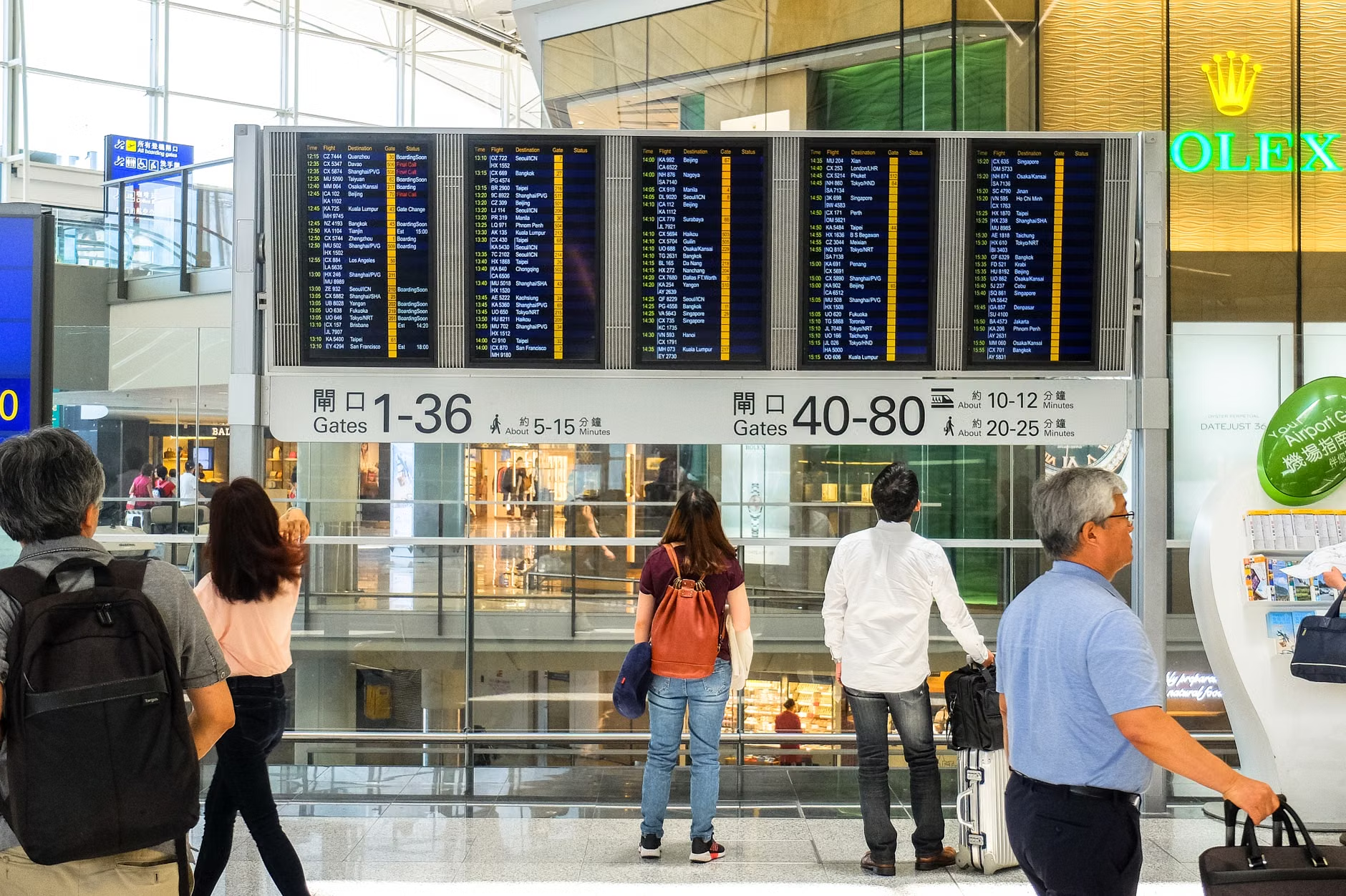
Ferry terminals are transit hubs that rarely follow a standardized design. Unlike airports, which have largely standardized security and boarding processes, ferry terminals range from high-tech urban hubs to small, rustic piers. Understanding the physical layout is your first step in ensuring a smooth experience.
Many ferry terminals are part of larger port complexes. This means that the distance from the public transport drop-off point (bus or taxi) to the actual ticket counter or boarding gate can be significant—sometimes exceeding 500 meters. Before you leave home, use satellite maps (such as Google Maps or official port authority websites) to identify the distance between the drop-off zone and the boarding gate.
Practical Decision Rule: If the distance from the drop-off to the gate exceeds 200 meters, or if you have limited stamina, do not hesitate to request “terminal assistance” when booking your ticket. Most major operators provide electric carts or wheelchair escorts from the entrance to the ship’s gangway.
The Importance of Advance Notification
The “48-hour rule” is the gold standard in maritime travel. Most international ferry regulations, such as those governed by the EU’s Regulation (EU) No 1177/2010 or similar North American maritime guidelines, require passengers to notify the carrier of their mobility needs at least 48 hours before the scheduled departure. This ensures the crew is prepared to deploy ramps, reserve accessible seating, or provide lift access.
Boarding Procedures: Step-by-Step
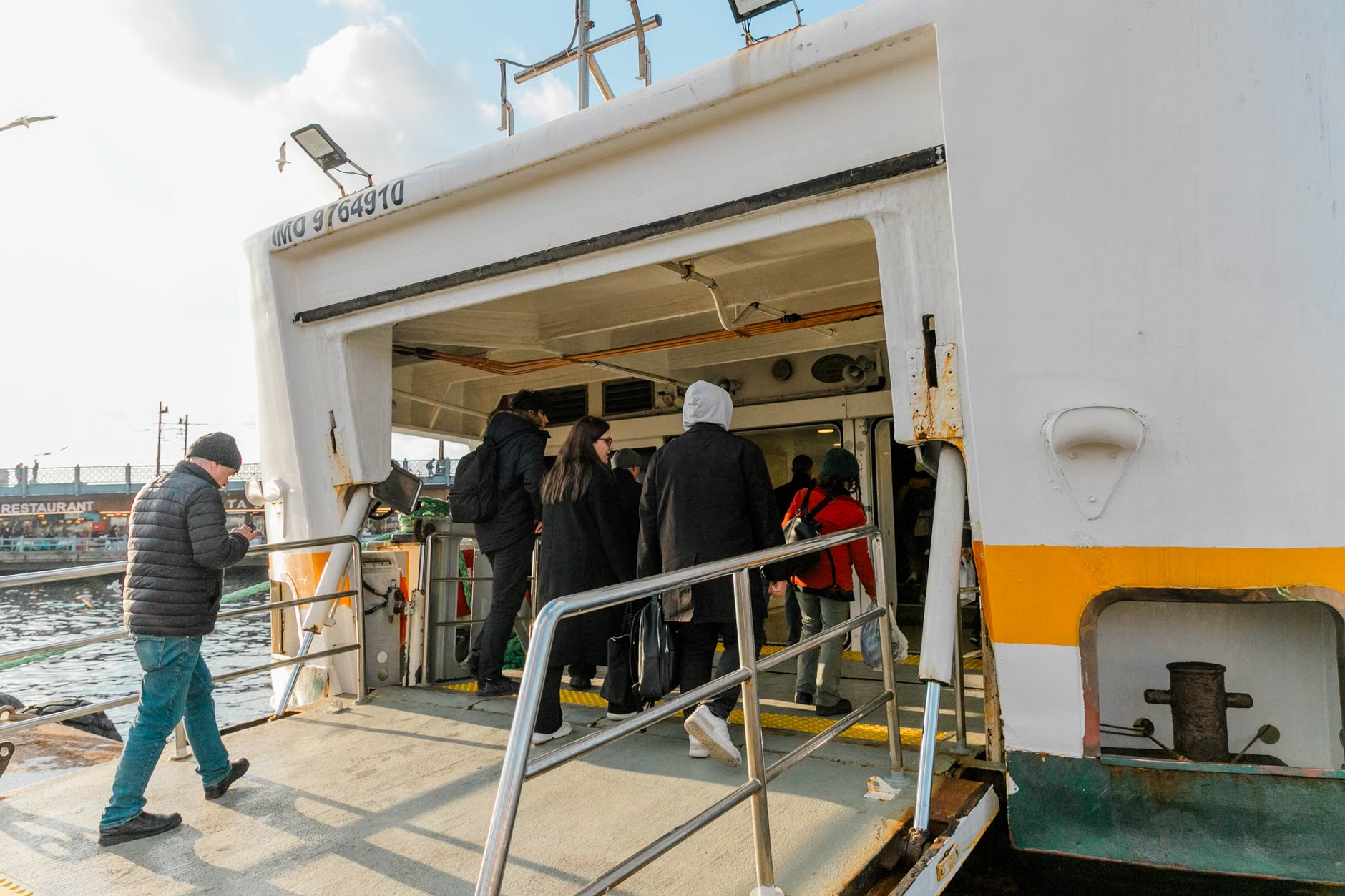
Boarding a ferry is fundamentally different from boarding a plane. You are moving from a stationary pier onto a vessel that is constantly shifting due to water currents. Even when tied to a dock, the ship may move slightly, creating a gap or a change in the angle of the gangway.
The Boarding Checklist
| Step | Action | Why it matters |
|---|---|---|
| 1. Documentation | Keep ID and boarding pass in a dedicated, accessible pocket. | Reduces fumbling and stress at security checkpoints. |
| 2. Luggage Strategy | Use lightweight luggage with four-wheel spinners. | Prevents shoulder strain and improves maneuverability on ramps. |
| 3. Ramp Assessment | Pause at the start of the gangway to check for incline. | Allows you to adjust your pace and find handrails. |
| 4. Crew Engagement | Make eye contact with the boarding attendant. | Establishes a communication line if you need a hand. |
When boarding, always opt for the “priority” lane if you have mobility concerns. This allows you to board before the main crowd, giving you the time to navigate stairs or walkways at your own pace without the pressure of a line moving behind you.
Onboard Mobility and Safety
Once you are on the vessel, the primary concern shifts from boarding to navigating the internal decks. Ships are often multi-level, and the design often includes heavy fire-rated doors and narrow thresholds.
Managing Staircases and Lifts
Modern ferries are usually equipped with elevators, but these can be crowded during boarding. If you are traveling with a companion, have one person head to the seating area to secure a spot while the other navigates the lift with the luggage. If you are traveling alone, do not be shy about asking a crew member to guide you to the lift—these are often located in utility corridors that are not immediately obvious to passengers.
Seating and Comfort
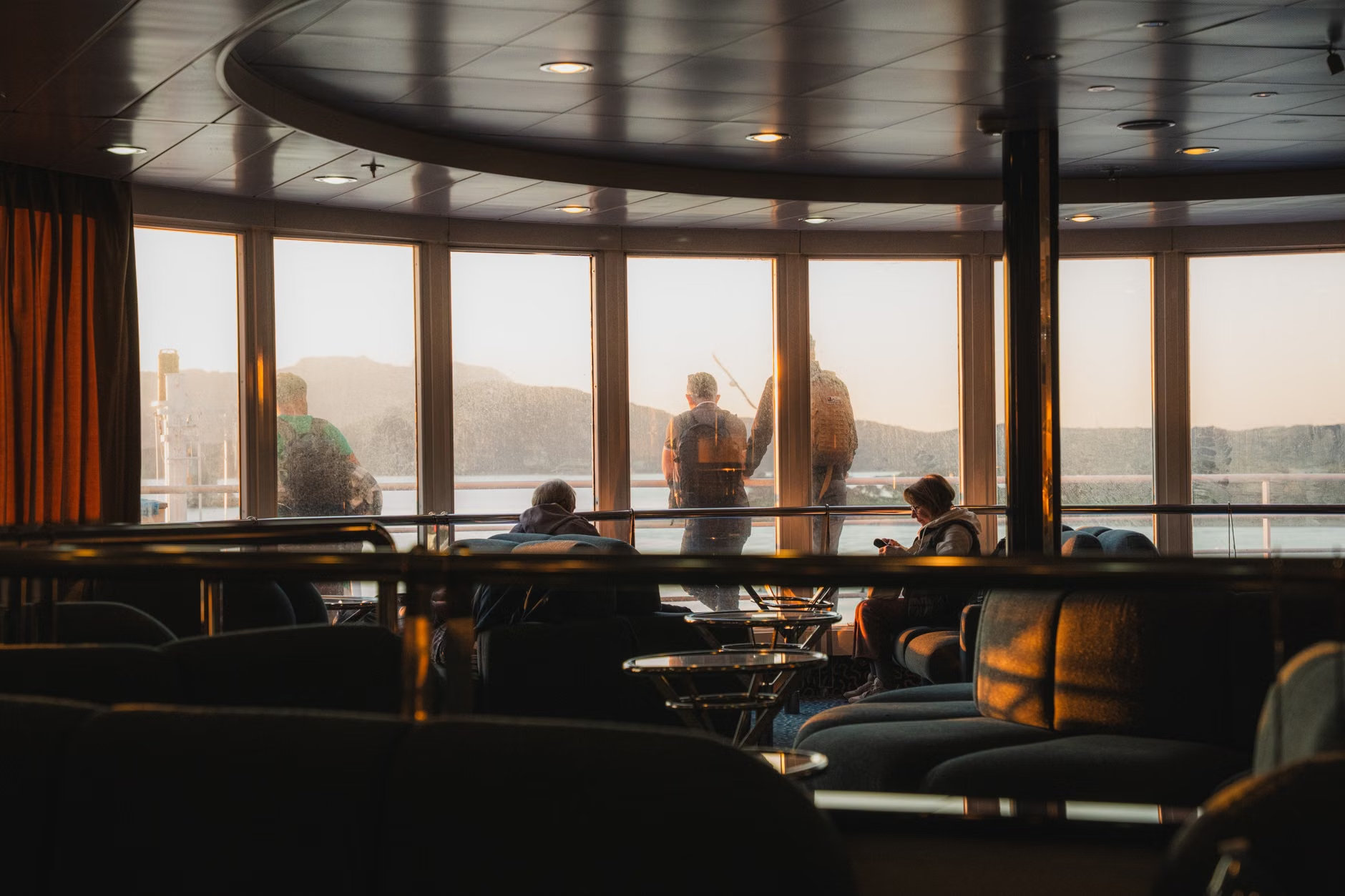
Not all seats on a ferry are created equal. Avoid sitting on the top deck if the sea is expected to be rough, as the motion of the ship is most pronounced there. Instead, look for seats in the “mid-ship” area, near the center of the vessel’s length and width, where the motion is minimized.
Safety Note: Always identify the location of the nearest emergency exit and life jacket storage as soon as you settle into your seat. While modern ferries are incredibly safe, being oriented to your surroundings reduces anxiety and improves your response time in the unlikely event of an emergency.
Health Considerations for Maritime Travel
Traveling by sea involves unique physical stressors, including changes in air pressure, humidity, and the constant, subtle motion of the vessel. For seniors, these factors can impact balance, hydration, and chronic health conditions.
Hydration and Nutrition
The air on ships is often conditioned and can be quite dry. Furthermore, the motion of the vessel can sometimes lead to mild nausea, which might cause travelers to skip meals or hydration. Dehydration, however, exacerbates feelings of motion sickness. Aim to drink water consistently throughout the journey, and opt for bland, high-fiber snacks rather than heavy, greasy meals before and during the crossing.
Managing Motion Sickness
Motion sickness is not just for children. As we age, our vestibular system (which controls balance) may become slightly more sensitive to the conflicting signals of a moving ship and a stationary inner ear. If you are prone to motion sickness, consider the following:
- Focus on the horizon: Keep your gaze fixed on a stable point on the horizon rather than reading a book or looking at a screen.
- Medication timing: If you use over-the-counter motion sickness medication, take it 30 to 60 minutes before boarding. Taking it once you are already feeling ill is significantly less effective.
- Consultation: If you take prescription medications, speak with your doctor about potential interactions with motion sickness remedies, as some antihistamines can cause drowsiness or blood pressure fluctuations.
Comparing Ferry Options: High-Speed vs. Conventional
When booking your trip, you will often have to choose between a high-speed catamaran and a conventional, larger ferry. The choice significantly impacts your comfort.
| Feature | High-Speed Catamaran | Conventional Ferry |
|---|---|---|
| Motion | Higher, can be jerky | Lower, more stable |
| Space | Limited, cramped seating | Spacious, deck access |
| Boarding | Often steep ramps | Usually level/lift access |
| Best For | Short trips, light luggage | Longer journeys, those needing space |
For seniors, the conventional ferry is almost always the superior choice for comfort and accessibility. The larger hull size provides better stability, and the design typically allows for more generous walking paths and easier access to restrooms.
Practical Tips for a Stress-Free Journey
Preparation is the ultimate tool for confidence. Beyond the physical requirements, consider the “hidden” aspects of travel that can cause stress.
The Importance of “Travel Pacing”
Avoid the temptation to schedule an activity immediately upon arrival at your destination. A ferry crossing, even a short one, can be fatiguing due to the constant balancing required by your body. Schedule at least two hours of “recovery time” after docking before you plan your next major activity or connection.
Communicating with Staff
Never assume that staff will automatically know you need assistance. While many are trained to look for passengers who may need help, they are often busy with boarding logistics. Use a clear, direct approach: “I am traveling with some mobility limitations and would appreciate it if you could direct me to the most accessible path to the passenger deck.”
Digital vs. Paper Documentation
While digital tickets are convenient, always carry a printed copy of your booking confirmation. In remote port areas, internet connectivity can be unreliable, and a dead smartphone battery should not prevent you from boarding. Keep your printed ticket, identification, and a list of emergency contacts in a clear plastic folder in your carry-on bag.
Addressing Common Concerns
Many seniors worry about what happens if they feel unwell during the voyage. Most large passenger ferries are equipped with a basic first-aid station and have crew members trained in basic life support. If you have a chronic condition, such as heart disease or diabetes, ensure your medication is in your carry-on, not checked luggage. Carry a brief summary of your health conditions and current medications in your wallet, ideally translated into the language of the country you are visiting.
Conclusion: Empowerment Through Preparation
Ferry travel remains one of the most rewarding ways to experience the world. By taking charge of the logistics—pre-booking assistance, choosing the right vessel, and managing your physical needs—you remove the uncertainty that often creates travel anxiety. Focus on the journey, the fresh air, and the unique perspective that the sea provides. With the right preparation, the terminal and the gangway become simple transitions rather than obstacles, allowing you to focus on the destination that awaits.
Frequently Asked Questions
1. Can I bring my own wheelchair or walker on the ferry?
Yes, almost all modern ferries allow personal mobility aids. However, you must inform the operator in advance so they can allocate space on the vehicle deck or ensure there is room for storage in the cabin. Some smaller, high-speed vessels may have strict limitations on the size of mobility aids, so check the specific vessel’s dimensions when booking.
2. What should I do if I have a medical emergency while at sea?
Alert the nearest crew member immediately. All commercial passenger ferries are required to have emergency protocols, including the ability to communicate with shore-based medical services. If you have a specific medical condition, wear a medical alert bracelet or carry a card that specifies your condition and any necessary immediate actions.
3. Are there always elevators on passenger ferries?
While most modern, large-scale ferries have elevators, smaller vessels or older ships may not. This is why verifying the accessibility features of the specific vessel is a critical part of your pre-trip planning. If a vessel does not have an elevator, request assistance from the crew upon arrival; they are often trained to provide manual support or direct you to the most accessible seating area on the main deck.
For further information on maritime passenger rights, you may consult resources such as the European Commission’s Passenger Rights portal or your local national maritime authority.