- Cognitive Engagement: Mineralogy acts as a rigorous mental workout, requiring pattern recognition, logical deduction, and the continuous acquisition of new scientific knowledge.
- Gentle Mobility: Field collecting encourages low-impact physical activity, provided you choose accessible sites and maintain proper pacing and hydration.
- Accessibility: You do not need expensive equipment to start; basic identification can be performed with a few low-cost tools and a dedication to observational learning.
Amateur mineralogy—the study and collection of minerals—offers a unique intersection of scientific inquiry, aesthetic appreciation, and outdoor exploration. For adults aged 60 to 80, it provides a structured way to maintain cognitive sharpness while encouraging physical movement that is both purposeful and manageable. Unlike hobbies that require high-intensity physical exertion, mineralogy allows for a self-paced engagement that can be practiced in a comfortable chair at home or on a gentle walk through nature.
Understanding Mineralogy as a Cognitive Exercise
At its core, mineralogy is a discipline of observation. When you examine a specimen, you are not merely looking at a rock; you are analyzing a complex crystalline structure. This process engages several cognitive faculties simultaneously. You must learn to distinguish between physical properties such as luster, hardness, cleavage, and streak. This requires sustained attention and the ability to compare new specimens against a known mental or physical database.
Research into cognitive aging suggests that “novelty and challenge” are essential for maintaining neuroplasticity. Learning the chemical compositions or the formation conditions of minerals like quartz, feldspar, or mica forces the brain to form new synaptic connections. It is a hobby that rewards patience and persistence, traits often honed over a lifetime, making it particularly well-suited for older adults.
The Essential Toolkit: Getting Started Without Overspending
One of the common misconceptions about mineralogy is that it requires high-tech laboratory equipment. In reality, the fundamental tools of the trade are inexpensive and durable. The primary goal is to gather enough evidence to identify a mineral sample using its physical characteristics.
| Tool | Purpose | Practical Tip |
|---|---|---|
| Magnifying Loupe (10x) | Examining small crystal faces and inclusions. | Look for a triplet lens to reduce color distortion. |
| Streak Plate | Testing the color of a mineral in powdered form. | Use an unglazed porcelain tile; a small piece of bathroom tile works well. |
| Hardness Pick/Steel File | Determining hardness on the Mohs scale. | A simple steel nail or a copper penny can suffice for basic testing. |
| Field Guidebook | Comparing findings to professional classifications. | Choose a regional guide specific to your country’s geology. |
The table above highlights that “professional” equipment is often just a specific, standardized version of common household items. For example, the Mohs hardness scale—the industry standard for identifying minerals—ranges from 1 (talc) to 10 (diamond). You can test minerals at home by seeing if they scratch a copper penny (hardness 3.5) or a glass plate (hardness 5.5). This provides a tangible, tactile way to interact with scientific principles.

Field Collecting: Balancing Mobility and Exploration
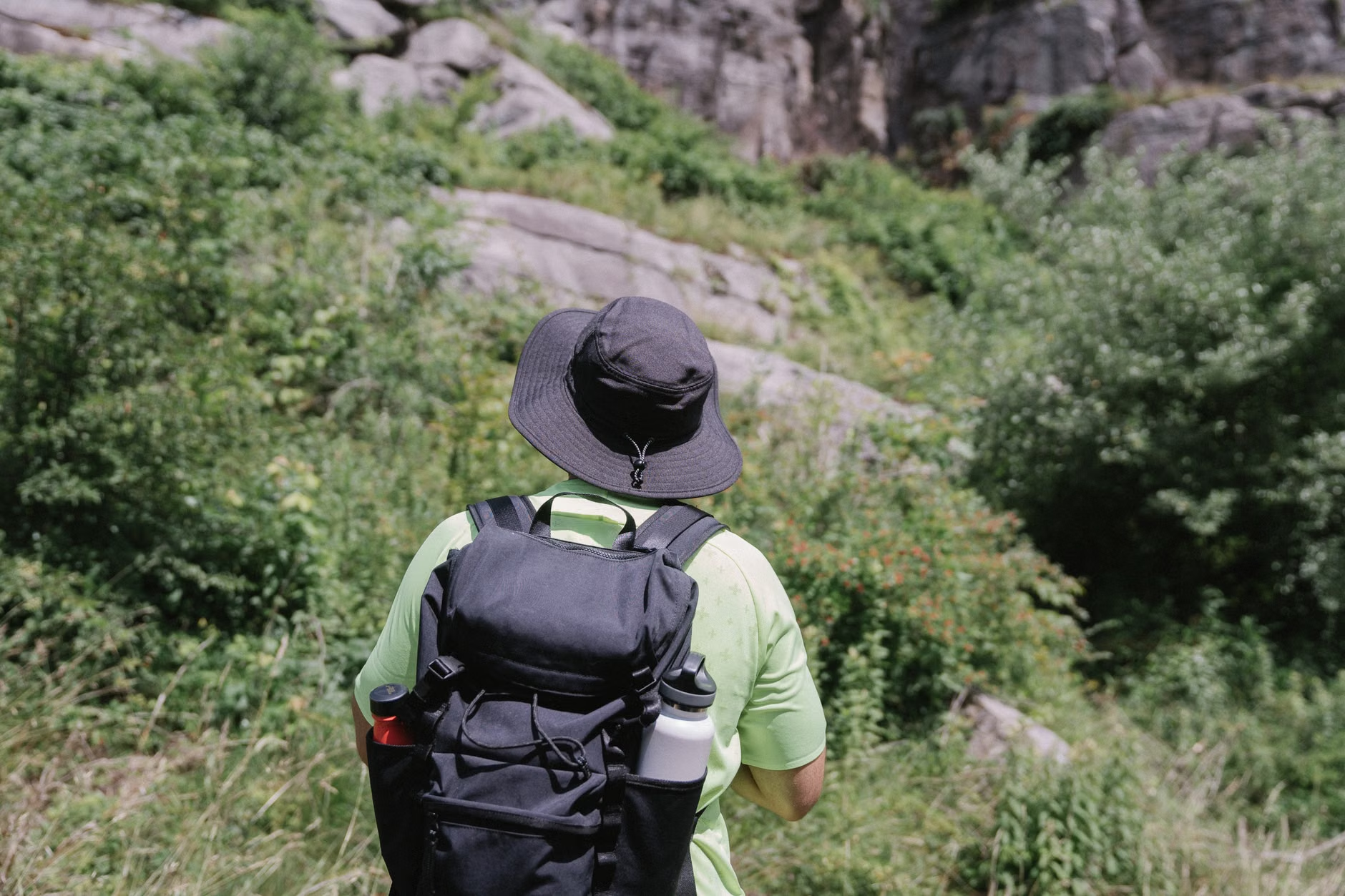
Field collecting is the “action” component of mineralogy. However, for those concerned with mobility or stamina, the approach must be strategic. You do not need to climb mountains to find interesting specimens. Many of the most rewarding finds occur in easily accessible areas such as public beaches, riverbeds, or disused road cuts where fresh rock has been exposed.
Safety and Accessibility Considerations:
- Terrain Selection: Always prioritize flat, well-traveled paths. Avoid cliff sides or loose, steep scree slopes where the risk of falling is higher.
- Pacing: Treat a mineral-collecting outing as a slow-paced walk. Spend more time stationary—scanning the ground—than walking. This naturally limits the physical load on your joints.
- Hydration and Nutrition: Even on short trips, carry water and a light snack. The focus required for identification can lead to forgetting basic needs, which can induce fatigue.
- Local Regulations: Before collecting, verify the rules of the region. Some national parks or protected areas prohibit the removal of any natural material. Always check the official website of your local geological survey or environmental agency.
When you are out in the field, the most important “tool” is your perspective. Instead of trying to cover a large distance, focus on a “micro-site”—a space of perhaps ten square meters. By slowing down and observing the variations in color, texture, and light reflection, you will likely find more specimens than someone walking quickly through a kilometer of terrain. This “slow-science” approach is not only safer but also significantly more effective for discovery.
The Taxonomy of Discovery: From Observation to Cataloging
Once you have collected a sample, the joy of the hobby deepens through the process of identification and documentation. This is where the hobby transitions from an outdoor activity to a desk-based, intellectual one. Many hobbyists find that keeping a “Specimen Log” is a deeply satisfying way to track their progress.
A good log entry includes:
- Date and Location: Where and when was it found? (This helps with future trips).
- Physical Description: What color, luster, and shape does it have?
- Identification Process: Which tests (streak, hardness, cleavage) confirmed the identity?
- Personal Significance: Why did you keep this specific piece?
This process of documentation is essentially an exercise in data management. It requires organizing your thoughts, writing clearly, and maintaining a system. For those who enjoy digital tools, there are many apps and software programs available, but a simple notebook often proves more reliable and easier to reference during a quick identification session.
Mineralogy can be a solitary pursuit, but it also has a vibrant global community. Joining a local gem and mineral club can provide access to expert knowledge, shared equipment, and organized field trips that are often vetted for accessibility. These clubs are frequently comprised of older, experienced members who are eager to share their expertise.
However, it is important to be aware of the ethics of collecting. “Leave No Trace” principles are paramount. Never dismantle historical stone walls, avoid damaging vegetation to reach a rock, and always fill in any small holes you may have dug. Being a responsible steward of the land ensures that these sites remain available for future generations of hobbyists.
Deep Dive: The Science of Crystals and Why It Matters
To truly appreciate the “cognitive joy” of mineralogy, one must delve into why crystals form the way they do. Minerals are the building blocks of the Earth’s crust. They are inorganic, naturally occurring substances with a definite chemical composition and an ordered internal structure. When you hold a piece of quartz, you are holding a record of a geological event that may have occurred millions of years ago.
Understanding the “why” behind the appearance of a mineral is a gateway to understanding deep time. For instance, the difference between an igneous rock (formed from cooling magma) and a sedimentary rock (formed from the accumulation of particles) tells a story of the Earth’s violent and transformative history. This perspective can be deeply grounding. It offers a sense of proportion, helping the reader connect their daily life to the vast cycles of our planet.
For the amateur mineralogist, this knowledge turns a collection into a library of history. When you label a specimen as “Calcite, found in a limestone quarry,” you are not just naming a rock; you are identifying the remnants of an ancient ocean floor. This level of intellectual engagement is what prevents the hobby from becoming stagnant. There is always a new mineral to learn about, a new chemical property to understand, or a new geological formation to research.
Common Pitfalls and How to Avoid Them
Even with the best intentions, beginners often fall into traps that can lead to frustration or unnecessary expense. Recognizing these early will save you time and energy.
1. The “Everything is Valuable” Myth: Beginners often assume that if a rock looks interesting, it must be valuable. In reality, most common minerals (like quartz or calcite) are beautiful but abundant. Focus on the joy of discovery and the satisfaction of identification rather than the monetary value of the collection. If you are interested in value, study the market trends for rare specimens, but understand that this is a separate, more commercialized aspect of the hobby.
2. Ignoring Safety Gear: When breaking rocks, always wear safety goggles. Even small chips of rock can fly at high speeds. Never assume that “just one tap” is safe without eye protection. This is a non-negotiable rule for both the experienced collector and the novice.
3. Over-collecting: It is easy to come home with a heavy bag of rocks. This is a common mistake that leads to clutter and physical strain. Adopt a “one-in, one-out” policy for your display space. If you find a better specimen of a mineral you already have, consider gifting the older one to a friend, a school, or a local club.
Integrating Mineralogy into Daily Wellbeing
How does one make this a sustainable part of a daily or weekly routine? The key is integration. If you are going for a walk, bring a small pouch in your pocket. If you are feeling intellectually restless, spend an hour cataloging your collection. If you are planning a travel trip, look up the geology of the area beforehand. This creates a “geological lens” through which you view your daily life.
For those with family or caregivers, mineralogy can be a wonderful shared activity. Grandchildren are often fascinated by the “treasure hunting” aspect of searching for crystals. It provides a bridge between generations, where the older adult can pass on the patience and observational skills required for the hunt. It is a hobby that does not require screens, loud environments, or high-pressure competition, making it an ideal way to spend quality time together.
The Long-Term Cognitive Benefits: Beyond the Hobby
Sustained engagement with a complex, knowledge-based hobby like mineralogy is associated with “cognitive reserve.” Cognitive reserve is the brain’s ability to improvise and find alternate ways of getting a job done. By constantly challenging yourself to learn new mineral names, chemical formulas, and formation processes, you are effectively “banking” cognitive health. You are not just learning about rocks; you are training your brain to remain curious and analytical.
Furthermore, the patience required for mineral identification is a form of mindfulness. When you are looking through a loupe at the structure of a crystal, you are not worrying about the future or ruminating on the past. You are entirely present, focused on the task at hand. This meditative aspect is perhaps the most overlooked benefit of amateur mineralogy.
Conclusion: Your First Step into the Earth’s History
Amateur mineralogy is more than a hobby; it is a lifelong pursuit of understanding the very ground we stand on. It is accessible, intellectually stimulating, and physically manageable, provided you approach it with a plan and a focus on safety. Start small. Buy a basic magnifying loupe, visit a local park or beach, and see what stories the rocks around you have to tell.
The journey of a thousand miles begins with a single step—or in this case, a single stone. Your next adventure does not require a flight ticket or a hefty budget; it only requires a curious eye and the willingness to look a little closer at the world around you. By engaging with this hobby, you are choosing to remain an active, curious, and connected member of the world, one crystal at a time.
Frequently Asked Questions (FAQ)
1. Do I need to be an expert in chemistry to enjoy mineralogy?
Not at all. While knowing chemistry helps, most amateur mineralogy is based on physical observation—the color, hardness, and shape of the mineral. You can learn everything you need to know as you go, and many hobbyists never delve deeply into the complex chemical formulas unless they choose to.
2. Is it safe to go mineral hunting alone?
It can be safe, provided you stick to well-marked trails and avoid dangerous terrain. However, it is always best practice to inform someone of your plans, carry a mobile phone for emergencies, and stay within your physical limits. If you are unsure about a site, joining a local club for their group outings is a safer and more social alternative.
3. How can I identify a mineral if I am not sure what it is?
Use a combination of resources. Start with a regional guidebook, which will list minerals commonly found in your area. Use your basic tools (streak plate, hardness test) to narrow down the possibilities. If you are still stuck, take clear photos and post them on reputable online forums or bring the specimen to a local gem and mineral club meeting for expert advice.
For further information on geological resources in your area, please consult your national geological survey’s official website, such as the United States Geological Survey (USGS) or the British Geological Survey (BGS), which provide extensive educational resources for the public.