- Verify Accessibility First: Historic funiculars often have hidden stairs; always check official transit websites for “step-free” access or lift availability before your trip.
- Master the Timing: Travel during off-peak hours (10:00 AM – 3:00 PM) to ensure enough time to board without rushing and to secure priority seating.
- Prepare for Gradient Shifts: Even if the boarding area is level, the carriage floor may tilt during travel; always keep one hand on a sturdy handrail until the vehicle comes to a complete stop.
Funiculars—those iconic cable-driven railways that climb steep slopes—are often the best way to reach historic viewpoints or hilltop districts. For the seasoned traveler, they offer a unique blend of heritage and convenience. However, because many of these systems date back over a century, their “accessibility” can be complex. This guide provides a systematic approach to evaluating, navigating, and enjoying these historic transport systems while maintaining your safety and comfort.
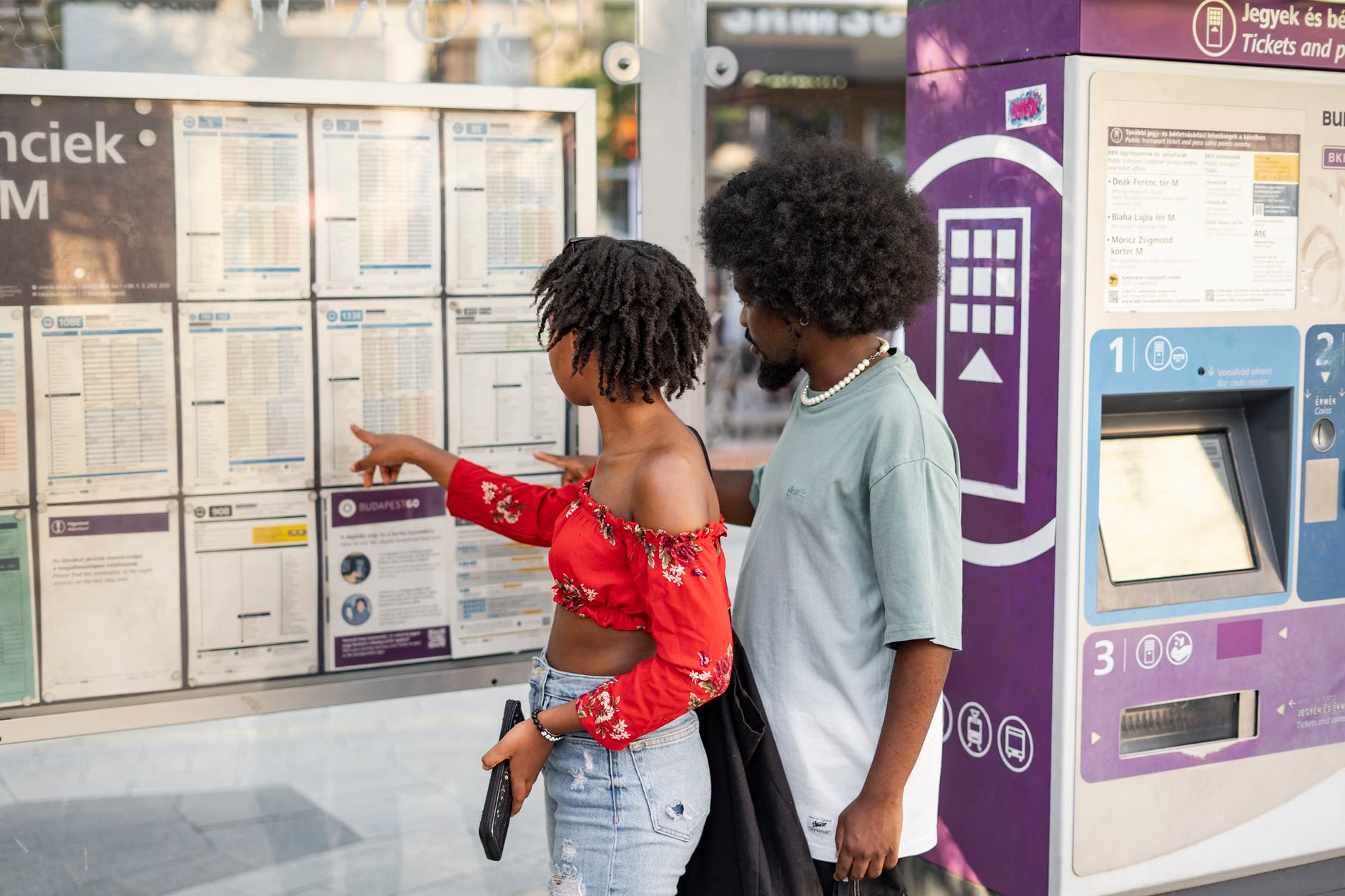
Understanding the Mechanics of Funicular Accessibility
To navigate historic funiculars successfully, it is essential to understand the difference between a “modernized” system and a “preserved” one. A funicular operates on a balanced cable system where two vehicles counter-balance each other. While the movement itself is typically smooth, the infrastructure surrounding the stations varies significantly.
The “Step-Free” Reality vs. Marketing Claims
When a tourism brochure claims a site is “accessible,” it often refers only to the destination itself, not the journey. In historic funiculars, you may encounter three distinct types of boarding environments:
- Fully Integrated Level Boarding: The platform and the carriage floor are perfectly aligned. This is common in newer or heavily renovated systems like the Hungerburgbahn in Innsbruck.
- The “Gap and Step” Challenge: Many older stations feature a significant gap between the platform and the carriage, or a singular step at the entrance. This is a common point of friction for travelers with limited mobility.
- The Stepped Platform: Some historic funiculars are built on the side of a mountain where the platform itself follows the slope, meaning the carriage floor is stepped. These should be avoided by anyone with severe balance issues or those using mobility aids.
Before you depart, visit the official operator’s website. Look for terms like “step-free access” or “level boarding.” If a website only uses the generic term “accessible,” email or call their customer service desk. Ask specifically: “Are there any stairs between the street entrance and the carriage doors?”
Strategic Planning for a Stress-Free Ascent
Successful travel relies on managing your energy and minimizing obstacles. The physical act of boarding a funicular is usually the most demanding part of the trip. By planning your arrival and gear, you can remove the “rush” factor that often leads to accidents.
The Importance of Off-Peak Scheduling
Funiculars often serve as commuter lines in cities like Lisbon or Valparaíso. During morning and evening rush hours, the cars become crowded. A crowded car is a danger to your balance and limits your ability to reach a seat. Aim to travel between 10:00 AM and 3:00 PM. This window offers several advantages:
- Stability: You are more likely to secure a seat, which is crucial for those who find standing on an incline physically taxing.
- Pacing: Staff are less rushed and more willing to assist with boarding if you need extra time.
- Visual Clarity: With fewer people, you have a better view of the floor gaps and the transition points.
Managing Luggage and Mobility Aids
If you are traveling with a walking aid, such as a cane or a folding walker, ensure it is secure before the car begins its ascent. If you use a foldable wheelchair, check the “maximum width” requirements on the operator’s website. Many historic funiculars have narrow entryways that cannot accommodate modern, wide-frame chairs.
Physical Safety Protocols During Transit
Once you are inside the funicular, the physics of the ride changes. As the car moves up or down a steep incline, your body will naturally compensate for the angle. This can be disorienting for those with inner-ear sensitivities or balance concerns.
The “Three-Point” Stability Rule
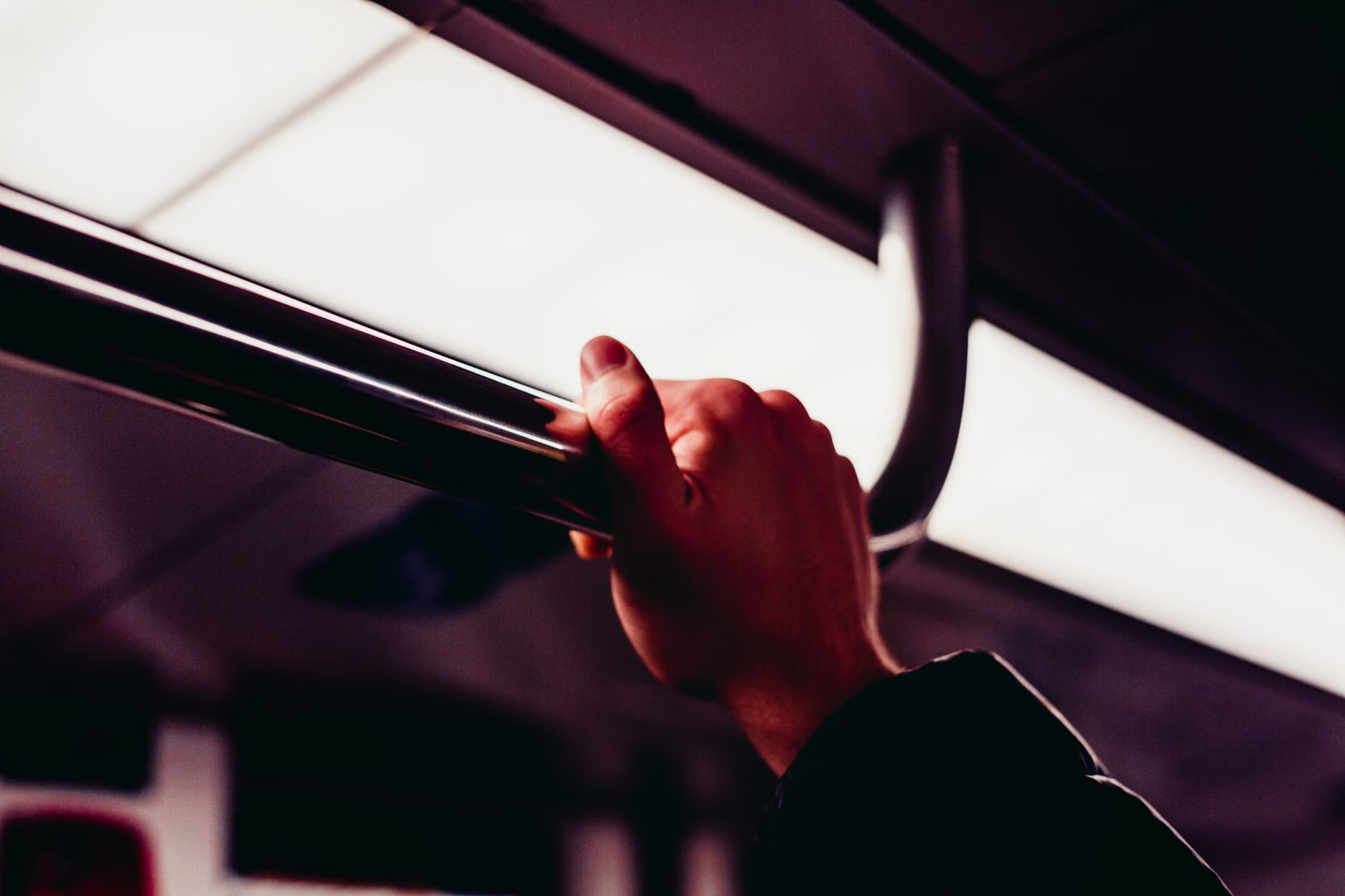
Whether you are standing or moving to a seat, always maintain at least two points of contact with the vehicle’s structure. Utilize the handrails provided, which are usually designed to be ergonomic. Never attempt to stand in the aisles while the car is in motion. Even if the ride feels smooth, sudden stops or cable adjustments can occur, leading to a loss of balance.
Responding to Gradient Shifts
As the car moves, the floor angle will change relative to your position. If you are seated, try to sit facing the direction of travel if possible, as this allows your body to brace against the seat back during the ascent. If you suffer from motion sickness, look toward the horizon or the side windows rather than the floor, as the moving floor can exacerbate dizziness.
| Scenario | Recommended Action | Why it Matters |
|---|---|---|
| Boarding a steep car | Board slowly; use the rail immediately. | Prevents tripping on the transition plate. |
| Standing in a crowded car | Move to the center or a corner post. | Provides a stable surface to lean against. |
| Experiencing vertigo | Focus on a stationary object outside. | Helps realign your inner ear and balance. |
| Exiting the car | Wait until the car is fully stopped. | Prevents falls during the final movement. |
The table above serves as a quick-reference guide. If you find yourself feeling overwhelmed by the incline, remember that most operators have an emergency stop button. However, do not use it unless there is an actual medical emergency, as it can cause sudden, jarring stops.
Evaluating Your Destination: Beyond the Funicular
Often, the funicular is just the beginning. Once you reach the summit, you may encounter cobblestones, steep hills, or lack of shade. Assessing the “top of the mountain” is just as important as assessing the funicular itself.
The “Top-Station” Mobility Check
Before leaving the station at the summit, take a moment to observe the exit. Is it a flat plaza, or does it lead directly onto a steep, uneven path? Use tools like Google Street View to “virtually walk” the area around the top station. Look for:
- Surface conditions: Are there cobblestones? These are notoriously difficult for walking aids and can cause trips.
- Restroom availability: Are there accessible facilities at the summit, or will you need to return to the base?
- Elevation gain: Does the path from the station to the main attraction involve further climbing?
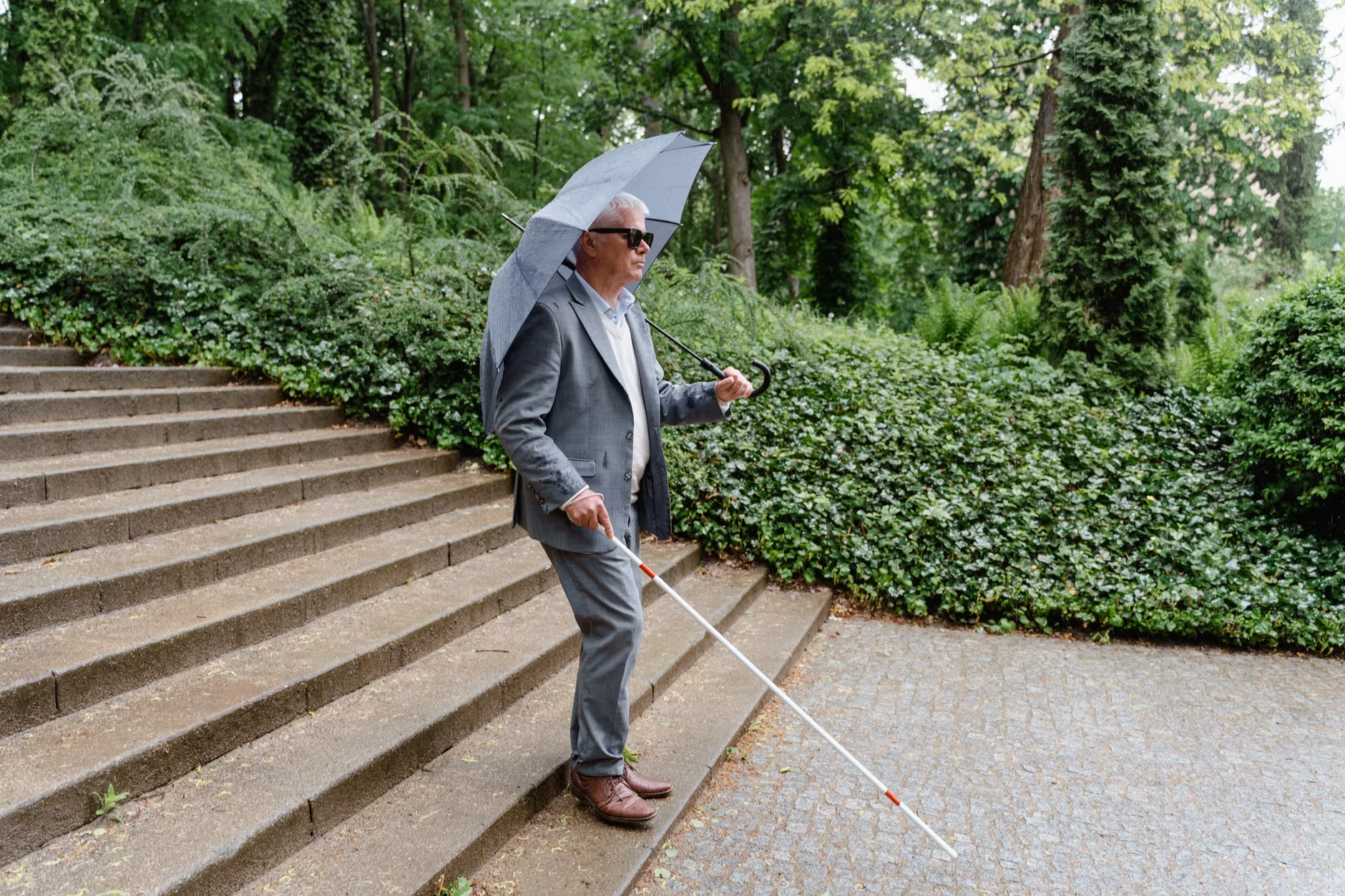
Many countries offer discounted transit fares for seniors, but these policies are rarely universal. In many European cities, a “Senior Card” or proof of age (passport) can grant you reduced rates on funiculars, especially if they are part of the municipal public transport network.
How to Secure Discounts
Do not assume the discount is automatic at the ticket kiosk. Always ask, “Do you offer a senior or concession fare for visitors?” and have your passport ready to prove your age. In some jurisdictions, such as Switzerland or Austria, regional travel passes (like the Swiss Travel Pass) include funicular rides at no extra cost or at a significant discount. Researching these passes before your trip can save you significant money and the hassle of buying individual tickets at every stop.
Health Considerations for High-Altitude Transit
While funiculars themselves do not reach “high altitude” in the medical sense (usually below 2,000 meters), the rapid change in elevation can affect blood pressure and inner ear health. If you have known cardiovascular issues or inner ear conditions like Meniere’s disease, consult with your physician before planning a trip that involves significant elevation changes.
Preparation Checklist for Your Trip
If you are planning a trip involving multiple funicular or cable car rides, keep this checklist in your travel bag:
- Medication Log: A list of your current medications and dosages, in case of emergency.
- Hydration: Elevation changes can lead to mild dehydration, which affects balance. Keep a water bottle handy.
- Support Contacts: The phone number of your local embassy or a primary contact person.
- Mobility Assessment: If you use a walking aid, ensure the rubber tips are in good condition to prevent slipping on smooth platform surfaces.
Addressing Unexpected Challenges
Even with perfect planning, things can go wrong. A funicular might be temporarily out of service for maintenance, or a queue might become unexpectedly long. Flexibility is your greatest asset. If you arrive at a station and see a massive queue, it is often better to return at a different time or choose an alternative route, such as a taxi or a bus, if they are available.
What to Do If You Feel Unwell
If you start to feel dizzy or lightheaded while waiting, move to a bench or a shaded area immediately. Sit down, keep your head level, and take slow, deep breaths. If the feeling persists, do not board the funicular. The sensation of movement combined with an existing dizzy spell can lead to a fall. It is always better to skip a landmark than to risk an injury that could compromise the rest of your trip.
Conclusion
Historic funiculars are a rewarding way to experience the world, offering views and access that would otherwise be out of reach. By prioritizing your personal mobility, researching the specific accessibility features of each system, and traveling during off-peak hours, you can turn these historic machines into a highlight of your journey. Remember, the goal is to enjoy the destination without compromising your physical wellbeing. Take your time, use the resources available, and always prioritize your comfort over the pressure to see “everything.”
Frequently Asked Questions
1. How do I find out if a funicular is wheelchair accessible?
Check the official operator’s website for the keyword “step-free” or “barrier-free.” If the information is unclear, send a direct email to their visitor services department asking for the exact number of steps between the entrance and the boarding platform.
2. Is it safe to use a cane or walker on a funicular?
Yes, provided you have good balance. Ensure your cane or walker is securely positioned during the ride and never let go of the handrail until the car has completely stopped and the doors are fully open.
3. Do I need to book tickets in advance for senior discounts?
It depends on the location. In some cities, you must purchase tickets online to access specific senior discounts, while in others, you can simply show your ID at the ticket window. Check the “Fares” or “Concessions” section of the official website before you travel.
Official sources for further research: