Strengthening the gluteal muscles through seated isometric squeezes provides a foundational support system for the pelvic floor, stabilizes the hip joints, and helps prevent the common age-related decline in mobility. This simple, low-impact habit can be performed almost anywhere, making it one of the most accessible preventive health measures for adults in their 60s, 70s, and 80s.
Key Takeaways
- Gluteal strength is directly linked to pelvic floor health: Strong glutes act as an external support system, reducing the direct pressure on the pelvic floor muscles.
- Seated squeezes are a safe entry point: For those with balance concerns or limited stamina, performing glute exercises while seated eliminates fall risks while still building muscle tone.
- Consistency beats intensity: Performing short sets of 10 squeezes throughout the day is more effective for long-term muscle “memory” and stability than a single long workout.
Why Gluteal Health Matters for Pelvic Support in Later Life
As we move into our 60s and 70s, the body undergoes a natural process called sarcopenia, which is the gradual loss of muscle mass and strength. The gluteus maximus—the largest muscle in the human body—is often one of the first areas to show signs of weakening, especially if we spend significant time sitting. This is not just a matter of aesthetics; it is a critical issue for internal health.
The gluteal muscles are part of a complex “posterior chain” that includes the lower back and hamstrings. More importantly, they work in tandem with the pelvic floor. The pelvic floor is a bowl-shaped set of muscles that supports the bladder, bowel, and, in women, the uterus. When the glutes are weak, the pelvis can tilt incorrectly, placing undue strain on these internal muscles. This strain often leads to issues such as lower back pain, hip instability, and even urinary urgency or incontinence.
By performing seated glute-squeezes, you are engaging in “isometric” exercise. This means the muscle is contracting without the joint moving. This is particularly beneficial for seniors because it builds strength without putting stress on the knee or hip joints, which may already be affected by arthritis or general wear and tear.
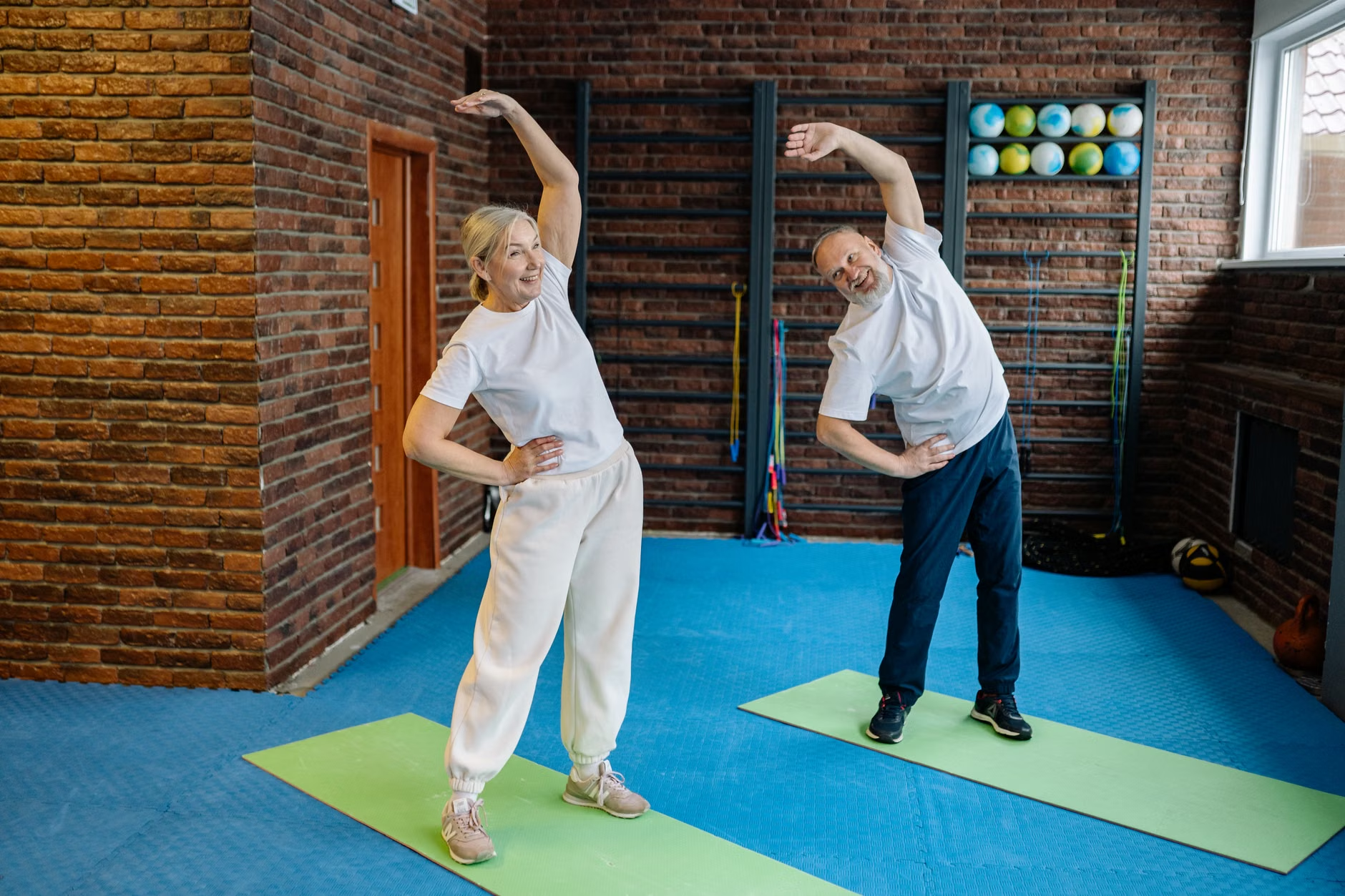
The Anatomical Connection: Glutes and the Pelvic Floor
To understand why a simple “squeeze” helps, we must look at how the body is wired. The gluteus maximus is connected to the sacrum (the bone at the base of your spine) and the pelvic ligaments. When you contract your glutes, you create a stable “base” for the pelvis. This stability allows the pelvic floor muscles to function more efficiently.
Think of the glutes as the sturdy walls of a house and the pelvic floor as the foundation. If the walls are weak and leaning, the foundation has to work much harder to keep the structure upright. By strengthening the “walls” (the glutes), you take the pressure off the “foundation” (the pelvic floor).
How to Perform the Seated Glute-Squeeze Correctly
Precision is more important than power when it comes to preventive exercises. Many people mistakenly use their inner thighs or their abdominal muscles instead of their glutes. Follow these steps to ensure you are targeting the right area.
Step 1: The Setup
Find a firm, straight-backed chair. Avoid soft sofas or recliners for this exercise, as they cause the pelvis to “sink,” making it difficult to engage the glutes properly. Sit toward the front half of the chair so your back is not leaning against the rest. Place your feet flat on the floor, hip-width apart. Your knees should be directly over your ankles, forming a 90-degree angle.
Step 2: Posture Check
Imagine a string pulling the top of your head toward the ceiling. Lengthen your spine and relax your shoulders. Place your hands lightly on your thighs. This upright position aligns the pelvis in a “neutral” state, which is the optimal position for muscle engagement.
Step 3: The Squeeze
Focus your attention on your buttocks. Gently but firmly squeeze both cheeks together. You should feel yourself “lift” slightly in the chair. It is a common mistake to hold your breath during this movement. Instead, exhale as you squeeze and inhale as you release. This breathing pattern helps regulate internal pressure in the abdomen.
Step 4: The Hold and Release
Hold the squeeze for a count of 5 to 10 seconds. Focus on a steady, consistent contraction rather than a pulsing movement. Slowly release the tension over a count of 3 seconds. Do not just “let go”; the slow release is just as important for muscle control as the squeeze itself.
What it looks like in real life: If you were doing this while sitting at a cafe with a friend, they shouldn’t be able to tell you are exercising. The movement is internal and subtle. If your whole body is shaking or your face is turning red, you are pushing too hard.
Daily Routine and Progression
Building muscle in your 70s requires consistency. Because these are isometric exercises, they do not require a long recovery time, meaning you can do them daily. However, you should still follow a structured approach to see progress.
| Phase | Goal | Frequency | Hold Duration |
|---|---|---|---|
| Week 1-2: Foundation | Establish mind-muscle connection | 2 sets of 10 squeezes, twice a day | 3 to 5 seconds |
| Week 3-4: Endurance | Increase time under tension | 3 sets of 12 squeezes, twice a day | 7 to 10 seconds |
| Week 5+: Maintenance | Integrate into daily habits | 3 sets of 15 squeezes, daily | 10 to 15 seconds |
After the first month, the goal is not necessarily to squeeze harder, but to maintain the strength you have built. For many seniors, the “Maintenance” phase involves “habit stacking”—performing the exercises while doing something else, such as brushing your teeth or waiting for the kettle to boil.

Common Mistakes to Avoid
Even a simple exercise can be done incorrectly, which reduces its effectiveness and can sometimes lead to discomfort. Here are the most frequent errors observed in senior fitness programs:
- The “Breath Hold” (Valsalva Maneuver): Many people instinctively hold their breath when straining. This increases intra-abdominal pressure, which actually puts *more* stress on the pelvic floor—the exact opposite of what we want. Always keep your airway open.
- Engaging the Quads Instead: If you feel the muscles on the front of your thighs tensing up more than your glutes, your brain is “cheating.” To fix this, try wiggling your toes while you squeeze your glutes. This helps deactivate the leg muscles and forces the glutes to do the work.
- Slouching: If you are hunched over, the glutes are in a lengthened position where they cannot contract fully. Always check your posture before starting a set.
- Over-squeezing: Squeezing with 100% of your power can lead to muscle cramping. Aim for about 60% to 70% of your maximum effort. This is about endurance and support, not powerlifting.
Advanced Variations for Improved Stability
Once you are comfortable with the basic seated squeeze, you can introduce variations that challenge your stability and coordination. These are particularly useful for improving gait (how you walk) and balance.
Variation 1: The Alternating Squeeze
Instead of squeezing both cheeks at once, squeeze only the right side, hold for 5 seconds, then release. Repeat with the left side. This teaches your brain to control the muscles independently, which is vital for maintaining balance while walking or climbing stairs.
Variation 2: The “Squeeze and Lift”
While performing the glute squeeze, try to gently lift one foot just an inch off the floor. Hold for 3 seconds, then lower the foot and release the squeeze. This integrates the glutes with the hip flexors and core muscles, mimicking the stabilization needed when stepping over an obstacle.
Variation 3: Resistance Band Squeezes
If you feel you have reached a plateau, place a light resistance band (a “loop” band) around your thighs, just above the knees. As you squeeze your glutes, gently press your knees outward against the band. This engages the gluteus medius, the muscle on the side of your hip that prevents your pelvis from dropping when you stand on one leg.
Comparing Seated Glute-Squeezes to Other Exercises
It is helpful to understand where this exercise fits in the broader spectrum of pelvic and hip health. It is not a “cure-all,” but it serves a specific purpose compared to other popular movements.
| Exercise | Primary Target | Best For… | Difficulty for Seniors |
|---|---|---|---|
| Seated Glute-Squeeze | Gluteus Maximus | Pelvic support & hip stability | Low (Very Safe) |
| Kegels | Pelvic Floor Muscles | Bladder control | Low (But hard to master) |
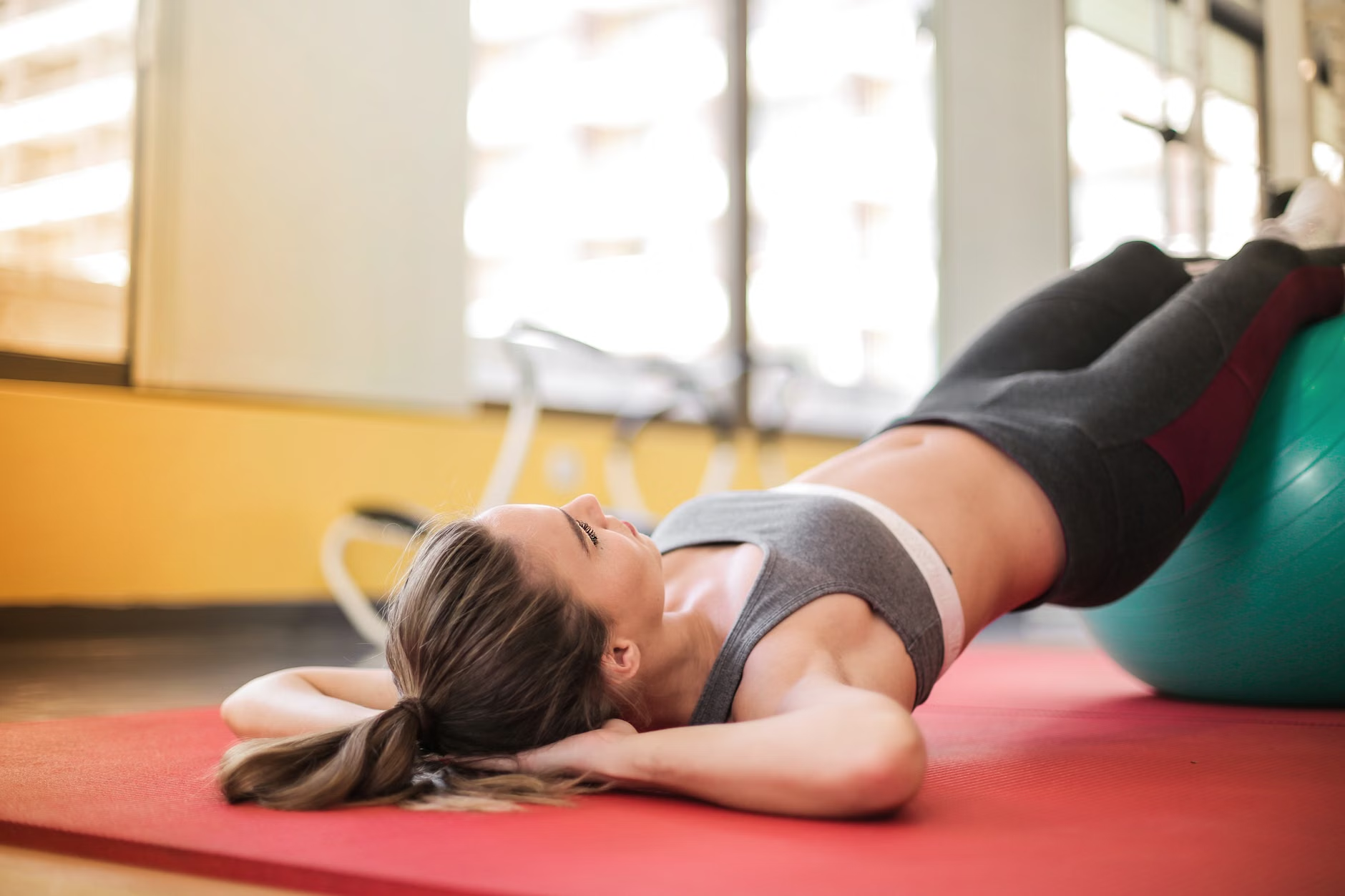
| Glute Bridges | Glutes & Lower Back | Core strength | Medium (Requires lying on floor) |
| Squats | Quads & Glutes | Functional mobility | High (Requires knee/hip health) |
Decision Rule: If you have difficulty getting up and down from the floor, the Seated Glute-Squeeze is your best primary option. If you have healthy knees and good balance, you should use the seated squeeze as a “warm-up” before performing standing squats or lunges. If your primary concern is strictly bladder control, combine glute-squeezes with Kegels, as they work better together than in isolation.
The Hidden Benefit: Improved Circulation and Skin Health
One often overlooked benefit of gluteal exercises for seniors is the improvement in local circulation. Long periods of sitting can compress the tissues of the buttocks, leading to reduced blood flow. In some cases, this contributes to skin breakdown or “pressure sores” in very sedentary individuals.
By regularly contracting and relaxing the muscles, you act as a manual pump for the blood vessels in that area. This brings fresh, oxygenated blood to the tissues and helps move lymphatic fluid. For adults aged 70 and older, maintaining healthy skin and blood flow in the pelvic region is a vital but rarely discussed aspect of preventive care.
When to Consult a Professional
While seated glute-squeezes are generally safe, there are specific “red flags” that indicate you should stop and speak with a healthcare provider, such as a doctor or a pelvic floor physical therapist.
- Sharp, Shooting Pain: If the squeeze causes a sharp pain that radiates down your leg (sciatica) or into your groin, you may have a nerve impingement or a disc issue that needs professional diagnosis.
- Increased Incontinence: If you find that performing these exercises makes bladder control worse, you may be “over-tensing” or have a “hypertonic” (too tight) pelvic floor. A specialist can help you learn to relax the muscles as well as strengthen them.
- Numbness: Any persistent numbness in the “saddle area” (the parts of your body that would touch a saddle) is a medical priority and should be evaluated immediately.
When visiting a professional, it is helpful to bring a record of your exercise routine. Note how many repetitions you do and whether you feel any discomfort during or after the session. This helps the therapist adjust your plan to your specific anatomy.
Practical Tips for Success
To make this a lasting habit, consider these practical “insider” tips that go beyond the basic instructions:
1. Use a “Hard” Chair for Feedback: It is much easier to feel your muscles working on a wooden or plastic chair than on a padded office chair. The resistance of the hard surface gives your brain better feedback about how much you are actually lifting.
2. The “Penny” Visualization: If you struggle to engage the glutes, imagine you are trying to hold a penny between your butt cheeks. This specific visualization often helps people find the right muscle group more quickly than just “squeezing.”
3. Monitor Your Progress with “Sit-to-Stand”: A great way to see if your glute-squeezes are working is to notice how you stand up from a chair. After two weeks of daily squeezes, you should feel more “stable” and “powered” from the back when you push yourself up to a standing position.
Summary and Next Steps
The seated glute-squeeze is more than just a simple muscle contraction; it is a proactive strategy to maintain the structural integrity of your pelvis and hips. By dedicating just five minutes a day to this practice, you are building a buffer against the physical decline that often accompanies aging.
Your immediate action plan:
- Set a timer on your phone or watch for three times today (e.g., after breakfast, after lunch, and during the evening news).
- Perform 10 squeezes, holding each for 5 seconds, focusing on perfect posture and steady breathing.
- Do this every day for one week. By day seven, you will likely notice a greater sense of “connection” to your lower body and a more upright natural sitting posture.
Frequently Asked Questions
1. Can I do these exercises if I have had a hip replacement?
In most cases, yes. Isometric glute-squeezes are often recommended during post-operative recovery because they don’t move the joint. However, you must follow your surgeon’s specific “hip precautions” (such as not crossing your legs or leaning too far forward) during the first few months after surgery. Always check with your physical therapist first.
2. How long will it take before I notice a difference?
Muscle “activation” (the brain-to-muscle connection) usually improves within 7 to 10 days. You may feel more stable while walking. Actual muscle growth (hypertrophy) takes longer, typically 6 to 8 weeks of consistent daily practice. The key is to look for “functional” changes, like finding it easier to get out of a car.
3. Can I do these while lying in bed?
Yes, you can. Lying on your back with your knees bent (the “hook-lying” position) is an excellent alternative. Squeezing your glutes in this position is actually the first step toward a “Glute Bridge.” It is a great way to start your day before even getting out of bed, as it “wakes up” the muscles that will support you once you stand up.
For more information on senior-specific mobility and preventive health, you can consult official resources such as the National Institute on Aging (NIA) or the Chartered Society of Physiotherapy.
Source: National Institute on Aging – Exercise and Physical Activity
Source: Chartered Society of Physiotherapy – Pelvic Floor Exercises
Disclaimer: This article provides general health information for educational purposes and is not intended as medical advice. Always consult with a healthcare professional before starting a new exercise regimen, especially if you have pre-existing health conditions.
[End of Article]