- Mobility First: Limit your luggage to one manageable carry-on or a lightweight medium suitcase to navigate narrow cruise ship corridors and gangways with ease.
- Layering Strategy: Use breathable, moisture-wicking fabrics in layers to adapt to varying temperatures on the water without overpacking heavy coats.
- Health Preparedness: Always carry a printed medication list, a small first-aid kit, and essential documents in your personal carry-on, never in checked luggage.
Introduction: The Freedom of Minimalist Travel
For many travelers aged 60 to 80, the appeal of a river cruise lies in its convenience: unpacking once while the scenery changes daily. However, even with the “unpack once” benefit, the physical act of managing luggage—navigating train stations, boarding gangways, and moving through narrow cabin corridors—can become a source of stress. Minimalist packing is not about depriving yourself; it is about maximizing your mobility and energy by reducing the physical burden of your belongings.
This guide provides a strategic framework for packing efficiently for a river cruise. By focusing on weight, accessibility, and versatility, you can ensure that your luggage supports your travel experience rather than hindering it. We will explore how to select the right gear, manage health essentials, and curate a wardrobe that handles both daytime excursions and evening dining with minimal bulk.
Evaluating Your Luggage: Why Size and Weight Matter
The first step in minimalist packing is choosing the right vessel for your belongings. On a river cruise, space is at a premium. Cabins are often smaller than those on ocean liners, and storage solutions are compact. Choosing the wrong suitcase can lead to cluttered living quarters, which increases the risk of tripping and makes it harder to maintain a clean, organized environment.
The “One-Bag” Philosophy for Cruise Travel
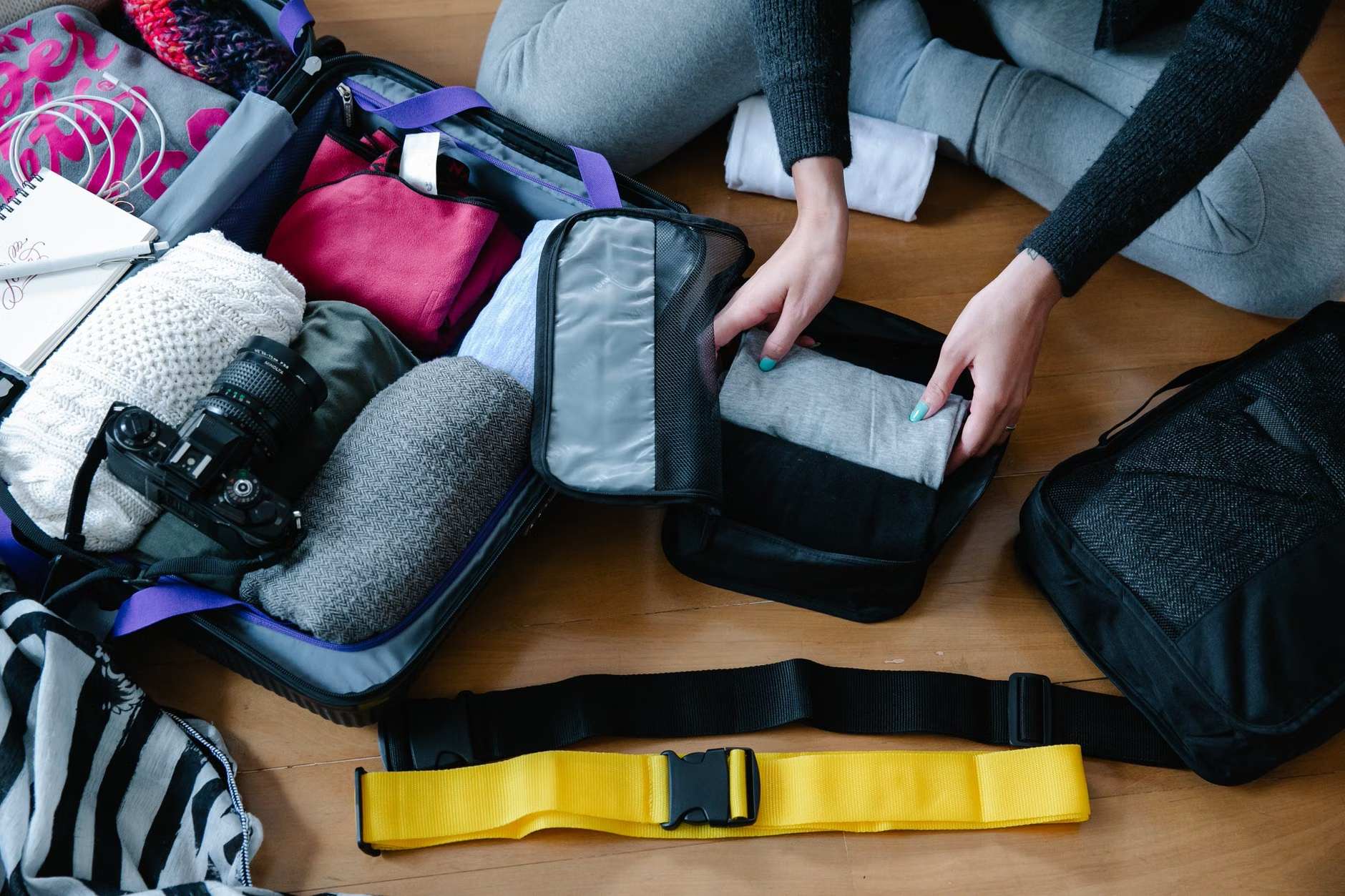
Aim to limit your checked luggage to one medium-sized, four-wheeled spinner suitcase (roughly 22–24 inches). The four-wheel design is essential for seniors as it allows the bag to glide alongside you, minimizing strain on your wrists, shoulders, and back. A heavy bag that must be dragged behind you can cause postural misalignment and unnecessary fatigue before you even board the ship.
| Feature | Recommended Choice | Why It Matters |
|---|---|---|
| Wheels | 4-wheel Spinner | Reduces physical exertion and joint strain. |
| Weight | Under 15kg (33lbs) | Easier to lift into overhead bins or onto transfer shuttles. |
| Organization | Packing Cubes | Prevents shifting and makes items easy to locate. |
Decision Rule: If you cannot comfortably lift your suitcase to waist height, it is too heavy. River cruise staff are helpful, but you should always be prepared to manage your own bag during transfers, train connections, or hotel stays before and after the cruise.
Curating a Senior-Friendly Travel Wardrobe
The biggest mistake in packing is the “just in case” mentality. For a 7- to 10-day river cruise, you do not need an outfit for every possible weather condition. Instead, focus on a capsule wardrobe—a small collection of interchangeable garments.
The Layering Principle
River cruises often involve moving from the cool, breezy deck to a heated dining room, or from a sunny walking tour to a shaded museum. Layering is your best defense against temperature fluctuations.
- Base Layer: Moisture-wicking, breathable fabrics (like merino wool or lightweight synthetics) that keep you dry.
- Mid Layer: A light cardigan, fleece, or sweater that is easy to remove.
- Outer Layer: A windproof, water-resistant jacket. Avoid bulky parkas; a packable down or synthetic jacket provides warmth without the weight.
Footwear: The Foundation of Mobility
Your choice of footwear is the most critical packing decision you will make. You will likely walk on uneven cobblestones in historic European towns or on steep gangways.
- Walking Shoes: Bring one pair of high-quality, supportive walking shoes that are already broken in. Never bring brand-new shoes on a trip.
- Evening Shoes: A second, more formal but comfortable pair of slip-on shoes is sufficient for dinners.
- Safety Note: Ensure your walking shoes have non-slip soles. Many cruise ports are near water, and quaysides can be slippery, especially in the early morning or evening.
Health and Wellness: Managing Essentials
Travel can disrupt your routine, but your health management should remain consistent. Packing for health is about organization and accessibility.
The Medication Management System
Never pack your prescription medications in checked luggage. Always keep them in your personal carry-on bag to protect against lost luggage.
- The Master List: Carry a printed list of all your medications, dosages, and the conditions they treat. Include your doctor’s contact information and your blood type.
- Original Packaging: Keep medications in their original containers to avoid confusion at customs or security checkpoints.
- The “Safety Buffer”: Always pack at least 3–5 days of extra medication beyond the duration of your trip in case of travel delays.
Personal First-Aid and Comfort Kit
You don’t need a pharmacy, but a small, consolidated kit is invaluable. Include:
- Blister plasters (moleskin) for walking tours.
- Over-the-counter pain relief, antacids, and anti-diarrheal medication.
- Hydration tablets (electrolytes) to help combat fatigue during long days of sightseeing.
- A small bottle of hand sanitizer.
When leaving the ship for the day, your goal is to be hands-free. A heavy backpack can pull on your shoulders and throw off your balance. A lightweight, cross-body bag is a better option. It keeps your essentials—wallet, phone, water bottle, and medication—secure and directly in front of you, reducing the risk of theft and making it easier to access items without needing to take the bag off.
The Excursion Checklist
Before you step off the ship, ensure you have:
- Identification: A photocopy of your passport (keep the original in the ship’s safe).
- Ship Contact Information: A card with the ship’s name, docking location, and emergency contact number.
- Water: Stay hydrated, even if the weather is cool.
- Sun Protection: A hat and sunglasses, as river glare can be intense.
Unexpected Trade-offs and Insights
One overlooked variable in river cruising is the “gangway factor.” Depending on the water level, the gangway might be a flat ramp or a steep staircase. Minimalist luggage is not just a convenience—it is a safety necessity. If you are struggling with a heavy, oversized bag, you are far more likely to lose your footing on a steep, narrow, or moving gangway.
Another insight: Laundry services on river ships are often expensive and slow. Instead of packing 10 days of clothing, pack for 5 days and plan to do a small amount of “sink laundry” for socks and undergarments, or utilize the ship’s laundry service once mid-trip. This significantly reduces the weight of your luggage and allows you to travel with a smaller, more maneuverable suitcase.
Conclusion: Preparing for a Seamless Journey
Minimalist packing is the gateway to a more enjoyable and less stressful river cruise. By prioritizing mobility, utilizing a capsule wardrobe, and ensuring your health essentials are organized and accessible, you reclaim your energy for what truly matters: the experience of the journey. Remember that the goal is not to have everything you could possibly need, but to have everything you actually need to remain safe, comfortable, and mobile.
Before you depart, perform a “trial run.” Pack your suitcase, walk around your home for ten minutes, and try lifting it onto a high surface. If it feels cumbersome, remove two items. You will likely find that you won’t miss them once you are on the water, enjoying the view from the deck.
Frequently Asked Questions (FAQ)
1. How do I handle formal nights on a river cruise with limited luggage?
Most modern river cruises have relaxed dress codes. For men, a blazer worn over a button-down shirt is usually sufficient for formal evenings. For women, a versatile dress or a nice pair of trousers with a dressy top can be accessorized with a scarf or a piece of jewelry to change the look without needing extra outfits.
2. Is it necessary to pack travel-sized toiletries?
Yes, but with a caveat. Most river cruise ships provide high-quality soap, shampoo, and conditioner. Check the cruise line’s website before you pack. If they provide these items, you can save significant weight and space by leaving your own full-sized bottles at home. Only pack specialized products that you cannot live without.
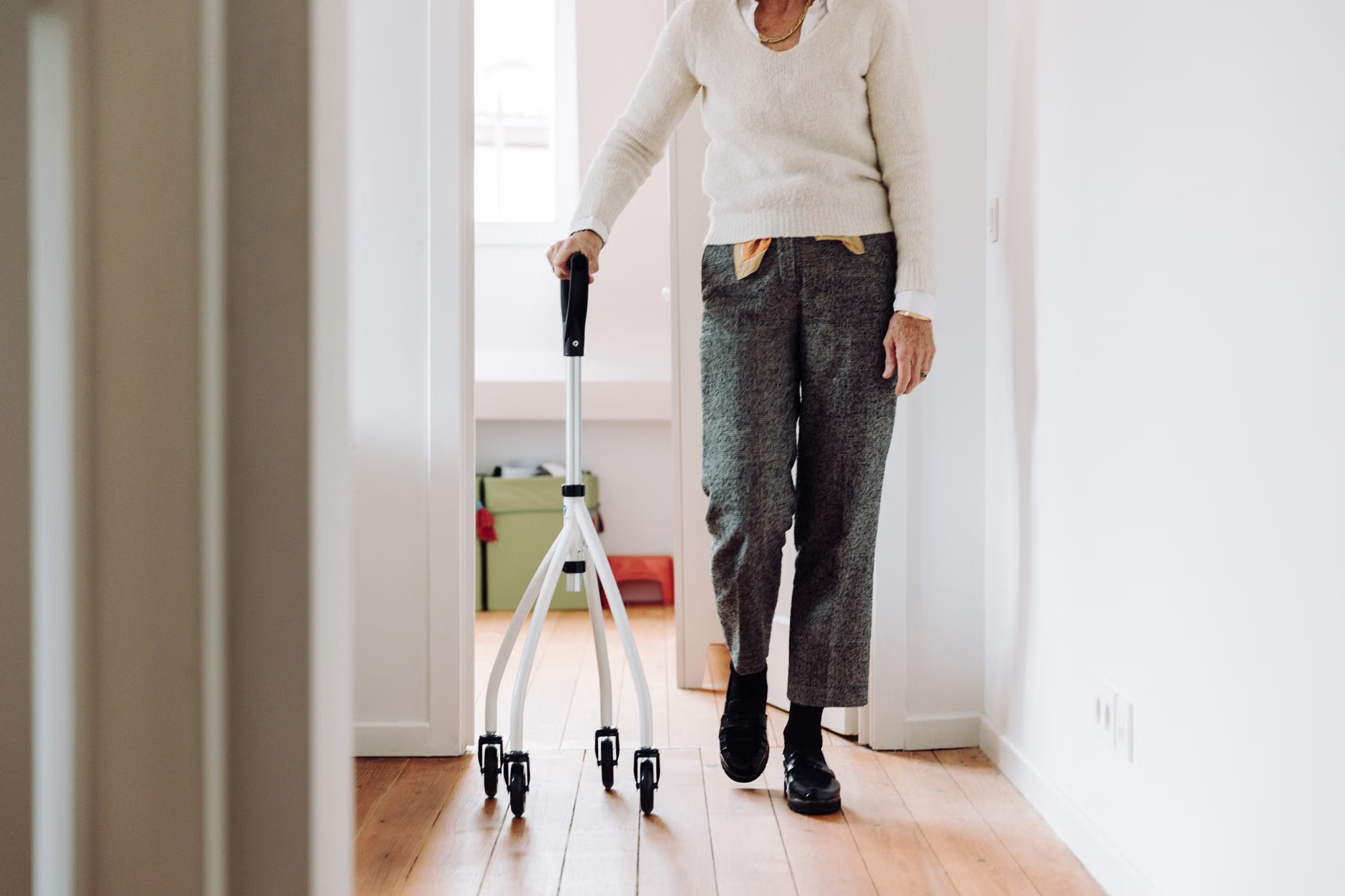
3. What should I do if I have mobility issues and need to carry a cane or walking aid?
Most cruise lines are very accommodating. If you use a collapsible cane, pack it inside your suitcase or carry it in a dedicated bag. If you use a larger mobility aid, contact your cruise line at least 30 days before departure. They can often provide information on the accessibility of the specific ship and ensure that your needs are met during shore excursions.
Official Resources:
- For general travel safety and health advice for seniors, refer to the CDC Traveler’s Health: Older Adults guidelines.
- For information on luggage restrictions and air travel safety, consult the Transportation Security Administration (TSA) if traveling within or through the United States.