- Proactive Booking: Request specific assistance (WCHR, WCHS, WCHC) at least 48 hours before your flight to ensure ground staff are prepared for your arrival.
- Strategic Planning: Choose flights with longer layovers to account for slower terminal transit times and potential physical fatigue.
- Document Readiness: Keep a digital and physical copy of your assistance confirmation and a summary of your mobility needs to present at check-in.
Navigating international airports can be an overwhelming experience, but for travelers aged 60 to 80, it is entirely manageable with the right preparation and utilization of available support services. Modern aviation infrastructure is designed to accommodate a wide range of physical abilities, yet the responsibility often falls on the traveler to initiate the request for assistance. This guide outlines how to leverage airport services to ensure your journey is seamless, comfortable, and dignified.
Understanding Airport Assistance Categories
International airports utilize standardized IATA (International Air Transport Association) codes to categorize the level of assistance a passenger requires. Knowing these codes allows you to communicate precisely with airline staff about your specific mobility needs.
| Code | Definition | Best For |
|---|---|---|
| WCHR | Wheelchair Ramp: Passenger can ascend/descend steps and walk to their seat. | Travelers with limited stamina or difficulty walking long distances. |
| WCHS | Wheelchair Steps: Passenger cannot walk long distances but can ascend/descend steps. | Travelers who need transport to the aircraft door but can manage stairs. |
| WCHC | Wheelchair Cabin: Passenger is completely immobile and requires a lift to the seat. | Travelers who require full physical assistance throughout the boarding process. |
It is important to note that these requests must be made at least 48 hours in advance of your departure. While many airlines will attempt to accommodate last-minute requests, availability of wheelchairs and specialized staff is not guaranteed without prior notification. When you book your ticket online, look for the “Special Assistance” or “Accessibility” tab. If you are booking via a travel agent, ensure they explicitly add these codes to your Passenger Name Record (PNR).

The Anatomy of a Senior-Friendly Transit Plan
The secret to a stress-free airport experience lies in the “buffer principle.” Physical exertion in large terminals is a common source of fatigue. By planning your transit with a focus on rest and distance, you can significantly improve your travel experience.
1. Evaluating Terminal Layouts
Before you depart, visit the airport’s official website. Search for their “Accessibility” or “Passenger Services” page. Look for maps that highlight:
- Elevator and Lift Locations: Avoid routes that rely solely on escalators.
- Rest Zones: Many modern airports have designated quiet areas or seating zones away from the main thoroughfares.
- Walking Distances: Some websites provide estimates of walking times between gates. If you have mobility concerns, a 20-minute walk for an average person may take you 35 minutes. Plan accordingly.
2. Choosing the Right Connection Time
When booking international flights, avoid “tight” connections—anything under two hours. Navigating through immigration, security, and the walk to the next gate can be taxing. A three-hour layover provides a safety net that accounts for potential delays, bathroom breaks, and the time required for your assigned assistance staff to meet you at the aircraft door.
Communicating Your Needs Effectively
Clear communication with airline staff is the most powerful tool you have. When you check in, do not hesitate to confirm your assistance request. A simple, polite script works best:
“Good morning. I have a WCHR request on my booking. Could you please confirm that the ground assistance team has been notified and that they will meet me at the gate upon arrival?”
If you are traveling with a companion, inform the staff at the check-in desk. In most cases, the airline will endeavor to keep your companion with you, but it is always helpful to ensure this is noted in the system. If you are traveling alone, clarify whether your assistance staff will stay with you through immigration or only to the departure gate. Regulations vary by country; in some jurisdictions, assistance personnel are not permitted to enter secure immigration areas, while in others, they are fully authorized to escort you through the entire process.
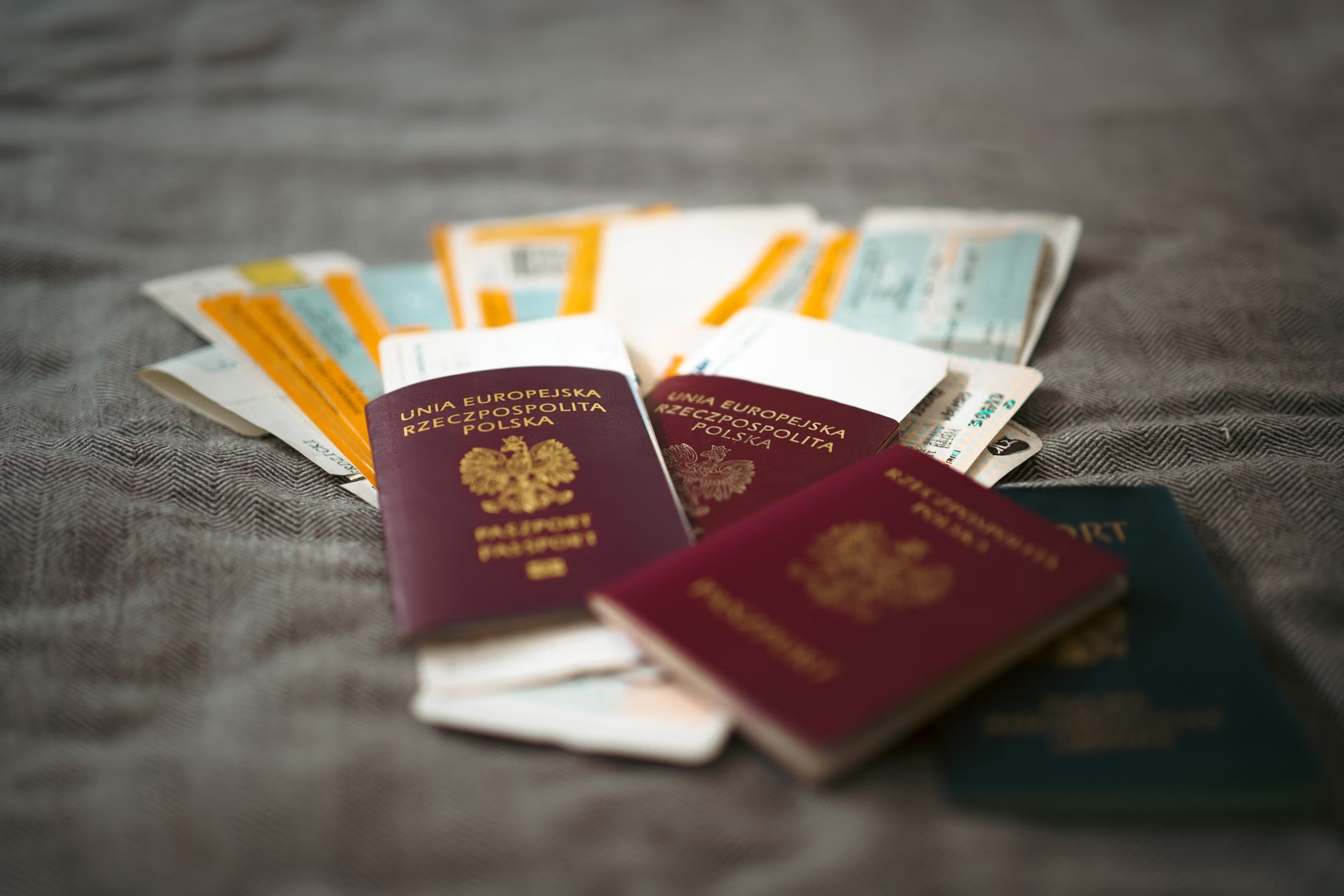
Security checkpoints can be high-pressure environments. Many international airports offer “Fast Track” or “Priority” access for passengers with reduced mobility. Ask the airline staff or the airport information desk if you are eligible for these lanes.
Common Mistake: Many travelers assume that having a wheelchair means they can skip security protocols. You will still need to undergo standard security checks. However, if you have a medical device (such as a pacemaker or insulin pump), notify the security officer immediately. Do not walk through a metal detector or full-body scanner if you have a device that might be affected by the electromagnetic field. Request a pat-down or a manual inspection instead.
Managing Stamina and Physical Wellbeing
Travel is physically demanding, even for the most active seniors. The combination of altitude, dry cabin air, and walking can impact your energy levels. Consider these strategies to maintain your wellbeing:
- Hydration: Cabin air is notoriously dry. Drink water regularly, but avoid excess caffeine or alcohol, which can contribute to dehydration and affect sleep quality.
- Movement: If you are on a long-haul flight, perform simple seated exercises. Ankle rotations, knee lifts, and neck stretches help maintain circulation and prevent stiffness.
- Medication Management: Keep your essential medications in your carry-on luggage, not in checked baggage. Ensure you have a copy of your prescriptions, especially if you are carrying supplies like syringes or specialized medical liquids.
If you feel your stamina waning, do not force yourself to walk to the gate. Use the assistance services you have booked. There is no shame in utilizing a wheelchair transfer; it is a professional service designed to help you conserve your energy for the actual trip rather than the transit.

Handling Unexpected Challenges
Even with the best planning, flights get delayed and gates change. If your gate changes to one that is significantly further away, alert the nearest airport staff member immediately. They can often arrange for a golf cart or wheelchair transfer to the new gate, even if you hadn’t initially requested it.
If you find yourself in a situation where you are not receiving the assistance you were promised, remain calm but be firm. Ask to speak to a supervisor. Use the specific terminology of your booking (e.g., “I have a confirmed WCHR request”). Most airports have a dedicated “Passenger Experience” or “Accessibility” desk that can resolve these issues more effectively than the standard airline check-in counter.
Insights for a Smoother Journey
A often-overlooked variable in international travel is the “arrival-to-transport” gap. Once you exit the airport, you still need to reach your destination. If you require accessible transport, do not rely on standard taxi queues. Research accessible shuttle services or private car services that specialize in senior transport at your destination city. Many cities offer “Accessible Taxis” that can be pre-booked, ensuring you have a vehicle with a ramp or sufficient space for mobility aids.
Furthermore, consider the “return trip” early. When you arrive at your destination, reconfirm your assistance request for your return flight. While the original booking should cover both legs, confirming it with the local station staff at your destination can save you from potential confusion on your day of departure.
Practical Checklist for Your Next Trip
- T-minus 1 week: Call your airline to confirm your assistance code (WCHR, WCHS, or WCHC).
- T-minus 48 hours: Check the airport map for elevator locations and lounge access.
- Day of departure: Arrive at the airport at least 3 hours before an international flight.
- At check-in: Re-verify that the ground assistance team is expecting you.
- At the gate: Inform the gate agent that you are present and ready for your mobility assistance.
Ultimately, your independence is supported—not replaced—by these services. By understanding how to navigate the system, you retain control over your travel experience, ensuring that the time spent in transit is as pleasant as the destination itself.
Frequently Asked Questions
1. Is there an extra cost for requesting airport assistance?
No, airport assistance for passengers with reduced mobility is a standard service provided by airlines and airports, and it is free of charge. You should never be asked to pay for a wheelchair transfer or assistance service. However, it is customary in some cultures to tip the individual staff member who assists you, though it is not mandatory.
2. Can I bring my own mobility aid, such as a walker or a folding wheelchair?
Yes, you can bring your own mobility aids. Most airlines allow you to check these items for free in addition to your standard baggage allowance. Be sure to inform the airline in advance if you are bringing a battery-powered device, as there are specific safety regulations regarding lithium batteries that must be followed.
3. What happens if my flight is delayed and I miss my connection?
If your flight is delayed and you miss your connection, the airline is responsible for rebooking you. Immediately inform the airline staff about your assistance needs for the new flight. Your request for assistance should theoretically carry over to the new booking, but always ask the agent to explicitly re-enter the code into the system for the new flight segment.
For further information on passenger rights and accessibility regulations, you can consult the IATA Passenger Rights guidelines or the specific civil aviation authority website for the country you are traveling to or from.