Maintaining optimal selenium levels through a balanced diet is a scientifically recognized strategy for protecting cognitive function and reducing the risk of neurodegenerative decline in older adults.
Key Takeaways
- Selenium acts as a primary antioxidant: It powers selenoproteins that neutralize oxidative stress in the brain, which is a major driver of memory loss and cognitive decline.
- Whole foods are the safest source: Just one or two Brazil nuts per day can provide the full recommended daily allowance (RDA), making them a highly efficient and cost-effective preventive tool.
- Precision is vital: Both deficiency and excessive intake (selenosis) carry health risks, so seniors should aim for the ‘Goldilocks zone’ of approximately 55 to 200 micrograms per day.
As we navigate the years between 60 and 80, the biological maintenance of the brain becomes a top priority. Among the various micronutrients studied for their role in aging, selenium has emerged as a critical player. This trace mineral, found naturally in soil and water, is essential for the synthesis of selenoproteins—specialized proteins that protect cells from damage and regulate thyroid function. For the aging brain, selenium serves as a shield against the “rusting” process known as oxidative stress, which is closely linked to conditions like Alzheimer’s disease and general age-related cognitive slowing.
This guide provides a deep dive into how selenium works, where to find it, and how to safely incorporate it into your lifestyle. We will move beyond generic advice to examine the specific biological mechanisms, regional variations in food quality, and the practical steps you can take today to support your long-term mental clarity.
How Selenium Protects the Aging Brain
To understand why selenium matters, we must look at how the brain ages. The brain is an incredibly active organ, consuming a high percentage of the body’s oxygen. This high metabolic rate produces “free radicals”—unstable molecules that can damage brain cells. Over time, this damage accumulates, leading to cognitive decline. Selenium is a fundamental component of glutathione peroxidase, an enzyme family that acts as the body’s premier defense against these free radicals.
In the context of the senior brain, selenium’s role is two-fold. First, it helps maintain the integrity of the blood-brain barrier, which prevents toxins from entering sensitive neural tissues. Second, it supports the communication between neurons (synaptic plasticity), which is the foundation of memory and learning. Research has consistently shown that individuals with higher levels of selenium in their blood often perform better on cognitive tests involving memory, coordination, and language processing compared to those with chronic deficiencies.
Furthermore, selenium is inextricably linked to thyroid health. The thyroid gland contains the highest concentration of selenium per gram of tissue in the human body. Because thyroid hormones regulate brain metabolism and mood, a selenium deficiency can lead to secondary cognitive issues such as “brain fog,” lethargy, and depressive symptoms, which are sometimes mistaken for early signs of dementia. By ensuring adequate selenium intake, you are supporting both your direct neural defenses and the hormonal systems that keep your brain energized.
The Link Between Selenium and Dementia Prevention
The relationship between selenium and cognitive longevity is supported by several large-scale longitudinal studies. For example, the EVA (Étude du Vieillissement Artériel) study in France followed nearly 1,400 older adults over nine years. The findings were significant: participants with the lowest baseline levels of selenium experienced the greatest decline in cognitive function over the decade. Conversely, those who maintained stable, optimal levels showed a much higher degree of cognitive preservation.
What does this look like in real life? Imagine two individuals, both aged 70. Person A has a diet rich in varied minerals, including selenium. Person B lives in a region with selenium-poor soil and consumes mostly processed foods. Over five years, Person A may maintain their ability to navigate complex tasks, such as managing finances or learning a new hobby, while Person B might begin to struggle with word-finding or short-term memory. While selenium is not a “magic pill” that can stop dementia on its own, it is a vital piece of the preventive puzzle.
It is also important to note the U-shaped relationship identified by researchers. This means that both too little and too much selenium can be detrimental. In clinical trials, such as the SELECT trial, researchers found that supplementing with high doses of selenium did not necessarily provide additional benefits to those who already had adequate levels. Therefore, the goal for seniors is not “more is better,” but rather “enough is essential.”
Safe Daily Intakes and Regional Variations
Determining the right amount of selenium requires looking at international standards and understanding how your location affects your intake. The Recommended Dietary Allowance (RDA) for adults over 60 is generally standardized at 55 micrograms (mcg) per day. However, many experts suggest that for optimal cognitive protection, a range of 70 to 100 mcg may be more beneficial, provided it stays well below the Tolerable Upper Intake Level (UL) of 400 mcg per day.
A unique challenge with selenium is that its presence in plant-based foods depends entirely on the soil in which they were grown. This creates a significant geographical divide:
| Region | Soil Selenium Levels | Practical Impact for Seniors |
|---|---|---|
| United States & Canada | Generally High (especially the Great Plains) | Most residents meet the RDA through local produce and grains without effort. |
| United Kingdom & Europe | Generally Low | Seniors may need to be more intentional about eating imported nuts or specific seafood. |
| Parts of China & New Zealand | Very Low | Higher risk of deficiency; local health authorities often recommend specific dietary focus. |
| Brazil (Amazon Basin) | Extremely High | Locals must be careful not to over-consume certain native nuts. |
If you live in the UK or parts of Europe, you might notice that selenium levels in the population have dropped since the 1970s, largely because of a shift from importing high-selenium North American wheat to using lower-selenium European wheat. For seniors in these regions, being proactive about dietary sources is especially important. Conversely, if you live in North America, your primary focus should be on food variety rather than high-dose supplementation.
The Best Dietary Sources of Selenium
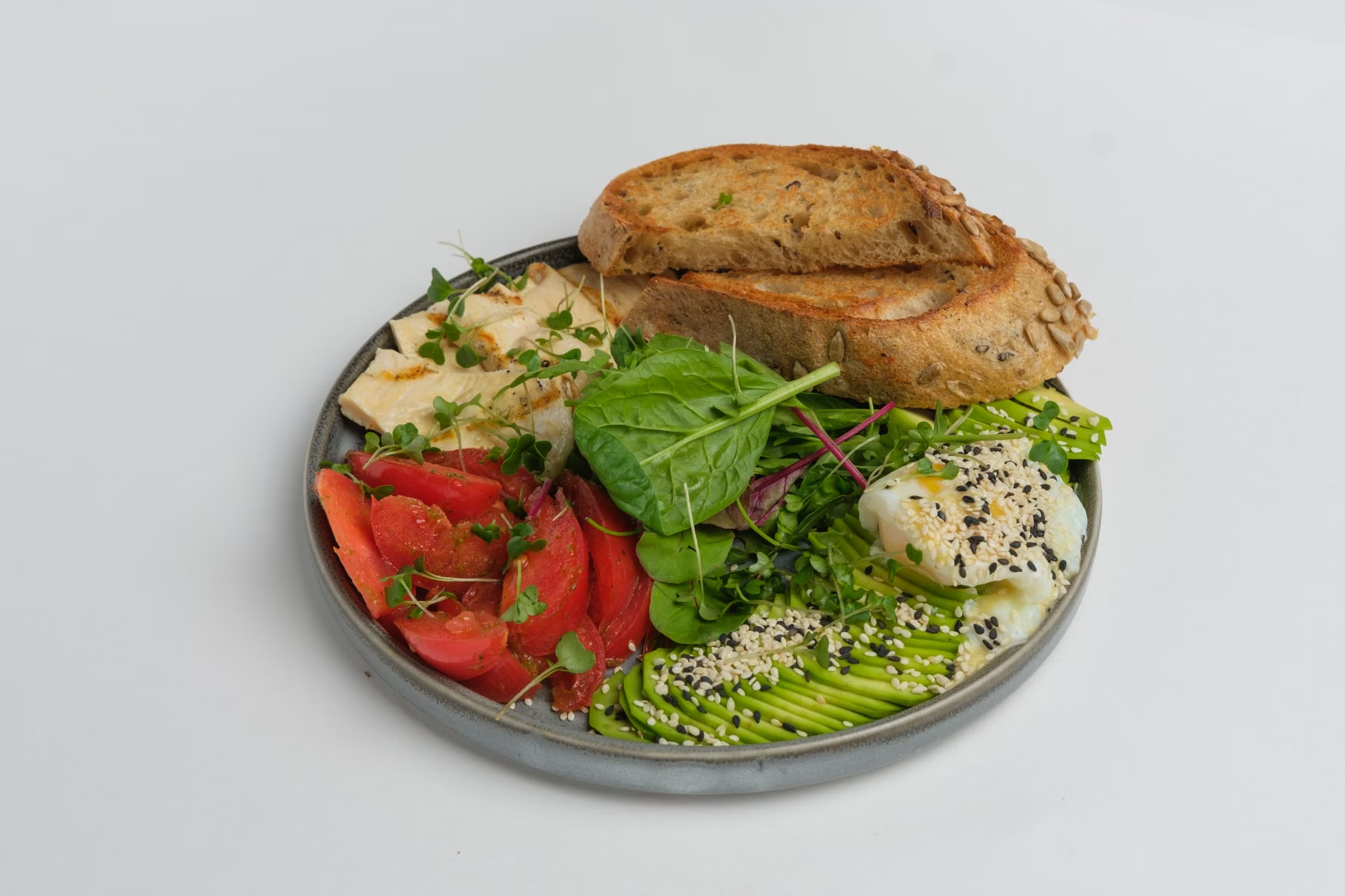
Focusing on whole foods is the most effective way to maintain selenium levels because these foods also provide other synergistic nutrients like Vitamin E and zinc, which enhance the mineral’s antioxidant effects.
1. Brazil Nuts: The Powerhouse
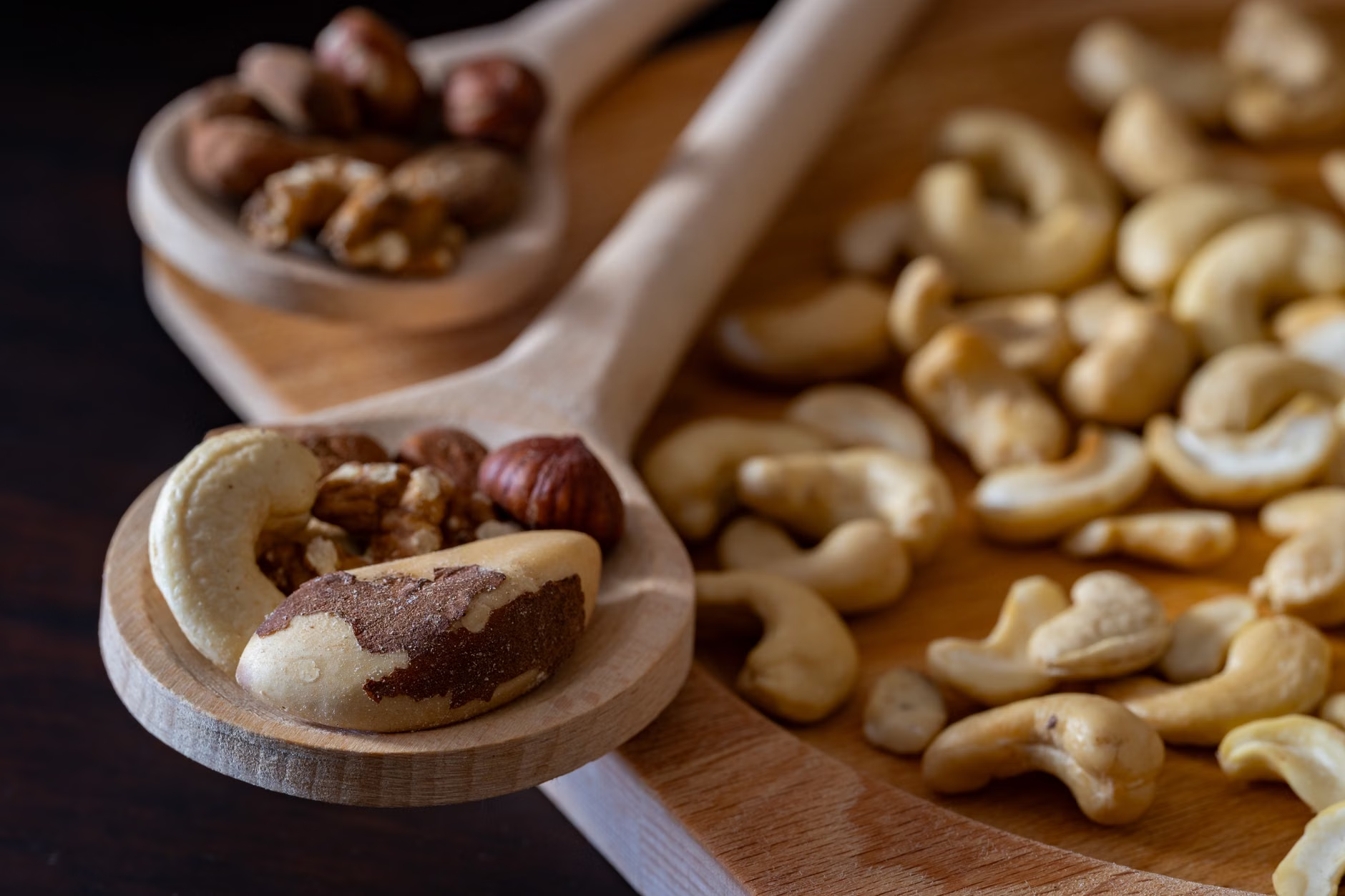
Brazil nuts are the single most concentrated source of selenium in the world. A single nut can contain anywhere from 68 to 91 mcg of selenium. This means that eating just one or two Brazil nuts a day is more than enough to meet your daily requirements. However, because they are so potent, eating a handful (6-8 nuts) every day can quickly lead to selenium toxicity. Treat them as a “natural supplement” rather than a snack food.
2. Seafood and Fish
Seafood is an excellent source because the selenium is often bound to proteins, making it highly bioavailable.
- Yellowfin Tuna: Approximately 90 mcg per 3-ounce serving.
- Halibut and Sardines: Roughly 45-55 mcg per serving.
- Oysters and Clams: These are also rich in zinc, providing a double-benefit for immune and brain health.
For seniors, sardines are a particularly good choice because they are low in mercury and high in Omega-3 fatty acids, which provide additional cognitive protection.
3. Meats and Poultry
Organ meats, such as beef liver, are very high in selenium, but even standard cuts of grass-fed beef, turkey, and chicken provide significant amounts (around 20-30 mcg per serving). If you are reducing your meat intake for heart health, you can still obtain selenium through lean poultry or by combining small amounts of meat with plant-based sources.
4. Whole Grains and Legumes
Brown rice, whole-wheat bread, and lentils are reliable sources, provided the soil they were grown in is mineral-rich. For a senior on a budget, a bowl of oatmeal or a serving of baked beans can contribute 10-15 mcg toward the daily goal. These foods also provide the fiber necessary for gut health, which is increasingly linked to brain health through the “gut-brain axis.”

Recognizing the Signs of Too Much Selenium (Selenosis)
While we focus on prevention through intake, we must also address the risks of excess. Selenosis occurs when selenium levels in the blood become too high, usually due to over-supplementation or excessive consumption of Brazil nuts. For seniors, whose kidneys may process minerals more slowly than younger adults, monitoring for these signs is crucial.
Early warning signs of selenosis include:
- A persistent “garlic breath” odor (even without eating garlic).
- A metallic taste in the mouth.
- Brittle hair and nails that break easily.
- Nausea or digestive upset.
- Unexplained irritability or fatigue.
If you experience these symptoms and have been taking a daily selenium supplement or eating many Brazil nuts, the first step is to stop the extra intake and consult your doctor. In most cases, symptoms of mild selenosis reverse once the intake is normalized. This is why we prioritize food-first strategies: it is very difficult to reach toxic levels by eating a varied diet of fish, grains, and vegetables, but very easy to do so with a high-dose pill.
Step-by-Step: Implementing a Selenium-Rich Lifestyle
How do you translate this nutritional science into your daily routine? Here is a practical framework for seniors and their caregivers.
Step 1: The “One-Nut” Habit
Buy a bag of high-quality, organic Brazil nuts. Store them in the refrigerator to prevent the healthy fats from going rancid. Eat one nut every morning with your breakfast. This simple, 5-second habit ensures you have met your baseline selenium needs for the day regardless of what else you eat.
Step 2: Diversify Your Protein
Aim for at least two servings of fish per week. If you are concerned about mercury, stick to smaller fish like sardines, mackerel, or wild-caught salmon. If you are vegetarian, ensure you are consuming regular servings of sunflower seeds, chia seeds, and brown rice.
Step 3: Check Your Multivitamin
Many seniors take a daily multivitamin. Check the label for “Selenium” or “L-selenomethionine.” Most senior multivitamins contain 20-50 mcg. If your multivitamin already provides 50 mcg, you do not need an additional selenium-only supplement. Combining a high-dose supplement with a multivitamin and Brazil nuts is a common mistake that leads to toxicity.
Step 4: Optimize Absorption
Selenium works best in the presence of Vitamin E. You can create a “brain-power” snack by pairing a few sunflower seeds (Vitamin E) with your selenium source. Similarly, Vitamin C helps the body utilize minerals more effectively, so including berries or citrus fruits in your diet supports the overall process.
Before making significant changes to your supplement regimen, a conversation with a healthcare provider is essential. This is particularly true for seniors managing chronic conditions like kidney disease or those taking medications that might interact with mineral absorption.
When you visit your doctor, consider asking these specific questions:
- “Based on my current blood work and kidney function, is a selenium supplement safe for me?”
- “I live in a region known for low-selenium soil; should we test my serum selenium levels?”
- “Do any of my current medications (such as certain antacids or chemotherapy drugs) interfere with how my body processes selenium?”
- “I am experiencing [symptom, e.g., brittle nails]; could this be a sign of mineral imbalance?”
A simple blood test can determine your current selenium status. While not a routine test, it is highly useful if you are concerned about cognitive decline or if you have been following a very restrictive diet. Your doctor can help you find the “Goldilocks zone” tailored to your specific health profile.
Conclusion: A Proactive Path to Mental Clarity
Protecting your cognitive health is not about finding a single miracle cure; it is about building a fortress of healthy habits. Selenium is a foundational brick in that fortress. By understanding its role as a master antioxidant and being mindful of your dietary sources—especially the potent Brazil nut—you can provide your brain with the tools it needs to resist the damage of aging.
Your immediate next step: Check your pantry and your multivitamin label today. If you aren’t regularly eating selenium-rich foods, consider adding a small bag of Brazil nuts to your next grocery list. Remember, in the world of preventive health, consistency and balance are far more powerful than intensity. Small, daily choices are what define the quality of our cognitive years between 60, 80, and beyond.
Frequently Asked Questions
1. Can selenium reverse existing memory loss or dementia?
Current clinical evidence suggests that selenium is most effective as a preventive measure rather than a cure. It helps protect healthy brain cells from damage. While it may slow the progression of cognitive decline in some individuals by reducing oxidative stress, it cannot repair neurons that have already been lost to advanced Alzheimer’s or other forms of dementia.
2. Is it better to take a selenium supplement or eat Brazil nuts?
For the vast majority of seniors, whole foods (like Brazil nuts) are superior. Foods provide selenium in a natural matrix along with other minerals and healthy fats that aid absorption. Supplements are more likely to lead to accidental overconsumption and lack the synergistic nutrients found in whole foods. Supplements should generally only be used under medical supervision if a deficiency is confirmed by a blood test.
3. How long does it take to see the benefits of increased selenium intake?
Nutritional changes are a long-term investment. You will not feel a “surge” in memory overnight. However, maintaining optimal selenium levels over months and years supports the underlying biological processes that keep the brain resilient. Think of it like changing the oil in a car: you don’t notice it working every day, but it prevents the engine from breaking down over time.
Official Sources for Further Reading:
- National Institutes of Health (NIH) Office of Dietary Supplements: Selenium Fact Sheet for Health Professionals
- World Health Organization (WHO): Micronutrients Guidance
- Harvard T.H. Chan School of Public Health: The Nutrition Source: Selenium