- Vitamin B3 (niacin) is essential for converting food into cellular energy and supporting DNA repair, which remains critical as we age.
- Most older adults can meet their Vitamin B3 requirements through a diverse diet; supplements should only be considered under medical guidance due to potential interactions.
- Focus on bioavailable food sources like lean meats, legumes, and whole grains to naturally support metabolic function without the risks associated with high-dose synthetic niacin.
Vitamin B3: A Practical Guide to Supporting Metabolic Energy for Adults 60+
As we navigate our 60s, 70s, and beyond, maintaining metabolic efficiency—the body’s ability to turn fuel into energy—becomes a cornerstone of daily vitality. Vitamin B3, also known as niacin, is a water-soluble vitamin that plays a foundational role in this process. Unlike some nutrients that we focus on only when they are missing, B3 is a constant participant in over 400 biochemical reactions in your body. Understanding how to integrate this vitamin into your daily routine is not about “boosting” energy artificially, but about providing your cells with the consistent fuel they need to function optimally.
Understanding the Role of Vitamin B3 in Metabolic Health
At the cellular level, Vitamin B3 acts as a precursor to two critical coenzymes: NAD (Nicotinamide Adenine Dinucleotide) and NADP. These molecules are the “engines” of cellular energy production. They take the nutrients from the food you eat—carbohydrates, fats, and proteins—and convert them into adenosine triphosphate (ATP), the primary energy currency of your cells.
As we age, our natural production of these coenzymes may fluctuate. While this is a normal biological transition, ensuring an adequate intake of B3 helps maintain the integrity of these pathways. Furthermore, B3 is involved in DNA repair and cell signaling. When your cells have the necessary B3, they are better equipped to manage the daily wear and tear that occurs naturally over time.
It is important to clarify that B3 is not a “magic pill” for fatigue. If you are experiencing persistent exhaustion, it is rarely due to a single vitamin deficiency. However, by optimizing your dietary intake, you provide a stable foundation for your metabolic processes, which can influence everything from physical stamina during your morning walk to your body’s ability to recover from a busy day.
Identifying Sources of Vitamin B3 in Your Daily Diet
The most effective and safest way to obtain Vitamin B3 is through whole foods. Because B3 is water-soluble, your body does not store large amounts of it, meaning you need a regular supply through your diet. Fortunately, B3 is found in a wide variety of common foods, making it relatively easy to incorporate into your meals.
Below is a guide to common, accessible food sources and their relative B3 content. When planning your meals, consider variety over quantity.
| Food Source | Estimated B3 Content (per serving) | Practical Serving Tip |
|---|---|---|
| Chicken Breast | ~10-12 mg | Grill or bake; ideal for lunch or dinner. |
| Tuna (Canned) | ~8-10 mg | Mix with olive oil and herbs for a quick protein boost. |
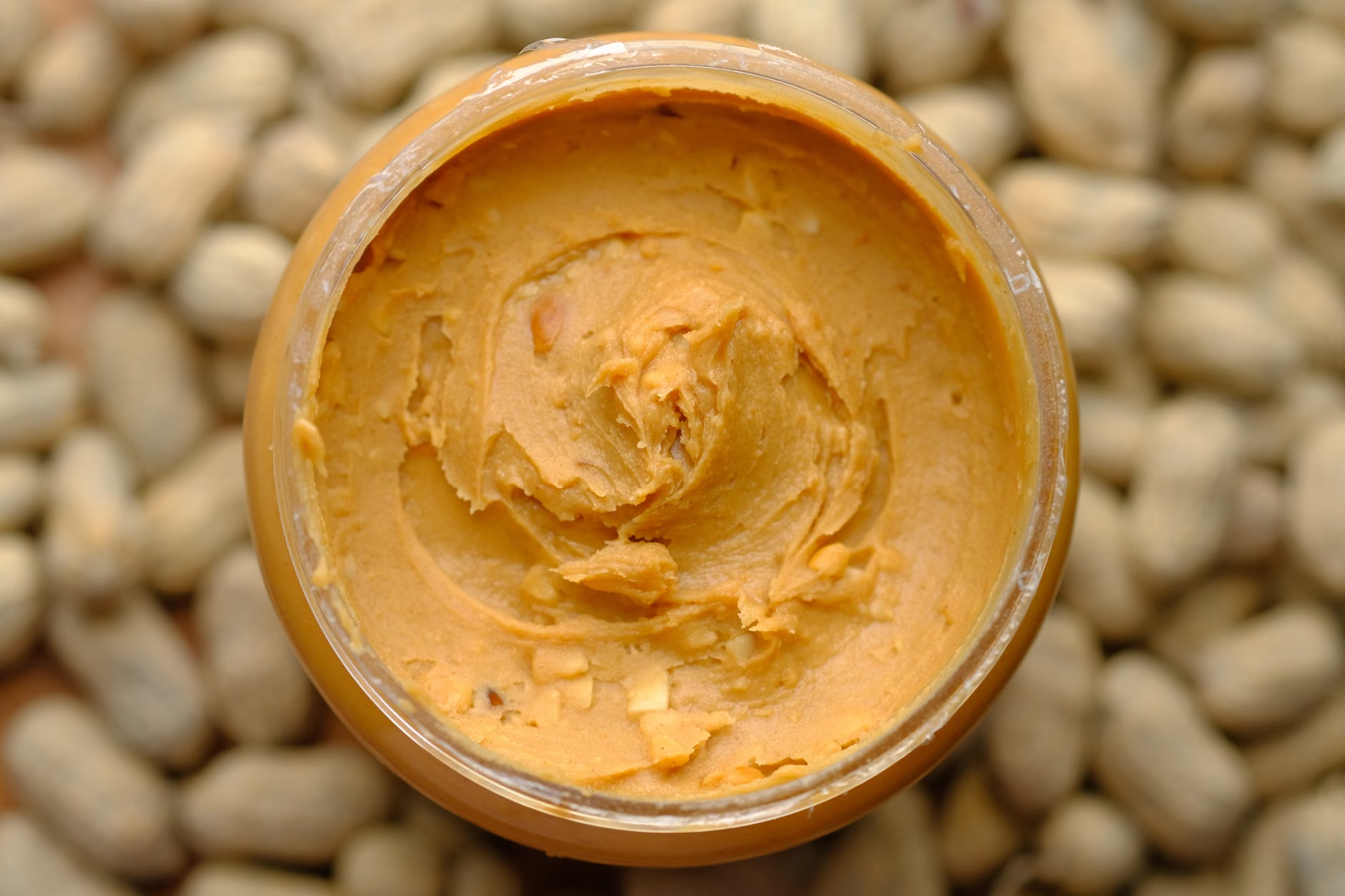
| Peanuts/Nut Butters | ~4-5 mg | A handful or a tablespoon on toast; watch for added sugars. |
| Brown Rice/Whole Grains | ~2-3 mg | Use as a base for stir-fries or grain bowls. |
| Mushrooms | ~2-4 mg | Sauté with garlic for a nutrient-dense side dish. |
The table above illustrates that you don’t need exotic or expensive ingredients to meet your needs. A balanced diet that includes a mix of lean animal proteins and plant-based staples will typically provide the recommended daily allowance (RDA) for most older adults, which is generally around 14 mg for women and 16 mg for men.
The Difference Between Dietary Intake and Supplementation
There is a significant difference between getting B3 from a plate of roasted chicken or a bowl of legumes and taking a high-dose niacin supplement. In the medical community, high-dose niacin has been studied for its effects on cholesterol levels, but it is not a routine recommendation for healthy aging due to potential side effects.
Common side effects of high-dose niacin supplementation include “niacin flush”—a sensation of heat, redness, and itching on the skin—as well as potential risks to liver function and blood sugar levels. For an older adult, these risks can be disproportionately high compared to the potential benefits. Before you purchase a supplement, consider the following checklist:
- Have you tracked your diet? Use a simple food diary for three days to see if you are already consuming enough B3 through food.
- Are you on other medications? Niacin can interact with blood pressure medications, diabetes drugs, and statins.
- What is your goal? If you are looking to improve energy levels, look at your sleep hygiene, hydration, and physical activity levels first, as these are often more impactful than a supplement.

Practical Steps for Managing Your Nutritional Intake
Proactive health management in your 60s and 70s is about creating systems that make healthy choices the path of least resistance. You do not need to obsess over milligrams, but you should be mindful of how your dietary habits support your metabolic needs.
1. Incorporate “Anchor” Foods
Identify 2–3 foods rich in Vitamin B3 that you genuinely enjoy. If you like tuna, keep canned tuna in your pantry as a reliable, easy-access protein. If you prefer plant-based options, ensure you have a variety of nuts and seeds available. Having these “anchor” foods in your kitchen makes it easier to build a meal when you aren’t feeling particularly inspired to cook.
2. Read Nutrition Labels Intelligently
When shopping, look at the “Nutrition Facts” label. Many processed foods are “fortified” with B vitamins. While this can contribute to your daily intake, it is not a substitute for whole-food sources, which come packaged with fiber and other micronutrients. Use fortified products as a convenience, not as your primary source of nutrition.
3. Manage Cooking Methods
Because B3 is water-soluble, it can leach into cooking water if you boil your vegetables or grains for too long. To retain the maximum nutritional value, prefer steaming, roasting, or quick stir-frying. If you do boil your vegetables, consider using the leftover water as a base for soups or stews so that the nutrients are not lost.

True clinical deficiency of Vitamin B3 (known as pellagra) is extremely rare in developed countries and is usually associated with severe malnutrition or specific malabsorption issues. However, mild insufficiencies can occasionally occur if a diet is highly restrictive or if there are underlying digestive concerns that prevent proper nutrient absorption.
Warning signs that may warrant a conversation with your primary care provider include:
- Persistent digestive issues that seem unrelated to specific food triggers.
- Unexplained skin changes, particularly redness or dermatitis that does not respond to standard moisturizing.
- Cognitive changes, such as persistent brain fog or confusion, which can sometimes be linked to severe B-vitamin deficiencies.
If you suspect a nutritional deficiency, do not attempt to “self-correct” with high-dose supplements. Instead, document your symptoms, keep a log of your typical daily diet for a week, and bring this information to your next medical appointment. Your doctor can perform a simple blood test or assess your overall nutritional status to determine if a targeted intervention is necessary.
The Importance of Holistic Metabolic Support
While Vitamin B3 is a vital component of your metabolic engine, it does not work in isolation. Your metabolic health is influenced by a symphony of factors. Think of Vitamin B3 as the high-quality fuel for your car, but remember that the car also needs regular maintenance (exercise), a clean cooling system (hydration), and proper rest (sleep) to run well.
Physical Activity: Regular movement, even gentle walking or resistance training, improves your body’s sensitivity to insulin and its ability to process energy efficiently. This makes the B3 you consume even more effective.
Sleep Hygiene: Chronic sleep deprivation disrupts metabolic hormones. If you are not sleeping well, your body struggles to utilize nutrients effectively, regardless of how “healthy” your diet is.
Hydration: As we age, our sensation of thirst can diminish. Staying hydrated is essential for the transport of water-soluble vitamins like B3 throughout your bloodstream to your cells.
Conclusion: Empowering Your Daily Routine
Optimizing your Vitamin B3 intake is a practical, manageable step toward supporting your metabolic health in your 60s, 70s, and beyond. By focusing on a diverse, whole-food diet, you can naturally provide your body with the coenzymes necessary for cellular energy production. Remember that your goal is not to chase a specific “energy boost” through pills, but to build a steady, reliable nutritional foundation that allows your body to function at its best.
Take a look at your pantry today. Identify which B3-rich foods you already enjoy, and consider how you might incorporate them into one or two more meals this week. Small, consistent changes in your eating habits often yield the most significant long-term benefits for your overall well-being. Always prioritize food over supplements, and consult with your healthcare provider before making any significant changes to your supplement regimen. Your health is a long-term investment, and simple, informed choices are your best tools.
Frequently Asked Questions
1. Can I get too much Vitamin B3 from food?
It is extremely difficult to consume an unsafe amount of Vitamin B3 through food alone. The potential risks associated with “niacin toxicity” almost exclusively stem from the misuse of high-dose synthetic supplements. As long as you are eating a balanced, whole-food diet, you are very unlikely to reach levels that would cause harm.
2. Does cooking destroy the Vitamin B3 in my food?
Vitamin B3 is relatively stable compared to other vitamins, but it is water-soluble. While some B3 may leach into cooking water, it is not destroyed by heat in the same way that heat-sensitive vitamins (like Vitamin C) are. To maximize your intake, try steaming or roasting your vegetables, or use the cooking liquid in soups so you don’t lose the nutrients that have moved into the water.
3. How do I know if I need a Vitamin B3 supplement?
You should only consider a B3 supplement if a healthcare professional has identified a specific deficiency through blood testing. Because B3 interacts with many common medications—including those for blood pressure and cholesterol—it is essential to avoid starting any supplement without medical clearance. If you are concerned about your energy levels, start by optimizing your diet and lifestyle, and discuss your concerns with your doctor during your next check-up.
Official guidance on nutrient requirements can be found through resources such as the National Institutes of Health (NIH) Office of Dietary Supplements. Always consult local health authority guidelines for specific regional dietary recommendations.