- Botany acts as a cognitive workout by combining visual pattern recognition, memory retention, and environmental observation.
- Start small by focusing on local plant families or specific plant parts rather than trying to memorize entire encyclopedias.
- Utilize accessible technology, such as identification apps and digital field guides, to bridge the gap between curiosity and expert knowledge.
The Intersection of Curiosity and Cognitive Function
Learning beginner botany is more than a pastime; it is a structured cognitive exercise that engages multiple regions of the brain. When we observe the subtle differences between plant species, we are practicing sustained attention, memory, and visual-spatial processing. For adults aged 60 to 80, this hobby offers a low-stress, high-reward environment where the “classroom” is the garden, the local park, or even the living room windowsill.
Unlike abstract puzzles, botany provides a tangible connection to the natural world. It encourages us to look closer, notice the rhythm of the seasons, and understand the biological mechanisms that sustain life. This article explores how to begin your botanical journey, the tools that make it accessible, and how to turn observation into a rewarding daily habit.
Why Botany is an Ideal Cognitive Pursuit
The primary cognitive benefit of botany lies in pattern recognition. Every plant has a unique “architecture”—the way leaves are arranged on a stem, the shape of the petals, and the texture of the bark. When you identify a plant, you are essentially solving a complex visual puzzle. This requires you to compare features against a mental or physical database, a process that stimulates neuroplasticity.
The Role of Observation
Observation is the bedrock of botany. It forces us to slow down and shift from “seeing” to “looking.” By focusing on minute details—such as whether a leaf edge is serrated or smooth—you train your brain to filter out irrelevant visual noise and focus on diagnostic characteristics. This skill carries over into daily life, helping to maintain sharp focus and detail-oriented thinking in other activities.
Memory and Classification
Botany introduces a logical framework through classification. While you do not need to become a taxonomic expert, learning the basic groupings (such as monocots versus dicots) creates a mental filing system. This helps organize new information, making it easier to retain what you learn. It is the difference between remembering a random list of words and understanding how those words relate to one another in a sentence.
Establishing Your First Botanical Project
The most common mistake beginners make is attempting to “learn all the plants” at once. This leads to information overload and burnout. Instead, treat your entry into botany as a series of small, manageable projects. Here is a recommended framework for your first month.
Step-by-Step Learning Framework
| Week | Focus Area | Goal |
|---|---|---|
| Week 1 | Leaf Morphology | Identify 5 different leaf shapes in your immediate environment. |
| Week 2 | Plant Arrangement | Observe how leaves grow (opposite, alternate, or whorled). |
| Week 3 | Flowering Structures | Examine the parts of one flower (petals, sepals, stamens). |
| Week 4 | The “Local Five” | Learn the names and specific traits of 5 plants in your yard or park. |
This structure prevents the “paralysis of choice.” By narrowing your scope, you ensure that every session results in a concrete accomplishment. If you feel overwhelmed, return to the “Leaf Morphology” stage. It is always possible to find a new leaf to examine, even in the middle of winter.

Essential Tools for the Modern Amateur Botanist
You do not need an expensive laboratory to study botany. In fact, the most essential tools are often already in your home or are highly affordable. However, selecting the right tools can significantly reduce physical strain and improve your learning efficiency.
The Digital Toolkit
Modern identification apps, such as iNaturalist or Seek, have revolutionized amateur botany. These apps use image recognition to provide high-probability identifications. Crucially, do not treat these apps as the final word. Use them as a starting point. When an app provides a name, look it up in a reputable field guide to confirm the identification. This cross-referencing is where the real learning happens.
Physical Tools for Comfort and Safety
- Magnifying Lens (Hand Lens): A 10x magnification lens is sufficient for most botanical work. It reduces eye strain and allows you to see features that are invisible to the naked eye, such as tiny hairs on a stem or the structure of an anther.
- Sturdy Field Guide: Choose a guide specific to your region. A general “world of plants” book is often too broad. Regional guides focus on the specific species you are likely to encounter, making identification much faster.
- Comfortable Seating: If you are observing plants in a garden or park, bring a lightweight, foldable stool. Prolonged squatting or bending can strain the back and knees. Maintaining a comfortable posture allows you to focus on the plant rather than your physical discomfort.
Common Misconceptions and Reality Checks
Many people assume that botany requires a background in chemistry or biology. This is a myth. Botany is an observational science. You do not need to know the chemical composition of photosynthesis to appreciate the shape of a leaf or the way a plant tracks the sun.
The “Expert” Trap
Do not be intimidated by scientific names (the Latin binomials). While these names are useful for precision, they are not strictly necessary for the beginner. Start with common names. If you find yourself wanting to know more, the Latin names will naturally follow as you develop your interest. Think of it as learning the names of your neighbors; you start with “the person in house number four” and eventually learn their formal name over time.
The Seasonal Variable
Botany is a year-round hobby, but it changes with the seasons. In spring, your focus might be on flower structures. In autumn, you might shift to seed dispersal and leaf color change. In winter, you can study the “architecture” of trees—the way their branches spread against the sky. Being aware of these shifts helps you adjust your expectations and keeps the hobby fresh throughout the year.
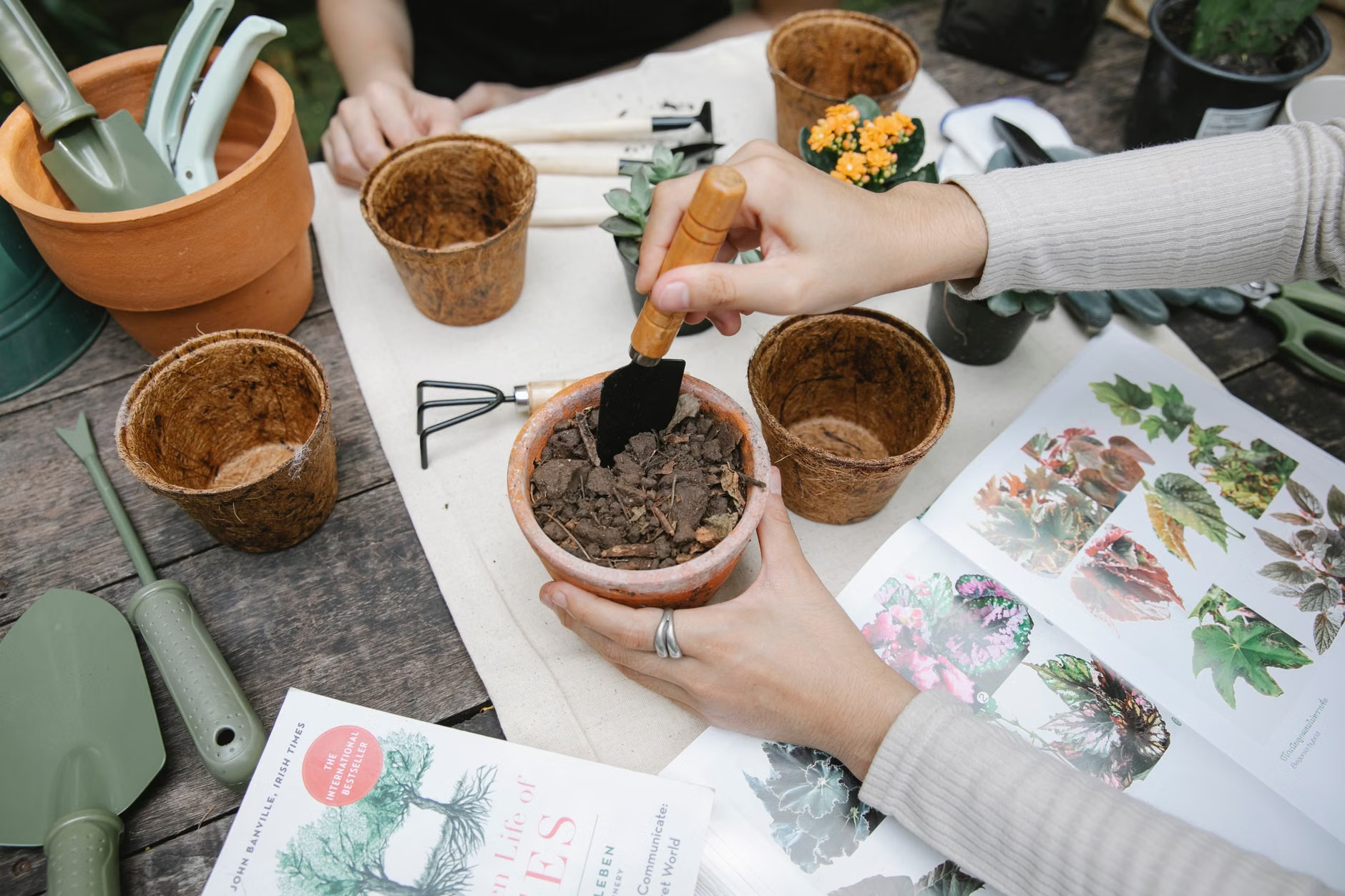
For some, the dream of “botanizing” in the wilderness might be limited by mobility or stamina. However, botany is uniquely adaptable to different levels of physical ability. If walking long distances is a challenge, shift your focus to “micro-botany.”
Micro-botany involves bringing the plants to you. A single potted plant on your balcony or windowsill can provide months of study. You can observe the daily growth, the way it responds to water, and the subtle changes in its leaves. This removes the need for travel and strenuous activity while providing the exact same cognitive benefits as studying a forest.
If you have vision limitations, consider using a magnifying lamp or high-contrast printed materials. Botany is a multi-sensory experience; you can also learn to identify plants by their scent, the texture of their leaves, or the sound their seeds make when they dry. These sensory inputs are just as valid as visual observations and engage different parts of the brain, potentially deepening your cognitive engagement.
Integrating Botany into Daily Life
To make botany a sustainable habit, integrate it into your existing routines. If you take a daily walk, pick one plant to look at each day. If you enjoy coffee in the morning, spend five minutes observing the plants on your windowsill. The key is consistency rather than intensity.
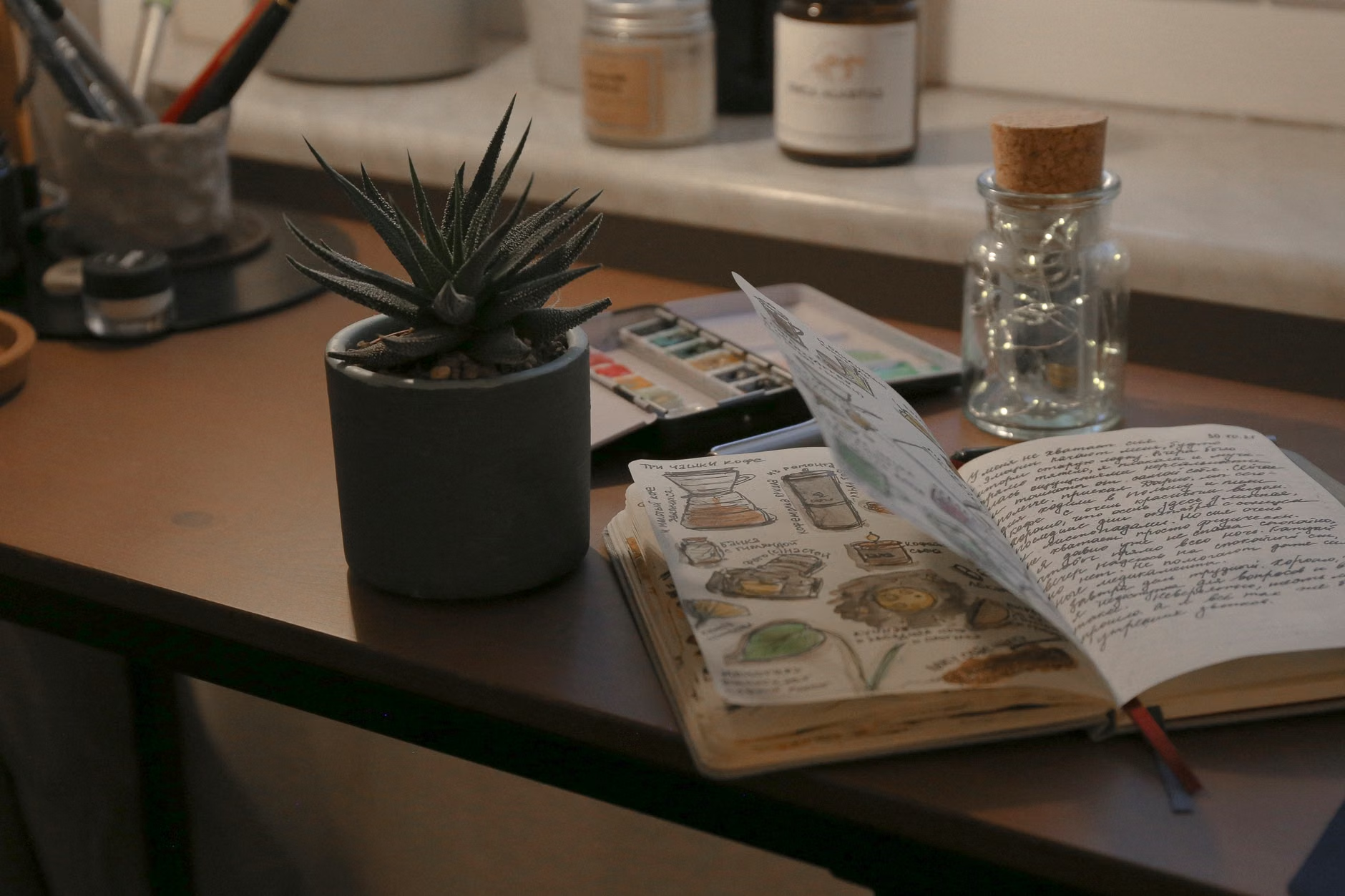
Keep a simple notebook. You do not need to be an artist; a simple sketch of a leaf shape or a note about when a plant started flowering is sufficient. This notebook acts as a record of your progress and a cognitive anchor. Looking back at entries from a month ago reinforces memory and provides a sense of accomplishment.
When to Seek Further Knowledge
If you find that your interest is growing beyond casual observation, consider joining a local botanical society or a community garden group. These organizations often have members with varying levels of expertise. They are excellent for socialization and provide a structured environment to share findings. However, always prioritize your own comfort and pace. If a group excursion requires more walking than you are comfortable with, suggest a meeting at a local park with known benches and accessible paths.
Conclusion: The Lasting Value of Inquiry
The joy of learning beginner botany lies in the realization that there is always something new to see, even in familiar places. It is a hobby that rewards patience, curiosity, and the simple act of paying attention. By breaking down the complex world of plants into small, observable parts, you provide your brain with a continuous, stimulating, and deeply satisfying workout.
Start today by choosing one plant in your immediate vicinity. Look at its leaves, touch its stem, and ask yourself a simple question about how it grows. This is the first step in a lifelong journey of discovery. You are not just learning about plants; you are cultivating your own cognitive resilience, one observation at a time.
Frequently Asked Questions
1. Do I need to buy expensive equipment to start learning botany?
No. You can begin with nothing more than your eyes and a notebook. A basic 10x magnifying lens is an inexpensive tool that significantly enhances your ability to observe details, but it is not required for the very first steps. Start with what you have and add tools only when you feel they would genuinely improve your experience.
2. Is it difficult to learn the scientific (Latin) names of plants?
It is not necessary to learn them immediately. Most amateur botanists start with common names. Scientific names are essentially a secondary language that you can pick up slowly over time. Treat them as a “bonus” rather than a requirement, and you will find the process much less daunting.
3. Can I practice botany if I have limited mobility?
Absolutely. Botany is highly adaptable. You can practice “micro-botany” by observing potted plants, a small herb garden, or even the weeds that appear in sidewalk cracks. The cognitive benefits come from the act of observation, not from the size or location of the plant. If you cannot get to the plants, focus on the ones that you can reach easily.
Official resources for further learning: