- Prioritize Surface Quality: Historic plazas often feature uneven cobblestones; always verify the terrain before booking a tour to ensure it is suitable for your mobility level or assistive devices.
- The “Rest-to-Movement” Ratio: A sustainable pace for a historic art tour involves 20 minutes of walking followed by at least 10 minutes of seated observation to prevent fatigue and manage stamina.
- Accessibility Verification: Do not rely on generic “accessible” labels; contact tour operators directly to confirm specific needs, such as the availability of elevators in nearby museums or the distance to the nearest accessible restroom.
Choosing Tours That Balance History and Mobility
Historic plazas are the living rooms of the world’s most famous cities. They are where architecture, sculpture, and social history intersect. However, for the independent traveler aged 60 to 80, these spaces often present unique challenges—from uneven paving and lack of shade to significant distances between points of interest. Selecting an art tour that respects your physical comfort while providing deep cultural engagement requires a shift from “seeing everything” to “experiencing quality.”
This guide provides a framework for evaluating tours, ensuring that your next trip is defined by the art you see, not the physical strain you endure. We will look at how to assess terrain, pacing, and the logistical support required to make historic plaza tours both safe and rewarding.
Evaluating the Physical Environment of Historic Plazas
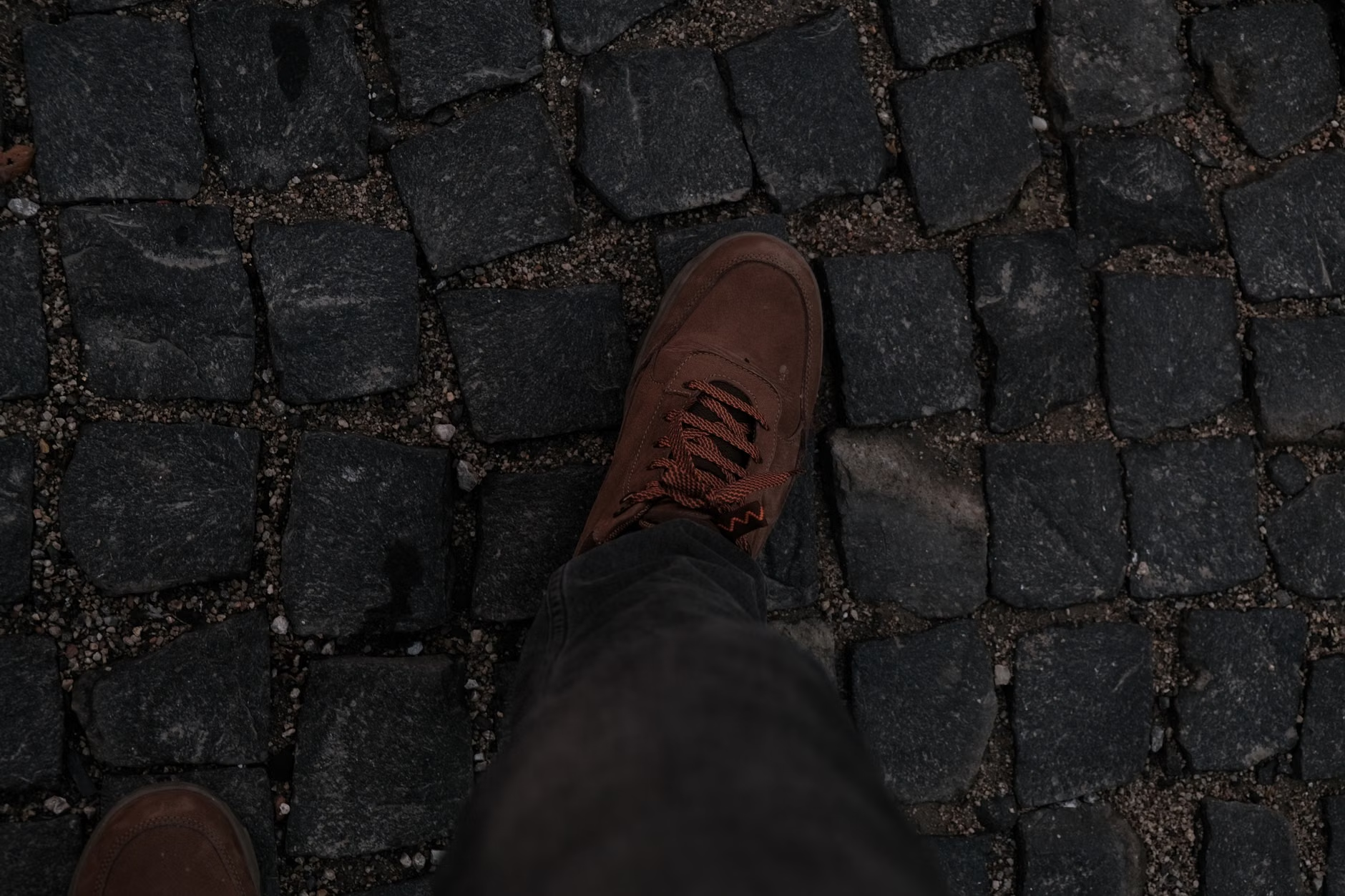
The charm of a historic plaza often lies in its original architecture, which frequently includes 17th or 18th-century cobblestones. While beautiful, these surfaces can be a significant hazard for those with balance concerns or those using walking aids. When evaluating a tour, your first step should be to investigate the “ground truth” of the location.
Assessing Terrain and Accessibility
Not all historical sites are created equal regarding accessibility. A plaza that appears flat on a map may have a slight, persistent incline or gaps between stones that can catch a wheel or a heel. Before selecting a tour, follow this verification process:
- The Satellite View Check: Use online map services to look at the plaza in “street view.” Look for the presence of smooth, paved paths (often found in newer renovations) compared to original, uneven stone.
- Public Transport Proximity: Determine where the tour bus or public transit drops you off. If the drop-off point is more than 300 meters from the plaza, consider the cost and availability of a taxi or specialized shuttle to minimize “approach” walking.
- Gradient Awareness: Many historic city centers were built on hills for defensive purposes. If a tour mentions “Old Town” or “Hilltop,” expect significant inclines. Look for tours that utilize funiculars or elevators to bypass these sections.
The Importance of Seating and Rest Points
A common mistake in tour selection is assuming that a plaza will have public benches. In many high-traffic tourist areas, seating is intentionally limited to prevent overcrowding. When you are looking at a tour itinerary, ask the operator: “What is the longest duration of standing required without a seat?” If they cannot provide a clear answer, assume the answer is “the entire duration of the tour.”
Practical Strategy: Consider bringing a lightweight, foldable cane-seat. These devices serve as both a walking aid and a portable rest station, granting you the independence to stop and admire a sculpture whenever you feel the need, rather than waiting for a group break.
Designing Your Personal Pacing Strategy
The goal of a senior-friendly art tour is to maintain your energy for the duration of the trip. Fatigue is not just about exhaustion; it is about the loss of focus and the increased risk of trips or falls. A well-designed tour follows a “rhythmic” structure.
The 20-10-20 Rule
Adopt this simple heuristic for your daily itinerary: 20 minutes of active exploration, 10 minutes of seated observation, and 20 minutes of total transit or transition time. This structure allows you to engage with the art while keeping your heart rate and muscle fatigue within manageable levels.
| Activity Type | Typical Duration | Accessibility Consideration |
|---|---|---|
| Guided Plaza Walk | 45–60 Minutes | Verify if the tour allows for “slow-walking” groups. |
| Sculpture/Art Viewing | 15–20 Minutes | Check for shade and nearby seating options. |
| Rest/Hydration Break | 20 Minutes | Locate a café or park bench in advance. |
This table helps you visualize the flow of a day. If a tour company proposes three hours of continuous walking in a historic district, it is likely unsuitable unless they have built-in, specific rest stops. Always prioritize tours that limit the group size to under 12 people, as smaller groups move more cohesively and are easier for guides to manage safely.

Practical Logistics: Beyond the Brochure
When you read a brochure for a “Historic Plaza Art Tour,” it will naturally highlight the beauty of the statues and the significance of the architecture. It will rarely mention the logistics that actually determine your comfort. You must be the advocate for your own needs.
The “Restroom-First” Planning Method
Accessibility is not just about walking; it is about infrastructure. Before heading out, use a mobile app or local government website to map out public, accessible restrooms along the tour route. Do not rely on the assumption that a nearby café will let you use the restroom if you are not a paying customer. Knowing the location of a clean, accessible facility reduces anxiety and allows you to enjoy the art without constant distraction.
Digital Tools for the Modern Senior Traveler
Modern technology can significantly lower the barrier to entry for historic tours. Utilize tools that provide:
- Real-time Accessibility Mapping: Applications like Wheelmap or city-specific accessibility guides (often provided by local tourism boards) offer data on curb cuts, elevator locations, and smooth-path routes.
- Digital Audio Guides: If you find large groups difficult to follow due to background noise or the pace, consider “self-guided” audio tours. These allow you to pause, sit, and listen to the history of a sculpture at your own speed, completely on your own terms.

Safety and Preventive Health Considerations
Travel is an exercise in managing variables. When visiting historic plazas, the primary variables are heat, hydration, and stability.
Managing Environmental Factors
Historic plazas are often “heat islands.” The stone and concrete absorb heat throughout the day, creating temperatures significantly higher than in shaded streets. If you are traveling in summer, plan your art tours for the early morning (before 10:00 AM) or late afternoon (after 4:00 PM). Avoid the midday sun entirely. If you feel lightheaded or excessively tired, it is a clear signal to end the activity and seek a cool, indoor environment. Do not attempt to “push through” the remaining part of the tour.
Footwear and Stability
Your choice of footwear is the single most important safety decision you will make. Avoid fashion-forward shoes in favor of those with specialized grip and arch support. If you are prone to joint discomfort, consider using trekking poles—even in a city setting. They provide two additional points of contact with the ground, which is invaluable when navigating uneven cobblestones or unexpected steps.
Choosing the Right Tour Operator
Not all tour operators are equipped to handle the needs of older adults. When inquiring about a tour, ask these three specific questions to gauge their suitability:
- “What is the average walking distance in meters for this tour?” A professional operator should be able to provide an estimate. If they say “it’s not far,” push for a number.
- “How many stairs are involved in the route?” Even a small flight of stairs can be a barrier for some. If they cannot answer, they have not adequately planned the route for all mobility levels.
- “Is there a dedicated ‘slow-paced’ group or an option to skip certain sections by taxi?” Flexibility is a hallmark of a high-quality, senior-friendly service.
Avoid any tour that offers a “fast-paced” or “high-intensity” option. These are often designed for younger demographics and will likely leave you behind or exhausted. Instead, look for tours labeled as “leisurely,” “panoramic,” or “accessible.”
The Value of Local Knowledge
The best resource for a senior traveler is often the local tourism office. Unlike private tour operators who are trying to sell a specific product, local government tourism offices are usually mandated to provide information on accessibility. They can provide maps that highlight pedestrian-only zones, the location of public elevators, and even the “flattest” walking routes between major plazas. Before you book a private tour, check the official website of the city’s tourism board—search for “[City Name] accessibility guide.” This is often a goldmine of information that private companies overlook.
Conclusion: Empowered Exploration
Historic plaza art tours are a magnificent way to connect with the heritage of a city. By proactively managing your environment—choosing the right time of day, verifying terrain, and maintaining a sustainable pace—you can enjoy these spaces with confidence. Remember that your comfort and safety are the foundations upon which your enjoyment rests. Do not hesitate to customize your experience, prioritize your rest, and utilize the tools available to make your travel as smooth as it is memorable.
Ultimately, the most successful travelers are those who listen to their bodies. If a particular plaza is too crowded or the terrain too challenging, there is no shame in choosing a different location or a different way to view the art. The history of the plaza will be there tomorrow; your well-being is the priority today.
Frequently Asked Questions
1. How do I know if a historic plaza is truly accessible?
Do not rely on the word “accessible” in a brochure, as definitions vary globally. Use Google Maps “Street View” to inspect the paving materials yourself. Look for wide, flat paths and avoid areas that appear to be nothing but deep-set, irregular cobblestones. Additionally, search for the official city tourism website to find their specific “accessibility map,” which often details where public elevators and ramps are located.
2. Should I hire a private guide or join a group tour?
For those aged 60 to 80, a private guide is often superior because they can tailor the pace to your specific stamina. If you prefer a group setting, choose a “small group” tour (limited to 10-12 people) and contact the operator beforehand to confirm that they cater to a slower walking pace. Avoid “free walking tours” that rely on tips, as these are often designed for high-speed, high-volume groups that may not be suitable for your needs.
3. What should I do if I start to feel exhausted during a tour?
Always have an “escape plan.” Before you begin the tour, identify the nearest taxi rank, bus stop, or metro station on a map. If you feel tired, alert the guide immediately—they are trained to help you leave the group safely or find a place to rest. Never feel pressured to keep up with the group if it compromises your physical comfort or safety. Your priority is to enjoy the experience at a pace that is sustainable for you.
For further information on accessible travel standards, you may consult the UN World Tourism Organization’s guidelines on accessible tourism.