- Active Noise-Canceling (ANC) headphones significantly reduce low-frequency engine drone, which helps prevent sensory fatigue and travel-related irritability.
- For seniors with hearing aids, modern “transparency mode” allows you to filter out background noise while still hearing important announcements or conversations.
- Choosing between over-ear and in-ear models depends on your comfort preference, ear sensitivity, and how long you intend to wear them during transit.
For many older travelers, the joy of reaching a destination is often marred by the physical and mental toll of the journey itself. The constant hum of airplane engines, the screeching of train tracks, and the chaotic din of busy terminals create a high-stress environment. Research indicates that prolonged exposure to high-decibel ambient noise can increase cortisol levels, disrupt sleep, and exacerbate sensory fatigue—a condition that leaves travelers feeling drained before they even arrive.
Digital noise-reduction technology, specifically Active Noise-Canceling (ANC), offers a practical solution to reclaim your personal space during transit. By converting sound waves into “anti-noise,” these devices create a quiet sanctuary, allowing you to enjoy your journey with improved comfort and mental clarity. This guide explores how to select, use, and integrate this technology into your travel routine to ensure a smoother, more restful experience.
Understanding Active Noise-Canceling (ANC) Technology
To make an informed decision, it is important to understand what ANC actually does. It is not merely “ear muffs” that block sound; it is a sophisticated electronic process.
How ANC Works
ANC technology utilizes tiny microphones embedded in the headphones to listen to the ambient noise around you. An internal processor creates an inverted sound wave—essentially a mirror image of the noise—that cancels out the unwanted sound before it reaches your eardrums. This is particularly effective at muting “constant” sounds, such as:
- The low-frequency rumble of a jet engine.
- The rhythmic clacking of train wheels.
- The steady hum of ventilation systems in buses or terminals.
It is important to note that while ANC is excellent at dampening low-frequency drones, it is less effective at blocking sudden, sharp sounds like a crying infant or a loud public announcement. This “limitation” is actually a safety benefit, as it ensures you remain aware of your immediate surroundings while still significantly reducing your overall stress levels.
Selecting the Right Equipment for Your Needs
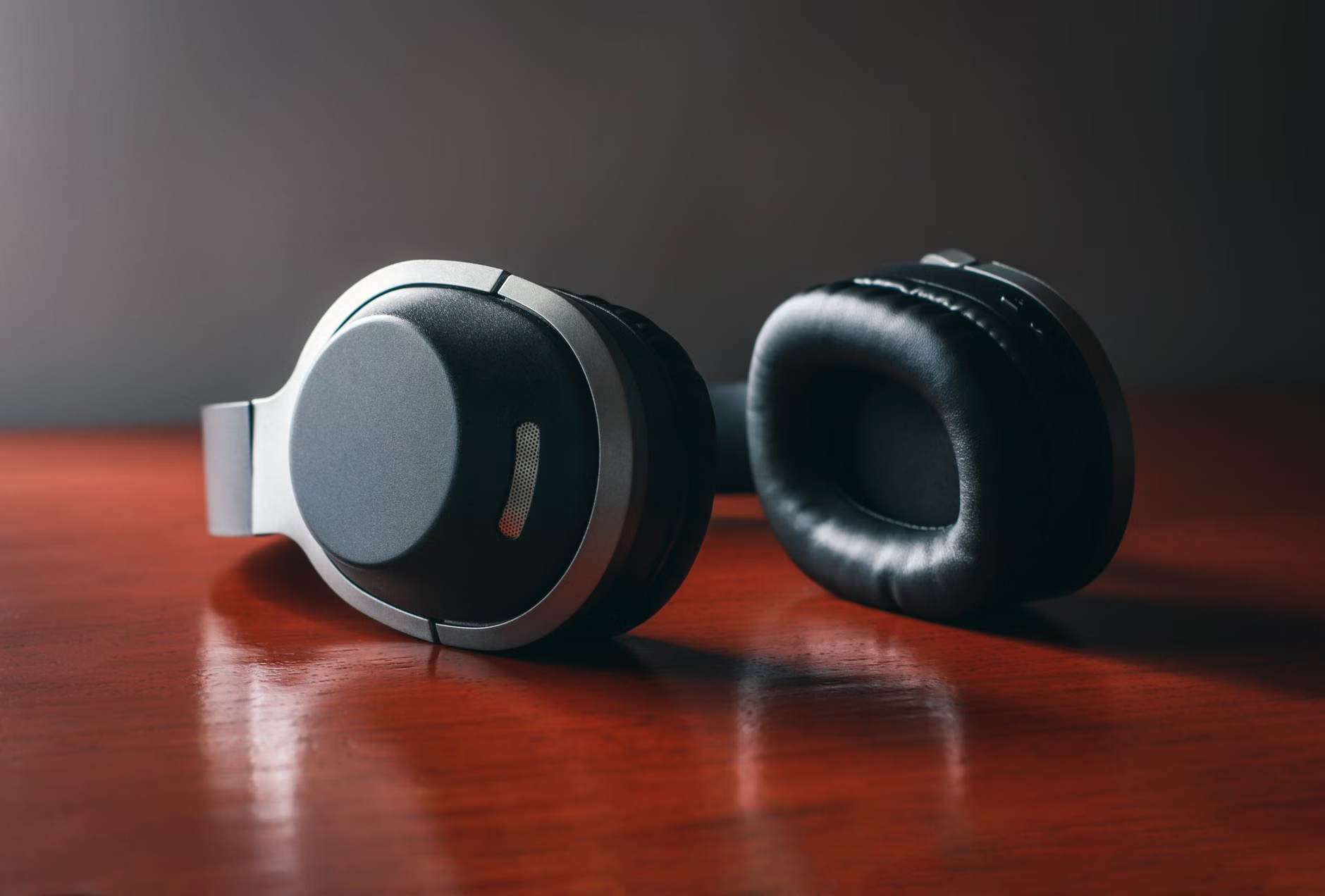
When selecting a device, you must prioritize comfort, battery life, and compatibility with your existing hearing aids if applicable. Not all headphones are designed for the specific ergonomic needs of older adults.
Over-Ear vs. In-Ear Models
| Feature | Over-Ear (Circumaural) | In-Ear (Earbuds) |
|---|---|---|
| Comfort | Higher; distributes pressure around the ear. | Can cause irritation with prolonged use. |
| Battery Life | Generally longer (20-40+ hours). | Shorter (requires frequent case charging). |
| Portability | Bulky; takes up space in carry-on. | Highly portable; fits in a pocket. |
| Sound Quality | Superior for music and audiobooks. | Good, but dependent on a proper seal. |
Decision Rule: If your primary goal is long-haul comfort during a flight, Over-Ear headphones are generally superior. They do not put pressure inside the ear canal, making them ideal for individuals who experience ear sensitivity or wear glasses. However, if you travel light and prefer discreet gear, In-Ear models are excellent for shorter train or bus journeys.
Integrating Noise-Reduction with Hearing Aids
Many seniors worry that using noise-reduction technology will interfere with their hearing aids. In reality, modern technology has bridged this gap, allowing for a seamless experience.
The “Transparency Mode” Advantage
Most high-quality ANC headphones now feature a “Transparency” or “Ambient” mode. This allows you to switch off the noise-canceling effect instantly to hear the world around you. If you wear hearing aids, you have two primary options:
- Streaming-Capable Hearing Aids: Many modern hearing aids now have built-in Bluetooth technology. You can stream audio directly to your hearing aids, which effectively acts as a personalized noise-reduction system.
- Headphones Over Hearing Aids: If your hearing aids are small, some users find success wearing over-ear headphones directly over them. However, this can cause feedback (a whistling sound). Always test this configuration at home before attempting it in a transit environment.
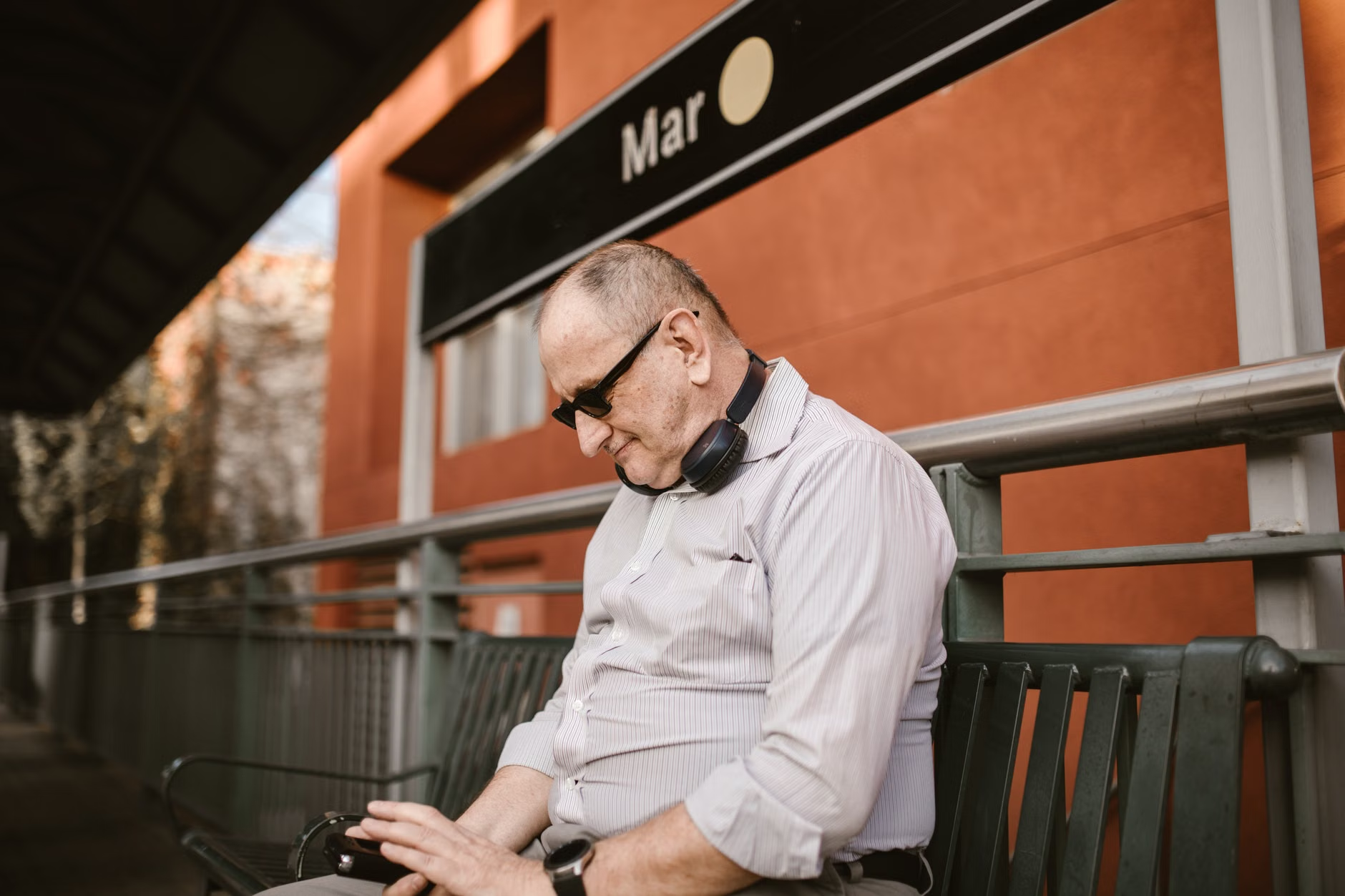
Safety Note: If you are traveling alone, ensure you are comfortable toggling between ANC and Transparency modes. You should be able to quickly hear gate announcements or staff instructions without having to remove your device entirely.
Practical Steps for a Stress-Free Journey
Technology is only as useful as your preparation. Follow these steps to optimize your transit experience:
1. Pre-Travel Preparation
- Charge Everything: Ensure your devices are fully charged the night before. Most modern ANC headphones support “fast charging,” where 10 minutes of charging provides several hours of use.
- Test the Fit: Wear your headphones for at least two hours at home while performing daily tasks. This ensures you are aware of any pressure points or discomfort before you are stuck on a plane or train.
- Download Content: Do not rely on streaming services in transit. Download your favorite music, audiobooks, or podcasts for offline access.
2. Managing the Transit Environment
When you board your transport, follow this sequence:
- Settle In: Stow your carry-on luggage and get comfortable in your seat.
- Activate ANC: Once seated, activate the ANC mode. Notice the immediate drop in the “floor noise” of the cabin or carriage.
- Set Your Volume: A common mistake is cranking the volume to drown out noise. With ANC, you can keep the volume at a lower, safer level for your long-term hearing health.
- Use for Sleep: Even if you aren’t listening to audio, keeping the ANC active without sound can provide a “blanket of silence” that helps you drift off to sleep more easily.
Addressing Common Misconceptions
There are several myths regarding noise-canceling technology that often prevent older adults from trying it. Addressing these can help you feel more confident in your purchase.
“It creates a pressure sensation in my ears.”
Some users report a feeling of “ear pressure” similar to changing altitude when they first turn on ANC. This is a common phenomenon caused by the brain processing the sudden lack of ambient noise. For the vast majority of users, this sensation fades within a few minutes of use. If it persists, look for models with “adjustable noise cancellation,” which allows you to set the level of intensity to a more comfortable, lower setting.
“It’s too complicated to learn.”
While the marketing for these devices often targets younger tech-savvy users, the actual operation is usually very simple. Most devices have a single physical button to toggle between ANC and Transparency modes. You do not need to be a technology expert to benefit from them; once paired with your smartphone or tablet, the device will remember the connection for future trips.
Health and Well-being Benefits
Beyond the simple comfort of quiet, there are tangible health benefits to reducing your exposure to noise during travel.
Reducing Sensory Fatigue
Sensory overload occurs when the brain is bombarded with more information than it can process. In a travel setting, this includes the noise of the engine, the visual clutter of the terminal, and the physical discomfort of the seat. By removing the “noise” component, you allow your brain to focus its energy on relaxation, which can significantly reduce travel-related headaches and mental exhaustion.
Protecting Your Hearing
If you have ever found yourself turning up your music or movie volume to compete with the roar of an airplane engine, you are putting your hearing at risk. By using ANC, you can keep your listening volume at a significantly lower level. This simple habit preserves your hearing acuity, which is essential for maintaining social connections and communication as you age.
Considerations for Different Modes of Transit
Not all transit environments are the same, and your strategy should adapt accordingly.
Air Travel
Airplanes have a very constant, low-frequency drone. This is the “ideal” environment for ANC technology. You will find that these headphones are most effective here, providing a stark contrast between the noisy cabin and your quiet personal bubble.
Train Travel
Trains involve more intermittent noise, such as announcements and the clicking of wheels over track gaps. Use your headphones to create a consistent soundscape, but stay alert for station announcements. If you are on an international train, check if there are specific quiet carriages available.
Bus or Coach Travel
Buses often have more vibrations and road noise than trains. Ensure your headphones have a sturdy fit, as the constant road vibration can sometimes cause looser-fitting earbuds to migrate or fall out.
Maintaining Your Equipment
To ensure your investment lasts, follow these simple maintenance tips:
- Keep them clean: Use a soft, dry cloth to wipe down the ear pads after each trip.
- Protect them: Always store your headphones in their hard-shell case when not in use to prevent damage to the delicate internal microphones.
- Update firmware: If your headphones have a companion app, check for updates periodically. These updates often improve the noise-canceling algorithm, making the device work even better over time.
Conclusion: Investing in Your Comfort
Travel should be an enriching experience, not an endurance test. By leveraging digital noise-reduction, you can shield yourself from the most draining aspects of modern transit. Whether you choose a high-end pair of over-ear headphones or a compact set of earbuds, the investment in a “quiet journey” will pay dividends in the form of reduced stress, better sleep, and more energy upon arrival at your destination.
Take the time to research a model that fits your specific needs, and do not hesitate to ask for a demonstration at a local electronics store. Prioritizing your sensory comfort is a proactive step toward maintaining your independence and joy in travel for years to come.
Frequently Asked Questions
- 1. Can I use noise-canceling headphones during takeoff and landing?
- Yes, most airlines allow the use of Bluetooth headphones during all phases of flight, provided they are in “flight mode” or you follow the crew’s specific instructions regarding electronic devices. Always check the airline’s policy before your flight.
- 2. Will these headphones work if I don’t listen to music?
- Absolutely. You can turn on the noise-canceling feature without playing any audio. This is a very popular way for travelers to simply enjoy a quiet environment for napping or reading during transit.
- 3. Are there cheaper alternatives to the big-name brands?
- Yes, there are many mid-range brands that offer excellent ANC performance. Look for reviews that specifically mention “ANC effectiveness” and “comfort for long-wear.” You do not necessarily need the most expensive model to get a significant improvement in your travel experience.
For further information on hearing health and travel safety, you can consult resources from the World Health Organization regarding safe listening practices.