- Pelvic tilts are a low-impact, foundational movement that helps maintain lumbar spine flexibility and reduces stiffness common in adults aged 60 to 80.
- Consistency over intensity is the goal; performing 5 to 10 gentle repetitions daily is more effective for long-term mobility than sporadic, high-effort sessions.
- Stop immediately if you experience sharp or radiating pain; these movements should feel like a gentle stretch, not a source of discomfort.
Lower back stiffness is one of the most common physical challenges for adults entering their 60s, 70s, and beyond. As the spine experiences the natural effects of aging—including decreased disc hydration and changes in muscle elasticity—maintaining range of motion becomes essential for daily tasks like walking, reaching, and sitting comfortably. The seated pelvic tilt is a highly effective, low-risk movement that targets the lumbar spine and the muscles surrounding the pelvis, helping to restore fluid movement to an area that often becomes rigid through prolonged sitting.
Understanding the Pelvic Tilt: Why It Matters for Your Spine
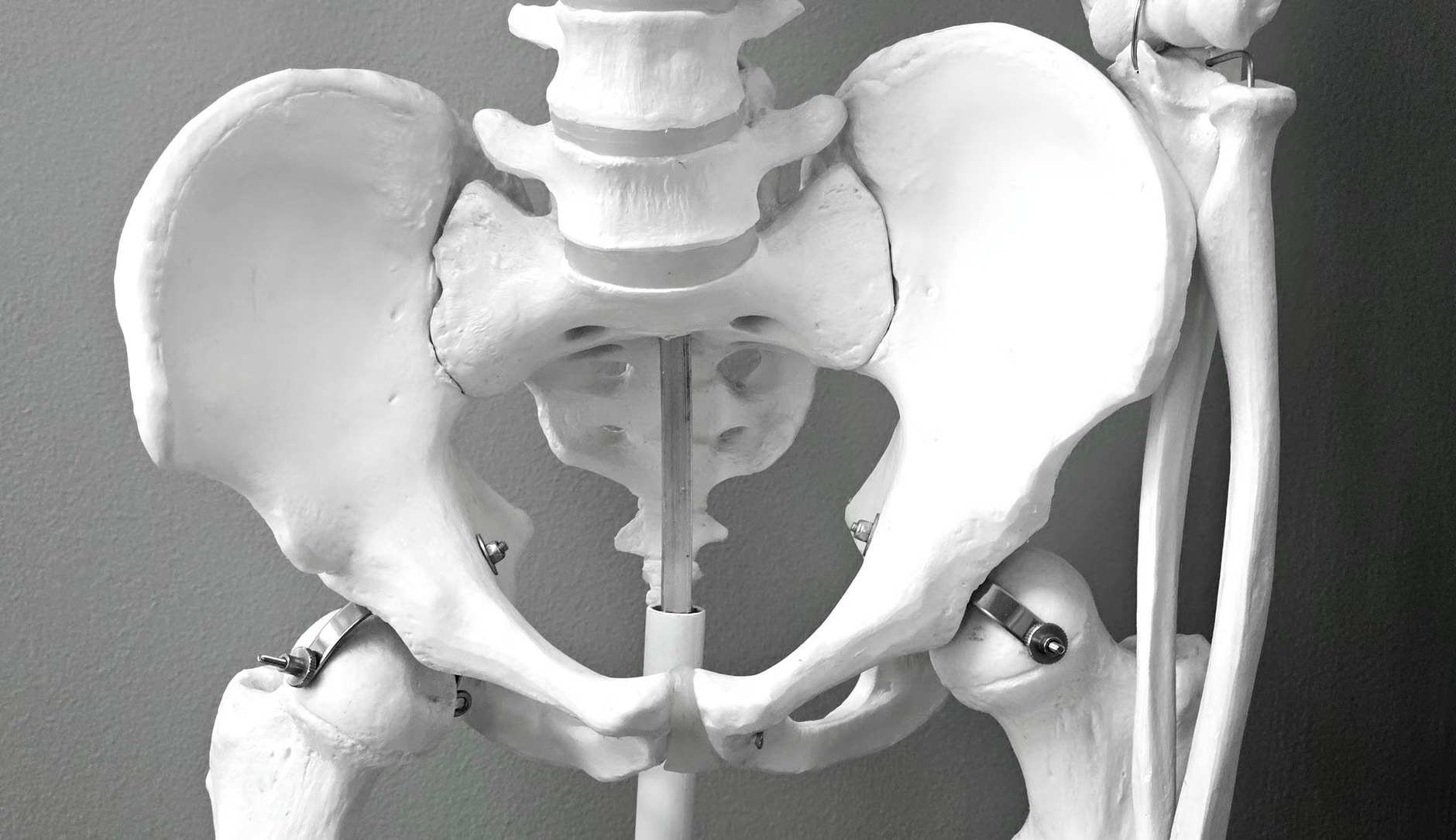
The pelvis serves as the foundation for your spine. When the pelvis is “locked” in one position, the lower back (lumbar region) often has to compensate by bearing excessive pressure. A pelvic tilt is simply the act of rocking the pelvis forward and backward. By performing this while seated, you remove the challenge of balancing on your feet, allowing you to focus entirely on the movement of the lower vertebrae.
For many older adults, the lower back becomes stiff due to “postural locking.” This happens when we sit for long periods with a slumped posture or stand with a fixed arch. The pelvic tilt forces the muscles of the lower back and abdomen to engage, encouraging blood flow and lubricating the facet joints of the spine. Think of it as “waking up” the lower back muscles that have become dormant or tight.
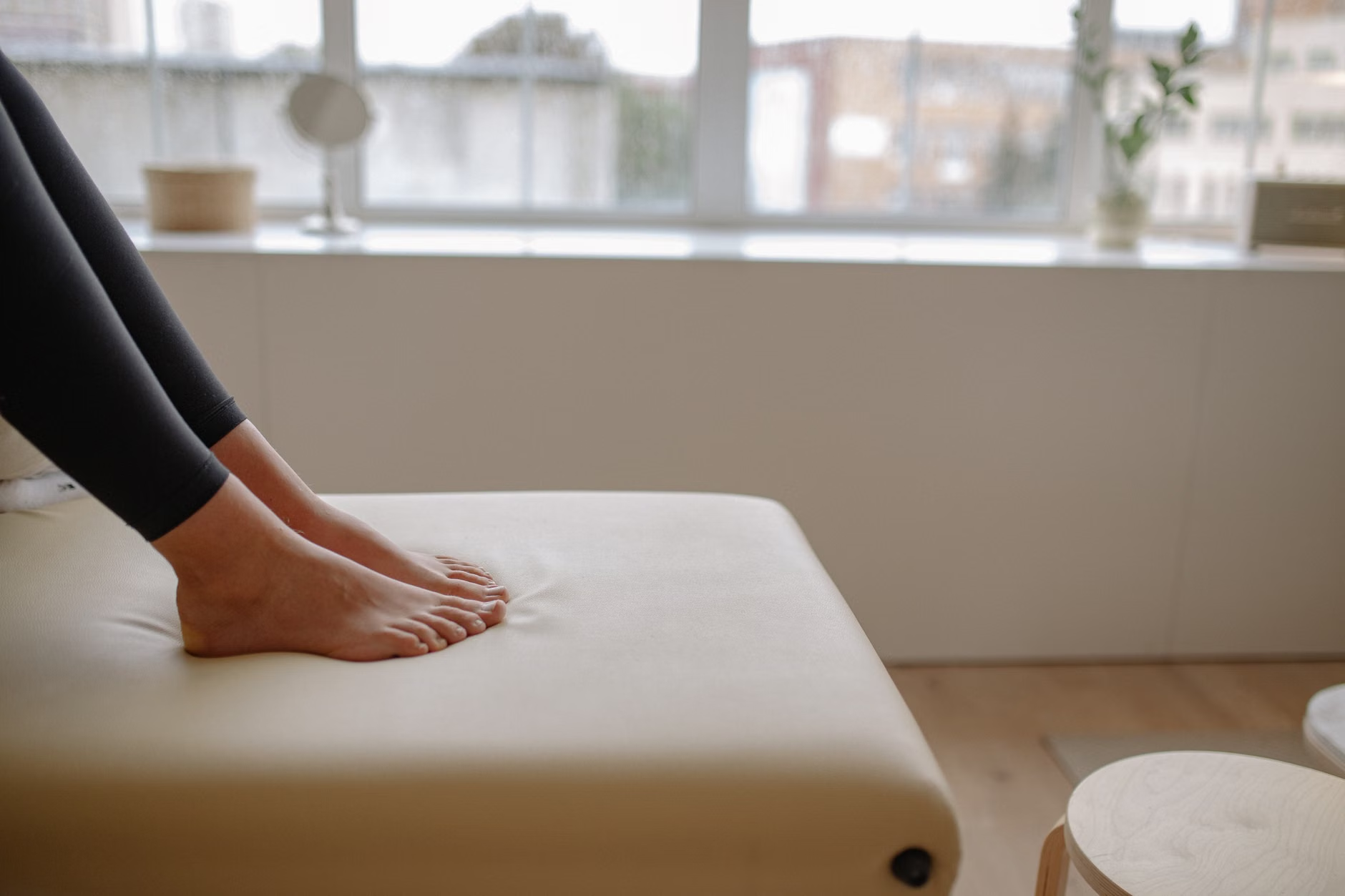
Step-by-Step: How to Perform a Seated Pelvic Tilt Safely
Before beginning, ensure you are using a sturdy, armless chair if possible. A dining room chair without wheels is ideal. Avoid sofas or deep armchairs, as their soft padding prevents the pelvis from moving through its full, stable range.
1. The Setup
Sit toward the front edge of your chair. Keep your feet flat on the floor, hip-width apart. Your knees should be bent at approximately a 90-degree angle. Place your hands gently on your thighs. Your spine should be tall, as if a string is gently pulling the crown of your head toward the ceiling.
2. The Posterior Tilt (The “Rounding” Phase)
Exhale slowly as you pull your belly button toward your spine. Gently tuck your tailbone under, as if trying to flatten your lower back against the backrest of the chair. You will feel your pelvis rotate backward. Do not force this; the movement should be subtle, usually only an inch or two.
3. The Anterior Tilt (The “Arching” Phase)
Inhale as you gently rock your pelvis forward. This will naturally create a small, comfortable arch in your lower back. Your chest will lift slightly, and your tailbone will move backward. Keep your shoulders relaxed and avoid thrusting your ribcage forward.
| Movement Phase | Breath Pattern | Physical Sensation |
|---|---|---|
| Posterior Tilt | Exhale | Lower back flattens; abdominal muscles engage. |
| Neutral Position | Pause | Relaxed spine; center of gravity balanced. |
| Anterior Tilt | Inhale | Lower back arches; chest opens gently. |
The table above highlights the importance of matching your breath to the movement. Coordinating the breath helps regulate your rhythm and ensures you are not holding tension in your neck or shoulders while focusing on the lower back.
Common Mistakes and How to Avoid Them
Even simple movements can be done incorrectly if we are not mindful. The most common error is “over-extending.” Many people attempt to force a large arch or a deep tuck. In reality, the efficacy of the pelvic tilt comes from the controlled, small-range motion, not the intensity of the stretch.
- Shoulder Tension: Many people shrug their shoulders toward their ears during the tilt. Keep your shoulders dropped and relaxed.
- Using the Legs: Do not push off the floor with your feet to move your pelvis. The movement should originate from your core and pelvic muscles.
- Holding Your Breath: Breath-holding increases blood pressure and creates unnecessary tension. Maintain a steady, rhythmic breath throughout.
When to Seek Professional Advice
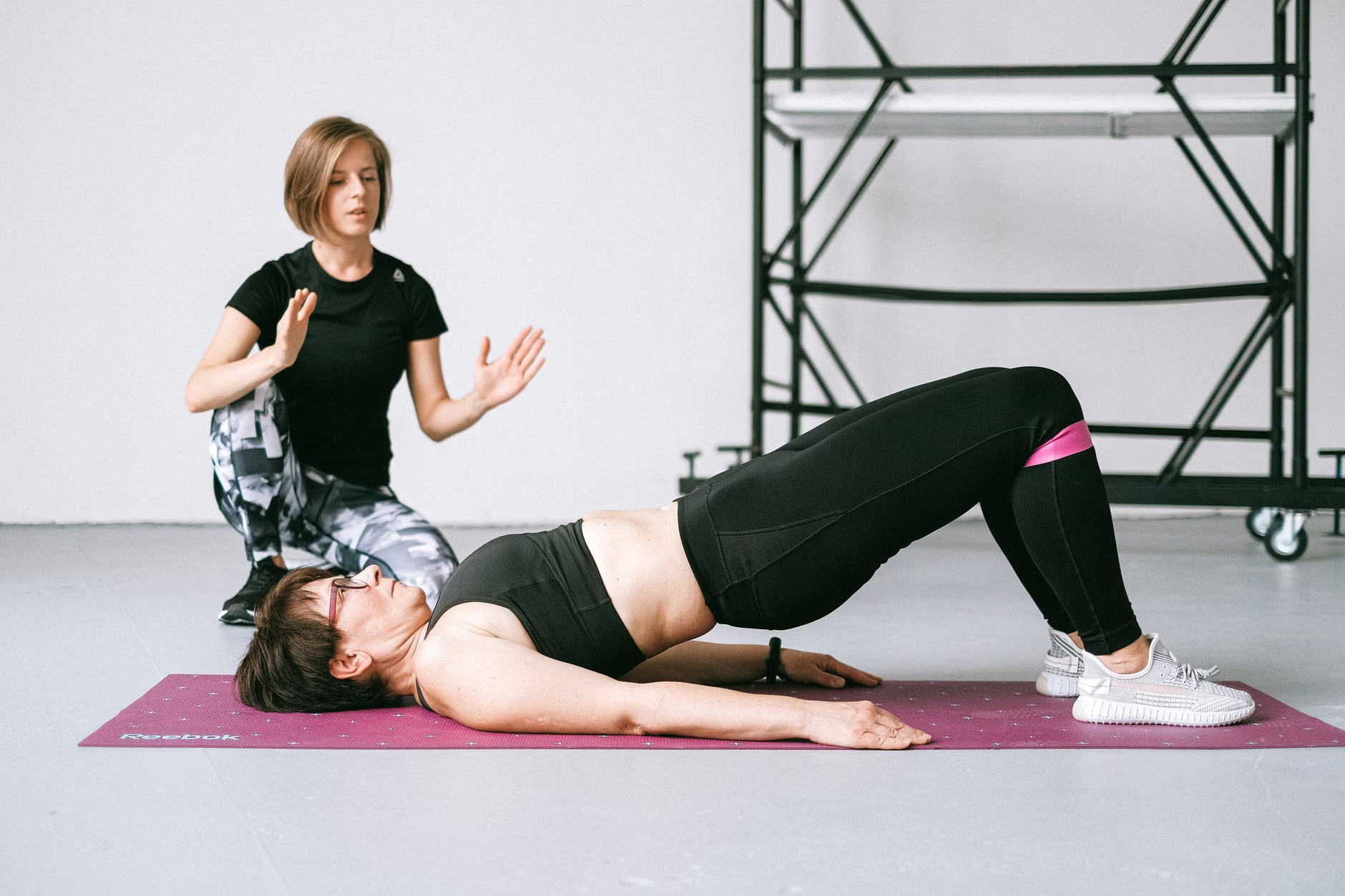
While pelvic tilts are generally safe, they are not a cure-all for chronic or acute back pain. If you have been diagnosed with conditions such as spinal stenosis, spondylolisthesis, or a herniated disc, you must consult with a physical therapist or your primary care physician before beginning these exercises.
Warning Signs to Stop:
- Sharp, shooting, or “electric” pain in the back or down the legs.
- Numbness or tingling sensations in the lower extremities.
- Dizziness or lightheadedness when changing positions.
- Pain that persists long after the exercise is finished.
If you have recently undergone spinal surgery or have been advised by a doctor to avoid spinal flexion (bending forward) or extension (arching backward), prioritize professional guidance. A physical therapist can provide modifications tailored to your specific anatomy and medical history.
Integrating Mobility into Your Daily Routine
The beauty of the seated pelvic tilt is its invisibility. You can practice this while waiting for a kettle to boil, sitting at your computer, or even while watching television. Because it requires no special equipment, it is an ideal “micro-habit” for maintaining mobility.
For most individuals, starting with 5 repetitions in the morning and 5 in the evening is sufficient. As you become more comfortable with the movement, you can increase to 10 repetitions. Remember that your goal is not to “build muscle” in the traditional sense, but to maintain the suppleness of the tissues supporting your spine. Consistency is far more valuable than pushing for a high number of repetitions.
Creating a Habit
Use “habit stacking” to ensure you remember your exercises. For example, resolve to perform five pelvic tilts every time you sit down to check your emails, or every time you finish a meal. By tethering the exercise to an existing habit, you remove the mental friction required to start a new routine.
The Role of Core Support in Aging
As we navigate our 60s, 70s, and 80s, the “core” is often misunderstood. It is not just about having “six-pack” abdominal muscles; it is about the entire cylinder of muscles that supports your spine. This includes the deep transversus abdominis, the pelvic floor, and the multifidus muscles along the spine. Pelvic tilts are one of the safest ways to activate these deep stabilizers without putting excessive load on the joints.
When you perform a posterior tilt, you are essentially strengthening the connection between your abdominal wall and your spine. When you perform an anterior tilt, you are maintaining the flexibility of the hip flexors and the lower back extensors. By keeping these muscles functional, you lower the risk of “giving out” or experiencing sudden muscle spasms during everyday activities like lifting a grocery bag or getting out of a car.
Addressing Misconceptions about Back Pain
A common misconception is that “rest is best” when your back feels stiff. While acute injury requires rest, chronic stiffness often responds better to gentle, controlled movement. Avoiding movement entirely can lead to a cycle of muscle atrophy and further stiffness. The seated pelvic tilt offers a way to move your spine through its natural range of motion without the weight-bearing stress of standing or walking, making it a perfect starting point for those who are currently experiencing discomfort.
Long-Term Mobility and Quality of Life
Mobility is the currency of independence. Maintaining a flexible, pain-free spine allows you to continue engaging in activities you enjoy, whether that is gardening, traveling, or playing with grandchildren. By dedicating just a few minutes a day to simple movements like the seated pelvic tilt, you are investing in your future physical autonomy.
Always remember to listen to your body. Some days, your back may feel more open and fluid than others. Adjust your range of motion accordingly. If you feel particularly stiff, keep the movements very small—almost imperceptible—and focus on the rhythm of your breathing. Over time, you will likely notice that your baseline level of stiffness decreases, and your confidence in your body’s ability to move freely increases.
Resources and Further Reading
To learn more about maintaining spinal health as you age, you can consult resources from reputable global health organizations. These sites provide evidence-based guidance on physical activity for older adults:
- World Health Organization: Physical Activity Guidelines
- National Institute on Aging: Exercise and Physical Activity
- NHS: Physical Activity Guidelines for Older Adults
Frequently Asked Questions
1. Can I do pelvic tilts if I have chronic lower back pain?
If you have chronic pain, it is essential to consult with your doctor or a physical therapist first. They can determine if these movements are appropriate for your specific condition. If they clear you, start with very small, slow movements and stop if you feel any sharp pain.
2. How long does it take to see results?
Consistency is key. Many people notice a reduction in morning stiffness within two to three weeks of daily practice. However, this is a long-term maintenance practice, not a quick fix. Think of it as brushing your teeth—it is a daily ritual for long-term health.
3. Is it better to do these in the morning or the evening?
There is no “better” time. Morning practice can help “loosen” the spine after being still during sleep, while evening practice can help release the tension accumulated from sitting or standing throughout the day. Choose the time that fits most easily into your routine so you are more likely to stick with it.
Disclaimer: This article is for informational purposes only and does not constitute medical advice. Always consult with a healthcare professional before starting any new exercise program, especially if you have existing health conditions or concerns.