- Cognitive Engagement: Learning music and coordinating vocal patterns acts as a complex mental workout that supports executive function and memory.
- Social Integration: Regular participation in a choir creates a reliable social network, which is a primary factor in maintaining emotional health during retirement.
- Physical Maintenance: Singing encourages controlled, deep diaphragmatic breathing and improved posture, which can support respiratory capacity as we age.
Joining a community choir is one of the most effective ways to blend cognitive stimulation, physical activity, and social engagement into a single, structured leisure pursuit. For adults aged 60 to 80, the act of singing in a group offers benefits that extend far beyond simple musical enjoyment. It provides a platform for lifelong learning, helps maintain vocal and respiratory health, and fosters a sense of belonging that is essential for long-term well-being.
The Cognitive Mechanics of Choral Singing
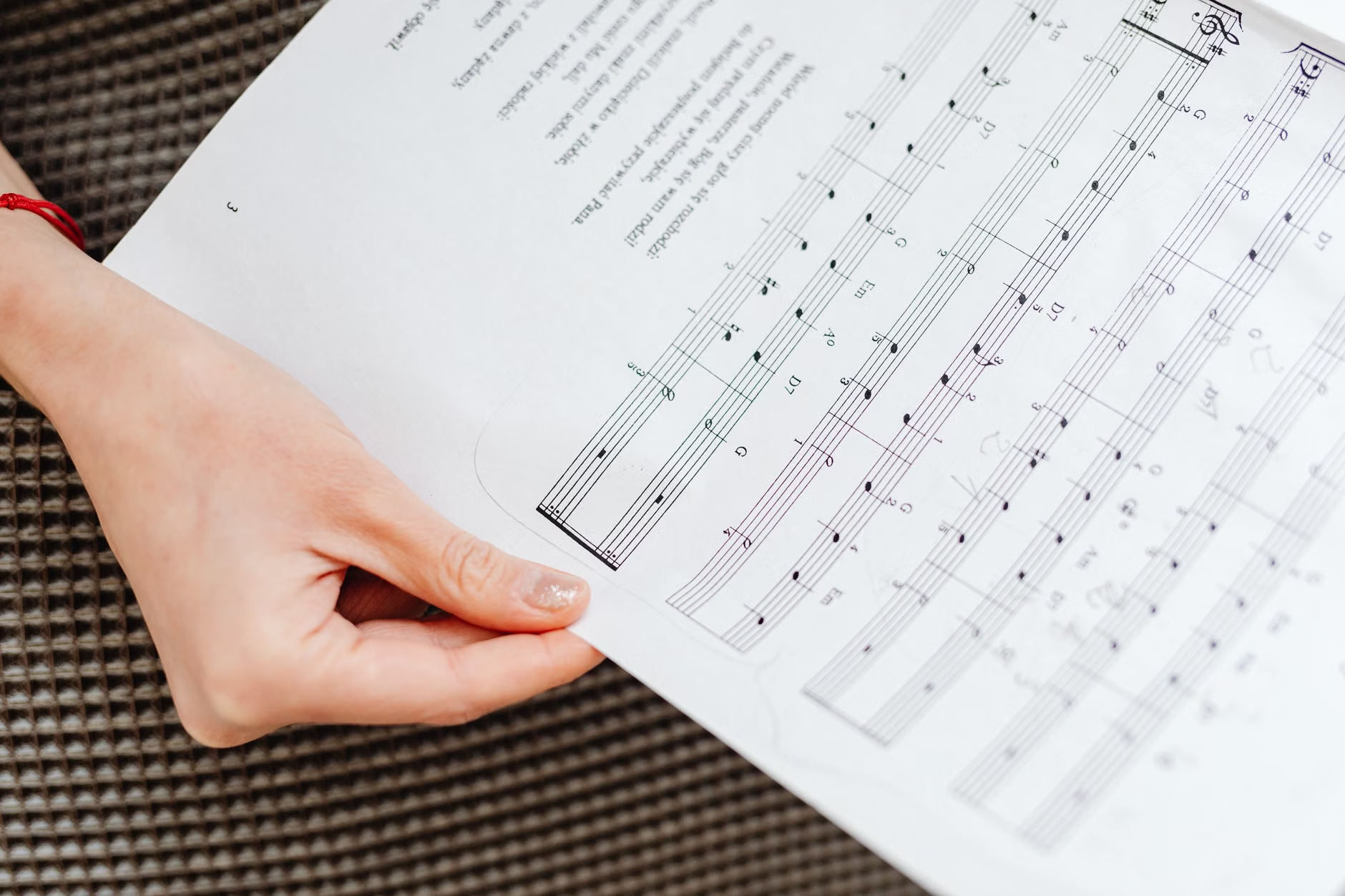
Singing is not merely a vocal task; it is a complex neurological process. When you participate in a choir, your brain is required to process multiple streams of information simultaneously. You must decode musical notation, interpret rhythmic patterns, sustain pitch, follow the conductor’s cues, and monitor the voices of those standing next to you to ensure harmonious blending.
This multi-sensory engagement is often referred to as “cognitive reserve.” By challenging the brain to manage these tasks, you are effectively engaging in a form of mental training. Unlike passive leisure activities, choral singing requires active participation and real-time adjustments. Research suggests that the sustained effort required to memorize lyrics and navigate harmonic structures can help keep neural pathways flexible.
What It Looks Like in Practice
In a typical rehearsal, you might spend the first twenty minutes on vocal warm-ups, followed by an hour of working through a specific piece of music. During this time, you are not just reading notes; you are making split-second decisions about your breathing, the volume of your voice, and the pronunciation of lyrics. This is essentially a high-level executive function exercise disguised as a creative hobby.
Practical Decision Criterion: If you are looking for a hobby that keeps your mind sharp, look for a choir that focuses on varied repertoire. Choirs that occasionally tackle more complex or multi-part arrangements offer a greater cognitive challenge than those that repeat the same simple melodies indefinitely.
Respiratory and Physical Health Benefits
One of the most immediate physical changes experienced by choir members is an improvement in breath control. Singing requires diaphragmatic breathing—deep, controlled inhalations and steady, sustained exhalations. For older adults, this is a gentle way to maintain the elasticity of the lungs and the strength of the accessory respiratory muscles.
Understanding the Respiratory Link
As we age, our natural lung capacity can decrease, and our posture may become more stooped, which restricts how deeply we can breathe. Singing naturally encourages you to sit or stand upright to allow for maximum lung expansion. Over time, this helps to reinforce better posture habits in daily life. Furthermore, the act of singing improves the strength and coordination of the muscles in the throat and mouth, which is beneficial for speech clarity and swallowing function.
| Physical Aspect | How Singing Helps |
|---|---|
| Breath Control | Encourages deep diaphragmatic breathing rather than shallow chest breathing. |
| Posture | Promotes an upright, open chest stance to optimize vocal resonance. |
| Oral Motor Function | Exercises the facial and throat muscles used for articulation. |
While singing is not a substitute for aerobic exercise like walking or swimming, it serves as an excellent complementary activity that supports the physical systems required for daily endurance.
The social value of a community choir lies in its “shared goal” structure. Unlike social clubs that rely solely on conversation, a choir requires members to work toward a common outcome: a successful performance. This shared objective creates a strong bond between participants, regardless of their backgrounds or previous musical experience.
The Importance of Consistent Interaction
For many adults in the 60-80 age bracket, the transition into retirement can lead to a reduction in daily social interactions. A choir provides a scheduled, recurring commitment. This consistency is vital; it provides a reason to leave the house, interact with peers, and participate in a collaborative community effort. It reduces the risk of social isolation by providing a predictable social anchor in your weekly schedule.
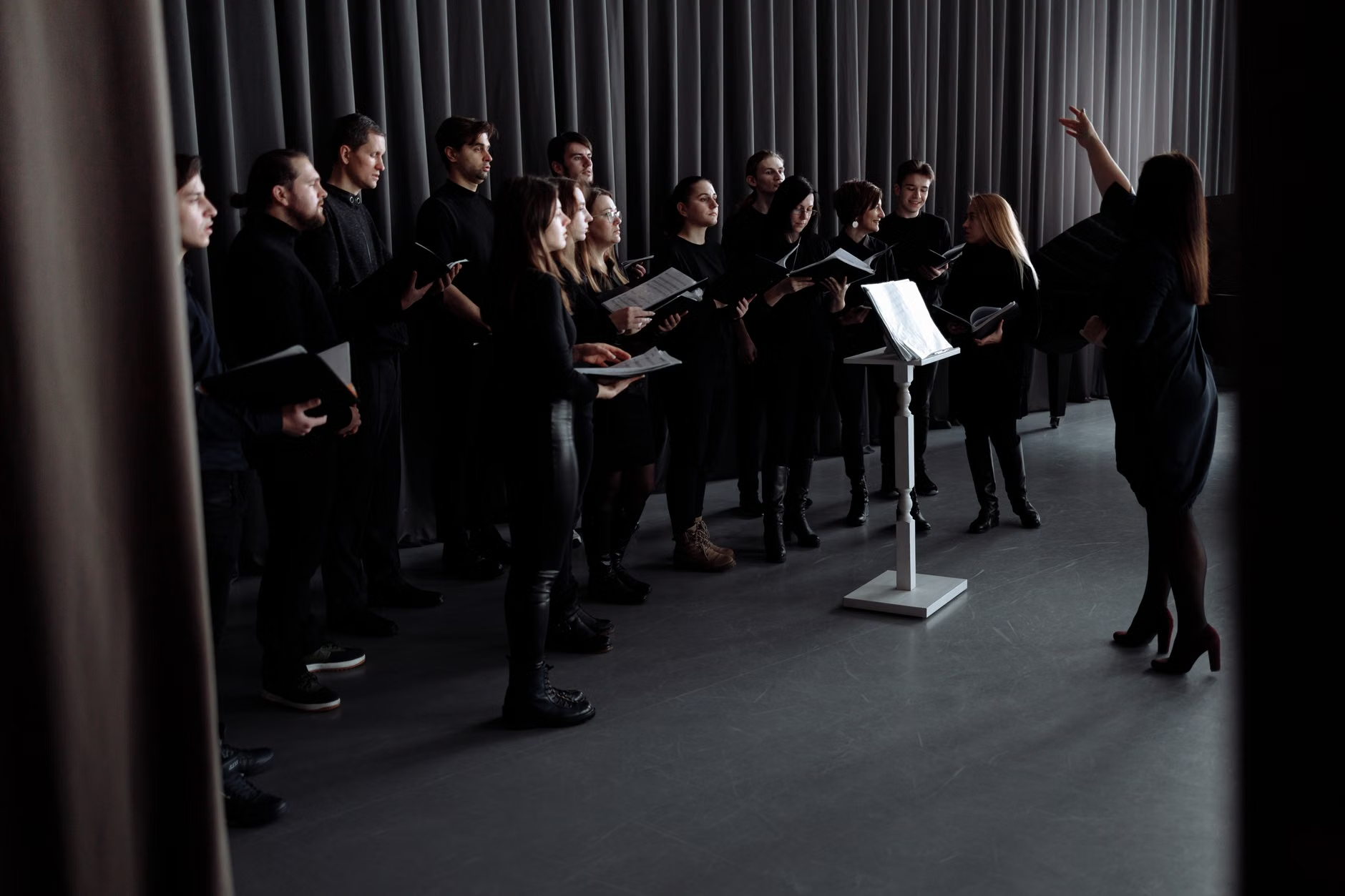
Common Mistake: Many prospective members worry that they are “not good enough” to join a choir. In most community settings, the goal is participation rather than professional-grade performance. If you are nervous about your ability, look for “non-auditioned” choirs. These groups are specifically designed to be inclusive and focus on the joy of singing rather than technical perfection.
If you have decided to look for a local choir, there are several practical factors to consider to ensure the experience remains sustainable and enjoyable over the long term.
1. Mobility and Accessibility
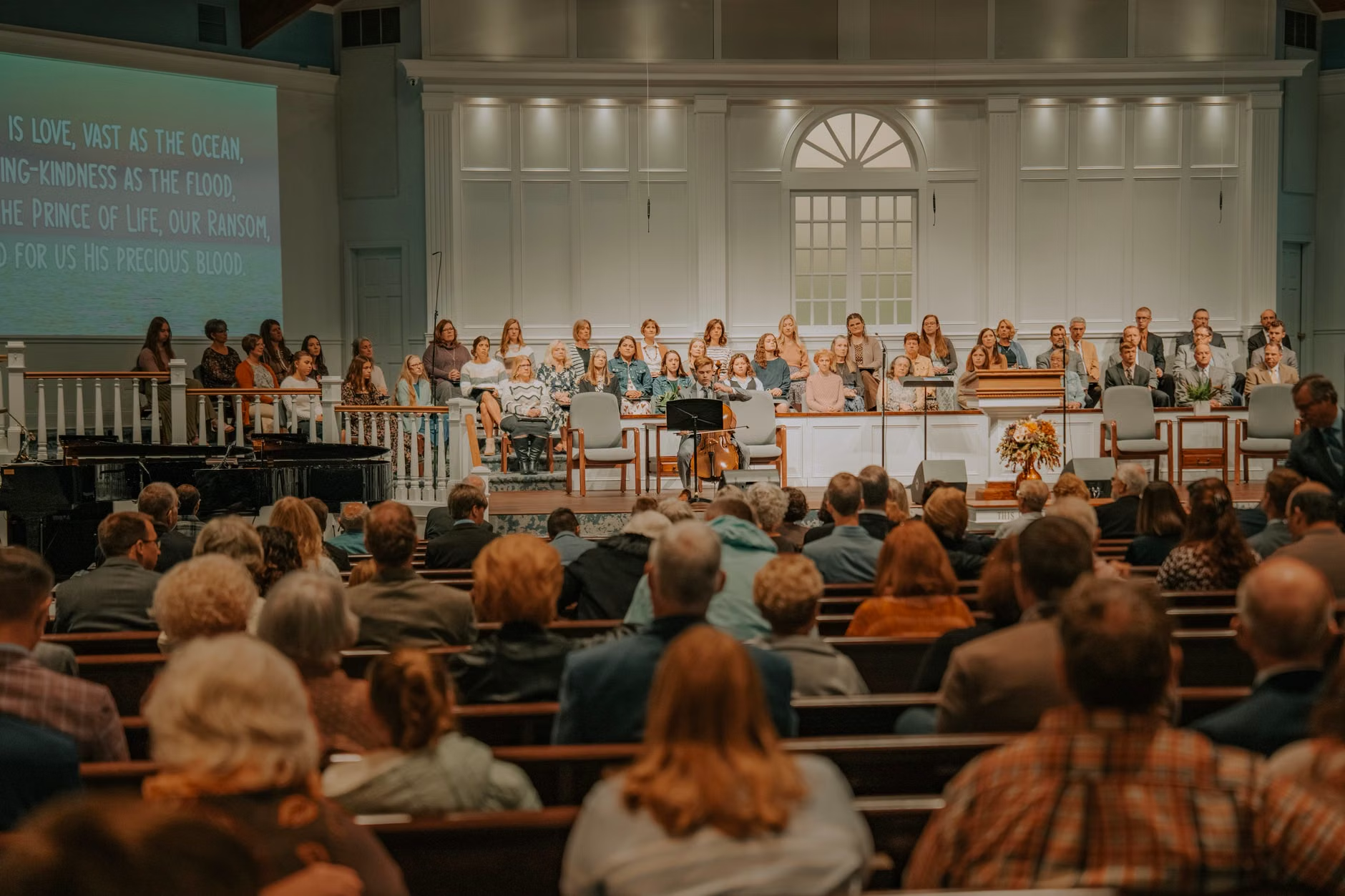
Before committing to a group, ask about the rehearsal space. Is there an elevator? Are there stairs involved in getting to the stage or the seating area? Are the chairs comfortable for a two-hour rehearsal? These practical details significantly impact your ability to attend regularly without physical strain.
2. Stamina and Scheduling
Rehearsals usually last between 90 and 120 minutes. Consider your energy levels. If you find your stamina wavers in the evening, look for a choir that meets during the morning or early afternoon. Many community centers offer daytime slots specifically to accommodate seniors.
3. Cost and Financial Commitment
Community choirs may charge a semester-long fee to cover the cost of the conductor, sheet music, and venue rental. Some groups offer sliding-scale fees or scholarships. Always ask if there is a “trial session” available so you can test the environment before paying the full fee.
Deep Dive: Overcoming the “Performance Anxiety” Barrier
Even for seasoned adults, the idea of performing in front of an audience can be daunting. However, it is important to recognize that the performance itself is only a small fraction of the choir experience. The vast majority of your time will be spent in rehearsal, which is a safe, private space for growth and learning.
If the prospect of a public concert feels overwhelming, look for choirs that perform informally, such as singing for local nursing homes or community events. These environments are often more relaxed and focus on the connection between the singers and the audience rather than the technical precision of the performance.
Insights into Longevity and Sustainable Participation
One often overlooked variable in maintaining a hobby like choral singing is the “repertoire fatigue” factor. If you find yourself in a group that only sings music you do not enjoy, you are less likely to stay committed. It is perfectly acceptable to visit two or three different choirs before finding one that aligns with your musical preferences. Whether you prefer classical, jazz, folk, or contemporary pop, there is likely a group that matches your taste.
Furthermore, consider the “social culture” of the group. Some choirs are very focused on the music, while others prioritize the social time after rehearsal—often meeting for coffee or a meal. Deciding which type of environment you prefer is key to ensuring that the choir becomes a long-term, positive fixture in your life.
The Path Forward: A Step-by-Step Guide to Getting Started
If you are ready to take the next step, use this simple checklist to find the right environment for you:
- Search Locally: Check your local council website, community center notice boards, or library. These are often the hubs for non-auditioned community choirs.
- Verify the Logistics: Call or email the contact person to ask about accessibility (lifts, seating, parking) and rehearsal duration.
- Attend a Trial: Most groups are happy to let you sit in on one rehearsal for free. Use this time to observe the conductor’s style and the general friendliness of the group.
- Assess Your Comfort: After the rehearsal, ask yourself: Did I feel energized? Was the physical effort manageable? Did I enjoy the music?
Remember, the goal is not to become a professional vocalist. The goal is to engage your brain, support your physical health, and build meaningful connections with others in your community. By focusing on these elements, you ensure that your time in the choir is a rewarding investment in your ongoing well-being.
Conclusion
Participation in a community choir offers a unique combination of cognitive, physical, and social benefits that are particularly valuable for adults aged 60 to 80. By engaging the brain in complex musical tasks, utilizing deep breathing techniques, and fostering regular social interaction, choirs provide a structured and fulfilling hobby. When you select a group that matches your physical needs and personal interests, you are not just joining a singing group—you are choosing a path toward a more connected and vibrant lifestyle.
Frequently Asked Questions (FAQ)
1. Do I need to be able to read sheet music to join a community choir?
No, most community choirs do not require you to read music. Many conductors use a “call and response” method or provide audio recordings to help members learn their parts. The ability to listen and match pitch is far more important than formal music theory knowledge.
2. Is choral singing considered a form of medical therapy?
While singing is often used in therapeutic settings, a standard community choir is a leisure activity, not a medical treatment. If you have specific respiratory or neurological conditions, you should consult with your healthcare provider to ensure that the physical exertion of singing is appropriate for your specific health situation.
3. How much does it typically cost to join a community choir?
Costs vary significantly based on the region and the type of choir. Some are volunteer-run and free, while others charge a fee to cover professional leadership and venue costs. You should expect to pay a nominal fee for sheet music and potentially a seasonal membership fee. Always ask if there is a trial period to determine if the cost is justified by your experience.
For more information on the health benefits of music, you can explore resources from the World Health Organization, which has published extensive research on the role of the arts in improving health and well-being.