Dietary Boron: A Practical Guide to Supporting Bone Density and Joint Health
- Boron is a trace mineral that influences how the body processes calcium, magnesium, and vitamin D, which are essential for bone integrity.
- The most reliable way to obtain boron is through a diet rich in plant-based foods, specifically fruits, nuts, legumes, and leafy greens.
- While boron is beneficial, it is a trace element; exceeding recommended intake through high-dose supplements can carry risks, making food-first approaches the safest strategy for most adults.
For adults between the ages of 60 and 80, maintaining skeletal integrity and joint mobility is a primary pillar of long-term independence. While calcium and vitamin D often dominate the conversation regarding bone health, trace minerals—specifically boron—play a critical, albeit quieter, role in the physiological processes that keep our joints and bones resilient. Understanding how boron functions within your body can help you make informed decisions about your daily nutrition.
What is Boron and Why Does It Matter for Bone Density?
Boron is a naturally occurring trace mineral found in the Earth’s crust and, consequently, in the water and plant foods we consume. In the context of human biology, it is not considered a “macronutrient” like protein or calcium, but it acts as a metabolic regulator. For older adults, its importance lies in its interaction with other key nutrients.
Research suggests that boron influences the way the body manages calcium and magnesium. Specifically, it may help reduce the loss of calcium through urine, thereby keeping more of this essential mineral available for bone mineralization. Furthermore, boron is involved in the conversion of vitamin D into its active form, which is necessary for the absorption of calcium from the digestive tract.
The “Bone-Joint” Connection: As we age, the balance between bone resorption (the breakdown of bone) and bone formation shifts. Boron is thought to support the activity of osteoblasts, the cells responsible for building new bone tissue. While it is not a cure for osteoporosis or arthritis, adequate boron levels contribute to the biological environment required for maintaining bone density and potentially mitigating joint stiffness.
Identifying Practical Dietary Sources of Boron
Unlike some minerals that require specific fortification, boron is widely available in a whole-foods-based diet. Because boron is absorbed by plants from the soil, it is found most abundantly in produce and legumes. For the average adult, a varied diet is usually sufficient to meet the body’s minimal requirements.
Top Food Sources for Your Daily Routine
Integrating boron into your diet does not require specialized shopping. Instead, it involves focusing on nutrient-dense, plant-based categories. The following table illustrates common sources and how they might fit into your weekly meal planning.
| Food Category | Examples | Practical Tip |
|---|---|---|
| Fruits | Apples, pears, grapes, dried fruits (raisins, prunes) | Include one serving of fruit as an afternoon snack. |
| Legumes | Chickpeas, lentils, kidney beans | Use canned beans for convenience, but rinse well to reduce sodium. |
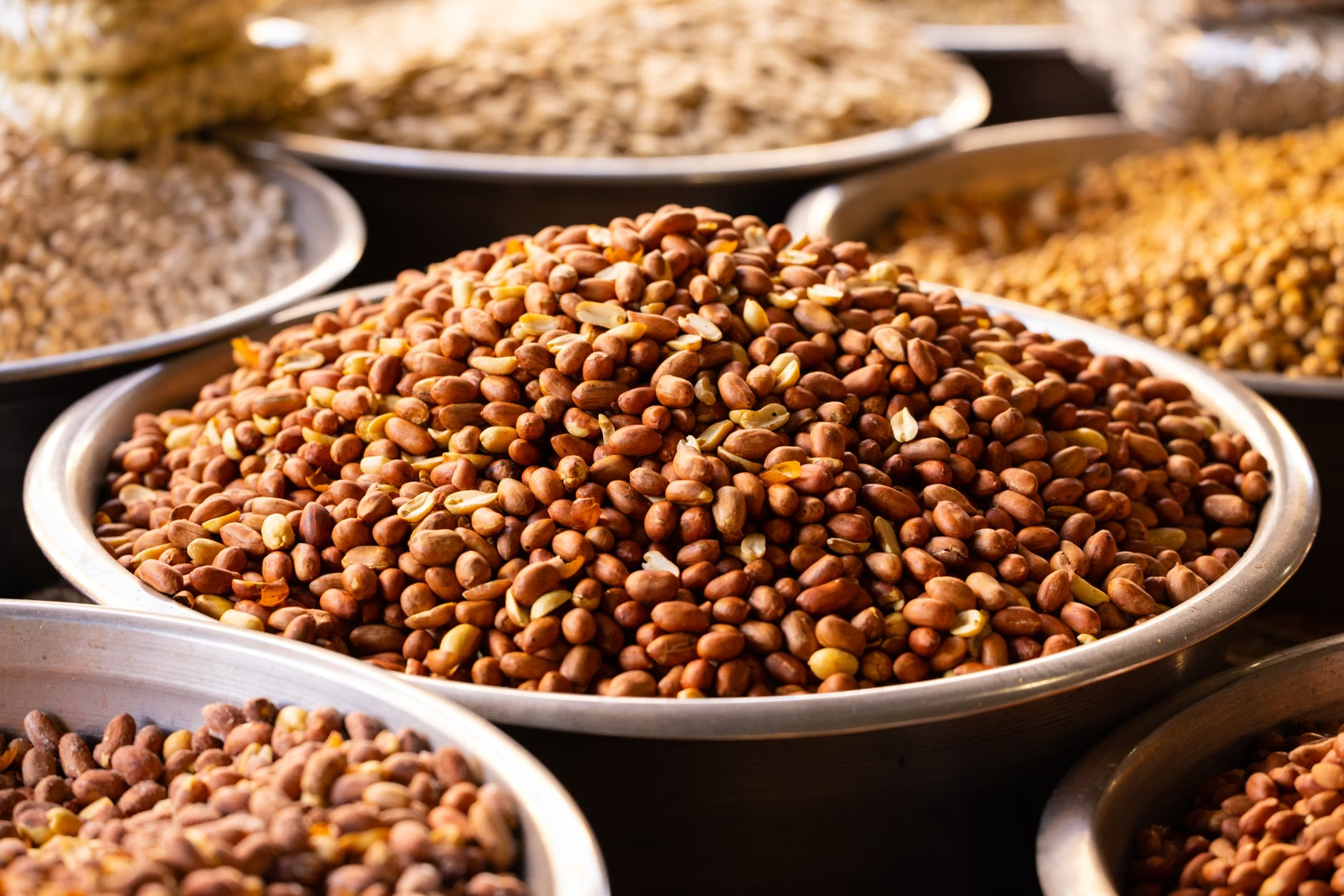
| Nuts & Seeds | Almonds, walnuts, hazelnuts | A small handful (approx. 30g) is sufficient for a daily boost. |
| Vegetables | Leafy greens, sweet potatoes | Steam or sauté to retain mineral content. |
Note: The boron content in these foods can vary significantly depending on the mineral content of the soil where they were grown. This is why a diverse intake—rather than relying on a single “superfood”—is the most effective strategy.
The Reality of Supplementation: Risks and Considerations
When discussing bone health, many individuals feel tempted to look toward concentrated supplements. However, it is essential to distinguish between consuming boron through food and taking it in pharmacological doses. Currently, there is no established “Recommended Dietary Allowance” (RDA) for boron, though the European Food Safety Authority (EFSA) and other health bodies have established Tolerable Upper Intake Levels (UL) to prevent toxicity.
Why “More” is Not Always Better
High doses of boron can interfere with hormonal pathways. Because boron may influence the levels of circulating hormones like estrogen and testosterone, excessive intake can have unintended systemic effects. For older adults, particularly those who may be on hormone-related therapies or who have a history of hormone-sensitive conditions, high-dose supplementation should be avoided without strict medical supervision.
The Decision Rule for Supplements: If your physician has identified a specific deficiency or has recommended a supplement based on your unique health profile, follow their dosage instructions precisely. If you are generally healthy, focus on food. The risk of toxicity from a balanced diet is virtually non-existent, whereas the risk of side effects from unregulated, high-dose supplements is a tangible concern.
Integrating Boron into a Senior-Friendly Lifestyle
Maintaining bone health is not just about what you eat; it is about how you live. Nutrition works in tandem with mechanical stress—specifically weight-bearing activity—to signal to your body that it needs to maintain bone density.
The Synergy of Movement and Nutrition
Even if your boron intake is optimal, your bones require physical “loading” to stay strong. Weight-bearing exercises, such as brisk walking, Tai Chi, or gentle resistance training, create the necessary structural demand for your bones to utilize the calcium and minerals you are consuming. If you have mobility limitations, consult with a physical therapist to design a movement plan that is safe for your joints while still providing the necessary stimulation for bone health.
Monitoring Your Progress
Bone density is not something you can “feel.” It is measured through clinical tools, most commonly a Dual-energy X-ray Absorptiometry (DXA) scan. If you are over 65, or if you have risk factors for bone density loss, these scans are the gold standard for tracking your skeletal health. Use these results to guide your conversations with your primary care provider, not just your personal observations of joint pain or stiffness.
Common Misconceptions and Practical Nuances
A frequent error is assuming that “more is better” or that a single nutrient can compensate for a sedentary lifestyle or a lack of other essential vitamins. For example, boron cannot “fix” low bone density if your vitamin D levels are critically low or if your protein intake is insufficient to support muscle mass, which in turn supports your joints.
The Role of Hydration and Digestion
As we age, our digestive efficiency may change. Nutrient absorption, including that of trace minerals like boron, can be affected by low stomach acid or chronic use of certain medications (such as proton pump inhibitors). If you are concerned about nutrient absorption, discuss your medication list with your pharmacist or doctor. They can help you determine if you need to adjust the timing of your meals or supplements to maximize mineral uptake.

Hidden Inconveniences: The Soil Variability Factor
One overlooked variable is the geographical source of your food. Because boron content in soil varies wildly by region, even a “healthy” diet might be lower in boron than studies suggest. This is another reason why it is safer to rely on a wide variety of plant foods rather than one or two specific sources. By rotating your intake of legumes, nuts, and seasonal fruits, you effectively “hedge your bets” against soil-specific deficiencies.
When should you speak to a professional about your bone health? It is a common mistake to wait until a fracture occurs. Instead, adopt a proactive approach.
Preparation for Your Appointment:
- Document your diet: Keep a 3-day food diary to show your doctor or a registered dietitian what you typically consume.
- List your medications: Include over-the-counter supplements, as these can interact with prescription bone-health medications.
- Record symptoms: Note any persistent joint pain, loss of height, or changes in posture, as these can be indicators of skeletal changes.
- Ask specific questions: “Based on my current DXA scan results, what is my target for calcium and vitamin D?” or “Are there any specific dietary patterns I should adopt to support my joint health?”
Conclusion: A Balanced Approach to Longevity
Boron is a valuable, if minor, piece of the puzzle for maintaining bone density and joint health in later life. It is not a “magic pill,” but it is a necessary participant in the complex chemistry of your skeletal system. By prioritizing a diet rich in fruits, legumes, and nuts, you provide your body with the tools it needs to function effectively.
Remember that your strategy should always be holistic. Combine your dietary efforts with regular, safe physical activity, routine medical screenings (like DXA scans), and open communication with your healthcare team. By focusing on these consistent, daily habits, you are taking a practical and effective step toward maintaining your mobility and independence for years to come.
Frequently Asked Questions (FAQ)
- 1. Can I get enough boron just from drinking water?
- While some water sources contain boron, the concentration is usually too low and too variable to rely on as a primary source. A diet rich in plant-based foods is the most reliable way to ensure adequate intake.
- 2. Is there a specific time of day that is best to consume boron-rich foods?
- There is no specific “best time” for boron intake. The most important factor is consistency. Incorporating these foods into your daily meals will ensure a steady supply for your body’s metabolic processes.
- 3. How do I know if I am at risk for low bone density?
- Risk factors include age, family history, a sedentary lifestyle, low calcium or vitamin D intake, and certain medical conditions or medications. The most accurate way to assess your bone health is to consult your primary care provider and discuss whether a bone density scan (DXA) is appropriate for you. For more information on bone health guidelines, you can visit resources like the International Osteoporosis Foundation.