- Knitting circles provide more than a creative outlet; they serve as a vital social infrastructure that combats isolation and supports mental agility.
- Physical benefits include maintaining fine motor skills and dexterity, which are essential for long-term independence.
- When joining a group, prioritize accessibility, such as ergonomic seating and adequate lighting, to ensure the activity remains sustainable and enjoyable.
Joining a local knitting circle is a proactive strategy for maintaining cognitive health, physical dexterity, and a robust social network during your retirement years. While the image of knitting often evokes quiet solitude, the modern reality is that these groups act as hubs for community interaction, mentorship, and collective well-being.
The Cognitive and Physical Benefits of Mindful Knitting
Knitting is frequently described as a “meditative craft,” but its impact on the brain and body is supported by more than just anecdotal evidence. For adults aged 60 to 80, the rhythmic, repetitive nature of knitting engages the brain in a way that promotes focused attention and stress reduction.
Cognitive Engagement and Neuroplasticity
When you learn a new pattern or adjust your tension, you are engaging in cognitive training. This process requires spatial awareness, mathematical planning (counting stitches), and pattern recognition. Research suggests that engaging in complex, novel activities helps support cognitive reserve. By consistently challenging your brain with new stitches or complex yarn textures, you are effectively providing a workout for your neural pathways.
Maintaining Fine Motor Skills
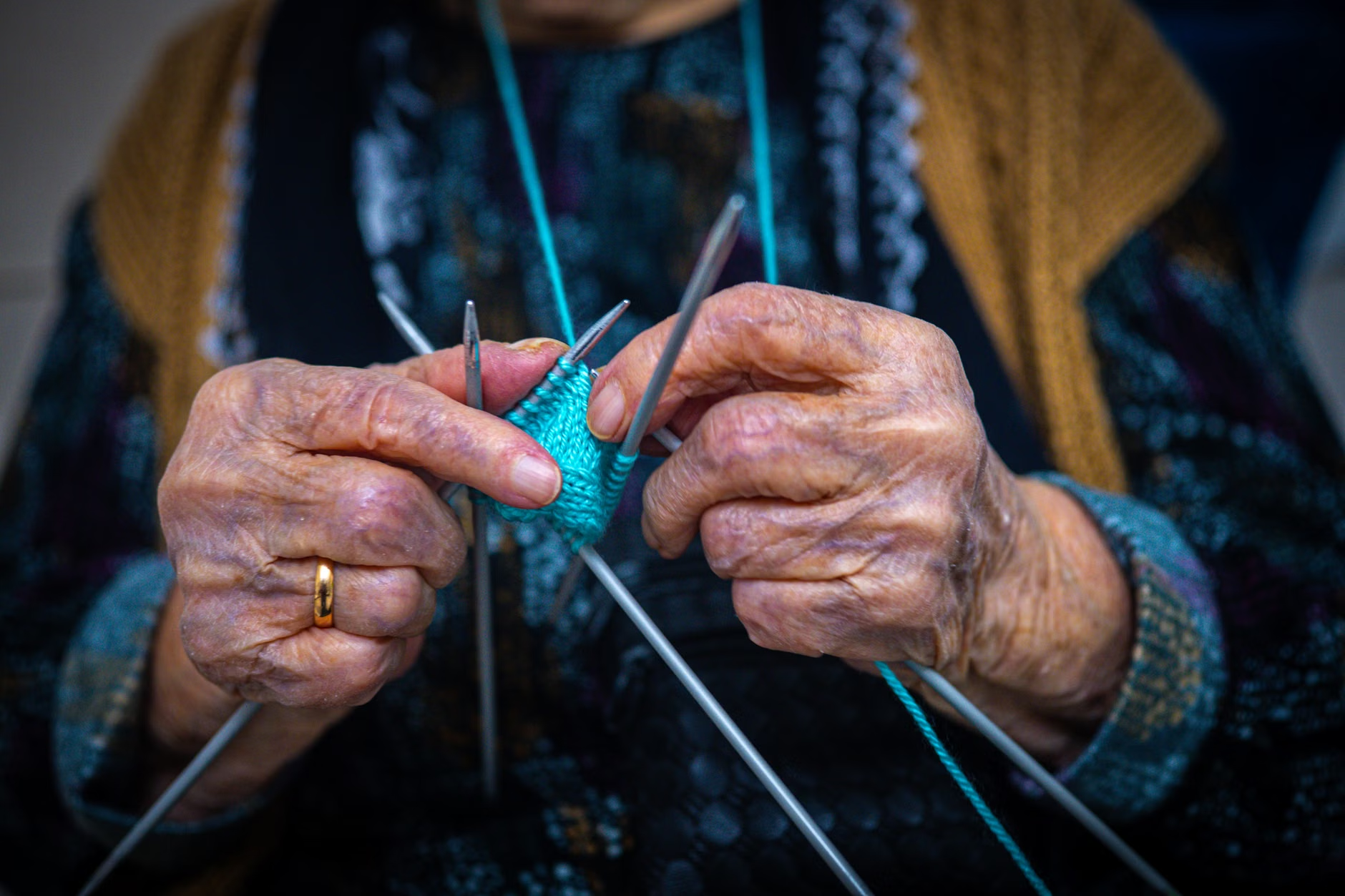
As we age, preserving the range of motion and strength in our hands and fingers is critical for daily tasks like buttoning shirts, opening jars, or using digital devices. Knitting acts as a low-impact form of physical therapy. It encourages the use of small muscle groups in the fingers and wrists, which can help mitigate stiffness associated with arthritis or general aging. However, it is essential to practice ergonomic knitting. This means using needles that are comfortable to grip, taking frequent breaks, and performing gentle hand stretches to avoid repetitive strain.
Evaluating the Social Power of Knitting Circles
The transition into retirement often involves a shift in social dynamics. Work-based friendships may fade, and the need to intentionally build new community connections becomes paramount. A local knitting circle provides a structured environment where social interaction is the primary objective, with the craft serving as a shared “social lubricant.”
Moving Beyond Small Talk
Unlike transient social settings, knitting circles meet regularly. This consistency allows for the development of deep, meaningful relationships. Over weeks and months, participants share life experiences, offer support during transitions, and exchange practical advice on everything from local services to health management. This sense of belonging is a powerful antidote to the loneliness that can sometimes accompany aging.
The Role of Mentorship and Intergenerational Exchange
Many knitting groups are intergenerational. When older adults share their expertise with younger members, it provides a sense of purpose and contribution. Conversely, learning new digital techniques or modern patterns from younger members keeps the group dynamic and forward-looking. This exchange of knowledge reinforces the value of lifelong learning.
How to Select or Start a Knitting Group
Not all knitting groups are the same. Finding the right fit depends on your physical needs, your social goals, and the logistical realities of your local community.
Checklist for Evaluating a Potential Group
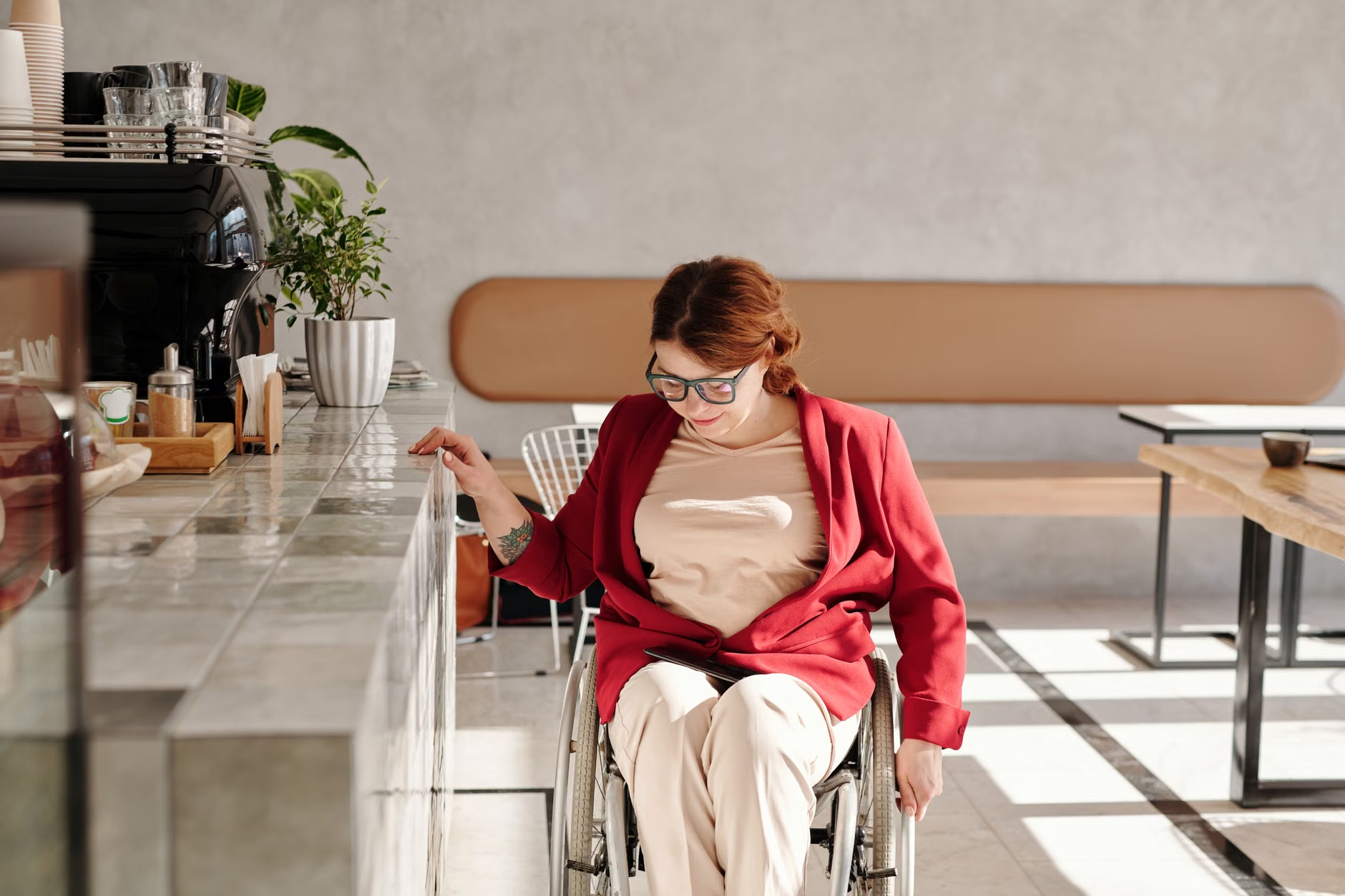
- Accessibility: Is the venue wheelchair accessible? Are there stairs or steep inclines at the entrance?
- Seating: Do the chairs provide adequate lumbar support? Are they the right height for comfortable knitting?
- Environment: Is the lighting sufficient to prevent eye strain? Is the noise level manageable for those with hearing aids or sensitivities?
- Pace and Focus: Is the group primarily social, or is it focused on technical mastery? Ensure the group’s goals align with your own.
| Group Type | Best For | Considerations |
|---|---|---|
| Library/Community Center Groups | Those seeking free, public-accessible spaces and local networking. | Often high turnover; check the schedule for consistency. |
| Independent Private Circles | Those looking for close-knit, long-term friendships. | Usually smaller; may require an invitation or interview. |
| Specialized Workshop Groups | Those prioritizing skill acquisition and technical growth. | Often has a cost; usually limited to a specific number of sessions. |
If you find that existing groups do not meet your needs, consider starting your own. This can be done by reaching out to your local senior center, library, or even a local coffee shop. The key is to establish a consistent schedule and a clear purpose to ensure the group remains stable.
To enjoy knitting for years to come, you must prioritize your physical comfort. Ignoring early signs of discomfort can lead to chronic pain or injury, which will ultimately prevent you from participating in your hobby.
Common Mistakes and How to Avoid Them
A common error among knitters is “death-gripping” the needles. This happens when you hold the needles too tightly, which puts unnecessary stress on your hands and wrists. Practical Tip: Every 20 minutes, put your work down. Stretch your fingers, rotate your wrists, and look at something across the room to rest your eyes. If you experience persistent pain, numbness, or tingling, consult your primary care physician or a physical therapist to rule out conditions like Carpal Tunnel Syndrome.
Equipment Adjustments
As we age, our vision and grip strength change. Adapt your equipment accordingly:
- Needle Material: Bamboo or wooden needles are often lighter and warmer than metal ones, making them easier on the joints.
- Needle Size: Using larger needles can be more forgiving for those with limited dexterity.
- Lighting: Invest in a high-quality, adjustable LED floor lamp. Proper lighting is the most effective way to prevent eye fatigue.
- Magnification: Consider using a neck-worn magnifier or a lighted magnifying glass to make intricate patterns easier to follow.
The Hidden Value: Community Resilience and Support
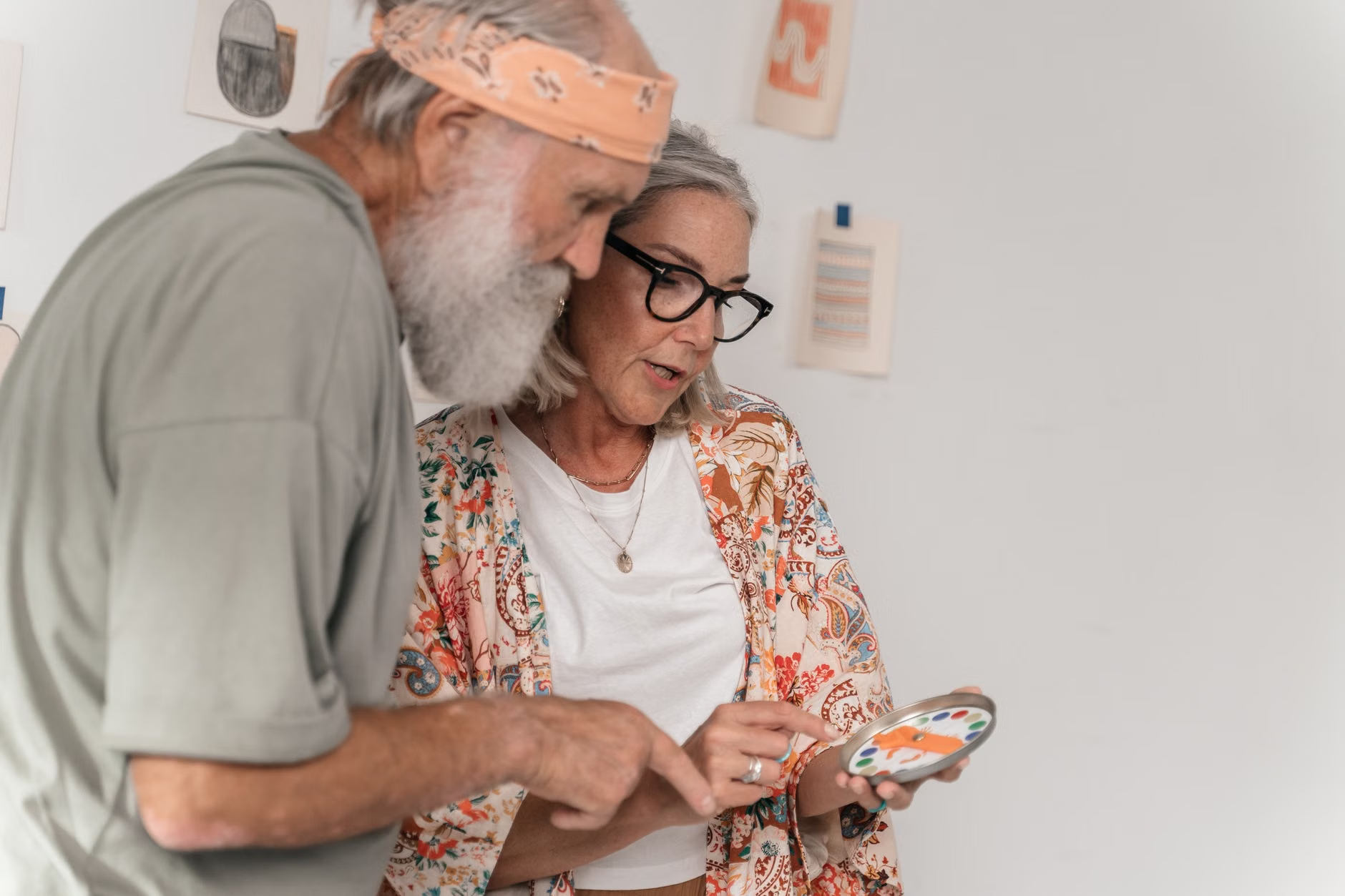
Beyond the personal benefits of health and social connection, knitting circles often evolve into informal support networks. When a member is ill, unable to travel, or going through a difficult life event, the group often mobilizes to provide emotional support or practical help. This “social capital” is a significant, often overlooked, asset for older adults.
Building a Safety Net
In a well-functioning knitting circle, members look out for one another. If a regular member is absent, others notice. This creates a soft safety net that can be vital for those living alone. It is important, however, to ensure that this remains a peer-based social group rather than a substitute for professional care. If you notice a fellow member experiencing significant health decline, encourage them to seek professional support, but maintain your role as a friend and peer.
Practical Steps for Long-Term Participation
To ensure your knitting circle remains a sustainable part of your life:
- Plan for Transport: If you no longer drive, identify public transport options or carpool with other members.
- Stay Digital-Ready: Many groups now use messaging apps to coordinate. Familiarize yourself with these tools to stay connected even when you cannot attend in person.
- Flexibility: Be prepared for the group to change over time. New members will join, and others will leave. Embracing this change keeps the social experience fresh.
Conclusion: Knitting as a Path to Wellbeing
The social power of local knitting circles lies in their ability to combine a productive, creative activity with the fundamental human need for connection. By engaging in this hobby, you are not just making garments; you are building a structure for cognitive longevity, physical maintenance, and emotional resilience. Whether you are a master knitter or a complete beginner, the value is found in the community you build and the peace of mind that comes from a regular, creative, and social ritual.
For more information on the benefits of craft-based hobbies, you can refer to resources from organizations like the AARP or local community health initiatives that promote social engagement as a pillar of healthy aging.
Frequently Asked Questions (FAQ)
1. I have arthritis. Is knitting still a safe hobby for me?
Many individuals with arthritis continue to knit successfully by making minor adjustments. This includes using ergonomic, easy-grip needles, taking frequent breaks to stretch, and avoiding long, uninterrupted sessions. Always consult with your doctor or a physical therapist to ensure that your specific hand health needs are being met.
2. I am a beginner. Should I join a group, or learn on my own first?
Joining a group as a beginner can be highly beneficial because you have access to immediate mentorship. Look for groups that explicitly welcome beginners. Learning in a group setting allows you to ask questions in real-time and observe different techniques, which can be faster and more encouraging than learning from books or videos alone.
3. How do I find a knitting group in my local area?
Start by checking your local library’s events calendar, as they frequently host community craft groups. You can also visit local yarn shops, which often act as hubs for these circles. Additionally, online platforms like Meetup or local community center websites are excellent places to search for groups in your specific neighborhood.