Starting in 2026, major international aviation authorities are implementing updated guidelines for airport lounge accessibility, moving beyond basic wheelchair ramps to focus on cognitive accessibility, seating ergonomics, and staff training protocols. For travelers aged 60 to 80, these changes represent a significant shift in how airport infrastructure must accommodate varying levels of stamina, mobility, and sensory needs during transit.
- Standardized Accessibility: New 2026 benchmarks mandate that lounges must provide “continuous accessible paths” from the terminal entrance to the lounge seating, eliminating gaps in service.
- Staff Training Requirements: Airports are now required to provide specialized training for lounge staff in assisting passengers with hidden disabilities or age-related mobility challenges.
- Technology Integration: Digital check-ins and lounge navigation tools will be required to meet enhanced web content accessibility guidelines (WCAG 2.2) to ensure equitable access for all.
Understanding the Shift in Global Airport Standards
For many years, accessibility in aviation focused primarily on the aircraft cabin. However, as the global population of older travelers continues to grow, the focus has shifted toward the “transit experience”—the time spent waiting between flights. The 2026 updates, led by international aviation bodies like the International Air Transport Association (IATA) and various regional civil aviation authorities, seek to bridge the gap between terminal accessibility and lounge accessibility.
Why does this matter? For an older traveler, the stress of navigating a crowded, noisy terminal is often compounded by the lack of adequate seating or the difficulty of accessing lounge facilities. The 2026 standards aim to mandate that lounges are not just “open” to everyone, but truly “usable” by everyone.

The Definition of “Continuous Accessible Path”
A core component of the 2026 update is the requirement for a “continuous accessible path.” In practical terms, this means that from the moment you leave your arrival gate, the path to the lounge must be free of steep inclines, narrow bottlenecks, or heavy manual doors that require significant physical force to operate. Airports failing to meet these standards by the end of 2026 face strict compliance audits.
What Changes in Lounge Design and Functionality
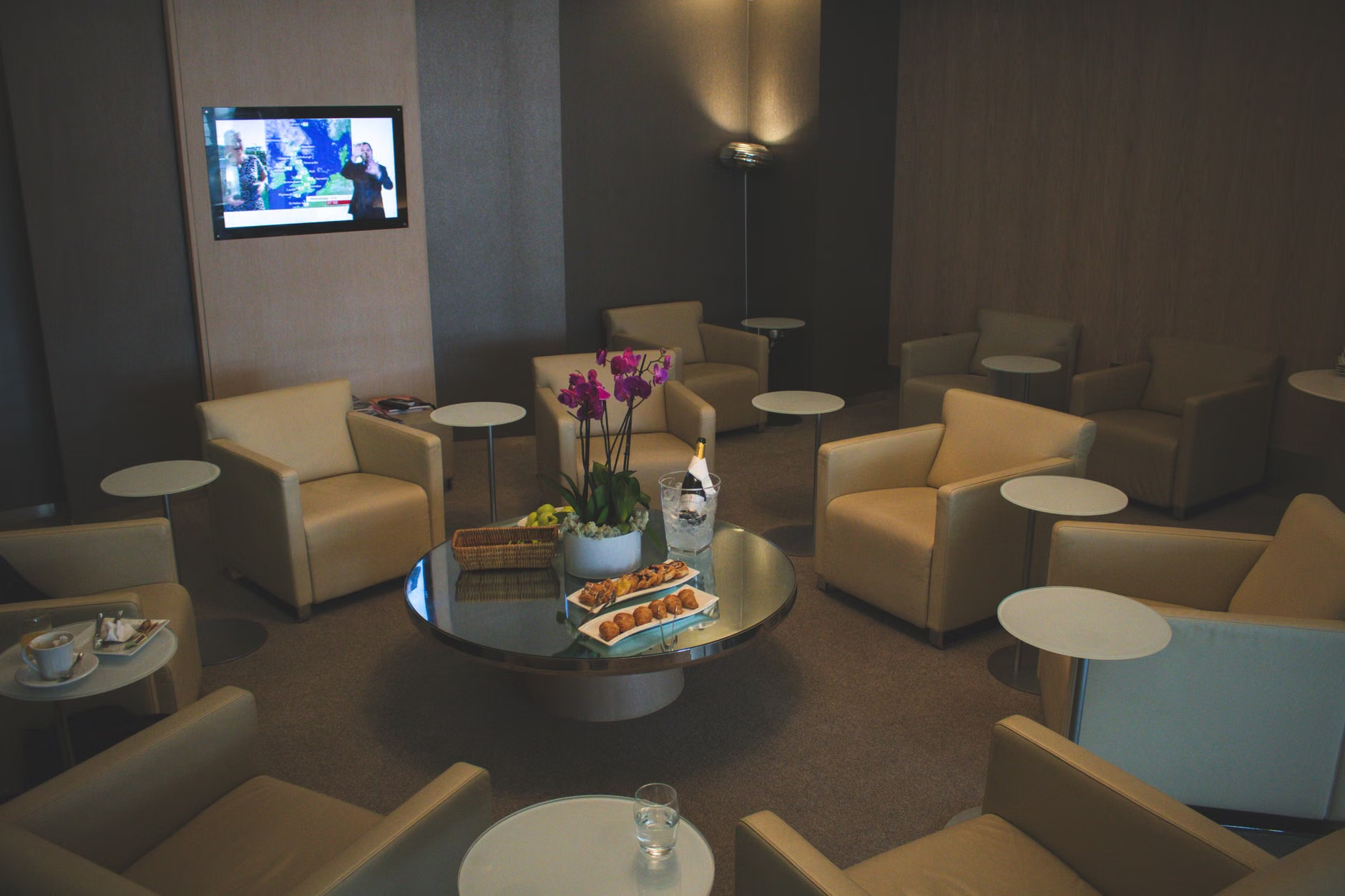
The 2026 standards go beyond simple architectural requirements; they delve into the ergonomics of the furniture and the clarity of the environment. If you have ever struggled to get out of a deep, low-slung sofa in an airport lounge, you will appreciate the new emphasis on seat height and support.
| Feature | Pre-2026 Standard | 2026 Requirement |
|---|---|---|
| Seating Height | Variable (often low) | Minimum 45cm seat height with firm support |
| Signage | Standard font/size | High-contrast, non-reflective, tactile signage |
| Staff Assistance | General customer service | Mandatory disability-awareness and mobility training |
| Navigation | Map-based | Digital, screen-reader compatible wayfinding |
This table highlights that the transition is not merely cosmetic. For the traveler, this means that when you book a lounge pass or access one via your airline status, you can expect a baseline of comfort that accommodates physical limitations. The requirement for a 45cm seat height is critical; it allows for safer standing and sitting, reducing the risk of strain or loss of balance.
Tactile and Visual Clarity
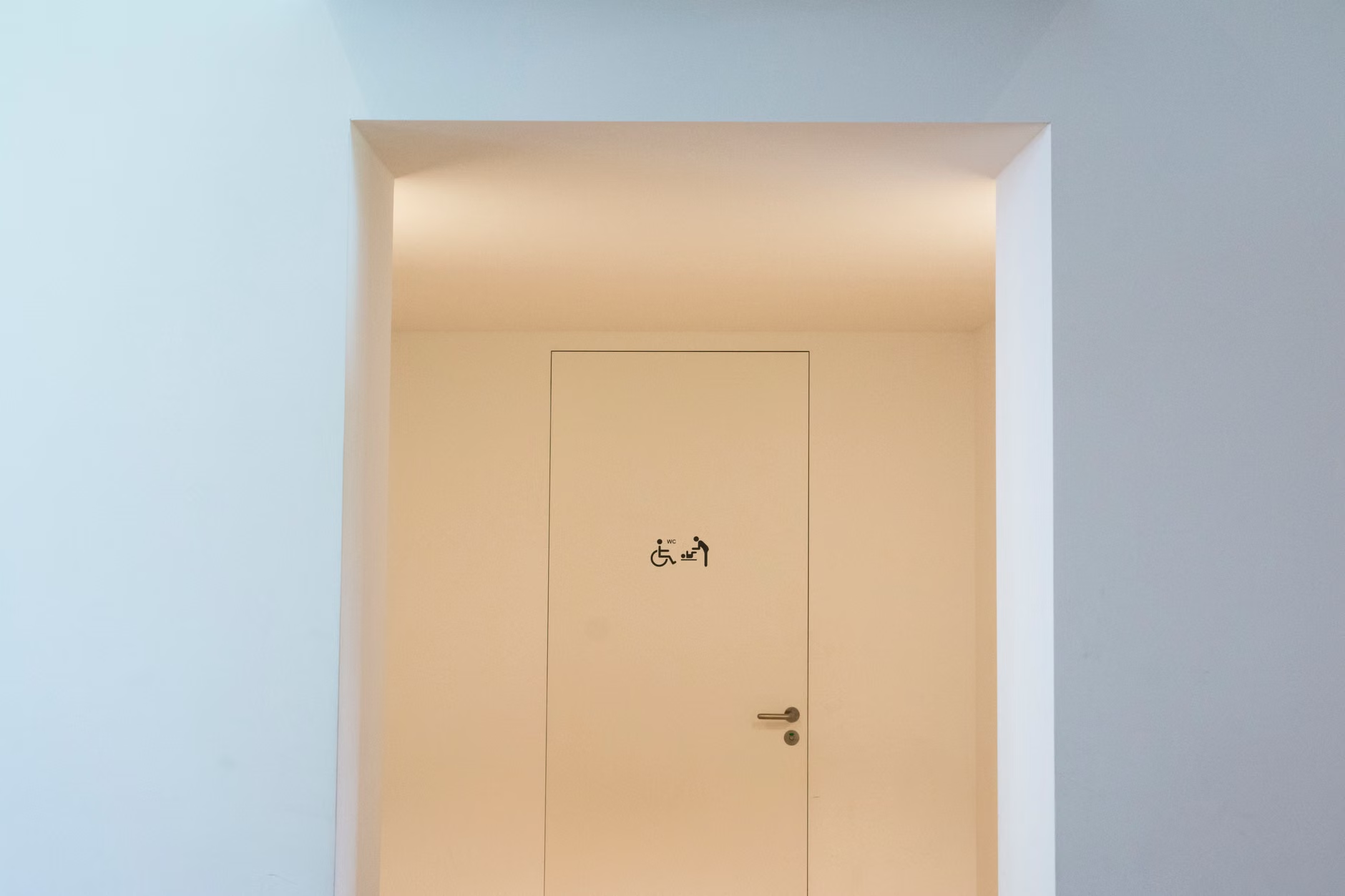
Visual impairment and sensory overload are significant factors for many older adults. The 2026 standards mandate high-contrast signage that uses non-reflective materials. This reduces glare, which is a common issue for aging eyes. Furthermore, tactile flooring or markings near lounge entrances will become mandatory in major hubs, providing a sensory cue that helps delineate the lounge area from the busy, noisy terminal floor.
The Role of Staff Training and Support
Technology is only as good as the human support behind it. A frequent complaint among older travelers is the lack of specialized knowledge among lounge staff regarding mobility aids, such as walkers or foldable wheelchairs. The 2026 mandates require that all lounge-based staff undergo a certified training program that covers:
- Mobility Aid Handling: Proper techniques for assisting with the storage and retrieval of mobility devices without damaging them.
- Communication Protocols: Clear, jargon-free communication for passengers with hearing or cognitive impairments.
- Emergency Evacuation: Specific procedures for safely assisting passengers with limited mobility during a lounge evacuation.
Practical Steps for the Senior Traveler
While airports are mandated to improve, the implementation will vary by country and specific airport authority. As a traveler, you can take proactive steps to ensure your comfort.
- Verify Lounge Amenities: Before purchasing a pass or entering a lounge, check the specific airport’s website for their “Accessibility Statement.” By 2026, most major airports will be required to publish these.
- Communicate Your Needs: Even with improved standards, do not hesitate to inform the lounge reception of your specific needs upon arrival—whether that is a seat near the exit, a quiet corner away from the buffet, or assistance with luggage.
- Document Your Mobility Needs: If you travel with a mobility device, ensure it is clearly labeled and that you have the necessary documentation for airline and lounge staff to reference.
It is important to note that these standards are global guidelines, but local enforcement will vary. For instance, an airport in the European Union (EU) will be subject to the EU’s strict consumer protection and accessibility regulations, which often go beyond the baseline IATA standards. Conversely, airports in developing regions may be in a transition phase.
Common Mistake: Assuming that “accessible” means the same thing in every country. Always look for the specific accessibility rating of the lounge if available on the airline’s website. If you are traveling to a region with less stringent accessibility laws, assume you may need to advocate for yourself more actively.
Why These Standards Matter for Your Stamina
Travel is physically demanding. The cumulative effect of walking through terminals, standing in lines, and sitting in cramped aircraft seats can lead to fatigue. The 2026 standards are designed to allow you to “recharge” effectively. By ensuring that lounges have quieter zones, easier access to restrooms, and more supportive seating, these guidelines directly contribute to your physical and mental stamina during long-haul trips.
Consider the “stamina budget.” If you spend all your energy just trying to reach a lounge and then find it difficult to navigate the space, you have depleted your reserves before the flight even begins. The 2026 improvements act as a “stamina preservation” strategy, allowing you to focus your energy on the actual journey and destination.
Deep Dive: Cognitive Accessibility in 2026
Cognitive accessibility is an often-overlooked aspect of airport design. For many older adults, the overwhelming noise, lighting, and constant announcements in a terminal can cause significant cognitive fatigue. The 2026 standards introduce “Quiet Zones” within airport lounges, where ambient noise is minimized and visual stimulation is kept to a neutral, calming level. This is not just a luxury; it is a necessity for maintaining focus and reducing the anxiety that often accompanies travel.
What does this look like in practice? It means lounges will feature acoustic paneling, dimmable lighting, and a clear separation between the “social/buffet” areas and the “rest/quiet” areas. If you find yourself overstimulated, ask the staff specifically for the “quiet zone” or “low-sensory area” of the lounge.
Financial and Booking Considerations
Accessibility should not come with a surcharge. The 2026 guidelines emphasize that accessibility features must be built into the standard lounge offering. If you find a lounge charging extra for “priority seating” or “assisted access,” be aware that this may conflict with emerging international fair-access policies. Always keep a record of your booking and the specific amenities promised.
When booking, use the official airline or lounge aggregator websites. Avoid third-party resellers who may not provide accurate or updated information regarding the accessibility features of the specific lounge you are booking. If you are a member of a frequent flyer program, check your member dashboard; many airlines are now adding a “My Accessibility Profile” feature where you can pre-register your mobility requirements.
Conclusion: Planning Your Next Trip
The 2026 updates to global airport lounge standards represent a meaningful step forward in making travel more inclusive and physically manageable for older adults. By understanding these standards—from the requirement for continuous accessible paths to the necessity of trained staff—you can better plan your journey and advocate for the support you need. Remember, the goal of these standards is to ensure your travel experience is defined by ease and comfort rather than unnecessary physical or cognitive strain.
For more information on specific regional standards, you can refer to the IATA Accessibility Guidance or the relevant civil aviation authority in your country of departure.
Frequently Asked Questions
- Are these 2026 standards mandatory for all airports globally?
While these standards are set by international bodies like IATA, their adoption depends on the national aviation authority of each country. Most major international hubs are adopting these to maintain their certification, but smaller regional airports may take longer to comply. - What should I do if a lounge does not meet these accessibility standards?
If you encounter a lack of accessibility, first speak with the lounge manager to document the issue. If the issue is severe, file a formal complaint with the airline and the airport’s customer service department. Documentation helps track compliance and forces improvements. - Do these standards apply to private, third-party lounges?
Yes, the 2026 standards are increasingly being applied to all lounge operators within an airport’s jurisdiction, including third-party and independent lounges, as they are required to meet the terminal’s overall service-level agreements.