Key Takeaways
- Social Connection: Community watercolor classes provide a structured environment to build meaningful relationships, reducing the risk of social isolation.
- Cognitive and Motor Benefits: Engaging in painting supports fine motor skills and provides a meditative, low-stress environment that promotes mental wellbeing.
- Accessibility Matters: When choosing a class, prioritize physical accessibility, such as table height, lighting, and proximity to transportation, to ensure long-term comfort.
Watercolor painting is more than just a creative outlet; for adults aged 60 to 80, it serves as a powerful bridge to social engagement and cognitive vitality. Unlike solitary hobbies, community-based painting classes transform the act of creating art into a shared experience, offering a unique blend of intellectual stimulation and interpersonal connection.
The Intersection of Art and Social Wellbeing
Human beings are inherently social, and as we navigate the later stages of life, maintaining a network of peers becomes a cornerstone of health. Research consistently shows that social isolation can negatively impact long-term health, while active participation in community groups fosters resilience. Watercolor painting, specifically, offers an ideal medium for this because it is inherently collaborative and low-pressure.
In a community setting, the “canvas” becomes a shared interest that facilitates conversation. Unlike high-intensity sports or complex technical workshops, watercolor allows for quiet moments of focused work punctuated by natural, easy-going social interaction. This balance is crucial for those who may find large social gatherings overwhelming but still crave consistent, meaningful interaction.
Why Watercolor is Ideal for the 60-80 Age Group
Watercolor is often preferred over acrylics or oils in community settings for several practical reasons:
- Low Toxicity: Water-based paints do not require strong solvents or thinners, making them safer and more pleasant to use in shared indoor spaces.
- Portability: Supplies are lightweight and easy to transport, which is beneficial for those who rely on public transit or have limited storage space.
- Minimal Cleanup: Cleanup is straightforward, requiring only water and paper towels, which reduces physical strain after a session.
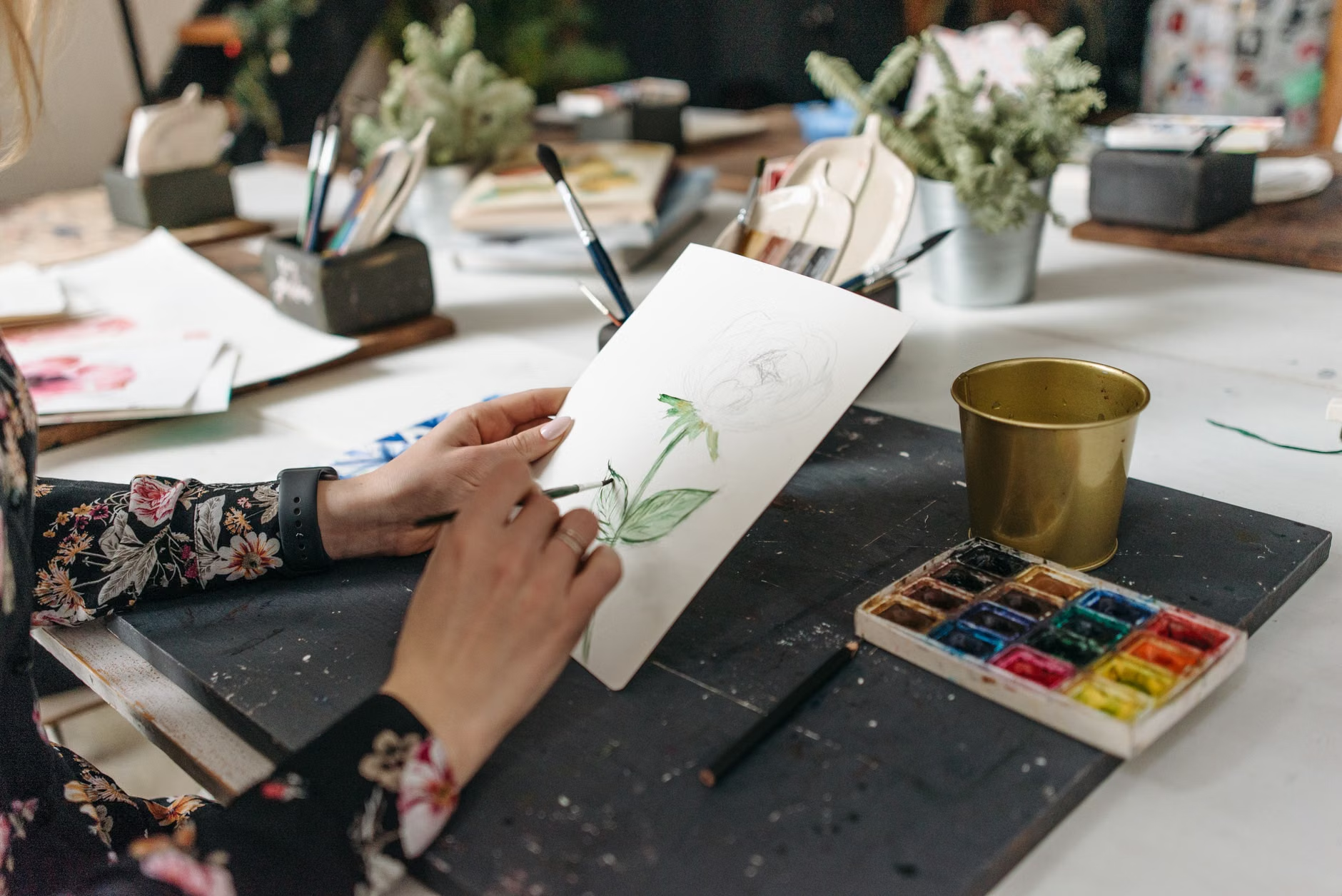
Evaluating Physical and Environmental Accessibility
Before committing to a class, it is essential to evaluate the physical environment. A “senior-friendly” label is not a guarantee of accessibility; you must look for specific features that accommodate your needs.
| Feature | What to Look For | Why It Matters |
|---|---|---|
| Lighting | Natural light or high-CRI (Color Rendering Index) LED lamps. | Prevents eye strain and ensures accurate color mixing. |
| Tables/Seating | Adjustable height tables, ergonomic chairs with back support. | Reduces back and neck pain during long sessions. |
| Accessibility | Level entries, elevators, and wide aisles for mobility aids. | Ensures safety and independence for all participants. |
If you have specific mobility challenges, such as arthritis or limited range of motion, look for classes that provide specialized equipment like brush grips or easel stands. These small adjustments can significantly increase your enjoyment and prevent fatigue.
Structuring Your Creative Journey: From Beginner to Participant
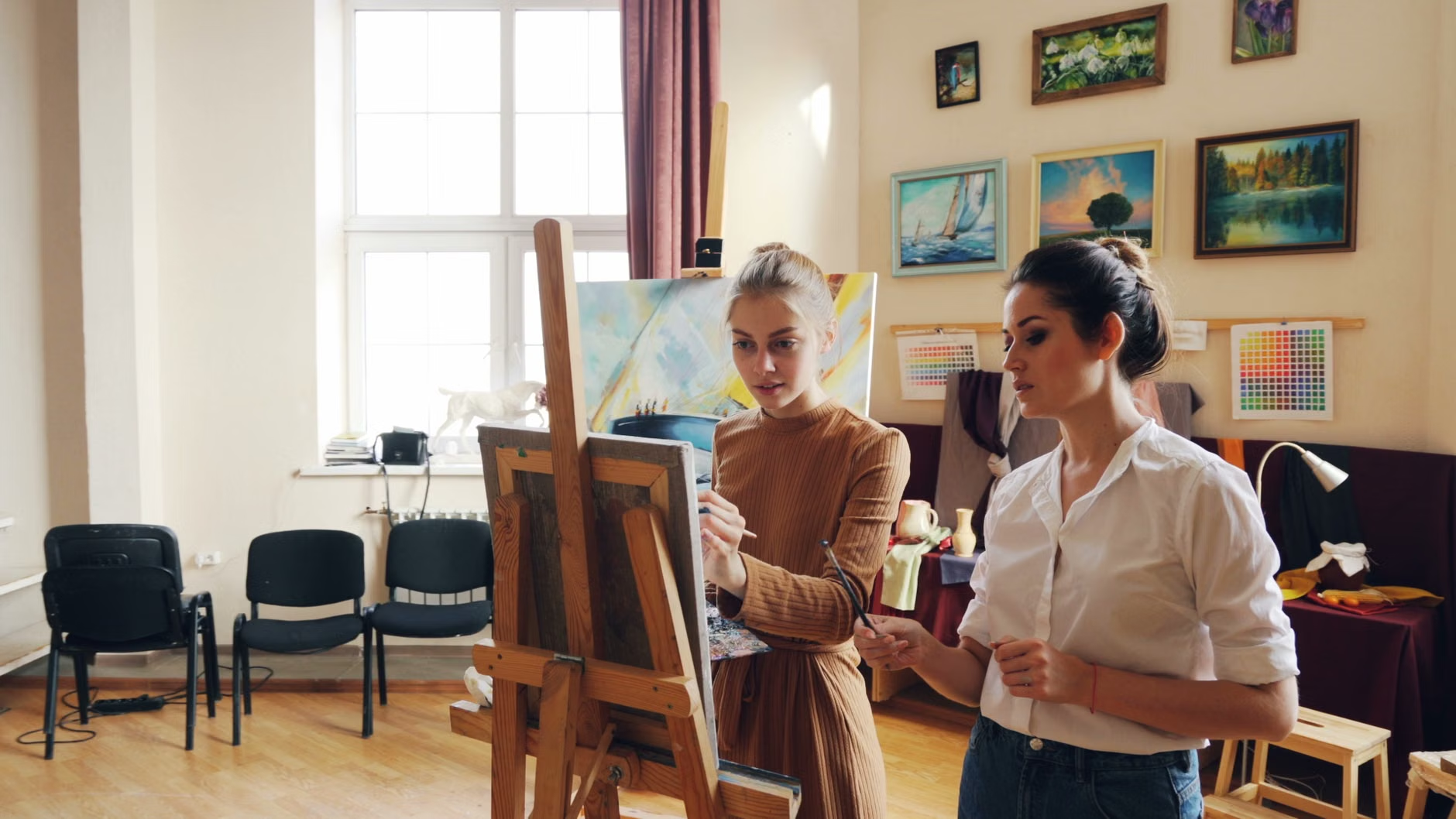
Starting a new hobby can feel daunting. However, you do not need to be an “artist” to benefit from watercolor. The goal is the process, not the final product. Here is a step-by-step guide to finding and joining a group:
- Identify Local Resources: Check your local community center, library, or university “lifelong learning” program. These institutions often offer subsidized or low-cost classes.
- Observe a Session: Before paying for a full course, ask if you can observe one session. This allows you to assess the pace and the social dynamic of the group.
- Assess the Instructor’s Approach: Look for instructors who emphasize “process-oriented” teaching rather than strict technical perfection. A good instructor will support your individual pace.
- Prepare Your Basic Kit: Start with a basic set of paints, a few brushes, and cold-press watercolor paper. Avoid purchasing expensive professional gear until you are certain of your interest.
Managing Expectations and Overcoming Common Barriers
One of the most common hurdles for older adults is the fear of “not being good enough.” It is important to remember that the social and cognitive benefits of painting occur regardless of your skill level. In fact, the “beginner’s mind”—the willingness to learn something new without the pressure of expertise—is a powerful tool for cognitive health.
Common Misconception: Many assume they need natural artistic talent. In reality, watercolor technique is a learned skill, much like cooking or gardening. With practice, you will see incremental improvements, which provides a rewarding sense of progress and self-efficacy.
Hidden Inconvenience: Be aware of the “dry time.” Watercolor needs time to dry between layers. This is actually a perfect social opportunity—while waiting for a wash to dry, you can chat with your neighbor, observe their technique, or simply rest your hands.
Integrating Watercolor into a Balanced Lifestyle
To maximize the benefits of this hobby, treat it as part of your broader wellness routine. If you are also managing health conditions, consider how your painting schedule fits into your energy levels. For instance, if you have chronic fatigue, scheduling a painting session for the morning when you are most alert is often more sustainable than an evening class.
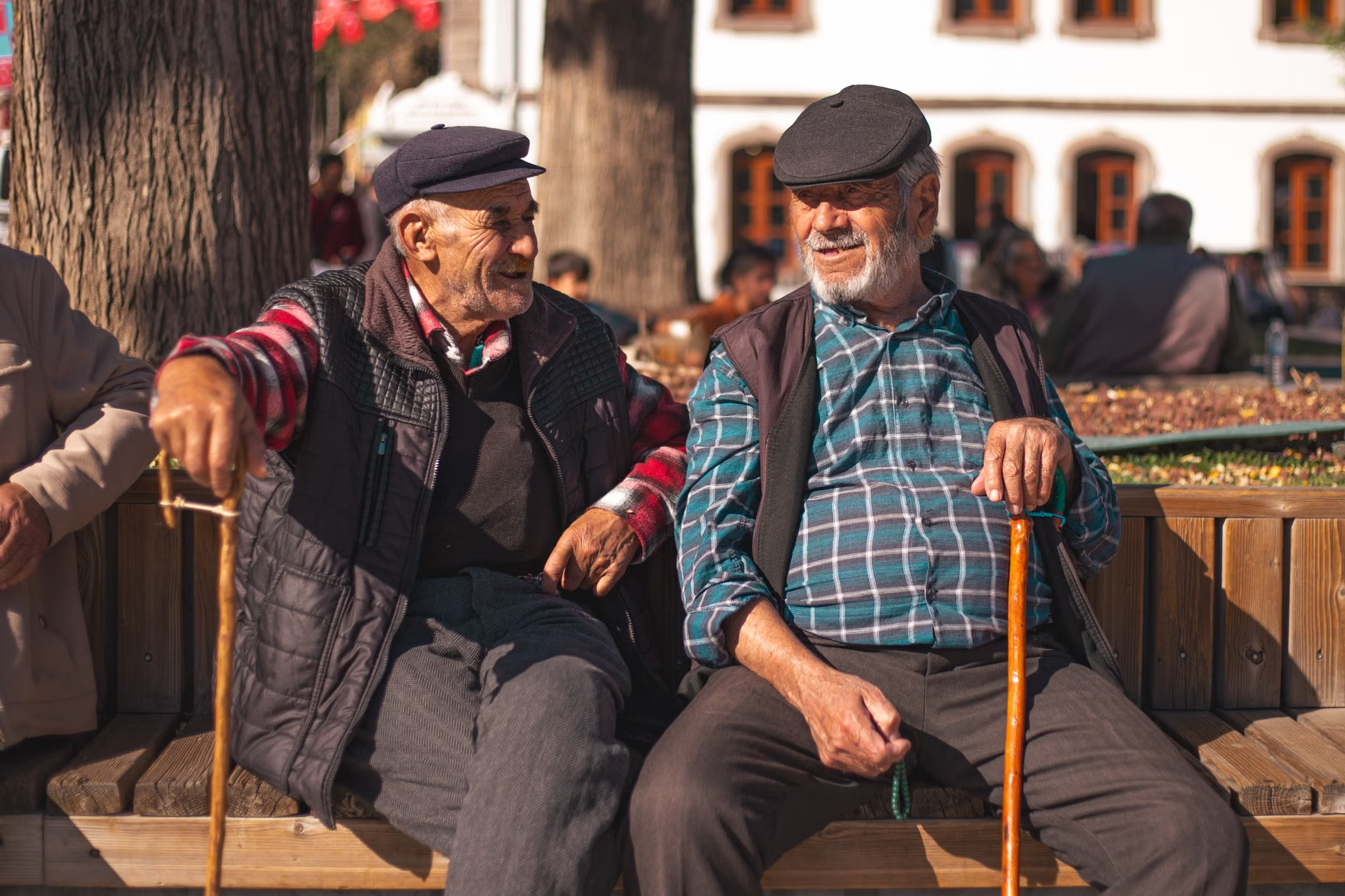
Furthermore, the social connections formed in these classes often extend beyond the art room. It is not uncommon for watercolor groups to organize gallery visits, coffee outings, or shared studio days. These “social clusters” are the primary mechanism through which community painting supports long-term emotional wellbeing.
For more information on the benefits of lifelong learning and creative arts, you may refer to the National Institute on Aging (NIA), which provides comprehensive resources on maintaining cognitive and social health through aging.
Conclusion: Taking the First Step
The decision to join a community watercolor group is an investment in your social and mental health. By selecting an accessible environment, focusing on the joy of the process, and engaging with your peers, you create a sustainable habit that rewards you every time you pick up a brush. Start by searching for a local introductory session this week—the social benefits of the community are waiting for you.
Frequently Asked Questions (FAQ)
1. Do I need to buy expensive art supplies to join a community class?
No. Most community classes provide a list of basic, affordable supplies for beginners. It is recommended to start with a standard student-grade set of paints and brushes. Investing in high-quality paper is more important than expensive paints, as better paper handles water more predictably, making the learning process less frustrating.
2. Is watercolor painting physically demanding?
Watercolor is generally very low-impact. However, it does require sitting for periods at a time. If you have mobility issues, ensure the facility has chairs with proper back support and that tables are at a comfortable height. Always listen to your body and take breaks to stretch your hands and shoulders every 20-30 minutes.
3. What if I have never painted before in my life?
Most community classes are designed specifically for beginners. The focus is on the social experience and the therapeutic benefits of creativity, not on producing gallery-quality work. Instructors in these settings are accustomed to working with students who have no prior experience and will help you build your skills from the ground up.