- Seated spinal extensions are a low-impact, accessible way to counteract the “forward-leaning” posture common in later years by mobilizing the thoracic spine.
- Consistency is more effective than intensity; performing gentle movements for 5 minutes daily provides better long-term postural benefits than infrequent, strenuous sessions.
- Always prioritize a “neutral spine” and pain-free range of motion; if you experience sharp pain or radiating numbness, stop immediately and consult a physical therapist.
Seated Spinal Extensions: A Practical Guide to Improving Posture and Spinal Health After 60
Maintaining an upright, comfortable posture is one of the most effective ways to preserve mobility and independence as we age. Between the ages of 60 and 80, many adults notice a gradual shift in their natural resting position—a tendency to hunch forward, often referred to as thoracic kyphosis. While this is a common physiological change, it is not inevitable. Seated spinal extensions are a targeted, safe, and highly effective preventive tool designed to mobilize the mid-back, open the chest, and counteract the effects of gravity and prolonged sitting.
This guide explores the mechanics of spinal health, the importance of thoracic mobility, and how to safely integrate seated extensions into your daily routine. By understanding how your spine moves, you can take proactive steps to maintain your height, balance, and comfort for years to come.
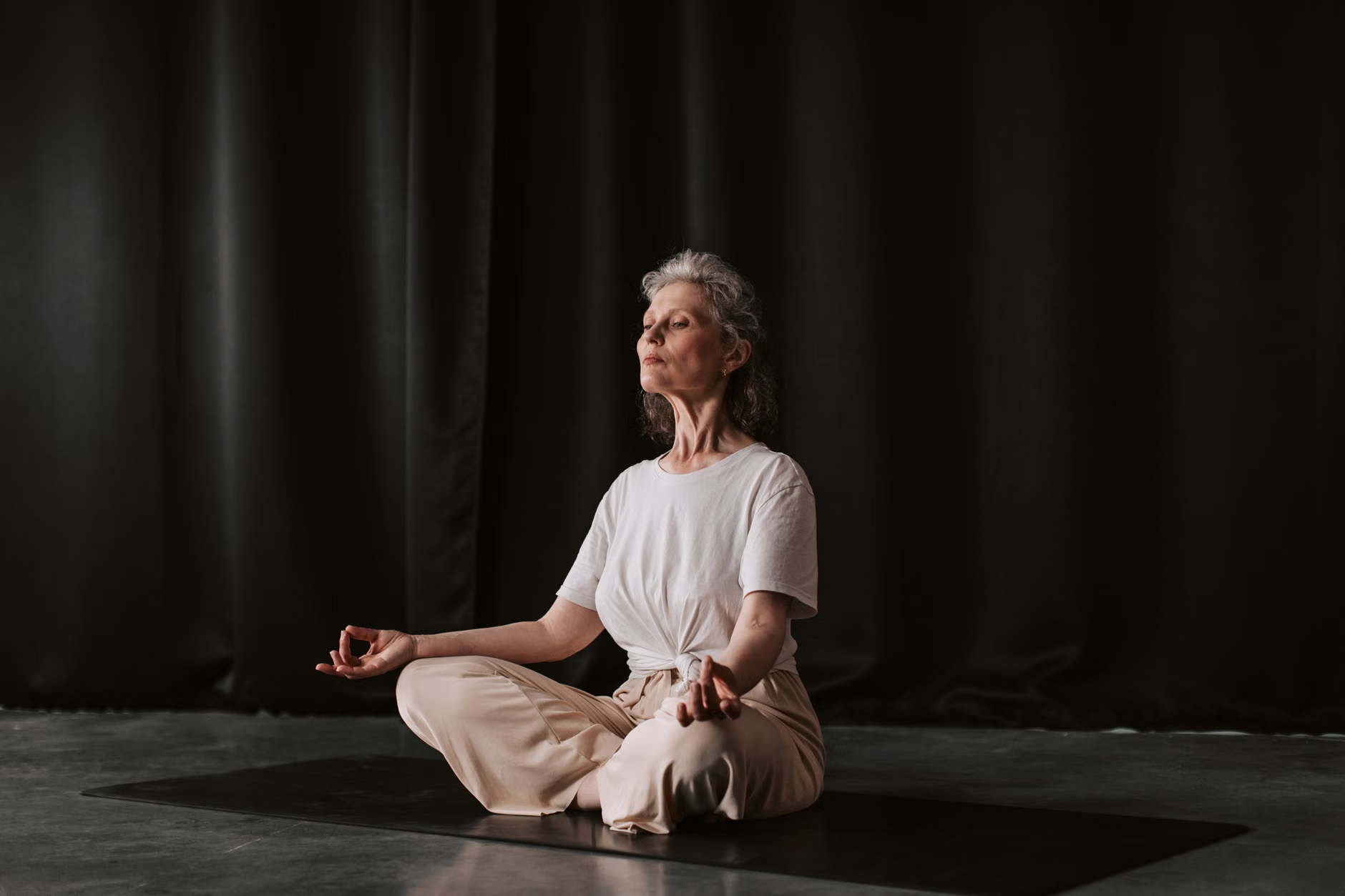
Understanding the Role of the Thoracic Spine
To understand why seated extensions matter, we must first look at the anatomy of the spine. The human spine is divided into three main sections: the cervical (neck), the thoracic (mid-back), and the lumbar (lower back). The thoracic spine, which consists of 12 vertebrae, is the segment most prone to stiffness as we age.
Why the thoracic spine matters: Unlike the lumbar spine, which is designed for stability, the thoracic spine is designed for rotation and extension. However, due to sedentary habits—such as reading, using digital devices, or driving—this area often becomes “locked” in a flexed, or rounded, position. When the thoracic spine stiffens, the body compensates by over-stressing the neck and the lower back. This leads to the classic “rounded shoulder” appearance and can contribute to back pain, restricted breathing, and a loss of balance.
The “Seated” Advantage: For many older adults, performing floor-based exercises can be challenging due to joint pain or difficulty getting up and down. Seated exercises provide a stable base, allowing you to isolate the movement to the upper back without the instability of standing or the complexity of floor work. By using a chair, you eliminate the need to balance, allowing you to focus entirely on the quality of the spinal extension.
The Mechanics of a Safe Seated Spinal Extension
A spinal extension is essentially the act of gently arching the upper back. It is the opposite of the “slumped” posture we adopt when tired. When performed correctly, it does not involve the lower back or the neck; the movement should be localized to the area between your shoulder blades.
Step-by-Step Execution
- Choose the right chair: Use a sturdy, non-swivel chair without wheels. A dining chair or a firm office chair works best. Ensure your feet are planted firmly on the floor.
- Find your neutral spine: Sit tall, imagining a string pulling the crown of your head toward the ceiling. Your shoulders should be relaxed, not hunched toward your ears.
- Position your hands: Place your hands gently behind your head, interlacing your fingers if comfortable. If this causes shoulder strain, simply cross your arms over your chest.
- Initiate the movement: Inhale deeply. As you exhale, gently lift your chest toward the ceiling. Focus on moving from the mid-back. Imagine you are trying to look at the ceiling without tilting your head back excessively.
- Hold and release: Hold the position for 2-3 seconds. Return to your starting, neutral position. Repeat this 5 to 8 times.
Common Mistakes to Avoid: A frequent error is “crunching” the lower back. If you feel a pinching sensation in your lower spine, you have likely gone too far or are arching from the waist rather than the mid-back. Remember: Small, controlled movements are always safer and more effective than large, forceful ones.
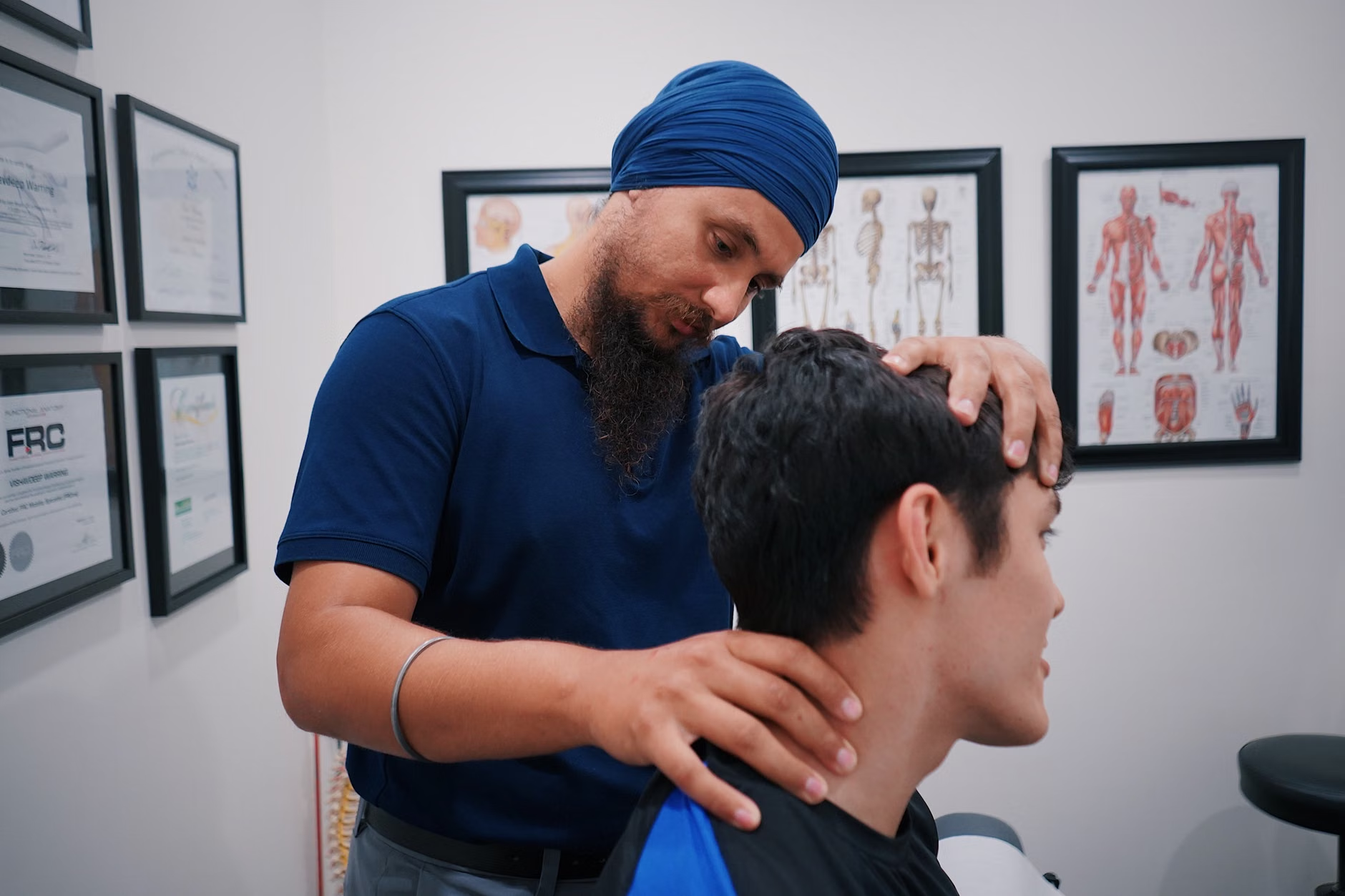
Integrating Mobility into Your Daily Life
The greatest barrier to posture correction is not the difficulty of the exercise, but the frequency of the habit. Because we spend so much time in a flexed position, performing one “exercise session” in the morning is rarely enough to offset the rest of the day. Instead, think of these extensions as “postural resets.”
The “Trigger-Based” Routine
Instead of setting aside a dedicated 30-minute block, integrate these extensions into existing daily habits. This approach, often called “habit stacking,” ensures consistency.
| Daily Trigger | Action | Benefit |
|---|---|---|
| After finishing a meal | 3-5 seated extensions | Combats the “post-meal slump” |
| Every time you check your email | 3-5 seated extensions | Breaks up long periods of screen time |
| While watching television | 10 extensions during commercial breaks | Maintains mobility during leisure |
This table illustrates that you do not need special equipment or an hour of time. By performing these movements at intervals throughout the day, you keep the thoracic spine supple and remind your body of what a “tall” posture feels like.
Modifications and Safety Considerations
Not every body is the same. If you have existing spinal conditions, such as osteoporosis, stenosis, or a history of disc issues, it is essential to adjust your approach. Always discuss new exercise routines with your physician or a licensed physical therapist, especially if you have been diagnosed with low bone density.
Modifications for Different Needs
- For Shoulder Stiffness: If raising your arms behind your head is painful, do not force it. Keep your hands on your lap or cross your arms over your chest. You will still achieve the necessary thoracic extension.
- For Lower Back Sensitivity: If your lower back feels “tight,” place a small, rolled-up towel behind your mid-back (at the level of your shoulder blades) while sitting. This provides a physical cue for your spine to stay upright and acts as a fulcrum for your extension.
- For Limited Range of Motion: If you feel you cannot move your spine at all, focus on “breathing into your chest.” Sometimes, the simple act of taking a deep breath and consciously lifting the breastbone is enough to begin the process of regaining mobility.
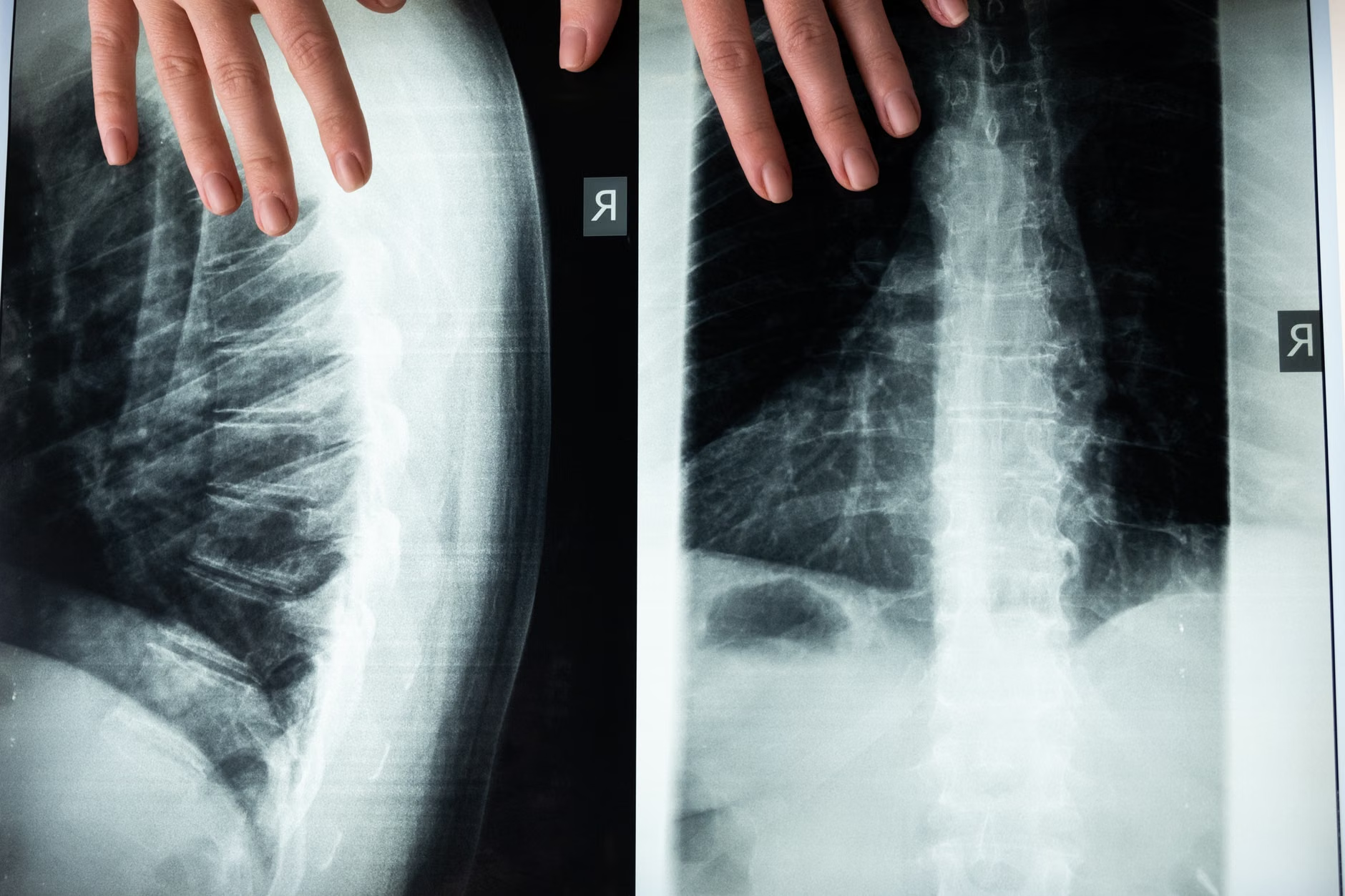
The Connection Between Posture and Daily Function
Why should you care about your thoracic mobility? The benefits extend far beyond aesthetics. A mobile, upright spine directly impacts your respiratory capacity. When the thoracic spine is rounded, the rib cage is compressed, which can limit the depth of your breaths. By opening the chest through regular extensions, you facilitate better lung expansion and oxygen intake.
Furthermore, posture is inextricably linked to balance. Our brain relies on sensory input from the spine to determine our position in space. When the spine is chronically rounded, the center of gravity shifts forward, increasing the risk of tripping or losing balance. By practicing spinal extension, you are training your body to maintain a neutral center of gravity, which is a critical component of fall prevention.
Insight: Many people mistakenly believe that back pain is a sign they should stop moving. In reality, for most non-acute cases, gentle movement is the “lubricant” the joints need. Stasis—or staying in one position for too long—is often the primary driver of stiffness. The goal is to move frequently, not necessarily to move intensely.
While self-managed exercises are excellent for prevention, there are times when you should seek professional guidance. If you experience any of the following, consult a healthcare provider:
- Radiating Pain: Pain that travels down your arms or legs, or feels like an electric shock.
- Numbness or Tingling: Any loss of sensation in your extremities.
- Sudden Loss of Balance: If your posture changes rapidly or you feel unsteady on your feet.
- Pain that Prevents Sleep: If discomfort is constant and does not resolve with rest or gentle movement.
When visiting a physical therapist or doctor, come prepared. Keep a simple log of when your back feels stiffest and what specific activities (e.g., sitting for long periods, gardening, walking) seem to trigger the discomfort. This information is invaluable for a professional to assess whether your stiffness is purely postural or related to an underlying structural issue.
Long-Term Success and Mindset
Maintaining spinal health after 60 is a marathon, not a sprint. It is helpful to view your spine like a hinge on a door. If a door is rarely opened, the hinge becomes stiff and may even rust. If you open it regularly, it moves smoothly. Your thoracic spine is that hinge.
Do not be discouraged by “off days.” There will be times when you feel stiffer than others, perhaps due to weather changes, stress, or a lack of sleep. On these days, focus on even smaller, gentler movements. Consistency is built on the days you don’t feel like doing it, not just the days you feel energetic.
Ultimately, the goal of these seated extensions is to keep you doing the things you love—whether that is traveling, gardening, playing with grandchildren, or simply reading a book comfortably. By dedicating just a few minutes a day to your spinal health, you are investing in your future independence and vitality.
Frequently Asked Questions
- Q: Should I feel a “stretch” when doing these exercises?
A: You should feel a gentle opening in your chest and mid-back. It should never be sharp, stinging, or painful. If you feel pain, reduce the intensity of the movement immediately. - Q: How many times a day should I do these?
A: There is no strict rule, but “little and often” is the gold standard. Aim for 3 to 5 sessions per day, focusing on quality over quantity. - Q: Can I do these if I have osteoporosis?
A: Osteoporosis requires caution. While gentle extension is generally recommended to counteract the forward-leaning posture associated with the condition, you must consult your doctor or a physical therapist to ensure the movements are appropriate for your specific bone density level.
For further reading on maintaining mobility and bone health, visit the National Institute of Arthritis and Musculoskeletal and Skin Diseases for evidence-based information on musculoskeletal health.
Disclaimer: This article is for informational purposes only and does not constitute medical advice, diagnosis, or treatment. Always seek the advice of your physician or other qualified health provider with any questions you may have regarding a medical condition.