Preventive Balance: A Comprehensive Guide to Seated Ankle-Circles for Proprioception
- Proprioception—your body’s ability to sense its position in space—declines with age, but can be maintained through consistent, low-impact ankle mobility exercises.
- Seated ankle-circles are a foundational, low-risk movement that directly improves the sensory feedback loop between your feet and your brain, crucial for balance.
- Consistency is superior to intensity; performing these circles daily for just 5 minutes provides more long-term benefits than sporadic, high-intensity workouts.
Maintaining independence in your 60s, 70s, and beyond relies heavily on one invisible but essential system: proprioception. This is the “sixth sense” that allows you to know where your limbs are without looking at them. When you walk on uneven pavement or step off a curb, your brain relies on signals from your ankles and feet to adjust your posture instantly. As we age, these signals can become delayed or less accurate, significantly increasing the risk of slips and falls. This guide focuses on how seated ankle-circles serve as a primary tool for sharpening this sensory feedback loop.
Understanding Proprioception: Why Your Ankles Are the Foundation
Proprioception is the process by which your nervous system receives data from specialized sensors in your joints, muscles, and skin. In the context of the lower body, the ankle joint is the most critical relay station. It acts as the primary interface between the ground and your central nervous system.
When you stand or walk, the ankle joint’s mechanoreceptors (nerve endings that respond to mechanical pressure) send constant updates to the brain about the surface texture, slope, and stability of the ground. Over time, these receptors can become less sensitive, or the neural pathways can become less efficient. This is not necessarily a sign of disease; it is a physiological adaptation that requires active maintenance. If you neglect ankle mobility, you essentially “numb” the sensory input that your brain uses to keep you upright.
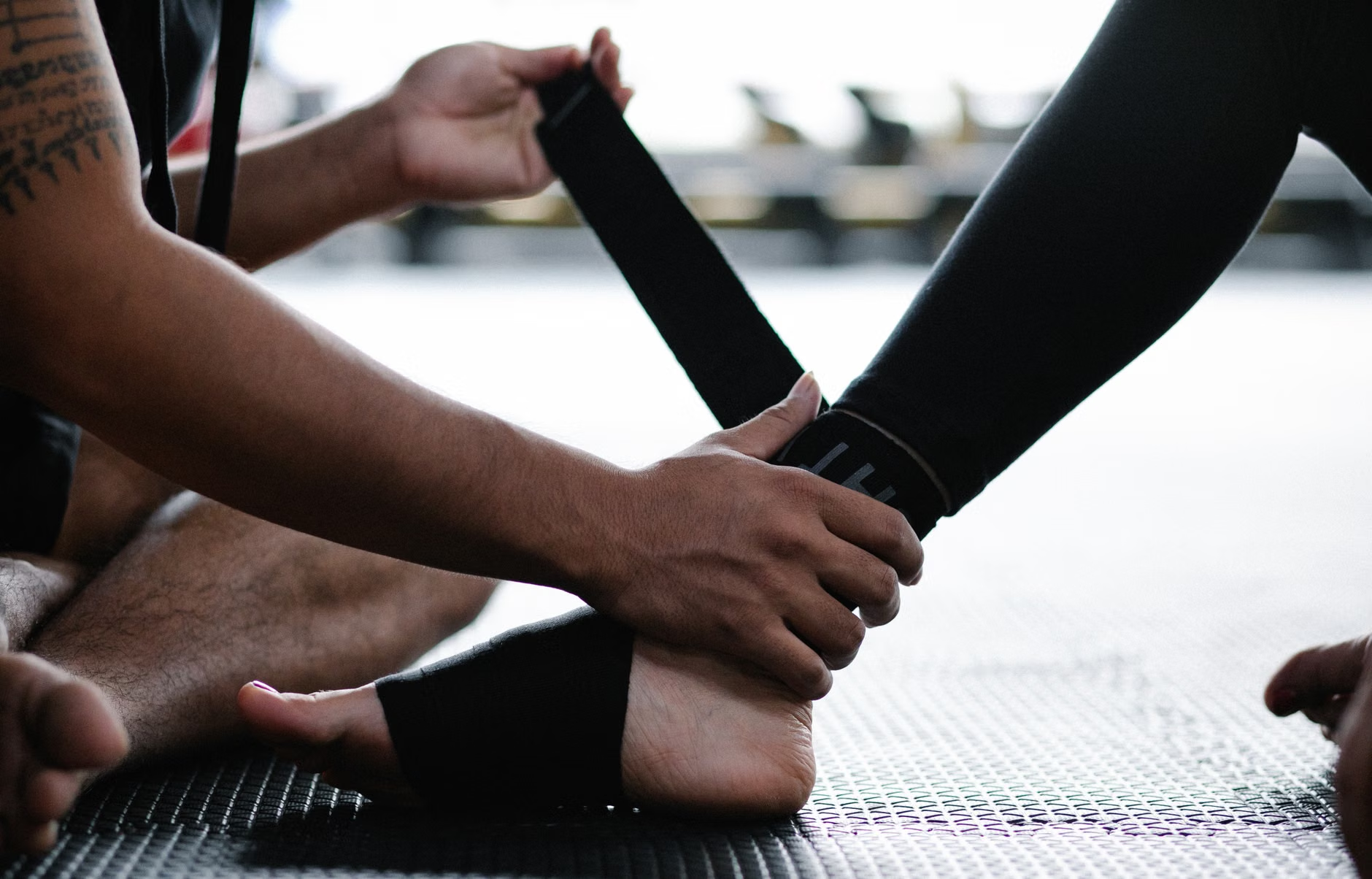
By performing ankle-circles, you are not just moving a joint; you are recalibrating the sensors. You are forcing the ankle to move through its full range of motion, which stimulates the surrounding tissues and re-engages the neural pathways. Think of it as “waking up” the connection between your feet and your brain every single morning.
The Mechanics of Seated Ankle-Circles: A Step-by-Step Execution
The beauty of seated ankle-circles lies in their accessibility. You do not need expensive equipment or a gym membership. However, the quality of the movement matters more than the quantity. Many people perform these incorrectly by moving only the toes or by rushing through the rotation.
Step-by-Step Guide
- Find a Stable Base: Sit on a sturdy, armless chair. Ensure your feet are flat on the floor and your knees are bent at a 90-degree angle. Your spine should be upright, not slumped against the backrest, to engage your core muscles.
- The Lift: Slowly lift one foot off the ground. You can keep your knee bent or extend your leg slightly, as long as your thigh remains supported by the chair.
- The Rotation: Start the circle by moving your foot in a controlled, slow motion. Imagine you are drawing a circle with your big toe. Do not let your entire leg move; the rotation should occur strictly at the ankle joint.
- Range of Motion: Aim for the widest circle possible. If you feel a “clicking” or “sticking” point, move through that area even more slowly. Do not force movement if you experience sharp pain.
- Directional Change: Perform 10 circles clockwise, then 10 circles counter-clockwise. Switch to the other foot and repeat.
Common Mistake: Many individuals move their entire lower leg from the hip rather than isolating the ankle. If you find your knee wobbling significantly, place a hand on your shin to stabilize the lower leg while the ankle does the work.
Integrating Proprioception Training into Your Daily Routine
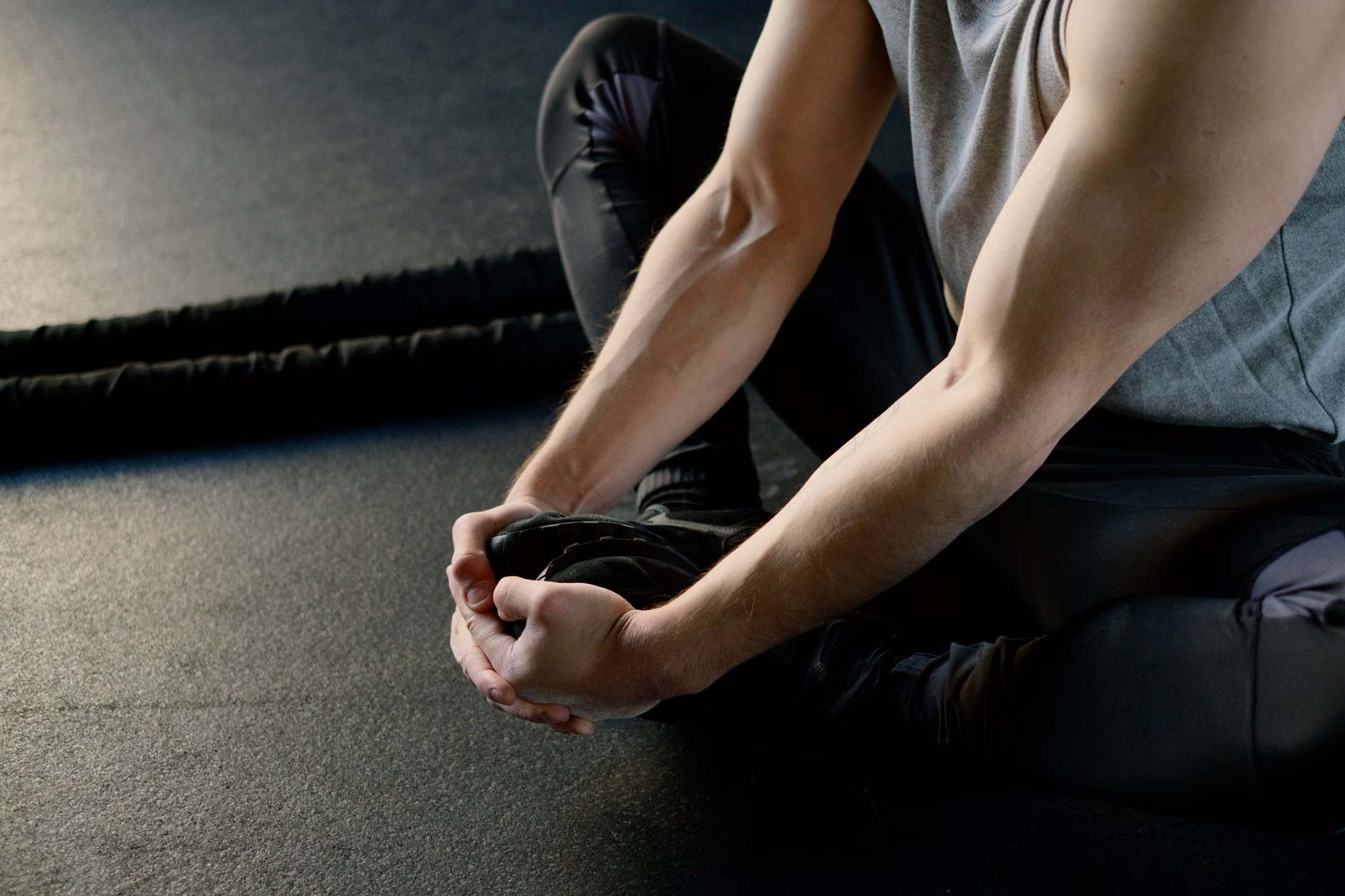
The most effective health habits are those that require minimal disruption to your existing schedule. Because seated ankle-circles can be performed anywhere, they are ideal for “habit stacking”—the practice of pairing a new habit with an existing one.
Examples of Habit Stacking
- The Morning Coffee Routine: While waiting for your coffee to brew or while sitting at the breakfast table, complete two sets of 10 circles per foot.
- Television Breaks: If you are watching a program, perform a set during every commercial break or every 15 minutes.
- Desk Work: If you use a computer, perform a set every time you finish an email or reach a natural stopping point in your work.
The frequency of these exercises is more important than the duration. Proprioception is improved by repetition. Your nervous system learns through consistent, low-stress inputs. Doing 50 circles all at once once a week is far less effective than doing 10 circles five times a day.
Comparing Proprioception Exercises: Choosing the Right Intensity
While ankle-circles are the entry point, there are other methods to improve balance. It is important to know when to stick to seated exercises and when to progress to more advanced forms of training.
| Exercise Type | Primary Benefit | Risk Level | Target Audience |
|---|---|---|---|
| Seated Ankle-Circles | Joint lubrication & sensory feedback | Very Low | Everyone, especially those with limited balance |
| Standing Calf Raises | Muscle strength & endurance | Moderate | Those with steady standing balance |
| Single-Leg Balancing | Dynamic stability | High | Those with advanced balance capabilities |
If you are currently experiencing any dizziness or history of frequent falls, please consult with a physical therapist before attempting standing exercises. The seated ankle-circle is the safest starting point for anyone looking to build a foundation of stability.
When to Seek Professional Guidance
While ankle-circles are a standard preventive measure, they are not a substitute for medical evaluation if you have underlying issues. You should consider speaking with a healthcare professional, specifically a physical therapist or a podiatrist, if you notice the following:
- Persistent Pain: If you feel sharp, stabbing, or radiating pain during the movement, this may indicate an injury to the ligaments or tendons that requires assessment.
- Swelling: Persistent swelling in the ankles is not normal and may be related to circulatory or systemic issues, not just lack of mobility.
- Numbness or Tingling: If you feel pins and needles in your feet, this could be a sign of peripheral neuropathy, which requires a formal medical diagnosis to manage correctly.
When you visit a professional, be prepared. Bring a list of your current medications, as some drugs can affect balance or cause peripheral edema (swelling). Keep a log for one week detailing when you feel most unstable—for example, “when getting out of bed” or “when walking on uneven surfaces.” This information is invaluable for a therapist to tailor your care.
Advanced Insights: The Role of Footwear and Surface
A frequently overlooked variable in proprioception is the type of footwear we choose. Many modern shoes are designed for maximum cushioning, which, while comfortable, effectively “muffles” the sensory information your feet send to your brain. When you wear thick, soft soles, you are essentially wearing a barrier that disconnects you from the ground.
For those at home, spending time in socks or even barefoot on safe, flat surfaces can actually improve your proprioceptive feedback. Your feet have thousands of nerve endings that are designed to feel the texture of the floor. When you move, your brain uses this data to adjust your center of gravity. If you feel comfortable and safe, consider doing your seated ankle-circles while barefoot to maximize the sensory input.
Additionally, consider the “hidden inconvenience” of home environments: rugs. Small, loose rugs are a leading cause of trips. Proprioception training is meant to help you navigate the world, but it works best when your environment is also designed for safety. Ensure your home is free of tripping hazards, as even the best proprioception cannot compensate for a rug that slides underfoot.
The Long-Term Perspective on Mobility
Preventive health is a long game. The goal of performing seated ankle-circles is not to see immediate results in a single day, but to maintain the integrity of your ankle joints over the next decade. As you age, the range of motion in your joints naturally tends to decrease—this is known as “stiffness.” By actively working against this trend, you are ensuring that your gait remains fluid and your reaction times remain sharp.
Consider the cumulative effect: if you perform 40 rotations per day, that is 280 rotations per week, and over 14,000 rotations per year. This volume of movement keeps the synovial fluid in your joints circulating, which nourishes the cartilage and keeps the joint surfaces smooth. This is a simple, cost-free intervention that pays dividends in mobility.
Practical Checklist for Daily Success
To ensure you stay consistent, treat this as a non-negotiable part of your daily hygiene, like brushing your teeth.
- [ ] Morning: 10 clockwise, 10 counter-clockwise per foot.
- [ ] Midday: 10 clockwise, 10 counter-clockwise per foot.
- [ ] Evening: 10 clockwise, 10 counter-clockwise per foot.
- [ ] Weekly Review: Assess if the movement feels easier or if your range of motion has increased.
By following this routine, you are taking proactive control of your physical independence. Proprioception is not static; it is a dynamic skill that you can improve at any age. Start today, keep it slow, and listen to what your body is telling you through the movement.
Frequently Asked Questions
1. Can ankle-circles help with balance during walking?
Yes. By increasing the range of motion and improving the sensory feedback from your ankles, your brain receives more accurate data about the surface you are walking on. This allows for faster, more subconscious adjustments to your balance while you move, which is critical for preventing trips and falls.
2. Is it normal to hear a clicking sound while doing ankle-circles?
Often, a “clicking” or “popping” sound is caused by tendons snapping over bony prominences. As long as it is not accompanied by pain or swelling, it is usually considered a normal physiological sound. If the clicking is accompanied by pain, please stop and consult a professional.
3. How long does it take to see improvements in proprioception?
Neural pathways adapt relatively quickly, but physical tissue changes take longer. Most people report feeling “more in tune” with their feet within 2 to 4 weeks of consistent daily practice. However, the true benefit is the cumulative maintenance of your joint health over months and years.
Official guidance on fall prevention and physical activity can be found through organizations like the CDC’s STEADI initiative, which provides evidence-based resources for older adults to maintain independence and safety.