- Request Early: Book airport assistance (wheelchair or mobility support) at least 48 hours before your flight to ensure staff availability.
- Understand the Codes: Familiarize yourself with IATA (International Air Transport Association) mobility codes to communicate your specific needs clearly to airlines.
- Manage Your Stamina: Utilize airside shuttles and lounge access to minimize physical exertion, ensuring you arrive at your destination refreshed rather than exhausted.
Empowering Your Journey: Why Airport Assistance Matters
International travel offers profound rewards, yet the physical demands of modern airport infrastructure—often characterized by long distances, complex security procedures, and tight connection times—can be daunting. For travelers aged 60 to 80, the goal is not to limit exploration, but to navigate the aviation environment with strategic foresight. Airport assistance is not merely a service for those with severe physical limitations; it is a tactical tool for maintaining energy levels, ensuring safety, and mitigating the stress of navigating vast, unfamiliar terminals.
When you utilize airport assistance, you are engaging with a standardized global system designed to facilitate smooth transit. Whether you require a wheelchair for long distances, help navigating complex security checkpoints, or assistance with luggage, these services are a standard, often free, component of international air travel. Understanding how to access and optimize these services is the difference between a stressful ordeal and a seamless, comfortable journey.
The Anatomy of Airport Assistance: Understanding IATA Mobility Codes
To ensure you receive the correct level of support, the aviation industry uses a standardized set of codes developed by the International Air Transport Association (IATA). When you book your ticket or contact the airline, using these specific terms ensures that the ground staff is prepared for your arrival.
| Code | Description | Ideal For |
|---|---|---|
| WCHR | Wheelchair Ramp: Passenger can walk up/down steps and move about the cabin but needs a wheelchair for long distances. | Travelers who can walk short distances but find terminal gates exhausting. |
| WCHS | Wheelchair Steps: Passenger cannot walk up/down steps but can move about the cabin. | Travelers who have difficulty with stairs or steep inclines. |
| WCHC | Wheelchair Cabin: Passenger is completely immobile and requires carry-on to their seat. | Travelers who require full physical support throughout the boarding process. |
| BLND | Blind/Vision Impaired: Passenger requires assistance for navigation. | Travelers who need a guided escort through terminal crowds. |
Choosing the right code is a matter of honesty regarding your stamina. If you are prone to fatigue, selecting WCHR is a sensible decision. It does not imply frailty; it implies a preference for conserving your energy for the destination rather than spending it walking through a two-kilometer concourse.
Strategic Planning: The 48-Hour Rule and Pre-Departure Preparation
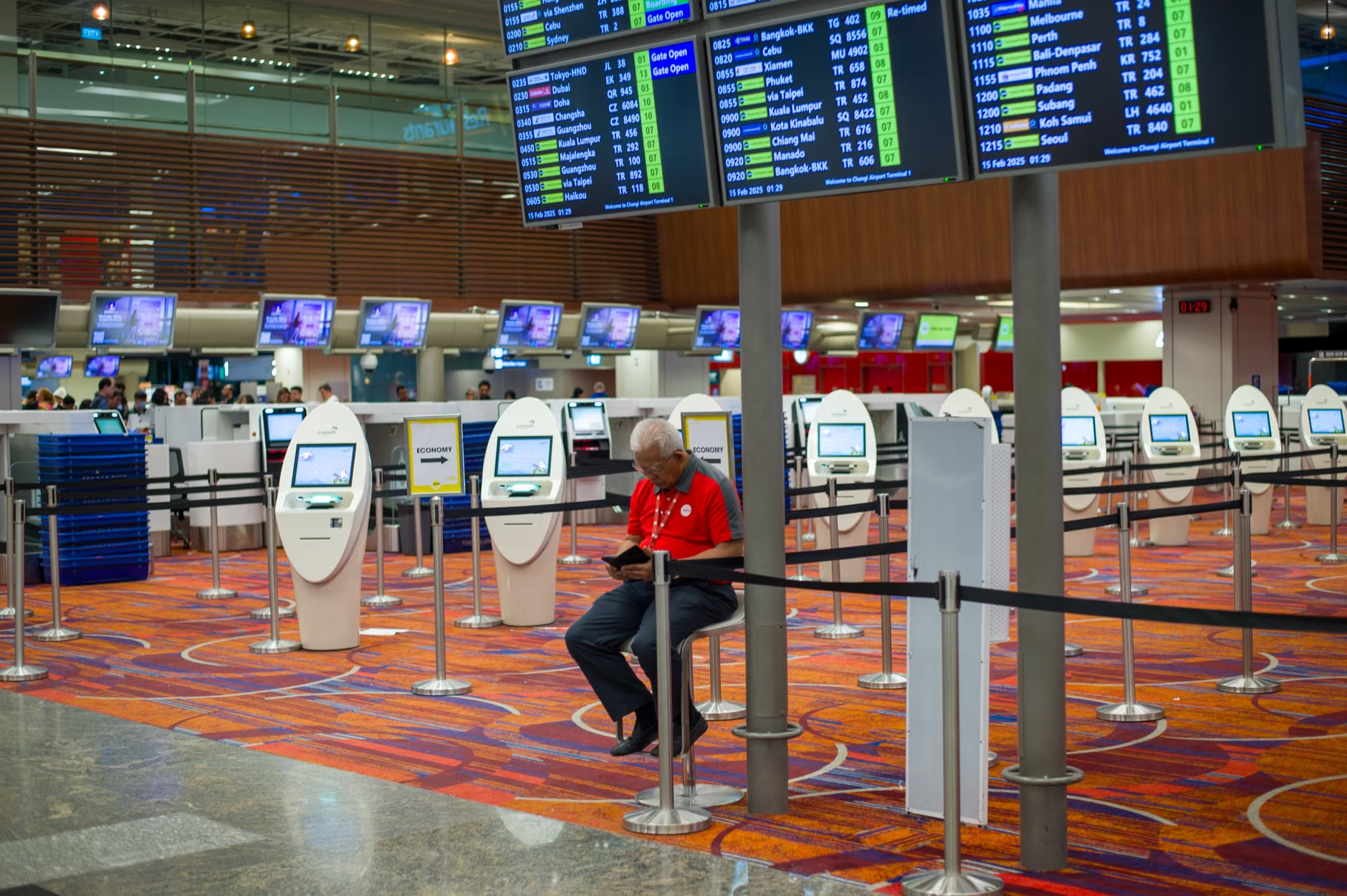
The most common mistake travelers make is assuming that assistance can be requested upon arrival at the check-in desk. While some airports may accommodate last-minute requests, availability is never guaranteed. The international standard for requesting assistance is at least 48 hours prior to your scheduled departure.
Step-by-Step Booking Process
- Initial Booking: When purchasing your ticket online, look for the “Special Assistance” or “Accessibility” checkbox. If you are booking through a travel agent, ensure they input the IATA code directly into your PNR (Passenger Name Record).
- Direct Confirmation: After booking, call the airline’s customer service line. Do not rely solely on the website. Ask the agent to confirm that the assistance request is “confirmed” in the system, not just “pending.”
- The 48-Hour Check: Two days before your flight, call the airline again. This is your “safety window.” It allows the airline time to adjust staffing if there has been a system error.
- Airport Notification: On the day of travel, arrive at the check-in desk at least 3 hours before an international flight. Reiterate your need for assistance to the agent, even if it is in the system.
Preparation also includes documentation. If you are traveling with personal medical equipment, such as a CPAP machine or a portable oxygen concentrator, check the airline’s specific policy on “Medical Clearance.” Most airlines require a doctor’s note stating that you are fit to fly and that the device is approved for use on board. Keep a physical copy of this note in your carry-on bag, along with a list of your current medications and emergency contact information.
Security checkpoints are often the most stressful part of the airport experience. For senior travelers, the objective is to move through this phase without rushing, which is where mistakes happen. Many international airports offer “Priority Lanes” or “Assisted Lanes” for passengers who require extra time or assistance.
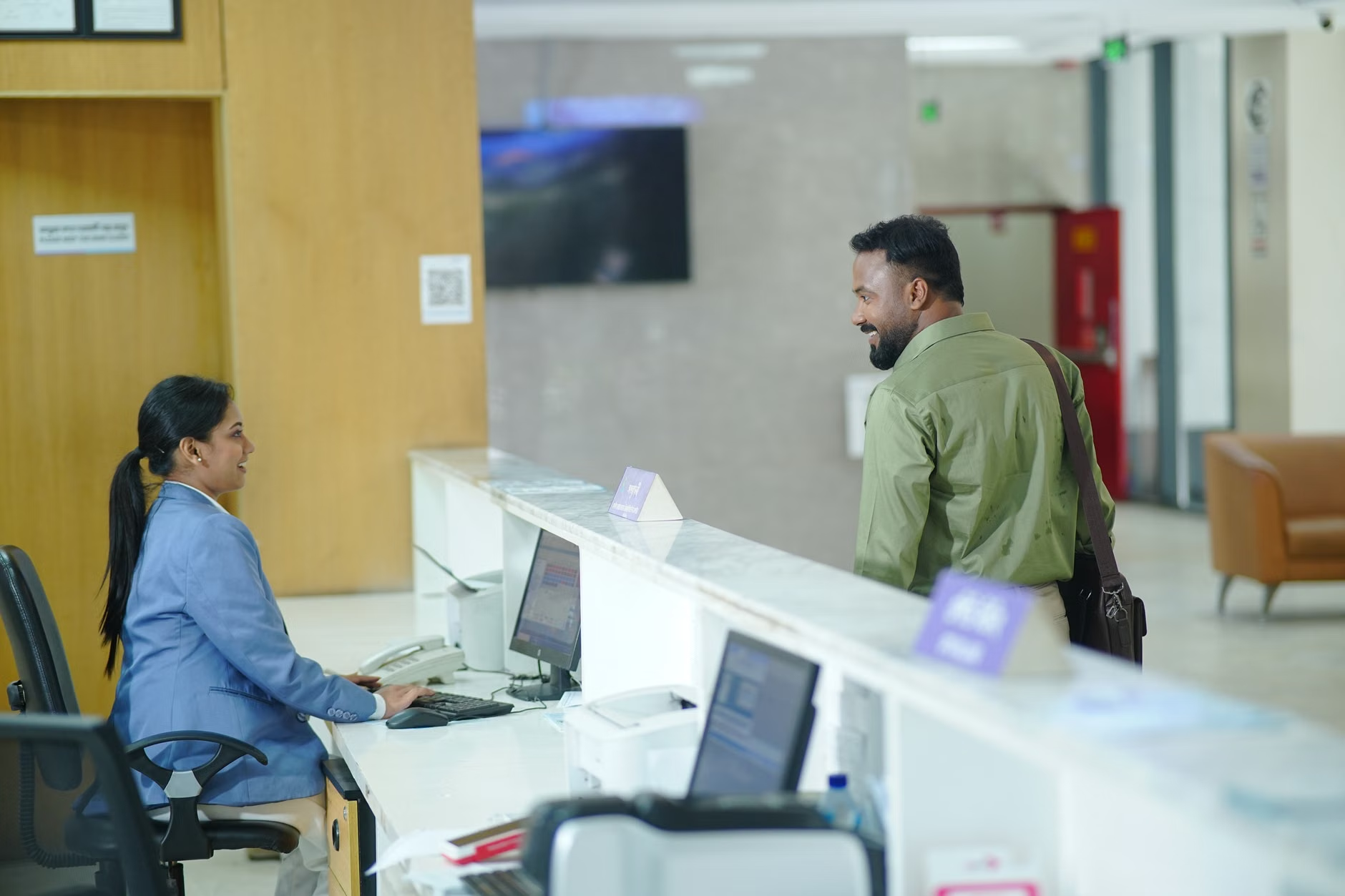
When you arrive at the security checkpoint, notify the officer that you have requested assistance. They may be able to direct you to a lane that is less crowded or equipped with wider pathways. If you are using a wheelchair provided by the airline, the assistant will typically bypass the standard queue and take you to a dedicated screening area. This is a significant advantage, as it removes the pressure of the “conveyor belt” pace of standard security lines.
Practical Tip: Wear slip-on shoes and avoid wearing excessive metal jewelry or belts. The goal is to minimize the number of items you need to remove and replace. Keep your liquids and electronics in an easily accessible pocket of your carry-on, or better yet, keep them in a separate, clear bag at the top of your luggage.
Maximizing Comfort During Transit: The Value of Lounges and Shuttles
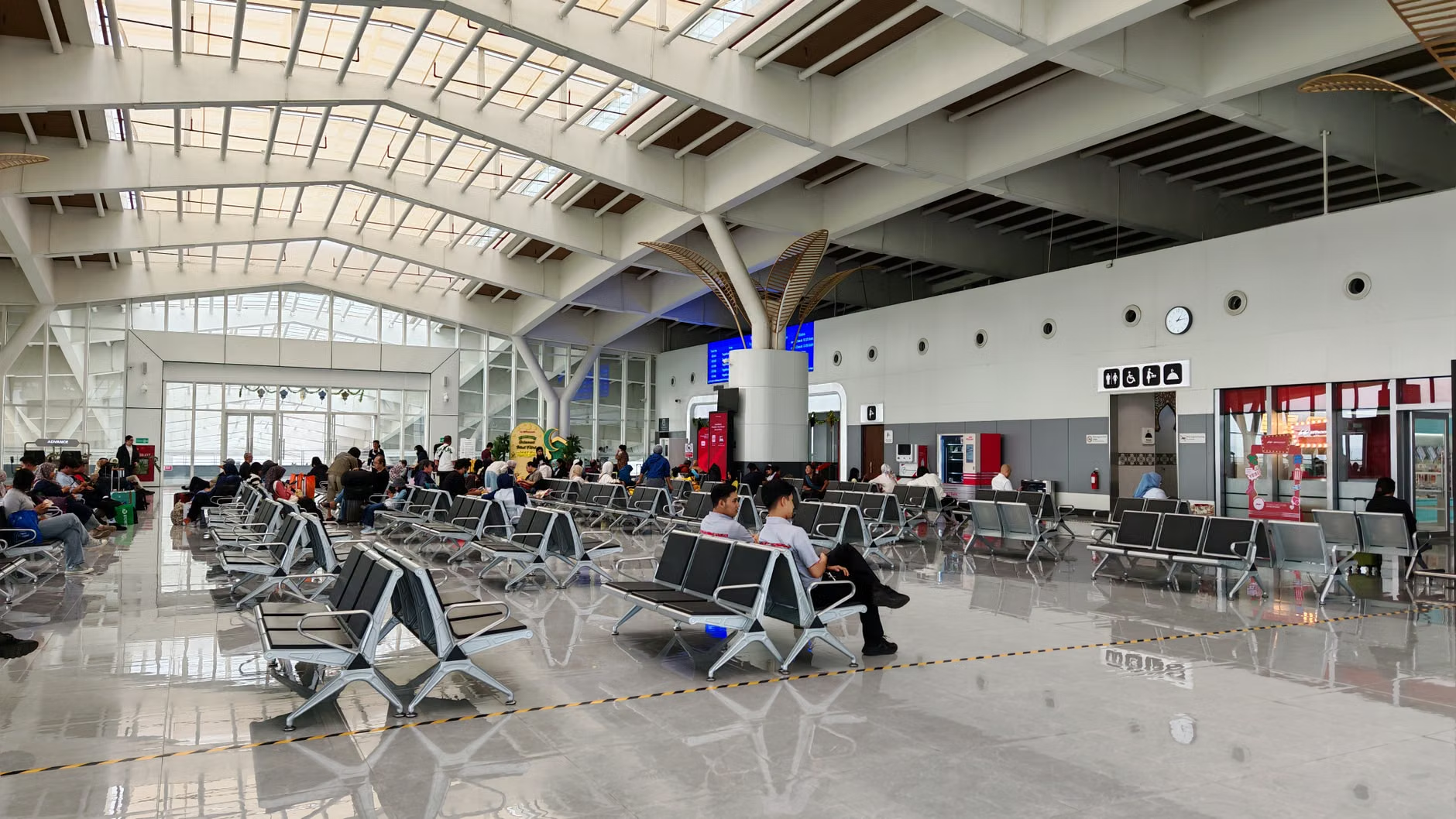
Long layovers are a reality of international travel. Instead of waiting at a crowded gate, consider the benefits of airport lounge access. Lounges provide quiet seating, accessible restrooms, and refreshments, all of which contribute to better physical and mental well-being. Many credit cards or premium travel memberships offer complimentary lounge access. Even if you have to pay a one-time fee, the cost is often justified by the decrease in physical and sensory fatigue.
If you have a connecting flight, inquire about “Airside Shuttles” or “Electric Carts.” Most large international hubs, such as Singapore Changi, London Heathrow, or Dubai International, have extensive internal transport systems. Do not hesitate to ask your arrival assistant to drop you off at a lounge or to assist you with the internal transit system. Your comfort is a priority, and these services exist precisely to facilitate that.
Addressing Hidden Challenges: The “Invisible” Barriers
Not all challenges are physical. Some are logistical, such as the distance between gates or the complexity of terminal signage. Many senior travelers find that the sheer scale of modern airports is the biggest hurdle. The key is to embrace “slow travel” within the terminal.
Overlooked Variables:
- Temperature Fluctuations: Large terminals can be drafty or overly air-conditioned. Dressing in layers is essential for maintaining core body temperature and preventing discomfort during long waits.
- Hydration and Nutrition: Airport food is often high in sodium and expensive. Carry a reusable water bottle (fill it after security) and high-protein, low-sugar snacks to maintain your energy levels without relying on processed terminal food.
- Digital Fatigue: If you are not comfortable using mobile boarding passes, print physical copies. Having a paper backup provides peace of mind and simplifies interactions with gate agents and security personnel.
The Psychological Aspect: Maintaining Control and Autonomy
Travel is an exercise in agency. Utilizing airport assistance does not mean relinquishing control; it means delegating the logistical heavy lifting so you can focus on the experience itself. It is perfectly acceptable to speak up if your assistant is moving too quickly or if you need a moment to collect your belongings. You are the customer, and the assistance staff is there to support your specific needs. Maintain a polite but firm communication style. If you feel a specific instruction is not being understood, ask to speak with a supervisor.
Conclusion: A Proactive Approach to Global Exploration
Mastering airport assistance is about preparation, communication, and self-advocacy. By understanding the IATA codes, adhering to the 48-hour booking rule, and utilizing the resources available to you, you can remove the physical barriers that might otherwise discourage you from international travel. Remember that your comfort is not an inconvenience to the airline; it is a standard part of their operational responsibility. Approach your next journey with the confidence that you have a plan, a support system, and the tools to navigate the world on your own terms.
Frequently Asked Questions
1. Is airport assistance free of charge?
Yes, in the vast majority of international jurisdictions, assistance services for passengers with reduced mobility are provided free of charge by the airport or the airline. Always confirm this at the time of booking, but you should not be expected to pay for standard wheelchair or escort services.
2. Should I tip the airport assistance staff?
Tipping culture varies significantly by country. In the United States, tipping is common and appreciated. In many other parts of the world, such as Japan or parts of Northern Europe, tipping is not expected and may even be considered unusual. If you feel the service was exceptional, a small gesture is generally acceptable, but never feel obligated to do so.
3. What if my assistance request is not fulfilled upon arrival?
If you arrive at the airport and your request has not been processed, remain calm and head directly to the airline’s check-in desk. Present your booking reference and your record of the request. If there is a delay, ask for a clear timeline and ensure you are provided with a seating area while you wait. Having your booking confirmation in writing (either digital or printed) is your best tool for resolving these discrepancies.
For further information on air travel rights, consult the official guidance from your regional aviation authority, such as the U.S. Department of Transportation or the European Union Passenger Rights portal.