- Board game cafes offer a low-stakes, structured social environment that promotes cognitive engagement and reduces feelings of isolation.
- When choosing a venue, prioritize physical accessibility, noise levels, and the availability of staff to explain rules, which simplifies the learning process.
- Modern board games cater to a wide range of interests, from strategy and logic to cooperative play, allowing you to choose games that match your current energy and interest levels.
The Renaissance of Tabletop Gaming for Older Adults
Board game cafes are experiencing a global resurgence, evolving from niche enthusiast hubs into vibrant community spaces. For adults aged 60 and older, these venues represent a unique intersection of leisure, social connection, and cognitive maintenance. Unlike digital entertainment, which can often be isolating, board game cafes require active, face-to-face interaction and collaborative problem-solving.
The appeal of these spaces lies in their structure. They provide a “third place”—a social environment separate from the home and the workplace—where the activity (the game) serves as a bridge for conversation. For those who may find the prospect of “just hanging out” daunting, the game provides a clear, shared purpose, effectively removing the pressure to constantly carry a conversation.
This article explores how you can leverage these spaces to enhance your daily wellbeing, how to assess a cafe for your specific mobility or accessibility needs, and how to select games that are rewarding without being overwhelming.

Why Community Gaming Matters for Cognitive and Social Health
Engaging in tabletop games is not merely a way to pass the time; it is a form of neuro-stimulation. Research suggests that cognitive engagement, particularly activities that involve complex decision-making, pattern recognition, and social interaction, plays a role in maintaining cognitive reserve as we age. When you play a game, you are exercising your brain’s executive functions—planning, working memory, and cognitive flexibility—in a pleasurable, low-stress environment.
The Social Buffer: Reducing Isolation
Social isolation is a significant concern for many older adults. Board game cafes act as a natural “social buffer.” Because the focus is on the board, the intense pressure of constant eye contact or forced small talk is mitigated. If you are quiet for a moment while considering your next move, it is perceived as part of the game, not as a social awkwardness.
The Role of Cooperation vs. Competition
It is a common misconception that all board games are about winning or losing. In fact, the modern gaming industry has shifted toward “cooperative games.” In these games, all players work together against the game mechanics to achieve a common goal. For groups of friends or family members, this can be a powerful way to foster teamwork and shared accomplishment, rather than focusing on individual victory.
Evaluating a Board Game Cafe: A Practical Checklist
Not all cafes are created equal. Before visiting, it is helpful to assess a venue based on factors that directly influence your comfort and ability to enjoy the experience. Use the following criteria to evaluate potential locations in your area.
| Feature | What to Look For | Why It Matters |
|---|---|---|
| Physical Accessibility | Level entry, wide aisles, and accessible restrooms. | Ensures safety and independence, especially for those using mobility aids. |
| Staff Support | “Game Masters” or staff who explain rules. | Saves you from the frustration of reading long, complex manuals. |
| Noise Levels | Acoustic paneling or designated quiet zones. | Essential for those who find high-volume environments overstimulating or difficult for hearing. |
| Lighting | Bright, adjustable, or glare-free lighting. | Crucial for reading small text on cards and game boards. |
Pro-tip: Call the cafe during off-peak hours (usually weekday afternoons) and ask, “Do you have a staff member who can help us learn a game?” and “Is your space wheelchair-accessible?” This simple step can prevent a wasted trip and ensure you arrive when the environment is most conducive to a relaxed experience.

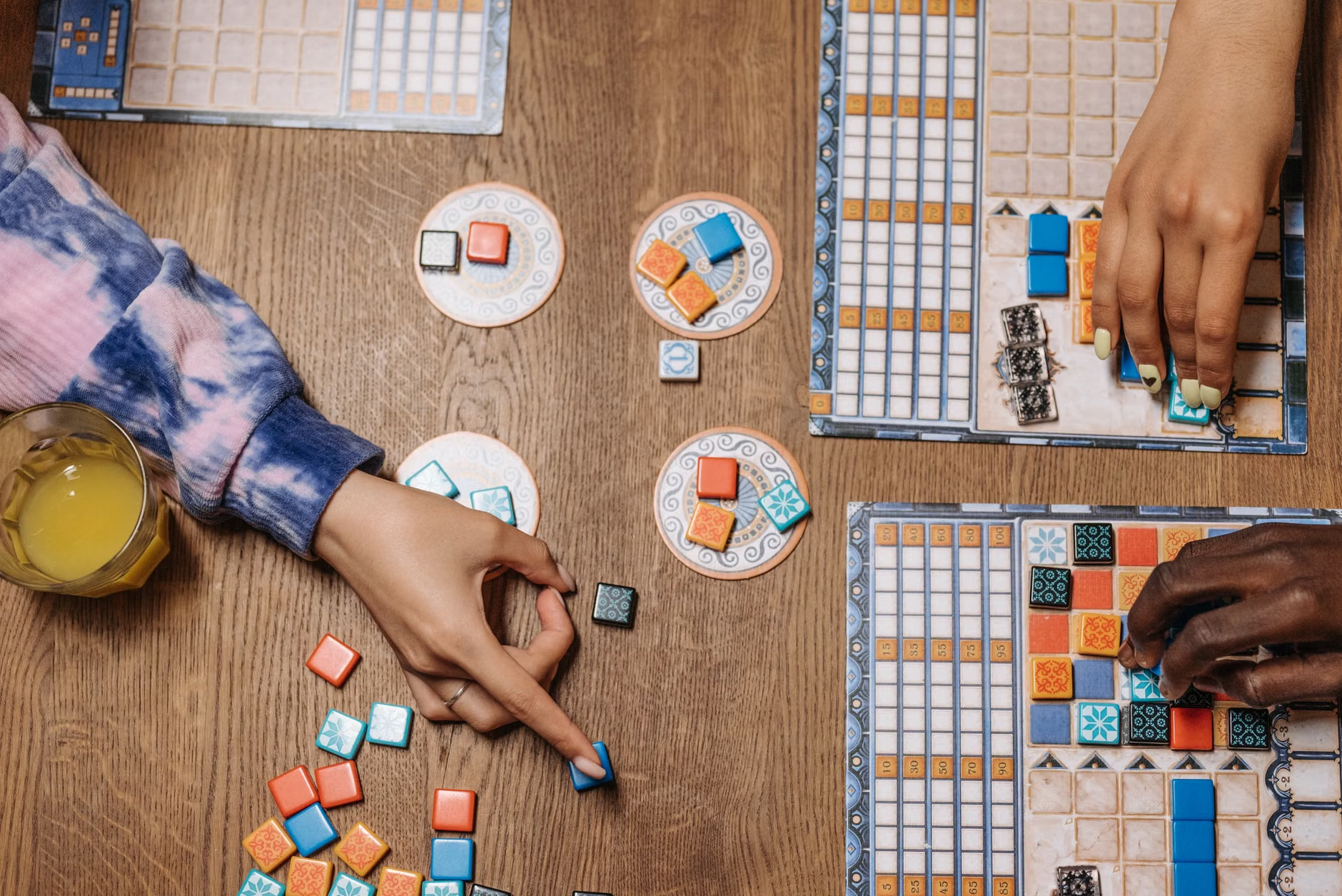
If you haven’t played a board game since the mid-20th century, you may be surprised by the evolution of the hobby. Modern games are designed with diverse mechanics, high-quality components, and intuitive designs that make them more engaging than traditional “roll and move” games like snakes and ladders.
Categories of Games to Consider
- Abstract Strategy Games: These rely on logic rather than luck. They are excellent for focused, quiet play.
- Engine-Building Games: These involve setting up a system that becomes more efficient over time. They are deeply rewarding for those who enjoy planning and progress.
- Cooperative Games: As mentioned, these prioritize teamwork. They are ideal for couples or friends who prefer to win or lose together.
A Common Mistake: Many newcomers pick games based on the artwork or the box size. Instead, look for the “complexity rating” or “playtime” on the back of the box. A game that takes 30 to 45 minutes is usually the “sweet spot” for a first visit to a cafe, allowing you enough time to learn and enjoy the game without feeling drained.
The Practicalities: Mobility, Stamina, and Cost
Leisure activities should add to your energy, not deplete it. When planning an outing to a board game cafe, consider your personal stamina. Sitting for long periods can be taxing, so look for venues that offer comfortable, ergonomic seating rather than high stools or backless benches.
Managing Expectations
If you have limited stamina, treat the outing as a 90-minute session rather than an all-day event. Many board game cafes charge an hourly “cover fee” for the use of the game library. Check if they offer senior discounts or “off-peak” rates. For instance, many cafes in urban centers offer lower rates on Tuesday or Wednesday afternoons, which are also the quietest times to visit.
Safety Considerations
While board game cafes are generally safe, be mindful of your environment. Ensure your bag and personal belongings are kept within your line of sight. If you are traveling to a new neighborhood, research the transit options beforehand, prioritizing stops that are close to the cafe entrance to minimize walking distance if mobility is a concern.
The Hidden Benefits of “Game Masters”
One of the most valuable aspects of modern board game cafes is the presence of a “Game Master.” This is a staff member whose primary role is to know the library and teach the rules. Instead of you spending 45 minutes reading a confusing instruction booklet, a Game Master can teach you a game in 10 minutes.
How to use this resource: When you arrive, tell the staff, “We are looking for a game that isn’t too complicated, involves some strategy, and can be played in under an hour.” Be honest about your preferences. If you dislike games with direct conflict (where you attack other players), say so. The staff will be happy to steer you toward games that fit your personality, ensuring a much higher satisfaction rate than picking a game at random.
Building a Consistent Hobby
The true value of a board game cafe is realized through consistency. By making it a recurring event—perhaps once every two weeks—you build familiarity with the staff, the space, and the types of games you enjoy. This turns a “one-off” outing into a reliable part of your social calendar.
Consider inviting a friend or family member to join you, but don’t feel obligated to wait for a group. Many cafes have “Open Play” nights where individuals can join a table of others looking for a game. This is a fantastic, low-pressure way to meet new people in your community who share an interest in tabletop gaming.
Conclusion: Taking the First Step
Board game cafes are more than just rooms filled with cardboard and dice. They are intentional spaces for human connection, cognitive exercise, and simple, old-fashioned fun. By selecting a venue that meets your accessibility needs, utilizing the expertise of the staff, and choosing games that align with your energy levels, you can transform your leisure time into a source of ongoing joy and mental sharpness.
Your next step is simple: search online for “board game cafe” in your local city or town. Look at their website or social media pages to get a feel for the atmosphere. If the images show a clean, well-lit, and welcoming space, take the plunge and visit during a quiet afternoon. The board is set, and the game is waiting.
Frequently Asked Questions (FAQ)
1. I am worried about the noise level in board game cafes. How can I know if it will be too loud for me?
Most cafes are quietest during weekday afternoons, immediately after they open. You can also look at photos of the space; if you see hard surfaces like concrete and metal everywhere, it will likely be echoey. If you see carpets, curtains, or acoustic ceiling tiles, the noise will be better managed. You are also encouraged to call ahead and ask specifically about their “quieter hours.”
2. What if I don’t know anyone to go with? Can I still visit a board game cafe?
Absolutely. Many cafes host “Open Table” nights or specific social events for newcomers. When you arrive, you can simply ask the staff, “I’m here on my own and would love to join a group if there is one looking for another player.” Many gaming communities are very welcoming to new participants.
3. Are board games too difficult to learn? I’m worried about feeling overwhelmed.
Modern board games range from very simple to highly complex. The key is to avoid the “expert” sections of the library. Always start by asking a staff member to recommend a “gateway game”—these are specifically designed to be easy to learn and fun to play for people who are new to the hobby. With a staff member to explain the rules, you will find that the barrier to entry is much lower than you might expect.
For further reading on the benefits of cognitive activity in older adults, you may consult the official resources provided by the National Institute on Aging (NIA) regarding healthy aging and social engagement.