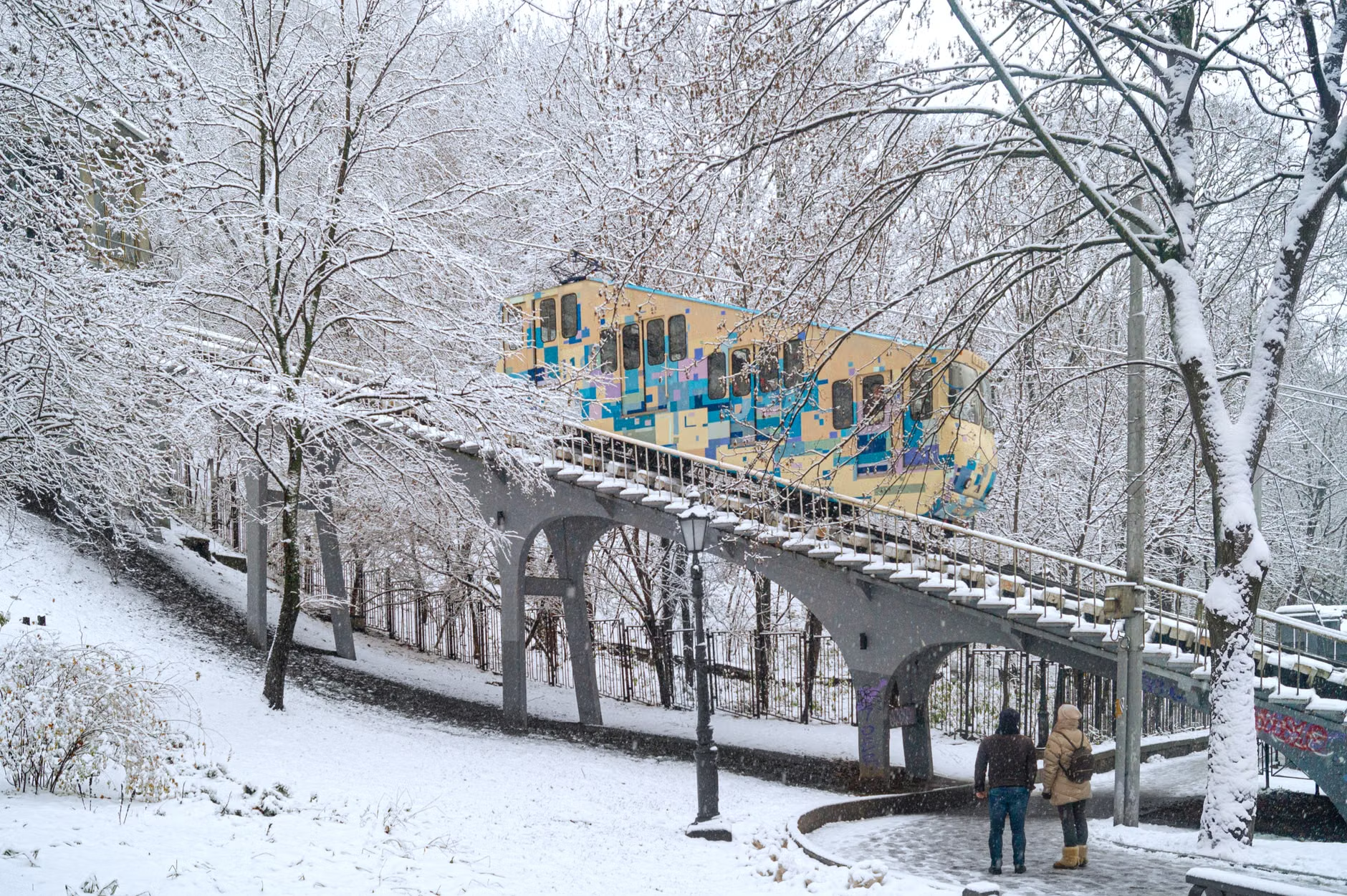
Funiculars—those cable-driven railways designed to climb steep slopes—are often the highlight of visiting historic cities, yet they can present unique challenges for senior travelers. Navigating these systems successfully requires more than just buying a ticket; it demands a clear understanding of accessibility standards, physical requirements, and pre-trip planning to ensure your journey is as comfortable as it is scenic.
- Verify Accessibility: Many historic funiculars have been retrofitted, but “accessible” can mean different things, from ramp-only access to elevator-equipped platforms. Always check the station’s specific infrastructure before arriving.
- Prioritize Off-Peak Hours: Traveling during mid-morning or early afternoon significantly reduces the pressure of boarding and ensures you can secure a seat, which is vital for maintaining stamina.
- Assess Your Mobility Needs: If you use a wheelchair or mobility aid, contact the operator in advance to confirm the width of the carriage doors and the weight capacity of the lift mechanisms.
Understanding Funicular Infrastructure and Accessibility
Funiculars are essentially inclined railways where two carriages are connected by a cable, counterbalancing each other. While they are a marvel of 19th and early 20th-century engineering, their historic nature often means that the original design did not account for modern accessibility needs. Today, however, many European and North American cities have undergone massive renovations to make these systems inclusive.
When we talk about “accessibility” in the context of funiculars, we are looking at three specific layers: the approach to the station, the boarding platform, and the carriage interior. A station might have an elevator, but if the street-level approach involves a steep cobblestone incline, your accessibility experience begins long before you reach the station building.

The Difference Between Historic and Modernized Systems
Some funiculars, such as the funiculars in Lisbon or the Funiculaire de Montmartre in Paris, have been modernized. Modernization typically includes low-floor boarding, automatic doors, and level access between the platform and the carriage. Conversely, older, strictly preserved systems may still require a small step up or a gap between the platform and the carriage. Knowing the difference between these two categories is essential for your travel safety.
| Feature | Modernized Systems | Historic/Preserved Systems |
|---|---|---|
| Boarding | Level, no-step boarding | May require a small step |
| Space | Wide aisles, room for mobility aids | Narrow, potentially tight seating |
| Infrastructure | Elevators, tactile paving | Stairs may be primary access |
Pre-Trip Planning: The Foundation of a Stress-Free Ride
The most common mistake senior travelers make is assuming that “accessible” is a universal standard. In reality, accessibility is defined by local regulations, which vary significantly by jurisdiction. For instance, in the European Union, the PRM (Persons with Reduced Mobility) standards are quite rigorous, but they apply differently to historical landmarks versus new transport infrastructure.
Researching Before You Arrive
Before you depart, visit the official website of the local transit authority. Look specifically for the “Accessibility” or “Assistance” section. Avoid relying solely on general travel blogs, as they often lack the technical detail required for those with specific mobility needs. Key information to look for includes:
- Platform Height: Is it level with the carriage floor?
- Assistance Staff: Is there a requirement to call ahead for station staff to deploy a ramp?
- Station Facilities: Are there accessible restrooms at both the base and the summit stations?
The Importance of Timing and Stamina
Physical stamina is a finite resource during travel. Funiculars are often located in busy tourist hubs, which means queues can be long. Standing for 30 to 45 minutes in a queue before boarding can exhaust your energy reserves before you even reach the destination. Aim to travel during “shoulder” times—usually between 10:30 AM and 12:00 PM, or after 2:30 PM. This avoids the morning rush and the late afternoon peak.
Once you are at the station, the priority shifts to safety and comfort. If you have mobility concerns, do not hesitate to identify yourself to the station staff. In many countries, such as Switzerland or Austria, funicular operators are highly trained to assist seniors and travelers with disabilities. They can often hold the carriage for a few extra moments to ensure you are seated safely.
Securing Your Safety Inside the Carriage
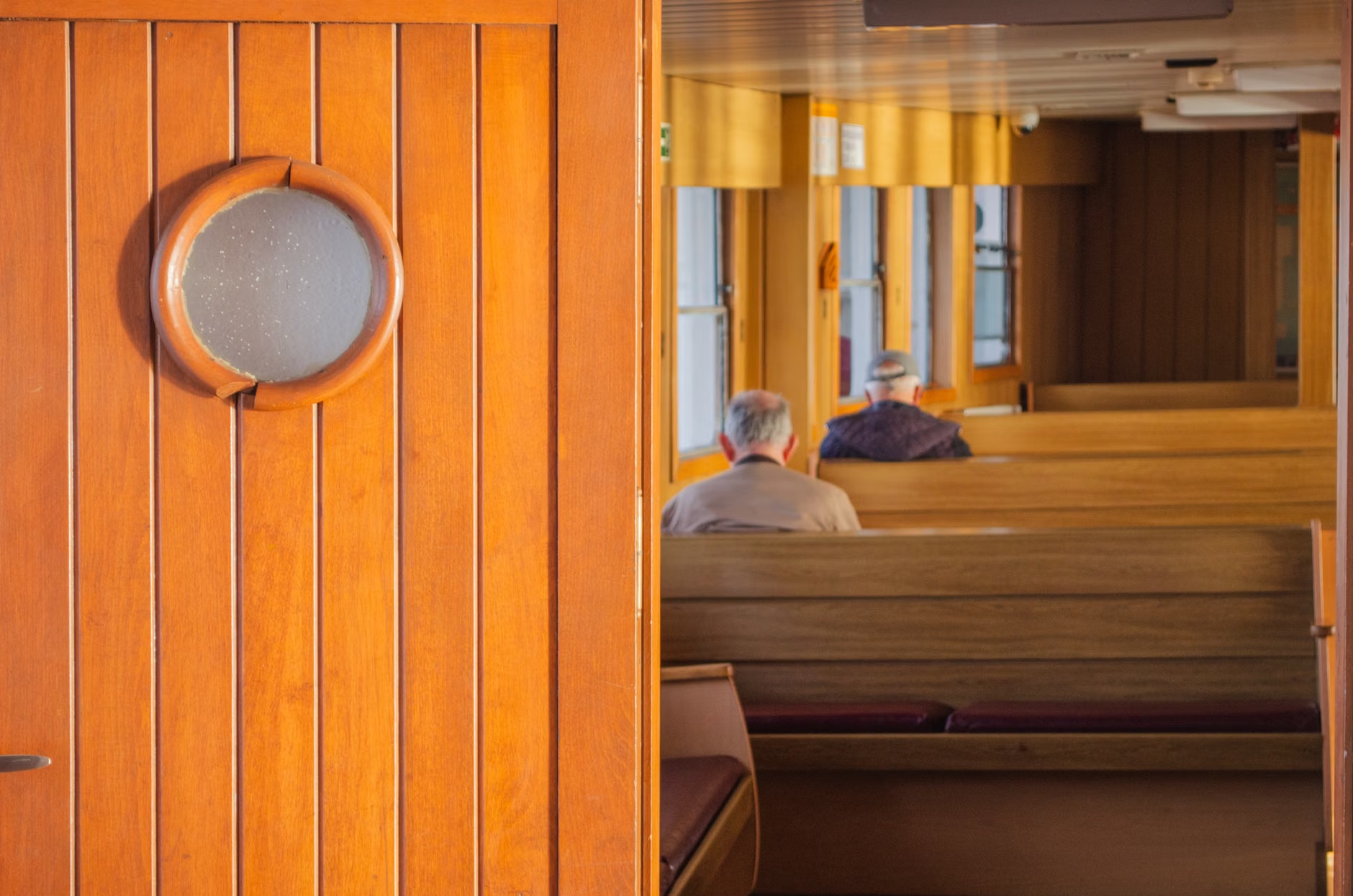
Once inside, your primary goal is to find a seat immediately. If the funicular is crowded, ask a younger passenger for a seat—this is a common and accepted social practice in most cultures. If you are traveling with a companion, have them stand near the door to help you navigate your exit. Many funiculars are steep, and the sensation of the incline can be disorienting for those who are prone to vertigo or balance issues. Keep your eyes on the horizon rather than looking down at the moving floor to maintain your equilibrium.
The “Hidden” Challenges: Cobblestones and Slopes
Even if the funicular ride is perfectly accessible, the area surrounding the station often presents the greatest risk of falls. Historic city centers are frequently paved with uneven cobblestones. If you use a cane or a walker, ensure it has a rubber ferrule with good grip. If you use a wheelchair, consider scouting the route from the station exit to your next point of interest using Google Maps Street View to check for steep inclines or stairs that might force a long detour.
Health and Safety Considerations
Traveling by funicular is generally safe, but it requires awareness of your body’s limits. The change in altitude, even if slight, can sometimes affect those with certain heart or respiratory conditions. If you have any concerns regarding your health, it is always wise to consult your physician about your travel plans, specifically regarding travel to areas with varying elevations.
Warning Signs to Watch For:
- Dizziness or Lightheadedness: If you feel this while the car is moving, sit down immediately, close your eyes, and focus on your breathing.
- Balance Issues: If the carriage is swaying, hold onto the railings or the back of a seat. Do not attempt to walk through the carriage while it is in motion.
- Exhaustion: If you feel overly fatigued, opt for a taxi or a bus for the return trip rather than attempting to navigate the funicular again, especially if it involves a steep climb from the station to your accommodation.
Practical Preparations for Your Medical Safety
Always carry a small card in your wallet containing a list of your current medications, your emergency contact information, and any relevant health conditions. This is a basic safety measure that provides peace of mind. Furthermore, if you are traveling internationally, ensure that your travel insurance covers medical transport and, if necessary, emergency evacuation back to your home country. Never assume that your domestic health insurance will cover you while abroad.
Comparative Analysis: Funiculars vs. Other Transport
It is worth noting that a funicular is not always the best choice for every senior traveler. Sometimes, a bus or a taxi offers a more direct, less energy-intensive route. If the funicular requires a significant walk from the city center, consider the total energy expenditure. A taxi might be slightly more expensive, but it may save you three hours of walking, allowing you to enjoy your destination more fully.
Decision Criteria for Transport Selection
- Energy Cost: How much walking is required to reach the funicular vs. a taxi stand?
- Time Sensitivity: Are you trying to meet a tour group or a reservation? If so, prioritize the most reliable transport, which is often a taxi or pre-booked private transfer.
- Experience Value: Is the funicular ride itself a “must-see” attraction? If so, prioritize it, but plan your rest time around it.
The Importance of Professional Assistance and Local Resources
When traveling, do not underestimate the value of local tourist information centers. They are often staffed by experts who know exactly which stations have working elevators and which routes are currently under construction. A quick stop at a visitor center can save you from a frustrating, inaccessible journey. Always ask: “Is there a route that avoids stairs?”
Furthermore, digital tools have revolutionized travel for seniors. Apps like Wheelmap or local transit apps provide real-time updates on elevator and escalator status. Using these tools allows you to adjust your plans in real-time, preventing the frustration of arriving at a station only to find the lift is out of service.
Deepening Your Travel Experience: Beyond the Ride
The beauty of funicular travel lies in the transition from the base of a city to its heights. Often, the summit station is where the best cafes, museums, and panoramic views are found. By planning your funicular trip with mobility in mind, you are not just getting from point A to point B; you are securing your ability to enjoy the destination as much as anyone else.
Remember that the goal of travel is enrichment, not physical exhaustion. If you find yourself having a particularly good day, you might choose to take the funicular up and walk down (if the terrain allows). If you are feeling less energetic, there is no shame in taking the funicular both ways. The key is to remain flexible and listen to your body’s signals.
Lastly, always keep a small amount of local currency on hand. While many stations have modern ticket machines, some historic kiosks or smaller stations may still require cash, or you may find yourself in a situation where a credit card terminal is temporarily offline. Being prepared with a variety of payment methods is a simple but vital part of travel readiness.
Conclusion: Your Next Steps
Accessible funicular travel is entirely possible with the right preparation. By researching the specific station infrastructure, choosing your travel times wisely, and prioritizing your physical stamina, you can experience the beauty of historic hillside cities without the stress of unexpected barriers. Your next step is to identify the specific funiculars you intend to visit and head to their official websites to check their current accessibility status. Do not wait until you are at the station to find out if it meets your needs; proactive planning is the secret to a successful and enjoyable trip.
Frequently Asked Questions
1. Are all historic funiculars equipped with elevators?
No, not all historic funiculars have elevators. Many older systems are still undergoing renovation. It is crucial to check the official transit website for the specific city you are visiting to verify the current status of lift facilities at both the base and summit stations.
2. What should I do if I arrive at a funicular station and find the elevator is out of service?
If the elevator is out of service, look for a “help” or “intercom” button near the station entrance to speak with staff. If no staff is available, do not attempt to navigate stairs if you have mobility limitations. Check your transit app for alternative routes, such as a local bus or a taxi, which are often available nearby as a standard contingency for transit users.
3. How much time should I allocate for a funicular trip to avoid feeling rushed?
Allocate at least double the travel time you expect. If the ride itself is 10 minutes, set aside 30 minutes for the entire process, including queueing, boarding, and disembarking. This buffer accounts for potential crowds and allows you to move at a pace that is comfortable for you, reducing the risk of exhaustion or injury.
Official resources for transit accessibility can usually be found on the municipal government’s official website or the local public transport provider’s portal. Always verify information through these official channels rather than third-party travel forums.