- Prioritize Infrastructure: When choosing a historic resort, verify modern upgrades like zero-entry pools, hydraulic lifts, and elevators, as historic architecture often hides mobility barriers.
- Validate Accessibility Claims: Do not rely solely on the term “accessible”; request specific details on door widths, bathroom grab bars, and the availability of level-access pathways.
- Manage Thermal Exposure: Monitor your duration in high-temperature waters; limit sessions to 15–20 minutes to prevent dehydration, dizziness, or blood pressure fluctuations.
For many travelers aged 60 to 80, the allure of historic thermal bath resorts—destinations that have offered healing waters for centuries—is undeniable. These sites combine cultural heritage with the potential for relaxation and physical relief. However, the intersection of “historic” and “accessible” can be complex. Older buildings often feature narrow corridors, uneven stone flooring, and stairs that predate modern inclusivity standards.
This guide provides a comprehensive framework for selecting a thermal resort that balances the charm of history with the practical requirements of safety, mobility, and comfort.
1. The “Accessibility Audit”: What to Look for Before Booking
When investigating a resort, the term “accessible” is often used broadly. To ensure a destination truly meets your needs, you must look past marketing slogans and examine the physical infrastructure. Historic sites are often protected by preservation laws, which can sometimes limit the installation of modern elevators or ramps. Consequently, your due diligence is essential.
Verify Key Mobility Indicators
Before finalizing a reservation, create a checklist based on your specific mobility requirements. Use the following table as a starting point for your inquiry:
| Feature | Why It Matters | What to Ask the Resort |
|---|---|---|
| Pool Entry | Steep steps are a primary fall risk. | “Do you have zero-entry pools, hydraulic lifts, or sturdy, non-slip handrails?” |
| Ground Flooring | Cobblestones and uneven tile can cause tripping. | “Are the primary pathways paved, level, and free of significant elevation changes?” |
| Vertical Access | Stairs can limit your access to rooms or dining. | “Is there an elevator that reaches all public areas, including the spa floor?” |
| Bathroom Design | Standard baths are often too deep for safe entry. | “Do your accessible rooms feature walk-in showers with grab bars and shower chairs?” |
If a resort cannot provide clear answers or photos of these features, it is wise to reconsider. A common mistake is assuming that a “luxury” rating equates to high accessibility; in historic properties, high luxury can sometimes mean more stairs and less modern modification.
Thermal bathing is a centuries-old practice, but for the modern senior traveler, it requires a measured approach. Immersion in mineral-rich, high-temperature water can have significant physiological effects, including vasodilation (the widening of blood vessels), which can lead to a drop in blood pressure.
Understanding Your Limits
The heat of the water, combined with the humidity of a spa environment, can place a strain on your cardiovascular system. If you have concerns regarding heart health, blood pressure, or circulation, consult your primary healthcare provider before your trip. Ask them specifically about the safety of prolonged heat exposure given your current medical profile and any medications you are taking.
Practical Safety Steps
- Hydration is Non-Negotiable: Thermal baths promote sweating. Drink at least 500ml of water before and after your session to prevent dehydration.
- The 20-Minute Rule: Most experts recommend limiting initial immersion to 15–20 minutes. Exit the pool, rest for at least 30 minutes in a cool, dry area, and monitor how you feel before returning.
- Avoid Solitary Bathing: If you have mobility issues or are sensitive to heat, ensure a companion is nearby, or stay in a section of the pool that is well-monitored by lifeguards or staff.
- Watch for Warning Signs: If you feel lightheaded, experience heart palpitations, or notice sudden fatigue, exit the water immediately. Do not “push through” these sensations.
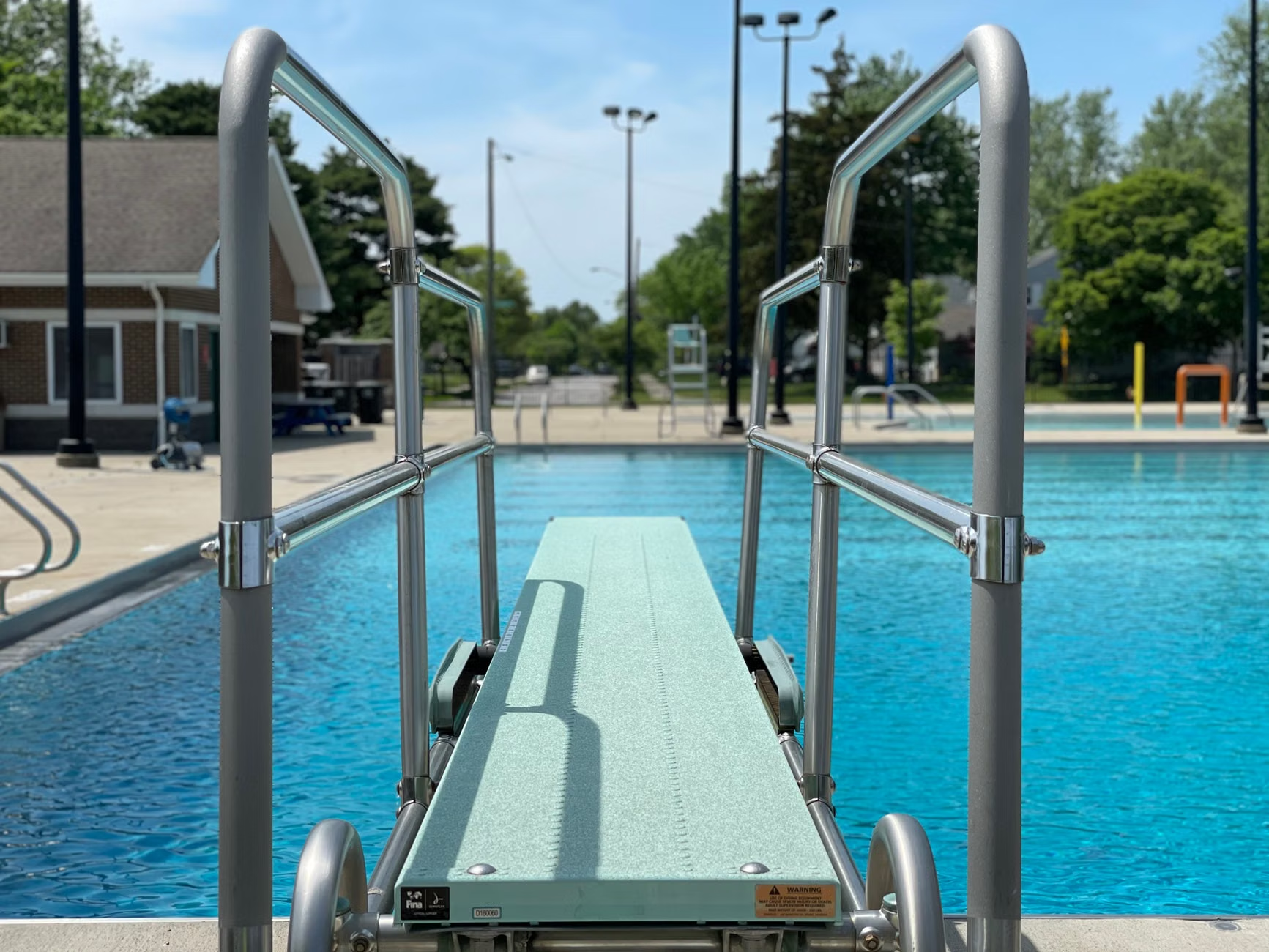
3. The Importance of “Stamina Budgeting” in Historic Settings
Historic resorts are often sprawling, featuring grand courtyards, extensive gardens, and multiple wings. While beautiful, these layouts can require significant walking. “Stamina budgeting” is the practice of planning your day to ensure you don’t exhaust yourself before you even reach the thermal pools.
Strategy for Managing Energy
Treat your energy like a financial budget. If you know you have a limited amount of walking stamina for the day, allocate it wisely. For example, if you choose to explore the historic town center in the morning, do not schedule a long, active spa circuit in the afternoon. Instead, opt for a stationary afternoon—perhaps a quiet session in the thermal pool or a period of rest in your room.
Look for “In-House” Amenities: Choose a resort where the accommodation, dining, and spa facilities are connected by indoor, climate-controlled walkways. This eliminates the need to traverse outdoor paths in varying weather conditions, which can be slippery or difficult to navigate.
4. Transportation and Logistics
The journey to a historic spa town is often as important as the stay itself. Many iconic thermal resorts are located in mountainous or rural regions, which may require complex transfers from major airports or train stations.
Evaluating Transit Options
When booking, prioritize “door-to-door” transport services. Using public buses or trains may seem cost-effective, but the physical exertion of navigating stations with luggage can be taxing. If you are traveling alone or with a partner, consider booking a private car transfer from the nearest major transit hub. While this incurs a higher cost, it significantly reduces physical strain, prevents luggage-related injuries, and ensures a stress-free transition to your accommodation.
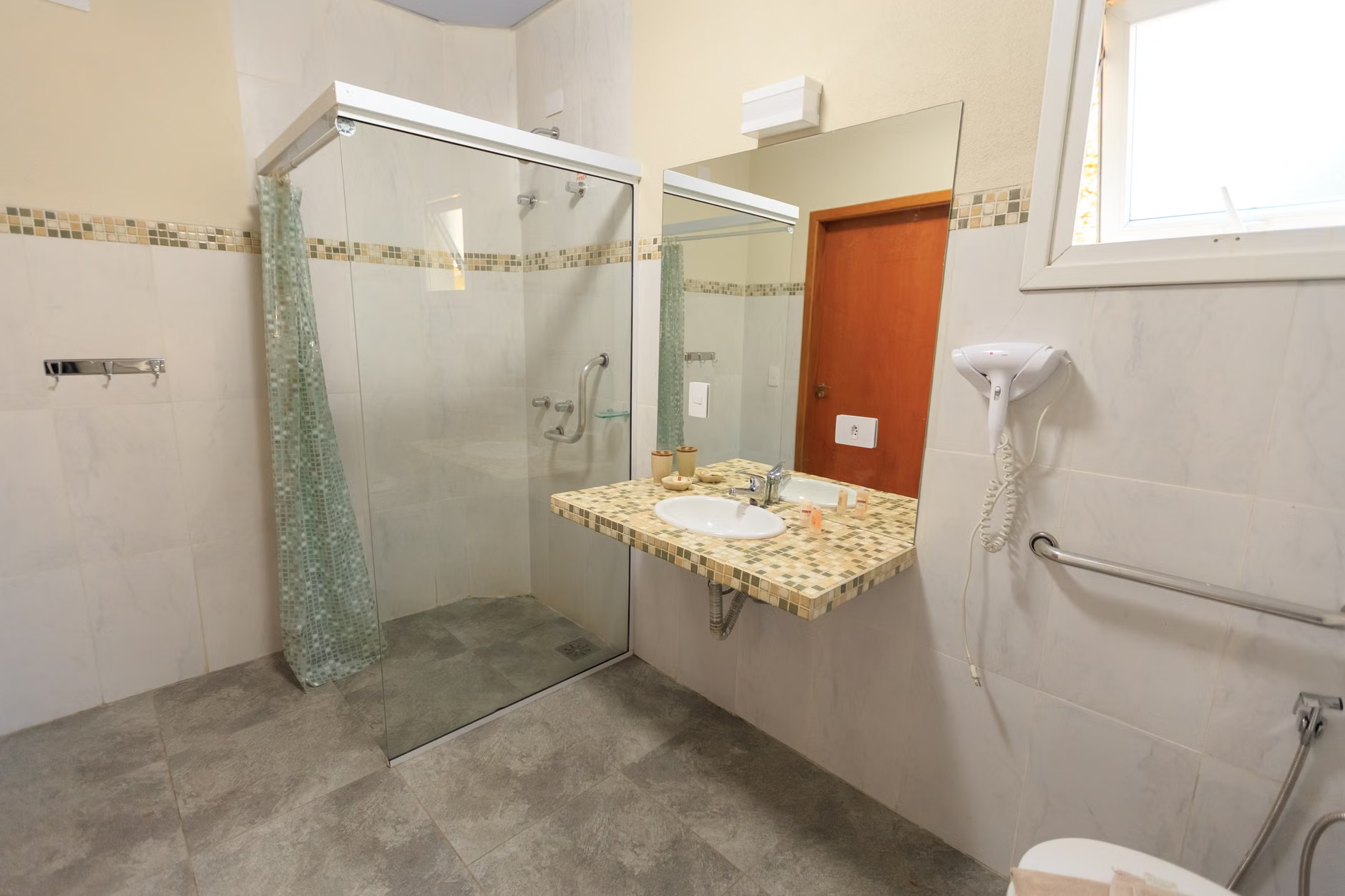
5. Evaluating Room Accessibility
In historic buildings, “accessible rooms” can vary wildly. Sometimes, the only accessible room is located in a basement wing or a distant annex. Before you finalize your booking, ask these three questions:
- “Is the room located near the main elevator?” You do not want to be at the end of a long, dimly lit corridor that adds 200 meters to every trip.
- “Can you send a photo of the bathroom?” Ensure the shower is a true walk-in (no lip or threshold) and that there is enough space for a walker or wheelchair to maneuver.
- “Are the light switches and climate controls reachable from a seated position?” High-mounted controls in older buildings can be frustrating and inaccessible.
6. Beyond the Bath: Planning for Downtime
A successful trip isn’t just about the activity; it’s about the recovery. Ensure your itinerary includes “recovery days.” If you travel for three days, consider spending one of those days entirely within the resort grounds. This prevents the “travel burnout” that often occurs when trying to see every historic site in the local area.
Engage with Digital Public Services: If you are traveling internationally, check the local government’s health portal for the region you are visiting. Many countries, such as those in the European Union, have specific digital health cards or apps that provide information on local medical services, emergency numbers, and pharmacy locations. Having this information stored on your smartphone provides a vital safety net.

Conclusion: Taking the Next Step
Selecting a historic thermal bath resort requires a shift in mindset: move away from focusing solely on the “historic charm” and begin by evaluating the “operational reality.” By prioritizing resorts that offer verified accessibility, planning your stamina, and respecting your health limits, you can enjoy the therapeutic benefits of these ancient sites without compromising your safety or comfort.
The most successful travelers are those who communicate their needs clearly to the resort staff well in advance. Do not hesitate to call the reception team, ask for the manager, and request specific details about room placement and pool access. Your comfort is a legitimate requirement, not an inconvenience.
Frequently Asked Questions (FAQ)
1. How can I verify if a historic building really meets modern accessibility standards?
Never rely solely on a website’s “accessible” badge. Call the resort and ask for a direct email from their front office manager. Ask them to verify the existence of specific features like a roll-in shower, door widths of at least 80cm, and the presence of an elevator. If they cannot provide these details, ask for photos of the specific room you would be booking.
2. Is it safe to use thermal baths if I have high blood pressure?
High temperatures can affect heart rate and blood pressure. You should consult your primary physician before your trip. If cleared, you must be extra cautious: keep your chest above the water line, avoid rapid temperature changes (like going from a hot pool to an ice plunge), and limit your time to short, 10-minute intervals followed by a rest period.
3. What should I include in my travel medical kit for a thermal spa trip?
Beyond your regular medications, bring a physical copy of your medical history, a list of your current prescriptions (including dosages), and the contact information for your primary doctor. Include a small supply of electrolytes to help with hydration, non-slip footwear for the pool deck, and a small, waterproof pouch for your phone so you can call for assistance if needed.
Disclaimer: This article is for informational purposes only and does not constitute medical advice. Always consult with a healthcare professional before beginning any new wellness activity or traveling if you have underlying health conditions.