- Bird-sketching combines the meditative focus of mindfulness with the physical benefits of fine motor coordination and observation skills.
- Success in bird-sketching does not require artistic talent; it requires a shift in perspective from “drawing a picture” to “observing a form.”
- By choosing the right equipment and starting with stationary subjects, you can minimize physical strain and maximize the enjoyment of your outdoor sessions.
The Intersection of Mindfulness and Observation
Mindful bird-sketching is a deliberate practice of slowing down to observe the natural world through the act of drawing. Unlike traditional art, which often focuses on the final product, this practice prioritizes the process of looking. For adults aged 60 to 80, this hobby offers a unique way to stimulate cognitive function, improve hand-eye coordination, and foster a deep sense of calm.
When you sit to sketch a bird, you are not merely looking at a creature; you are analyzing its posture, the curve of its beak, the weight of its body on a branch, and the texture of its feathers. This level of attention—often called “active observation”—engages the brain’s executive functions, helping to sharpen focus and improve memory retention. It is a form of active meditation that anchors you in the present moment, effectively reducing the mental clutter of daily life.
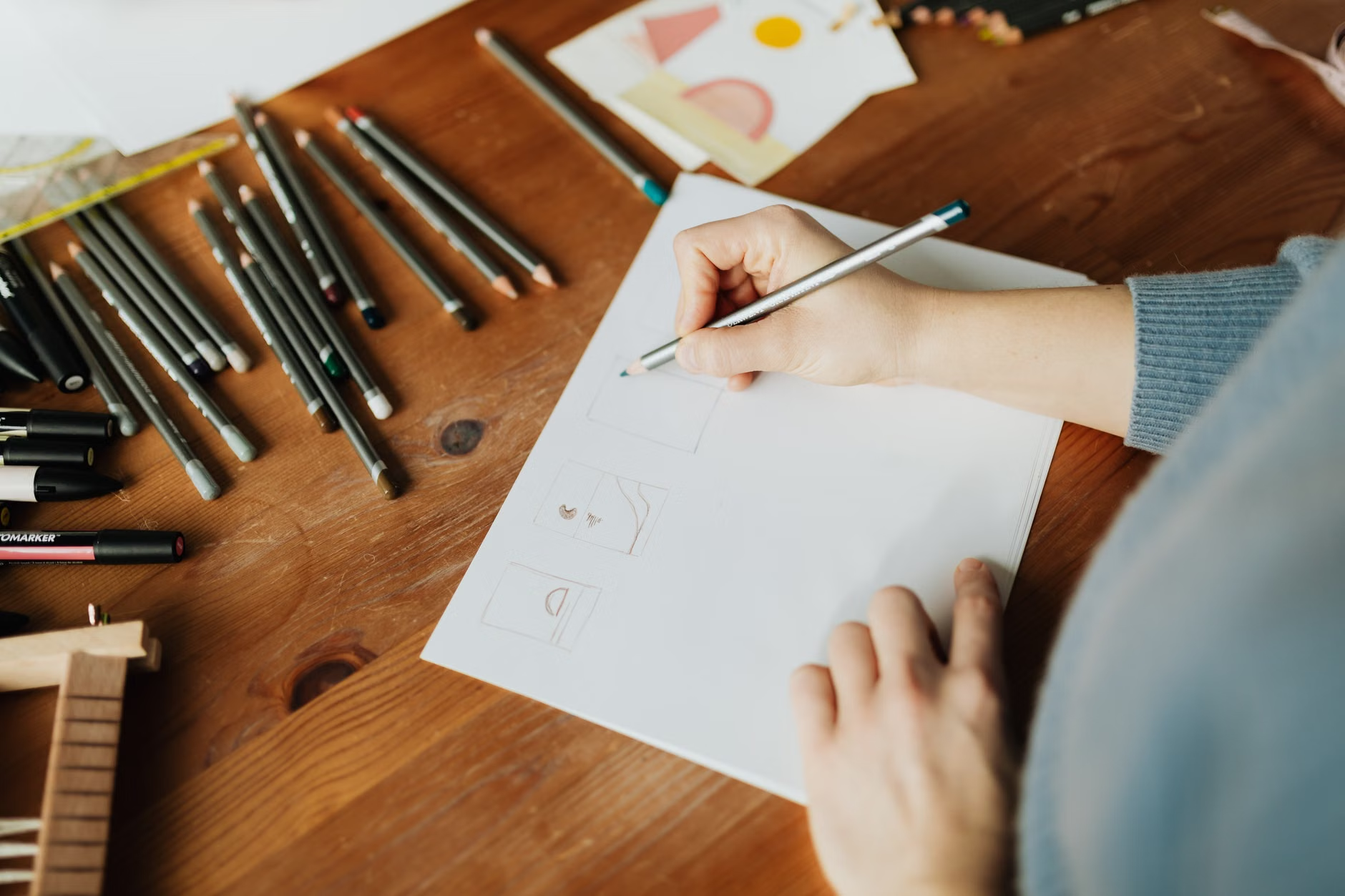
Why Bird-Sketching Matters for Cognitive and Physical Wellbeing
The benefits of this practice extend beyond the artistic. Research into leisure activities for older adults suggests that hobbies requiring sustained attention and sensory input can help maintain neuroplasticity. By focusing on fine details, you are exercising your visual cortex and fine motor skills simultaneously.
Physical Benefits: The act of holding a pencil and making precise, controlled strokes helps maintain dexterity in the fingers and wrists. When practiced outdoors, it also encourages gentle movement and exposure to natural light, which is vital for vitamin D synthesis and circadian rhythm regulation.
Mental Benefits: Sketching acts as a “reset button” for the nervous system. By shifting your focus from abstract worries to the concrete lines and shapes of a bird, you lower your cortisol levels. This is not about achieving perfection, but about the satisfaction of translating observation into a personal record.
Breaking Down the “Artistic Talent” Myth
A common barrier for many is the belief that one must be an “artist” to sketch. In the context of mindful bird-sketching, this is a misconception. You are not creating a masterpiece for an exhibition; you are creating a private journal of your observations. If you can draw a circle, a line, and a triangle, you have the fundamental tools to sketch any bird.
Essential Equipment for Comfort and Mobility
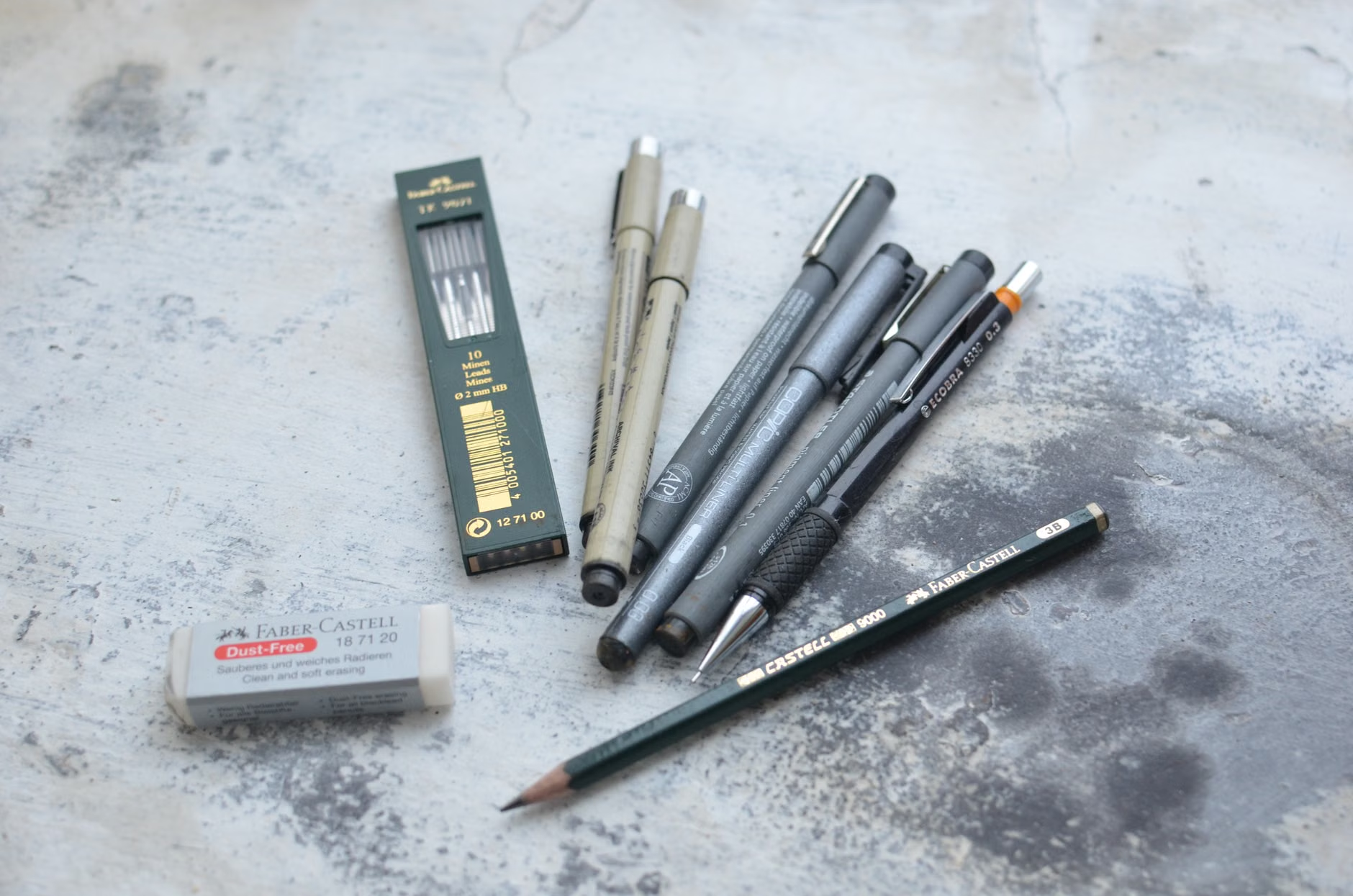
For an enjoyable experience, your gear should be lightweight, portable, and easy to manage. Avoid heavy art sets that require significant setup time. Instead, focus on a “grab-and-go” kit.
| Item | Why It Is Essential | Recommendation |
|---|---|---|
| Sketchbook | Provides a stable surface and keeps work organized. | A5 size with hard covers for better stability on the lap. |
| Pencils | Allows for light initial sketches and darker outlines. | HB or 2B pencils; avoid very soft leads that smudge easily. |
| Eraser | Corrects mistakes and reduces frustration. | A kneaded eraser, which is gentle on paper. |
| Seating | Prevents back and leg strain. | A lightweight, folding tripod stool with a carry strap. |
Decision Criteria: If you have limited mobility or balance issues, prioritize a folding stool that has a backrest. If you prefer to stay closer to home, your own backyard or a local park with benches is perfectly sufficient. The goal is to minimize the “friction” of starting the activity so that you can focus on the birds.
A Step-by-Step Approach to Your First Session
To begin, do not try to sketch a moving bird. Start with static subjects or even photographs to build your confidence. Follow this structured approach to ensure a positive experience:
1. Preparation and Positioning
Find a spot that is sheltered from the wind and offers a clear view of a feeder or a tree branch. Ensure your seat is on level ground. If you are using a public park, check that the area is accessible by paved paths if you use a cane or walker. Arrange your tools so they are within easy reach without requiring you to stretch or twist your torso.
2. The “Shape-First” Method
Instead of drawing the bird, draw the shapes that make up the bird. Look at the body as an oval and the head as a circle. Connect them with a line to indicate the neck. This simplified approach reduces the intimidation factor. Once these basic forms are on paper, you can refine the outlines.
3. Sustaining Focus
Set a timer for 15 minutes. This prevents overexertion and keeps the activity feeling like a pleasure rather than a chore. If you find your mind wandering, gently bring your attention back to the texture of the bird’s feathers or the way the light hits its beak. This is the heart of the mindfulness practice.
Managing Challenges: When to Stop and How to Adjust
It is important to listen to your body. If you feel any strain in your neck or shoulders, take a break. Sketching should be a relaxing endeavor, not a source of physical tension. A common mistake is hunching over the sketchbook. Try to keep the book at eye level by using a slightly raised lap desk or simply holding the book up with your non-drawing hand.
Safety Note: If you are sketching in remote areas, always carry a mobile phone and ensure a family member knows your approximate location. Keep your hydration levels up, especially on warm days, and wear layers to accommodate changing temperatures. If you suffer from vision issues, consider using a larger sketchbook and softer, darker pencils to make your lines more visible to yourself.
Creating a Sustainable Habit
The joy of bird-sketching is cumulative. Over weeks and months, you will notice that your ability to identify birds increases, and your sketches become more detailed. This progress is a testament to your patience and dedication. To make this a sustainable part of your routine:
- Keep it accessible: Keep your sketching kit near the door.
- Document the context: Beside each sketch, note the date, time, and weather. This turns your sketchbook into a personal nature diary.
- Don’t compare: Your sketches are for you. Comparing your work to professionals or others will only dampen your enthusiasm.
Ultimately, the value of this hobby lies in the quiet moments of connection with the natural world. It is a way to claim time for yourself, to quiet the noise of the world, and to celebrate the simple beauty of a bird in flight or at rest. Whether you draw one bird or a dozen, the act of observing with intent is a powerful tool for maintaining a healthy and curious mind throughout your later years.
Frequently Asked Questions
1. Do I need to be good at drawing to enjoy bird-sketching?
Absolutely not. The goal of mindful bird-sketching is observation and mental relaxation, not artistic perfection. The “result” is a personal record of your experience, not a piece for public display. Focus on the shapes you see rather than trying to make a realistic portrait.
2. What if I find it difficult to sit still for long periods?
You do not need to sit for long. Even a 10-minute session is beneficial. If you have physical discomfort, choose a chair with adequate back support and ensure your feet are flat on the ground. Taking frequent breaks to stretch or walk around is encouraged.
3. Where can I find birds to sketch if I cannot travel to nature reserves?
Your own backyard, a balcony, or a local community park are excellent places to start. Setting up a bird feeder outside your window is a perfect way to attract birds to a location where you can sketch them in total comfort. You can also use high-quality photographs from nature websites as a reference if you are unable to go outdoors.
For further reading on the benefits of nature observation, you may consult resources like the National Audubon Society (Global/US) or local ornithological societies in your region, which often provide guides on local bird identification that can enhance your sketching sessions.