Key Takeaways
- Advance Disclosure: Notify your cruise line of specific mobility or medical needs at least 30–60 days before departure to ensure priority boarding and necessary cabin equipment.
- Energy Management: Embarkation is physically demanding; utilize wheelchair assistance services provided by the cruise line to conserve your stamina for the actual voyage.
- Strategic Documentation: Keep all essential medical records, prescriptions, and boarding passes in an easily accessible carry-on bag, separate from your checked luggage.
The embarkation process—the transition from the terminal floor to your cabin—is often the most physically taxing part of a cruise. For seniors, success lies not in rushing, but in strategic preparation that accounts for walking distances, standing times, and navigating unfamiliar security checkpoints. This guide provides a systematic approach to ensuring your cruise begins with comfort and confidence.
Understanding the Embarkation Timeline and Physical Demands
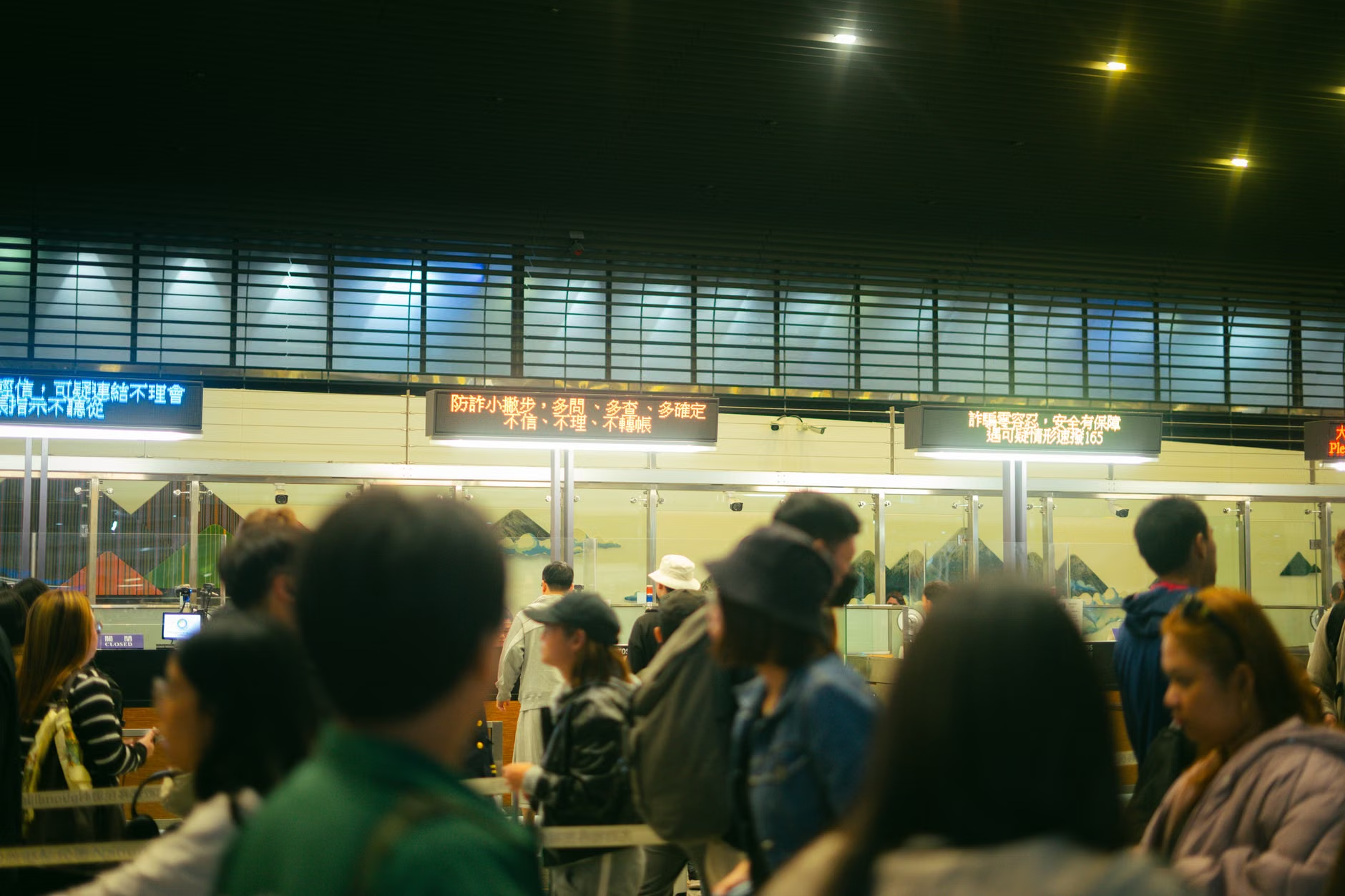
Embarkation is not merely a check-in; it is a series of procedural steps including security screening, document verification, and traversing the gangway. For a traveler with limited stamina, these steps can total over a kilometer of walking if not managed correctly. Understanding the flow helps you identify where you can request assistance.
The Anatomy of the Check-in Flow
Most modern cruise terminals follow a standardized path:
- Arrival and Drop-off: Reaching the terminal door.
- Luggage Hand-off: Tagging and handing over heavy suitcases to porters.
- Security Screening: Passing through scanners, similar to airport security.
- Check-in/Documentation: Verifying passports and health forms.
- The Gangway Traverse: Walking from the terminal building into the ship.
Common Mistake: Many travelers assume that because they can walk around their home without assistance, they do not need to request mobility support at the terminal. However, the sheer scale of modern cruise terminals often exceeds the walking capacity of even active seniors. If you have any concerns about balance, fatigue, or joint pain, request wheelchair assistance at the time of booking or through the cruise line’s “Special Needs” department.
Strategic Pre-Departure Preparation
The quality of your embarkation experience is largely determined before you ever leave your home. Cruise lines operate on global standards for accessibility, but these policies are only effective if you trigger them in advance.
Communicating Your Needs
Every major cruise line has a dedicated department for “Accessible Cruising” or “Special Needs.” You should contact them to discuss:
- Medical Equipment: If you use a CPAP machine, oxygen concentrator, or a folding mobility scooter, these must be registered.
- Priority Boarding: Travelers with documented mobility impairments are often granted priority boarding, which allows you to bypass long queues and board the ship while it is less crowded.
- Cabin Requirements: Ensure your cabin is “accessible-compliant,” which typically means wider doorways, roll-in showers, and grab bars.
The Carry-on “Survival” Kit
Your checked luggage may not arrive at your cabin until several hours after you board. You must pack a carry-on that contains everything you need to maintain your health and comfort during this transition period. This should include:
| Item Category | Specific Contents | Why it Matters |
|---|---|---|
| Medications | Full supply for the entire trip + 3 extra days | Prevents crises if luggage is delayed. |
| Documentation | Passports, boarding passes, medical clearance | Required for immediate verification. |
| Personal Comfort | Light sweater, comfortable shoes, hydration | Terminals are often climate-controlled and chilly. |
Terminals are high-traffic areas. To navigate them successfully, you must prioritize your physical energy. Even if you do not use a mobility aid daily, the “hidden” distances in massive cruise ports like Miami, Barcelona, or Singapore can be overwhelming.
Managing Walking Distances
If you are not using a professional wheelchair service, identify the “rest nodes” in the terminal. These are often seating areas located near the security checkpoints or the boarding gates. If you feel fatigue setting in, do not hesitate to stop. Most terminals are equipped with accessible toilets, but they can be sparsely placed. Locate these on the terminal map (usually available on the cruise line’s website) before you arrive.
The Gangway Experience
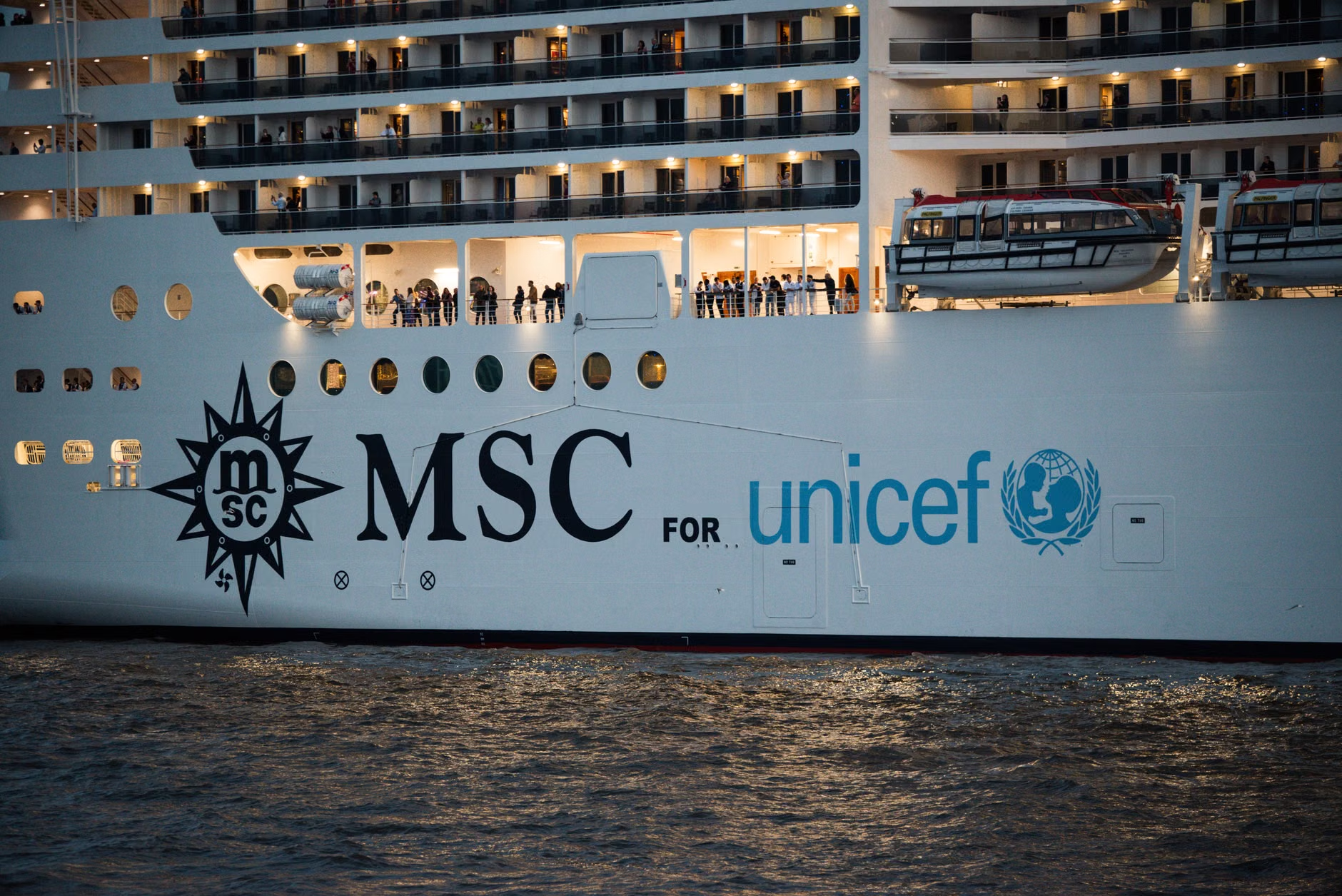
The gangway is the bridge between the land and the ship. It can be steep, especially when the tide is low or the ship is docked at a specific level.
Safety Warning: If you feel unsteady on your feet, do not attempt to carry bags while walking up the gangway. Even a light carry-on can shift your center of gravity. Use a rolling carry-on with a telescoping handle, or ask a porter to assist with your bag to the cabin door.
Health and Stamina: A Preventative Approach
Embarkation day is long and can involve significant standing. Managing your physical state requires proactive habits rather than reactive fixes.
Hydration and Nutrition
Travel stress often leads to dehydration, which can manifest as dizziness or increased fatigue. Carry a reusable water bottle that you can fill after passing through security. Avoid heavy meals immediately before arriving at the terminal; instead, opt for light, nutrient-dense snacks that maintain your blood sugar without causing lethargy.
Medication Timing
If you take medications that must be timed with food or require specific dosages, keep a digital or paper log of your schedule. The change in time zones and the excitement of travel can easily lead to missed doses. Set an alarm on your watch or phone to remind you of your medication schedule during the busy embarkation process.
Choosing the Right Time to Board
Cruise lines offer “boarding windows.” Many travelers rush to arrive as early as possible to maximize their time on the ship. However, for seniors, the “mid-window” approach is often superior.
Why Mid-Window is Better
- Early Morning (The Rush): Crowded, high-stress, long lines.
- Mid-Window (The Sweet Spot): The initial rush has subsided, the staff is settled, and the terminal is calmer.
- Late Afternoon: Risk of missing safety drills or pre-dinner activities.
By aiming for the middle of your assigned boarding window, you avoid the chaotic initial surge of passengers. This allows for a more relaxed check-in process where staff can dedicate more time to your specific needs.
Insight: The “Hidden” Variable of Cabin Location
An often-overlooked factor in embarkation comfort is the distance from the ship’s elevators to your cabin. When booking, consider the “walking-to-cabin” variable. If you have limited mobility, request a cabin located near the mid-ship elevators. This significantly reduces the distance you need to walk every time you leave or return to your room, which is a major factor in your total daily stamina expenditure.
Conclusion: Prioritizing Your Comfort
Embarkation is the start of your journey, not a hurdle to be cleared at all costs. By utilizing the assistance provided by the cruise line, packing your essentials in a single, manageable carry-on, and choosing a boarding time that avoids the peak rush, you can transform a potentially stressful process into a smooth beginning. Remember, the most important aspect of travel is your wellbeing; do not hesitate to advocate for the support you need.
Frequently Asked Questions
- 1. Should I bring my own wheelchair or mobility scooter?
- If you rely on one for daily mobility, you should bring your own device. Ensure it is foldable or collapsible and that you have notified the cruise line of its dimensions. Some ships provide wheelchairs for use during the boarding process, but these are limited and often reserved for those who have requested them in advance.
- 2. What if my cabin is not accessible despite my request?
- While rare, errors can occur. Immediately speak to the Guest Services desk upon boarding. Do not wait until the next day. If the cabin does not meet your required accessibility standards, request a room change or, if that is not possible, ask for the necessary adjustments (such as shower chairs or bed rails) to be delivered to your room immediately.
- 3. Are there medical facilities on board if I feel unwell during embarkation?
- Yes, every cruise ship is equipped with a medical center staffed by doctors and nurses. However, their primary purpose is urgent care and emergency stabilization. For chronic health management, it is crucial to maintain your personal routine and carry sufficient supplies, as the ship’s medical center is not intended for the management of routine, non-emergency health conditions.
Official resources for cruise accessibility:
Cruise Lines International Association (CLIA) – Accessibility Guidelines
Americans with Disabilities Act (ADA) – Information for Travelers