- Seated torso-twists are a low-impact, accessible way to maintain thoracic mobility, which is essential for tasks like driving, reaching, and looking behind you.
- The key to safety is maintaining a neutral spine throughout the movement; never use your hands to force a deeper twist than your muscles allow.
- Consistent, daily practice is more effective for long-term spinal health than sporadic, intense stretching sessions.
Maintaining Spinal Mobility: A Practical Guide to Seated Torso-Twists
Maintaining spinal flexibility is one of the most effective ways to preserve independence and functional movement as we age. The thoracic spine—the mid-back region—is particularly prone to stiffness. When this area loses rotation, the lower back and neck often compensate, leading to discomfort or restricted movement during simple daily activities. Seated torso-twists offer a controlled, low-risk way to keep the spine supple without the need for specialized equipment or floor access.
Understanding the Role of the Thoracic Spine
The human spine is divided into sections, with the thoracic spine (the chest region) designed specifically for rotation. As we get older, natural changes in bone density, muscle elasticity, and posture can lead to a “rounding” of the upper back. This stiffness can make it difficult to perform everyday movements, such as checking blind spots while driving, reaching for a seatbelt, or turning to converse with someone sitting next to you.
When the thoracic spine becomes rigid, the body often forces the lumbar spine (lower back) to rotate beyond its intended range. The lumbar spine is designed more for stability and bending, not rotation. This mismatch is a common contributor to lower back strain. By practicing seated torso-twists, you encourage the mid-back to do the work it was designed for, thereby protecting the more vulnerable lower back and cervical (neck) regions.
The Mechanics of a Safe Seated Twist
The effectiveness of this exercise relies on your starting position. If your base of support is unstable, your body will instinctively tense up, defeating the purpose of the stretch. Follow this step-by-step guide to ensure you are practicing safely.
1. Establishing Your Base
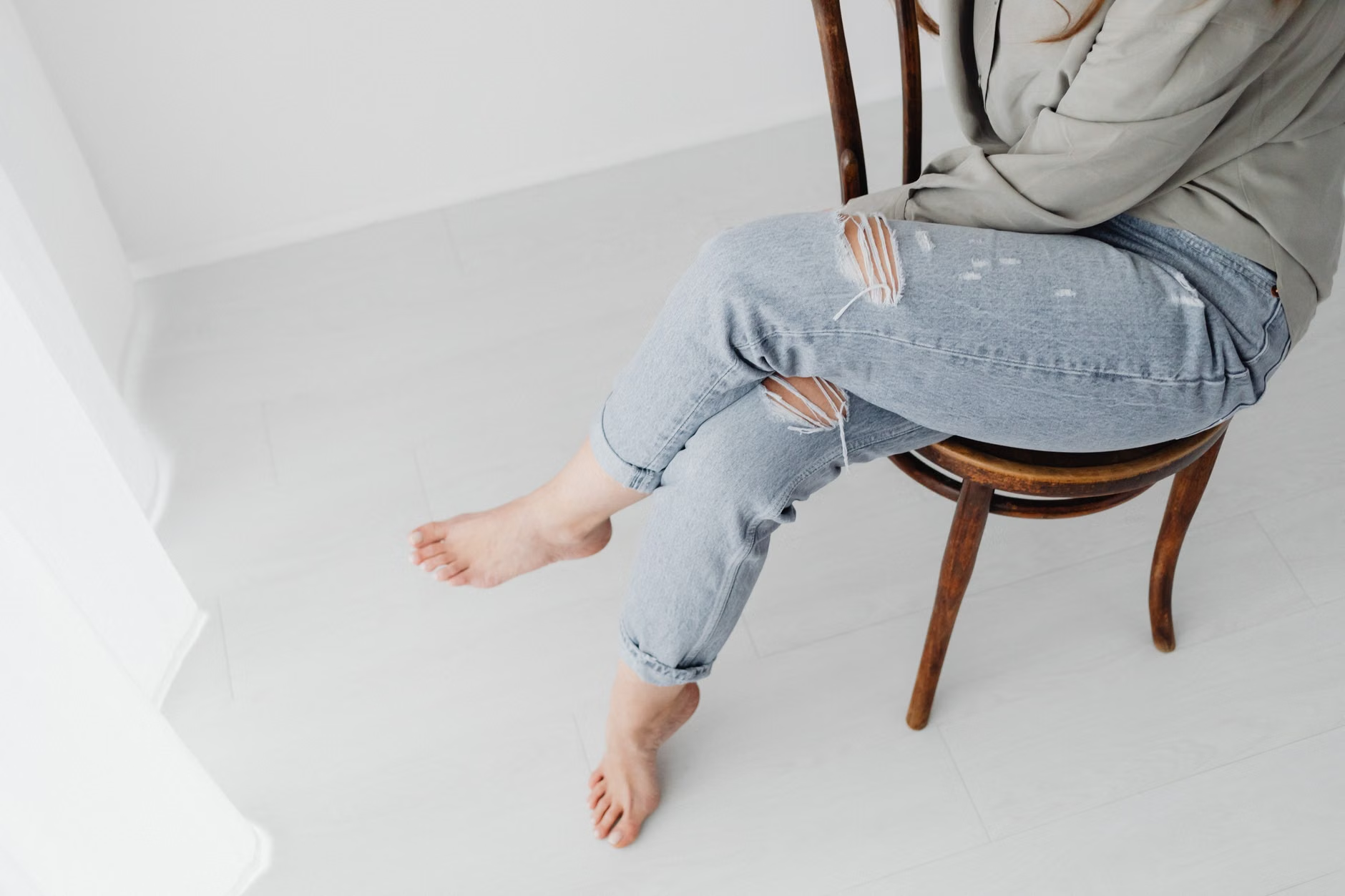
Sit in a sturdy, armless chair with your feet flat on the floor, hip-width apart. Your knees should be at a 90-degree angle. If your feet do not reach the floor comfortably, use a small stool or a thick book to ensure your feet are fully supported. A firm base allows your pelvis to remain level, which is essential for isolating the movement to your spine.
2. The Neutral Spine Alignment
Before you begin the twist, imagine a string attached to the crown of your head pulling you gently toward the ceiling. Your ears should be aligned with your shoulders, and your shoulders should be relaxed, not hunched toward your ears. This “neutral spine” position ensures that you are rotating around a stable axis rather than collapsing into the movement.
3. Executing the Rotation
Place your right hand on the outside of your left knee. You may place your left hand on the seat of the chair behind you or simply rest it on your lower back. As you inhale, lengthen your spine. As you exhale, slowly begin to rotate your torso toward the left. Do not use your arm to pull yourself deeper into the twist. Your hand acts only as a guide, not a lever. Move only until you feel a gentle tension, not pain.
Common Mistakes and How to Avoid Them
Even simple movements can be performed incorrectly, leading to strain. Understanding these common pitfalls will help you refine your practice.
| Mistake | Why It Matters | Correction |
|---|---|---|
| Rounding the back | Puts pressure on spinal discs. | Focus on “growing tall” through the crown of the head. |
| Forcing with arms | Can overstretch ligaments. | Use arms for balance only; let core muscles lead. |
| Breath holding | Increases blood pressure. | Exhale during the effort (the twist) to relax muscles. |
| Moving too quickly | Risks sudden muscle spasms. | Move in slow, controlled segments. |
The table above highlights that the most significant risk is “forcing” the movement. If you find yourself gritting your teeth or holding your breath, you have likely gone too far. The goal is not to see how far you can turn, but to maintain a consistent, comfortable range of motion that serves your daily needs.
Integrating Movement into Daily Life
Consistency beats intensity. Performing this stretch for two minutes every morning is significantly more beneficial than performing a twenty-minute deep-stretching session once a week. Because this exercise is done while seated, it is highly portable. You can practice it while waiting for a kettle to boil, sitting at your desk, or even during a television commercial break.
Consider the “anchor” method: link this exercise to a habit you already perform daily. For example, resolve to perform three slow twists to each side every time you sit down to put on your shoes. By anchoring the exercise to a specific, recurring task, you remove the “decision fatigue” of remembering to exercise, making it a natural part of your day.
When to Approach with Caution
While seated torso-twists are generally safe, there are specific conditions where you should modify or avoid the movement. If you have a history of spinal surgery, herniated discs, or acute osteoporosis, you must consult with a physiotherapist or your primary care physician before starting a new routine. These professionals can provide specific modifications tailored to your bone density and structural health.
Warning signs that you should stop immediately include sharp or shooting pain, dizziness, or a feeling of “pinching” in the back. If you experience these, it is a signal that your body is not ready for that specific range of motion. It is not a failure; it is simply information. In such cases, focus on gentle postural alignment—simply sitting tall—until you can discuss your limitations with a professional.
The Importance of Professional Guidance
For those managing chronic conditions, working with a physical therapist is an investment in your long-term mobility. A professional can assess your current range of motion and identify if you have specific asymmetries. For instance, you might find that you can rotate easily to the right but feel restricted to the left. A therapist can provide targeted exercises to address that specific imbalance, which a general guide cannot do.
When you visit a healthcare professional regarding spinal health, come prepared. Maintain a simple log for one week noting:
- Times of day when you feel most stiff.
- Specific activities that trigger discomfort (e.g., sitting for long periods, reaching overhead).
- A list of any medications you take regularly, as these can affect muscle and bone health.
Expanding Your Mobility Routine
Once you are comfortable with the seated torso-twist, you may want to incorporate other movements that complement spinal rotation. Neck stretches, shoulder rolls, and seated cat-cow movements (gently arching and rounding the back while seated) work in tandem with torso-twists to keep the entire upper body fluid.
Remember that hydration and nutrition play a role in tissue health. The discs between your vertebrae are largely composed of water; staying adequately hydrated throughout the day helps maintain the “cushioning” effect of these structures. While no specific supplement is a cure-all for spinal stiffness, maintaining a balanced diet rich in calcium and vitamin D is essential for long-term skeletal integrity, as supported by guidance from the International Osteoporosis Foundation.
Conclusion: A Sustainable Approach to Wellness
Your spine is the central pillar of your physical life. Investing a few minutes each day in gentle, controlled rotation is not merely an exercise; it is a preventive measure that preserves your ability to interact with the world around you. By focusing on alignment, breathing, and consistency, you can maintain a flexible, pain-free mid-back for years to come. Start small, listen to your body, and treat your movement practice with the same respect you would give to any other important daily responsibility.
Frequently Asked Questions
1. How many times a day should I perform these twists?
There is no universal number, but starting with 3 to 5 slow repetitions on each side, twice a day, is a safe and effective starting point for most people. The goal is to avoid fatigue while keeping the joints lubricated.
2. Can I perform this stretch if I have lower back pain?
If you have known lower back issues, consult your doctor first. Often, gentle rotation is recommended, but “forced” rotation can aggravate existing injuries. If you feel any sharp pain during the move, stop immediately.
3. Does the type of chair matter?
Yes. Avoid chairs with wheels or swivel bases, as they move when you try to twist, making it impossible to maintain a stable base. A sturdy, stationary wooden or metal dining chair is ideal.
Disclaimer: This article is for informational purposes only and does not constitute medical advice, diagnosis, or treatment. Always seek the advice of your physician or other qualified health provider with any questions you may have regarding a medical condition or physical exercise.