- Cognitive and Physical Engagement: Indoor gardening offers low-impact physical movement and cognitive stimulation, helping to maintain fine motor skills and mental acuity.
- Optimizing Your Environment: Success in indoor herb cultivation depends primarily on light management, drainage, and choosing the right soil-to-container ratio for your specific living space.
- Mindful Maintenance: Treat daily care as a meditative practice; observing plant growth cycles provides a grounding routine that supports emotional wellbeing.
The Intersection of Horticulture and Daily Wellbeing
Indoor herb cultivation is far more than a simple hobby; for adults aged 60 to 80, it represents a deliberate engagement with life cycles, sensory experiences, and physical maintenance. Gardening at home provides a controlled environment where the variables—light, water, and space—are manageable, making it an ideal activity for those seeking a productive yet low-stress pursuit. Unlike outdoor gardening, which can be physically demanding due to climate variability, kneeling, and heavy lifting, indoor cultivation can be adapted to any mobility level.
The practice of “mindful horticulture” involves more than just keeping a plant alive. It is the practice of intentional observation. By focusing on the subtle changes in leaf color, the texture of the soil, and the growth rate of your herbs, you engage in a form of active meditation. This connection to nature, even within the confines of an apartment or house, has been linked in various studies to reduced cortisol levels and improved mood regulation. When you cultivate herbs, you are not just growing ingredients for your meals; you are nurturing a living system that responds to your care.
Establishing Your Indoor Garden: Essential Setup Considerations
Before you purchase your first plant or packet of seeds, it is vital to assess your living space. The most common mistake beginners make is selecting a location based on aesthetics rather than the biological requirements of the plants. For an indoor garden to thrive, you must prioritize two factors: light intensity and air circulation.
1. Light Management
Most culinary herbs, such as rosemary, thyme, and basil, are native to Mediterranean climates and require significant sunlight. A south-facing window is generally the best location in the Northern Hemisphere. If your home lacks sufficient natural light, do not be discouraged. Modern LED grow lights are energy-efficient, produce very little heat, and can be mounted on simple under-cabinet fixtures or desktop stands.
2. Drainage and Container Selection
Overwatering is the leading cause of indoor plant failure. Ensure every pot has drainage holes. If you choose decorative pots without holes, use them as “cachepots”—place the plant in a plastic nursery pot with holes inside the decorative container. This allows you to remove the plant to water it in the sink, ensuring the roots are never sitting in stagnant water, which leads to root rot.
| Herb Type | Light Requirement | Watering Frequency | Best For |
|---|---|---|---|
| Basil | High (6-8 hours) | When top inch is dry | Beginners, quick growth |
| Mint | Medium (4-6 hours) | Keep consistently moist | Teas, garnish (use own pot) |
| Rosemary | High (Full sun) | Allow to dry out | Long-term, hardy plants |
| Parsley | Medium | Moderate | Culinary versatility |
Note: This table serves as a general guide. Always monitor your specific plant, as ambient humidity and home heating systems can significantly alter water evaporation rates.
The Physiology of Gardening: Maintaining Mobility and Dexterity
For many older adults, the repetitive motions of gardening—pinching back herbs, wiping leaves, or filling watering cans—serve as excellent, gentle occupational therapy. To ensure this hobby remains a source of joy rather than physical strain, consider the ergonomics of your workspace.
Ergonomic Best Practices
- Waist-High Stations: Avoid bending over to tend to plants on the floor. Use a dedicated plant stand or a sturdy kitchen table. This protects your lower back and knees.
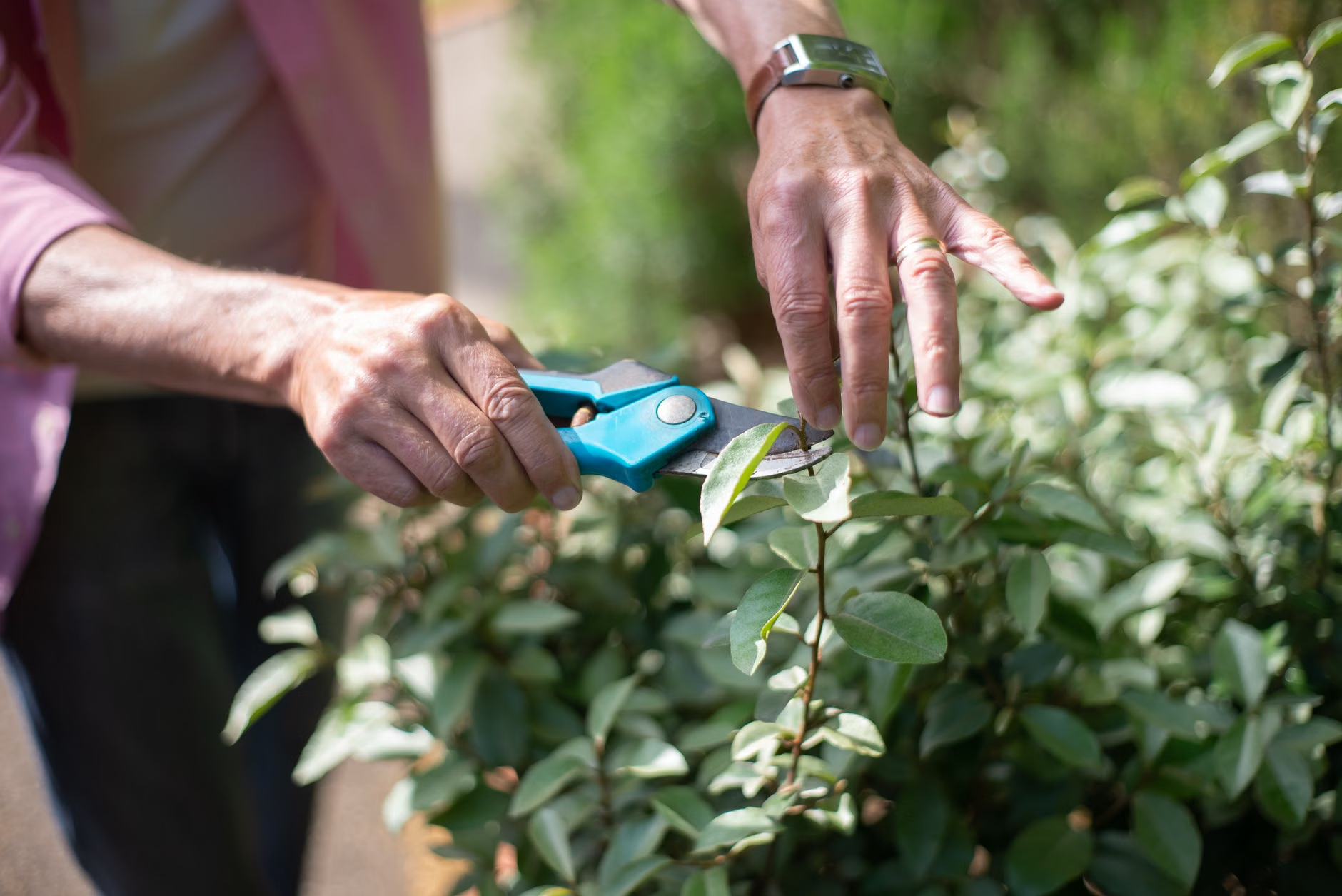
- Lightweight Tools: Utilize ergonomic, rubber-grip shears. These require less grip strength and are easier to handle for those with arthritis or limited manual dexterity.
- Hydration Systems: Use a long-spouted watering can. This allows you to reach the base of the plant without overextending your arm or torso.
If you find that your grip strength varies from day to day, consider keeping a pair of lightweight, spring-loaded snips. These tools “pop” open automatically, reducing the effort needed for each cut. Furthermore, keeping a small stool nearby allows you to perform these tasks while seated, which can help conserve stamina during longer sessions of pruning or repotting.
Mindful Maintenance: A Daily Routine
The “mindfulness” component of indoor gardening is found in the routine. By dedicating 10 to 15 minutes each morning to your plants, you create a “check-in” period. This is not a chore; it is an observation window.
Step-by-Step Daily Check:
- Visual Inspection: Look at the leaves. Are they drooping? Is there any discoloration? This trains the brain to notice small changes, a skill that is valuable in all areas of life.
- The Finger Test: Before watering, insert your index finger into the soil up to the first knuckle. If it feels dry, provide water. If it feels damp, wait. This tactile engagement is far more accurate than following a strict calendar schedule.
- Rotation: Rotate your pots by a quarter turn every few days. Plants naturally grow toward the light; rotation ensures even growth and prevents the plant from becoming “leggy” or lopsided.
This routine also provides an opportunity to reflect. As you prune, you are essentially “cleaning” the plant, removing dead leaves to encourage new growth. This can serve as a powerful metaphor for letting go of unnecessary stress or clutter in your own life.
Selecting the Right Herbs for Your Lifestyle
Not all herbs are created equal when it comes to indoor care. When starting, it is best to choose varieties that are resilient and provide immediate culinary or aromatic rewards.
Recommended Starting Herbs
Basil is perhaps the most rewarding. It grows quickly, smells wonderful, and is a staple in many cuisines. However, it is sensitive to cold drafts. Keep it away from AC vents or drafty windows during the winter months.
Mint is incredibly hardy but is an aggressive grower. It is vital to give mint its own pot. If planted with other herbs, the mint roots will quickly overtake the container, starving the other plants of nutrients. Growing mint in a separate, dedicated container is a lesson in healthy boundaries.
Chives are excellent for those who want a low-maintenance option. They grow in clumps and can be harvested by simply snipping the tops with scissors. They are remarkably resilient to varying light conditions compared to woody herbs like rosemary.
Overcoming Common Challenges
Even the most experienced gardeners encounter issues. The key is to view these not as failures, but as diagnostic puzzles.
1. Pests
Common indoor pests include fungus gnats (often caused by overwatering) and spider mites. If you notice tiny flying insects, allow the soil to dry out significantly between waterings. For spider mites, a gentle wipe of the leaves with a damp cloth is usually sufficient to manage the population without resorting to chemicals.
2. Nutrient Depletion
Indoor plants are in closed systems. Over time, the soil loses its nutrients. Every 4 to 6 weeks, use a balanced, water-soluble organic fertilizer at half the strength recommended on the package. This provides a steady supply of energy without the risk of “fertilizer burn,” which can damage delicate root systems.
The Social and Emotional Dimension of Gardening
Gardening can be a bridge between generations. If you have grandchildren or visit with family, your indoor herb garden can become a shared project. Teaching a younger person how to propagate a mint cutting or explaining the difference between flat-leaf and curly parsley is a meaningful way to pass on knowledge and share a quiet, focused activity.
For those who may be living alone or in managed care settings, having a living, growing entity in the room can provide a sense of purpose. Research into “therapeutic horticulture” suggests that simply having plants in one’s living space can lower blood pressure and improve cognitive function by providing a sense of stewardship. You are the caregiver to these plants, and their growth is a direct result of your attention.
Safety and Accessibility: Making it Work for You
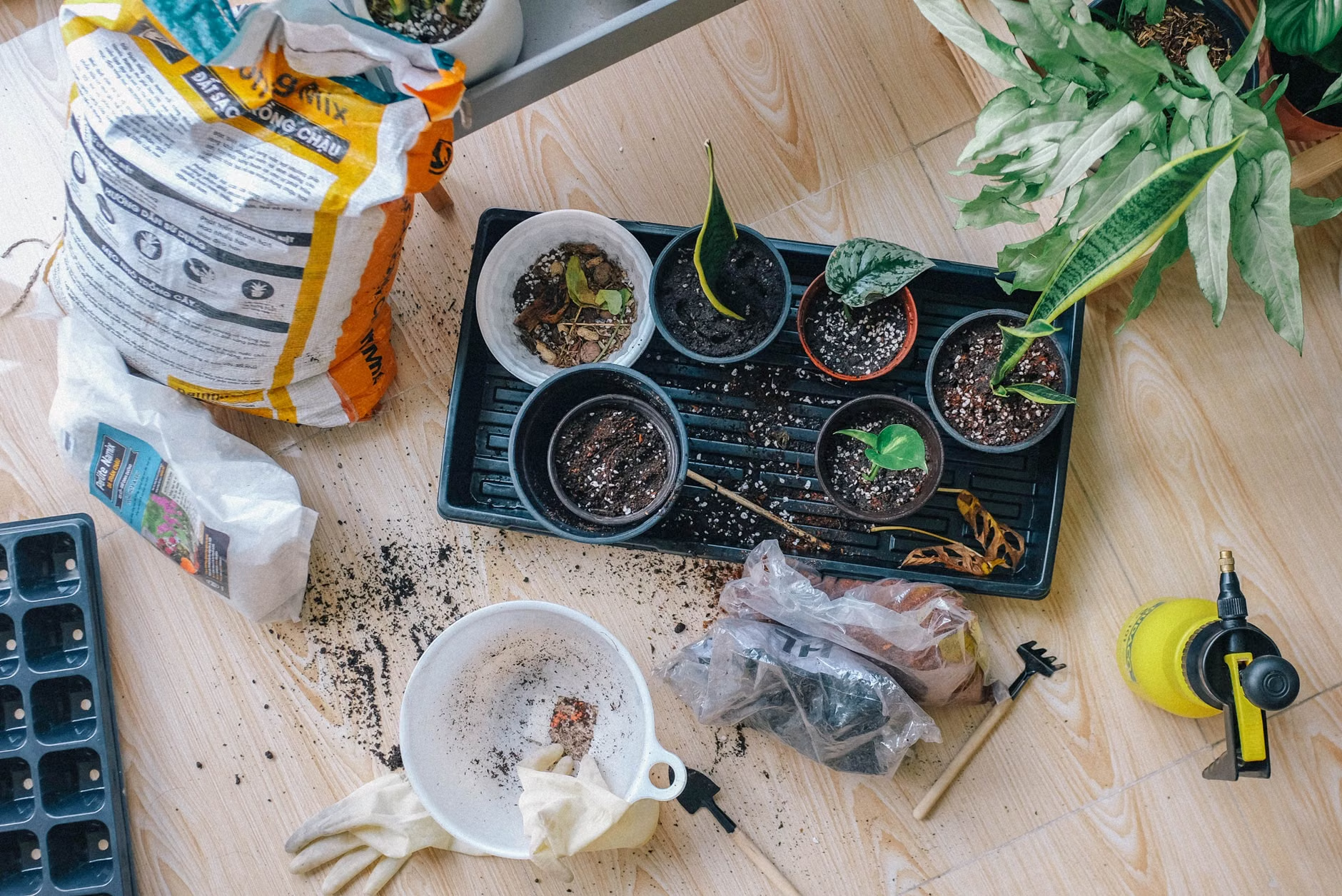
Safety is paramount. Ensure that all gardening supplies—fertilizers, soil bags, and tools—are stored in a way that does not create a tripping hazard. If you use a plant stand, ensure it is weighted at the bottom to prevent tipping. When moving plants to the sink for watering, use a tray or a trolley to transport them if they are heavy, rather than carrying them by hand.
If you experience limitations in mobility, consider “vertical gardening.” Wall-mounted planters or tiered racks allow you to bring the garden to your eye level, eliminating the need to reach or squat. This keeps the gardening experience comfortable and accessible, regardless of your physical condition.
Scientific Insights and Future-Proofing
While gardening is often viewed through a traditional lens, modern technology has made it easier than ever to succeed. Soil moisture sensors, for example, are inexpensive devices you can leave in your pots. They provide a simple visual cue—often a color change—when it is time to water. This removes the guesswork and can be particularly helpful for those who may have memory lapses or simply want to simplify their daily routine.
Furthermore, when selecting soil, choose “potting mix” rather than “garden soil.” Garden soil is too dense for containers and can harbor pathogens that are easily managed outdoors but can be devastating in a small indoor pot. Potting mix is formulated with peat moss, perlite, or coconut coir, which ensures the proper aeration and drainage necessary for container health.
Conclusion: The Lasting Joy of Growth
The joy of indoor herb cultivation lies in the realization that you are creating a micro-ecosystem. It is a hobby that rewards patience, rewards observation, and provides a tangible, living result. Whether you start with a single pot of basil or a full tiered stand of diverse aromatics, the act of tending to your plants is an investment in your own daily rhythm and wellbeing.
Start small. Choose one or two herbs that you enjoy using in your cooking. Set up a comfortable, waist-high space. And most importantly, enjoy the process of watching something flourish under your care. The herbs you grow will taste better not just because they are fresh, but because they are a testament to your mindful, daily commitment to growth.
Frequently Asked Questions
1. Can I grow herbs if I have very little natural light in my home?
Yes. While natural light is ideal, modern LED grow lights are highly effective. Look for full-spectrum LED bulbs that fit into standard lamps or specialized clip-on grow lights. These can provide the necessary intensity for herbs to thrive even in the darkest corners of your home.
2. What should I do if I have to travel for a few days?
Herbs are generally resilient for short periods. Before you leave, give them a thorough watering. If you will be gone for more than a week, consider using “self-watering” stakes—simple terracotta spikes that you insert into the soil and attach to a bottle of water, which releases moisture slowly as the soil dries.
3. Are indoor herbs safe for pets?
Most common culinary herbs like basil, rosemary, and thyme are generally safe for cats and dogs. However, it is always wise to check a reliable veterinary database (such as the ASPCA toxic plant list) if you have pets that are prone to chewing on plants, as some less common herbs or fertilizers can be harmful.
Disclaimer: This article is for informational purposes only and does not constitute medical, agricultural, or professional advice. Always follow safety guidelines when handling gardening equipment and products. For specific health concerns or mobility issues, consult with your healthcare provider or an occupational therapist to ensure your gardening setup is safe for your individual needs.
Resources for further reading: Royal Horticultural Society: Growing Herbs in Containers | ASPCA: Toxic and Non-Toxic Plant Database