- Mutual Benefit: Modern co-living is not charity; it is a reciprocal arrangement where seniors provide mentorship or stability while younger residents offer assistance with technology or heavy tasks.
- Financial Viability: Shared housing is increasingly becoming a strategic tool to reduce living costs and delay the need for expensive institutional care by maintaining social and physical activity.
- Rigorous Vetting: As models evolve in 2026, the most successful arrangements rely on formal roommate agreements and trial periods to ensure compatibility and safety for all parties.
As we navigate 2026, the concept of “home” is undergoing a significant transformation. Driven by rising urban housing costs and a growing desire for social connection, intergenerational co-living—the practice of seniors and younger adults (often students or young professionals) sharing a residence—has moved from a niche social experiment to a recognized housing strategy. This shift is supported by local governments in regions like Northern Europe, parts of North America, and East Asia, which are increasingly incentivizing these arrangements to combat loneliness and optimize housing stock.
Unlike traditional assisted living facilities, which are often age-segregated, intergenerational co-living focuses on the “co-” aspect: shared responsibilities, shared space, and shared lives. For the 60 to 80 age demographic, this means transitioning from a role of potential “dependent” to a role of “community member.”
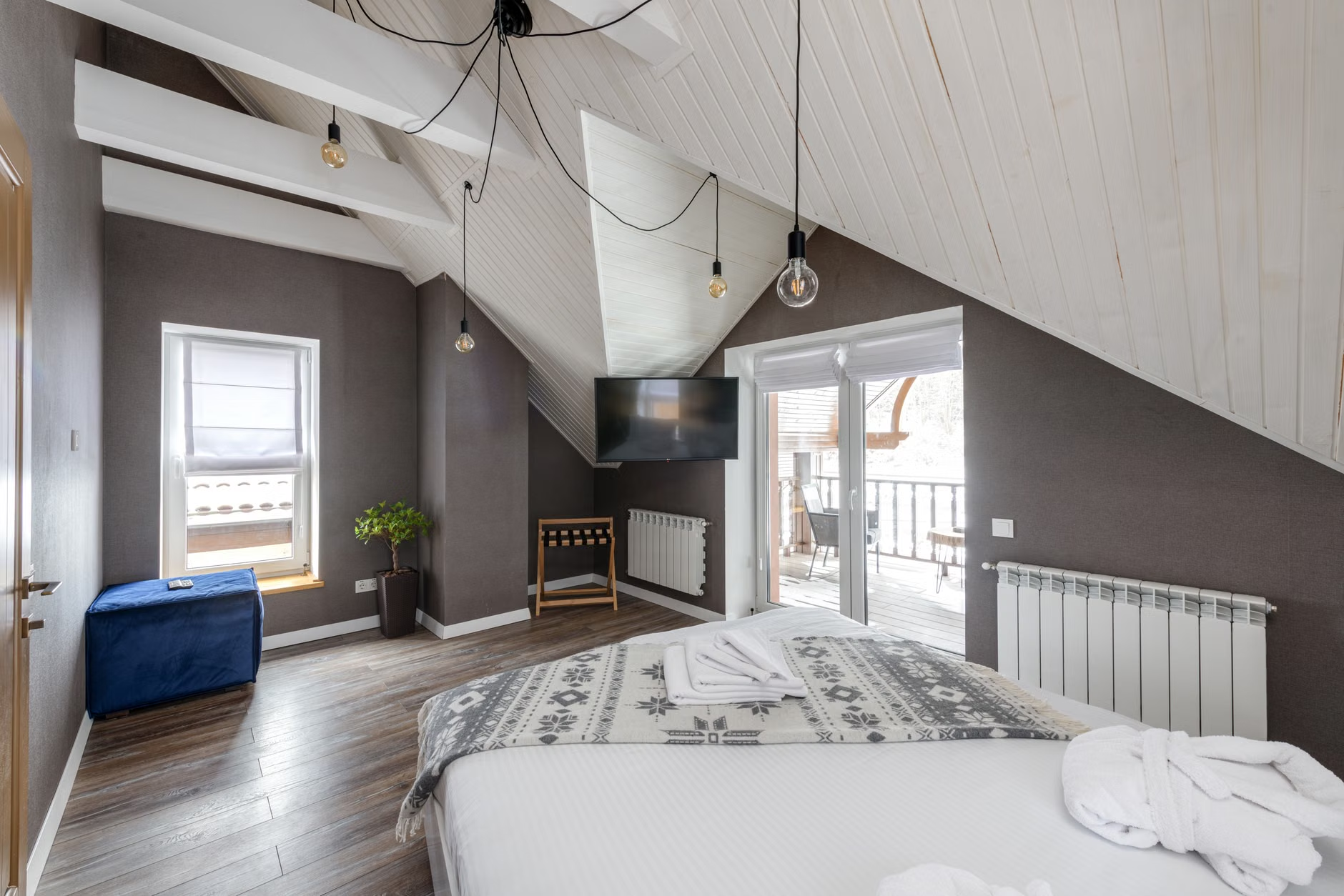
Why Intergenerational Living Matters in 2026
The primary driver for this shift is the concept of “active aging.” Research indicates that social isolation is a major risk factor for cognitive and physical decline. By living with younger housemates, seniors are naturally exposed to new perspectives, modern technology, and a more dynamic daily environment. Conversely, younger people benefit from affordable rent and the wisdom or stability that comes with an older companion.
In 2026, we see three distinct models of co-living:
- Service-Exchange Model: Younger residents pay lower rent in exchange for a set number of hours of assistance (e.g., grocery shopping, tech support, or light cleaning).
- Co-Housing Communities: Independent living units with shared common areas like kitchens, lounges, and gardens, where residents manage the property collectively.
- Intergenerational Dormitories: Purpose-built housing where universities or social services pair students with retirees in a managed building.
Evaluating Your Compatibility: A Practical Framework
Before considering a move to a shared housing environment, you must evaluate your own requirements. It is a common mistake to view co-living purely as a financial decision. It is, first and foremost, a lifestyle decision.
1. Assessing Your Mobility and Autonomy
If you have specific mobility needs, you must prioritize facilities that adhere to universal design standards. In 2026, many new co-living projects include smart-home features—such as voice-activated lighting and fall-detection sensors—as standard equipment. However, older buildings retrofitted for co-living may still have stairs or narrow doorways. Always verify the physical accessibility of the kitchen, bathroom, and common areas before signing any agreement.
Ask yourself: How much privacy do I truly need? Co-living requires a level of compromise. You will likely share a kitchen and living room. If you are someone who prefers total control over your environment, you may find the compromise of a shared kitchen frustrating. Conversely, if you enjoy hosting and conversation, the shared space may feel like an upgrade from a solitary apartment.

The Legal and Financial Landscape: Protecting Your Interests
In 2026, the regulatory environment for co-living is more robust, but it still varies significantly by jurisdiction. Whether you are in the UK, the US, or elsewhere, you must ensure your rights are protected.
| Consideration | Standard Practice in 2026 | Action for You |
|---|---|---|
| Roommate Agreement | Written contract defining chores, noise levels, and guest policies. | Never rely on verbal promises; ensure all expectations are in writing. |
| Trial Period | A 30 to 90-day probationary period is standard. | Negotiate a trial to see if the living dynamic works for both parties. |
| Background Checks | Most managed platforms perform criminal and reference checks. | Confirm what screening process the provider uses for housemates. |
The table above highlights that legal clarity is the foundation of a successful co-living experience. In jurisdictions like the Netherlands or Germany, which have pioneered these models, the “Social Contract” between generations is often mediated by a third party. If you are entering a private arrangement, ensure you consult with a legal advisor to understand how your local tenancy laws apply to “shared” versus “independent” living spaces.
Common Pitfalls and How to Avoid Them
The most common cause of failure in intergenerational housing is a mismatch in expectations regarding “help.” A student may think that living with a senior means they only have to help out once a week, while the senior may expect daily companionship. This is why explicit communication is not just “important”—it is the mechanism that prevents conflict.
Another pitfall is the assumption that the younger resident will provide professional care. Co-living is not a substitute for professional home care. If you require assistance with bathing, medication management, or complex medical needs, you must still have these services provided by licensed professionals. Relying on a student or a young professional for medical tasks is a safety risk for you and an unfair burden on them.
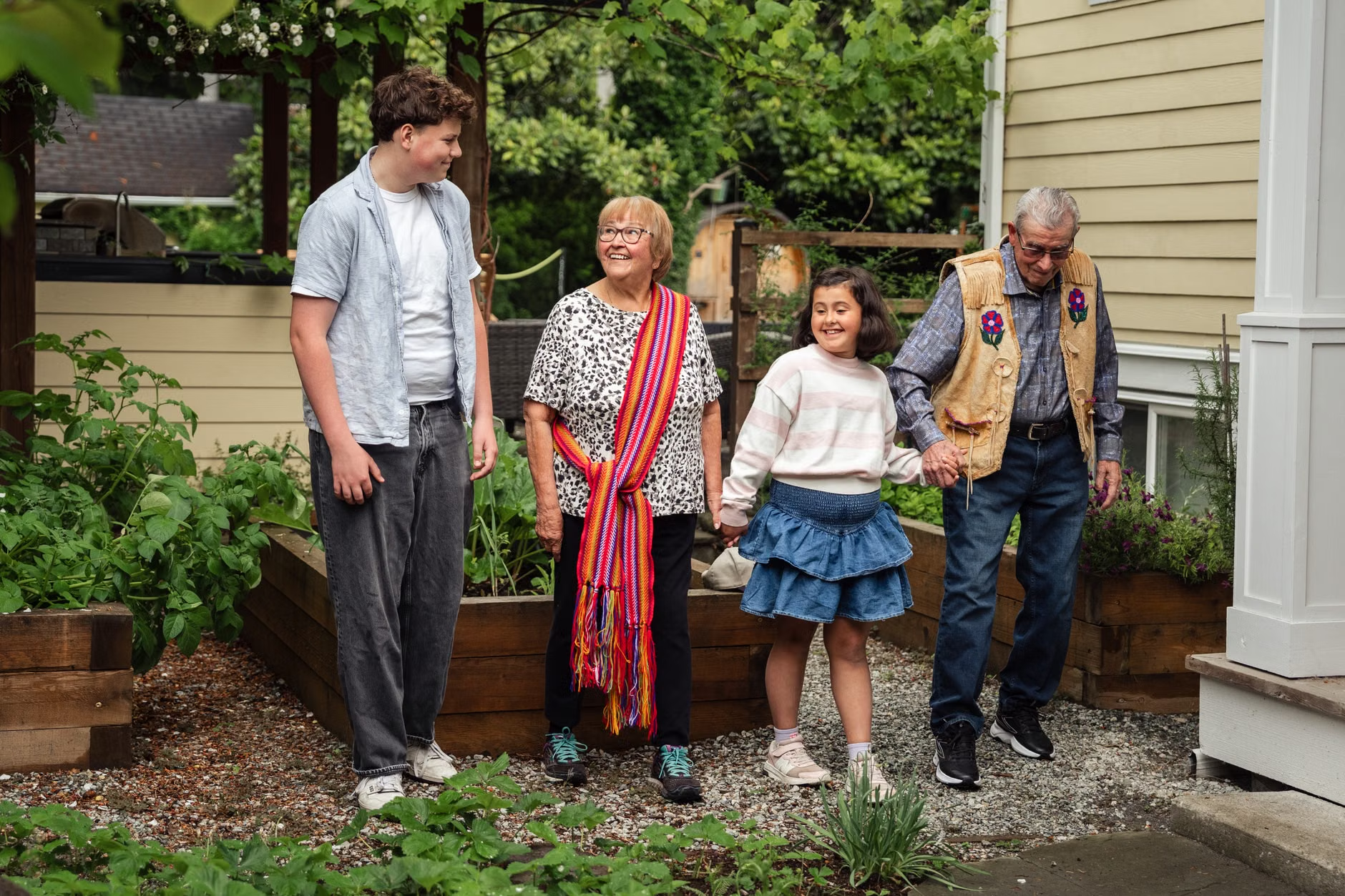
Steps to Take When Exploring Co-living
If you are ready to explore this option, follow this systematic approach:
- Define your “Must-Haves”: List your absolute requirements for mobility, privacy, and location.
- Research Local Programs: Search for “intergenerational housing” + [your city/region] in government or university portals. Many universities now have programs specifically to house students with seniors.
- Interview Potential Housemates: Treat this like a job interview. Ask about their daily schedule, their reasons for wanting to live in a shared environment, and how they handle conflict.
- Review the Lease/Agreement: Pay close attention to clauses regarding rent increases, termination notice periods, and dispute resolution.
- Plan Your Transition: If you are moving from a family home, start decluttering well in advance. Moving into a shared space often requires downsizing your possessions.
The Role of Technology in 2026 Co-living
By 2026, technology has become the “glue” of many successful co-living arrangements. Apps designed for shared households allow residents to track grocery expenses, schedule cleaning rotations, and even coordinate social events. For many seniors, adopting these tools is an excellent way to maintain digital literacy. If you are hesitant about technology, look for housing providers that offer “digital onboarding” as part of their move-in package.
Addressing the “Loneliness Epidemic” Through Design
Beyond the social benefits, the architectural design of 2026 co-living spaces is intentional. Designers now prioritize “passive interaction”—creating hallways, kitchens, and gardens that make it easy to bump into neighbors without it feeling forced. This design philosophy recognizes that for an older adult, the ability to have a short, pleasant exchange with someone in the kitchen can be as significant for mental health as a scheduled social outing.
Conclusion: Is Co-living Right for You?
Intergenerational co-living is a powerful tool for those seeking to remain independent, socially connected, and financially savvy in their later years. It is not for everyone; it requires a willingness to adapt, clear communication, and a proactive approach to setting boundaries. However, for those who embrace it, it offers a way to redefine aging not as a period of withdrawal, but as a period of active participation in a multi-generational community.
Your next step is to research the specific non-profit organizations or housing cooperatives in your area that specialize in these models. Do not rush the process. Take the time to visit facilities, talk to current residents, and ensure that the environment aligns with your personal values and long-term health needs.
Frequently Asked Questions (FAQ)
1. Does intergenerational co-living mean I lose my privacy?
You retain your private bedroom and, in most modern models, a private bathroom. Shared spaces are limited to common areas like the kitchen and living room. You can always set boundaries regarding when you prefer to have “quiet time” or privacy in the communal areas.
2. Am I responsible for the younger person’s well-being?
No. While you may provide mentorship or companionship, you are not a guardian or a parent. Your roommate is an independent adult responsible for their own life and decisions. The relationship should be based on mutual respect, not hierarchy.
3. What if I have health issues that might worsen in the future?
Co-living is best suited for seniors who are currently independent. If your health needs change, most co-living agreements have clauses that allow for a transition to more supportive care environments. It is essential to discuss these “what-if” scenarios with your housing provider before you move in.
For further information on housing rights and senior care navigation in your specific jurisdiction, consult your local government’s health and human services department website.