- Participating in history circles provides consistent cognitive stimulation, which is linked to better memory retention and mental agility.
- These groups offer a structured social environment that combats isolation by fostering connections based on shared interest rather than just proximity.
- You do not need to be a professional historian to contribute; your personal lived experience of past decades is a vital primary source for local history.
Engaging in community history circles is one of the most effective ways to maintain cognitive health while building meaningful social connections. By shifting the focus from passive consumption to active participation, these groups allow adults aged 60 to 80 to become the curators of their own regional heritage.
What is a Community History Circle?
A community history circle is a recurring, informal gathering of individuals interested in exploring, documenting, and sharing the history of their local area, family lineage, or specific eras they have lived through. Unlike an academic lecture, these circles are peer-led and prioritize conversation over rigid curricula.
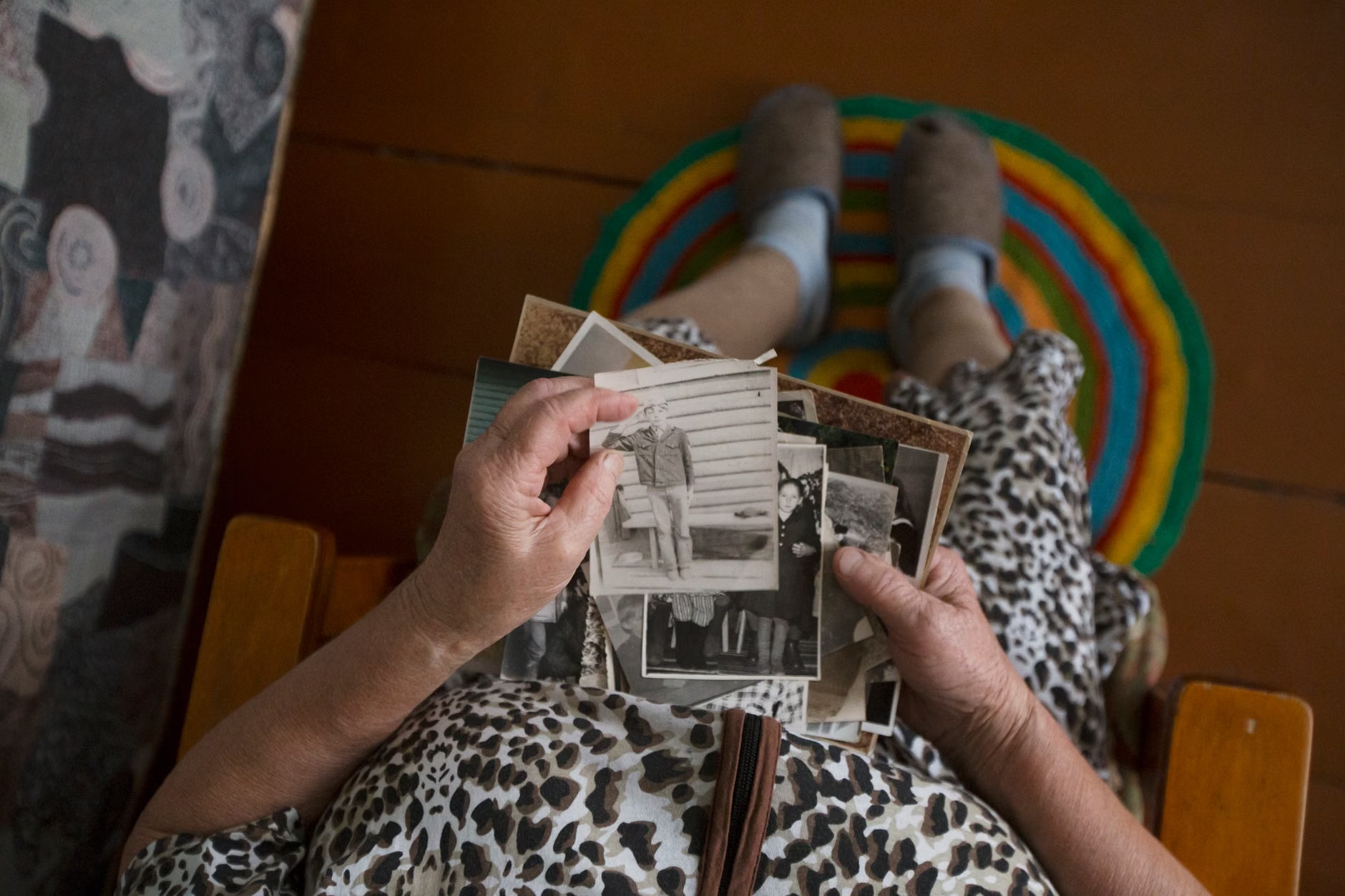
In practice, these circles often function as a hybrid of a book club and a storytelling workshop. Members might bring in old photographs, letters, or artifacts from their attics and share the stories behind them. Others might research specific local events, such as the opening of a historic bridge or the closing of a local factory, and present their findings to the group.
The core value of these circles is the validation of the individual’s life experience. In the eyes of a historian, your memory of how a local high street looked in 1965 is not just a personal recollection; it is a piece of historical evidence that fills gaps in official records.

The Cognitive Benefits of Reminiscence and Research
Engaging with history is a complex cognitive workout. It requires a combination of memory retrieval, synthesis of information, and narrative construction. When you participate in a history circle, you are constantly exercising your brain in ways that passive entertainment, such as watching television, does not provide.
Memory Retrieval and Narrative Building
Reminiscence therapy is a recognized practice in gerontology that utilizes the discussion of past events to improve mood and cognitive function. When you describe a past event, your brain must search through long-term memory, organize the sequence of events, and articulate the details. This process keeps neural pathways active.
Research as a Mental Stimulant
Many history circles encourage members to perform small research projects. If a member wonders, “When did the local railway station actually close?” they might visit a local library or use an online archive to find the answer. This type of goal-oriented research is excellent for maintaining executive function, which involves planning, focus, and task completion.
Practical Tip: If you are starting a research project, keep a simple “source log.” Note down the books, websites, or people you consulted. This prevents the frustration of losing track of where you found information and adds a professional sense of accomplishment to your hobby.
Building Meaningful Social Networks
Loneliness and social isolation are significant concerns for older adults, but history circles offer a “third place”—a social environment outside of home and work—that is built on intellectual engagement rather than superficial interaction.
In a history circle, you are often among peers who share the same “cultural shorthand.” You don’t have to explain what it was like to live through the transition to digital technology or how the social norms of the 1970s differed from today. This shared understanding reduces the energy required to socialize and allows for deeper, more authentic conversations immediately.
Fostering Intergenerational Connections
While these circles are often comprised of older adults, they frequently invite younger generations to listen and learn. When you share your history with younger family members or local students, you are engaging in “generativity”—the act of guiding the next generation. This is a critical psychological milestone that contributes significantly to a sense of purpose in the later stages of life.
How to Find or Start Your Own History Circle
You do not need to be a professional historian or a member of a prestigious society to start or join a history circle. Most successful groups are grassroots efforts that grow through word of mouth.
Where to Look for Existing Groups
| Location/Channel | What to Look For | Accessibility Note |
|---|---|---|
| Local Libraries | Check bulletin boards or ask the librarian about “Local History Groups.” | Libraries are usually highly accessible, with elevators and seating. |
| Community Centers | Look for “Senior Activity Calendars” or “Interest-Based Clubs.” | Verify if the center has adequate parking and ground-level access. |
| Historical Societies | Many societies have a “Friends of” group that is more informal than the main board. | Check if they have a physical space that is mobility-friendly. |
| Digital Platforms | Search Facebook Groups for your town’s name + “History” or “Memory.” | Requires digital literacy; ensure the group is local and not just a global archive. |
Steps to Launching Your Own Circle
If you cannot find an existing group, creating one is simpler than it seems. Follow these steps to ensure sustainability:
- Define the Scope: Decide if you want to focus on a specific town, a specific decade, or even family history. A narrow focus often attracts more committed members.
- Find a Venue: Choose a location that is quiet, has comfortable seating, and is easily accessible. A library meeting room is ideal because it often provides access to reference materials.
- Set a Routine: Consistency is key. Meeting on the “third Wednesday of the month” is easier to remember than irregular dates.
- Establish Ground Rules: Agree that all stories are welcome, and emphasize that the goal is sharing, not debating the “absolute truth” of every detail.
Ensuring Mobility and Safety in Research Activities
History is often found in archives, museums, and old buildings. These locations can sometimes present physical challenges. When planning your research trips, prioritize your physical safety and comfort.
Assessing Accessibility
Before visiting a local archive or museum, check their website or call ahead. Ask specifically about:
- Entrance accessibility: Are there stairs, or is there a ramp? Are the doors heavy or automatic?
- Restroom proximity: Are accessible restrooms available on the same floor as the archives?
- Seating: Is there seating available in the research room? If you have limited stamina, you may need to ask for a chair to be brought to the stacks.
The “Two-Hour Rule” for Research Trips
Research can be physically draining, especially if it involves standing or walking through museums. Adopt the “Two-Hour Rule”: plan for no more than two hours of active research or walking. Schedule a mandatory 30-minute break for a coffee or a sit-down rest before continuing or heading home. This pacing ensures that the activity remains a pleasure rather than a physical burden.
Common Pitfalls and How to Avoid Them
Even with the best intentions, history circles can sometimes face challenges. Being aware of these will help you navigate them effectively.
1. The “Expert” Takeover
Sometimes, a group may be dominated by one person who wants to lecture rather than listen. The solution: Rotate the “facilitator” role every meeting. The facilitator’s job is to ensure everyone gets a chance to speak and to gently guide the conversation back if one person dominates.
2. Over-reliance on Technology
While digital archives are wonderful, they can be a barrier for members who are not tech-savvy. The solution: Always provide a “low-tech” option. If a member finds a digital resource, print it out for the group. Keep a physical binder of the group’s findings alongside any digital database.
3. Losing Focus
Conversations can easily drift into complaints about modern life. While sharing frustrations is natural, try to steer the conversation back to the theme of the meeting. If you find the group is drifting, use a “prompt of the day,” such as “What was your first job?” or “Describe your childhood kitchen,” to bring the focus back to history and storytelling.
The Deeper Insight: History as Legacy
Beyond the social and cognitive gains, there is a profound psychological benefit to being part of a history circle: legacy. Many adults in the 60-80 age range worry about how they will be remembered or if their life experiences will be lost. By contributing to a history circle, you are effectively archiving your own life. When you share a story about how your community responded to a historic event, you are contributing to a collective narrative that will outlast you.
This is not just about “looking back.” It is about ensuring that the wisdom, lessons, and realities of your generation are preserved. It gives your life a sense of continuity that is deeply satisfying and provides a buffer against the feeling of being “left behind” by a rapidly changing world.
Conclusion
Starting or joining a community history circle is a practical, low-cost, and highly rewarding way to improve your cognitive function and expand your social circle. By sharing your lived experience, you are not just reminiscing—you are performing a valuable act of community stewardship. Whether you start with a small group of friends or join a formal local society, the key is to begin. Your stories are the building blocks of history, and they deserve to be heard.
Frequently Asked Questions (FAQ)
1. Do I need to be a historian to join a history circle?
Absolutely not. The primary qualification is an interest in learning and sharing. Most circles value personal stories and lived experiences far more than academic credentials. Your perspective on how your neighborhood has changed over the last 40 years is a valuable piece of local history that a textbook cannot provide.
2. What if I have limited mobility? Can I still participate in history research?
Yes. Many historical societies and libraries are increasingly digitizing their collections, allowing you to conduct significant research from home. For in-person meetings, prioritize venues that are ADA-compliant (or your country’s equivalent accessibility standard) and consider groups that meet in accessible public libraries. Always call ahead to confirm the availability of elevators and accessible seating.
3. How do I handle disagreements about historical facts in the group?
It is important to remember that oral history is about perspective. If two members remember an event differently, encourage both to share their versions. You can frame it as: “It’s fascinating how we experienced the same event differently.” The goal of a history circle is to build a community, not to write a definitive, peer-reviewed historical text. Focus on the value of the diverse memories being shared.
For further information on local history resources, please check your national library or local government portal for “community archives” or “heritage society” listings. For example, in the UK, you can explore the National Archives, and in the US, the Library of Congress local history guides provide excellent starting points for your research.