- Prioritize Accessibility Requests: Always notify the cruise line of specific mobility or medical needs at least 30–60 days before departure to ensure priority boarding and cabin assignment.
- Strategic Arrival Timing: Arriving during the “mid-window” of your boarding slot balances the need to avoid long queues with the desire to minimize standing time.
- Document Readiness: Keep physical and digital copies of your passport, boarding passes, and a “Medication & Emergency” summary in an easily accessible carry-on bag.
Embarkation day is the gateway to your cruise experience, yet for many mature travelers, it can be the most physically demanding part of the journey. By approaching the terminal with a structured plan—focusing on mobility, stamina, and clear communication—you can transform a potentially stressful process into a smooth transition from land to sea.
Defining the Embarkation Process
Embarkation is the sequence of events from arriving at the cruise terminal to stepping into your cabin. It typically involves security screening, check-in document verification, and the final walk or shuttle onto the ship. For a traveler aged 60 to 80, the primary challenges are often long periods of standing, navigating crowded spaces, and managing luggage. Understanding that you have rights to accommodation and priority services is the first step toward a dignified and comfortable experience.

Pre-Departure Preparation: The Foundation of Accessibility
The success of your embarkation begins weeks before you leave home. Cruise lines are required to provide reasonable accommodations, but they cannot provide what they do not know you need. Your first priority is the Special Needs Form.
The Special Needs Notification
Most major cruise lines provide an online accessibility form. Do not assume that because you booked an “accessible cabin” that the ground staff knows you require a wheelchair at the terminal. You must explicitly request:
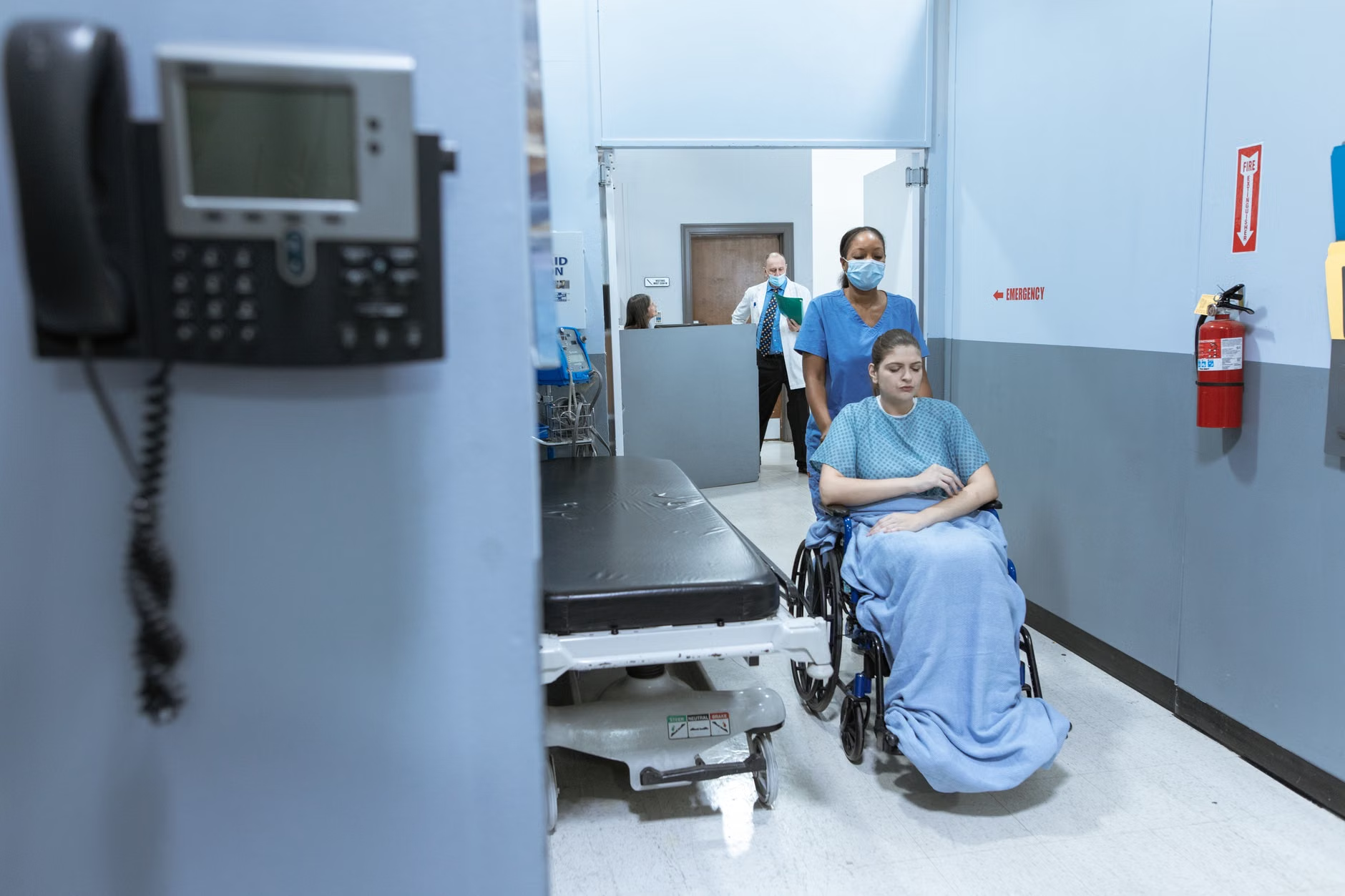
- Wheelchair Assistance: If you have limited stamina, request a wheelchair for the terminal process. Note that these are often for transport from the curb to the ship and may not be available for the duration of the cruise.
- Priority Boarding: Travelers with mobility impairments or certain medical conditions are often granted early boarding to avoid the peak rush.
- Oxygen or Medical Equipment: If you are traveling with a CPAP machine, oxygen concentrator, or other medical devices, confirm the cruise line’s policy on bringing these through security.
The “Emergency Carry-On” Strategy
Your checked luggage will be delivered to your cabin hours after you board. You must carry all essentials with you. Prepare a dedicated bag containing:
| Category | Items to Include |
|---|---|
| Health | All daily medications, a copy of your prescriptions, and a list of emergency contacts. |
| Documentation | Passport/ID, boarding passes, and printed confirmation of your special needs request. |
| Comfort | A light jacket (terminals are often air-conditioned), a refillable water bottle, and snacks. |
On the day of the cruise, your goal is to minimize energy expenditure while maximizing safety. Use this step-by-step framework to navigate the terminal efficiently.
1. Arrival and Drop-Off
If you are arriving by taxi or private car, ask to be dropped off at the “Accessible” or “Priority” entrance if available. Many terminals have specific drop-off zones for those with mobility issues. If you have a rollator or wheelchair, ensure it is easily accessible in your vehicle’s trunk so you can transition immediately upon arrival.
2. The Security Screening
Security is the most common bottleneck. If you use a pacemaker or other medical device, inform the security officer before you walk through the metal detector. They can perform a manual screening. Keep your medical documentation handy in case they need to verify the device.
3. The Check-In Process
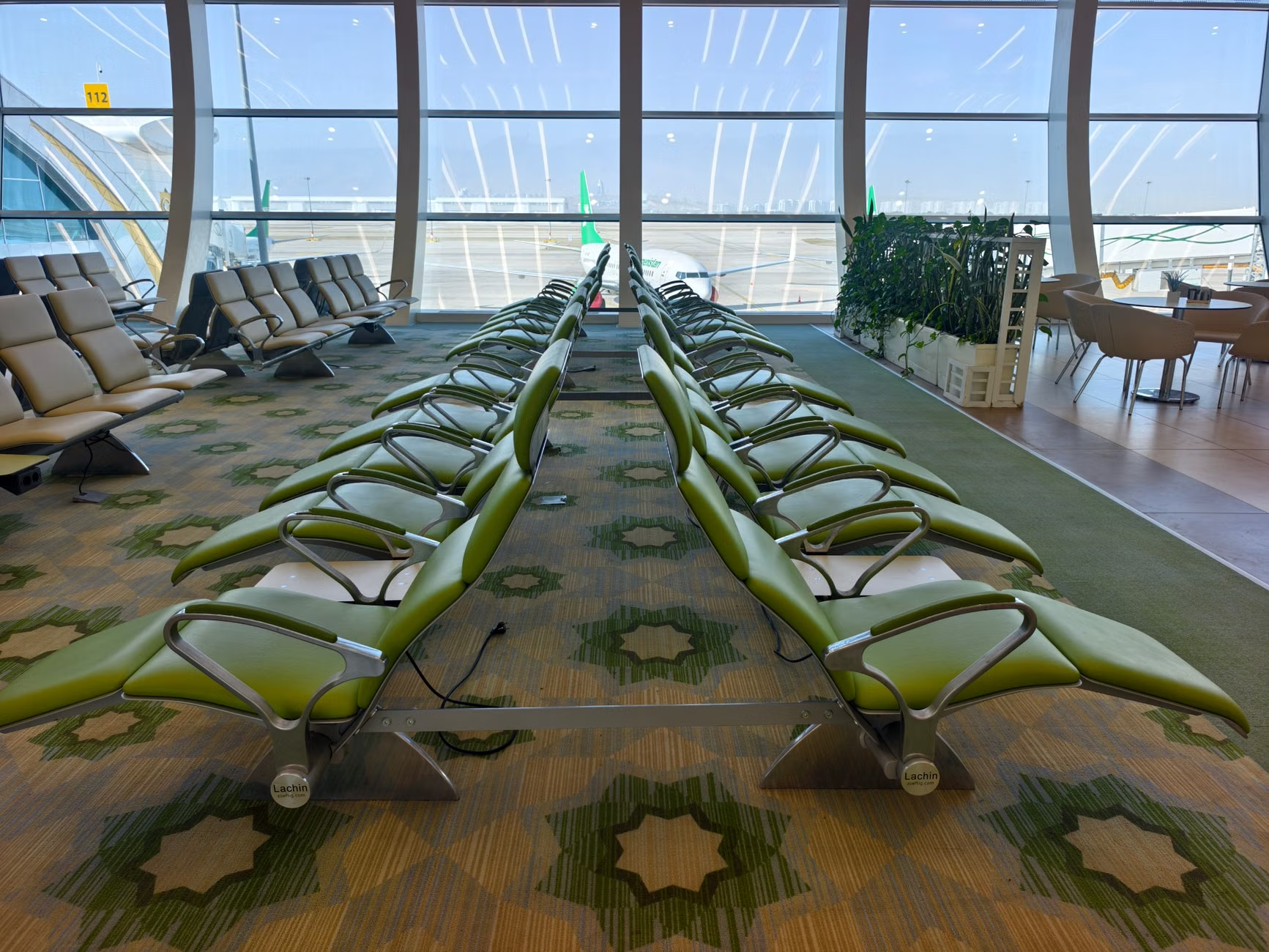
Modern check-in is increasingly digital, but you will still need to verify your identity. If you find the standing lines difficult, look for the “Special Assistance” desk. It is not “skipping the line” to request assistance; it is a necessary adjustment for your health and safety. Never hesitate to state, “I have limited mobility and require assistance to sit while my documents are processed.”
Managing Stamina and Mobility Challenges
Even with assistance, terminals are large. If you have concerns about walking distances, consider the following strategies:
- The “Mid-Window” Strategy: While many travelers want to be the first on the ship, arriving at the very beginning of your boarding window often means standing in the longest initial lines. Arriving 30–45 minutes after your assigned slot often results in a much shorter wait.
- Use Your Mobility Aids: If you use a cane or rollator at home, bring it. Do not attempt to “push through” without your usual support. The terminal floors are often polished and can be slippery or uneven.
- Hydration and Pacing: Air travel and travel to the port can be dehydrating. Keep your water bottle filled. If you feel dizzy or overwhelmed, find a seat immediately—do not feel pressured to keep moving.
Addressing Common Misconceptions
Many travelers believe that requesting assistance will delay their embarkation or result in “second-class” service. In reality, the opposite is true. Cruise terminal staff are trained to prioritize safety. By identifying yourself as a traveler who needs assistance, you are helping the staff manage the flow of the terminal more effectively.
Another misconception is that the ship’s crew will automatically know your needs once you are on board. While the terminal staff may communicate your arrival, always re-confirm your needs with the Guest Services desk once you reach your cabin. This is especially important for dietary requirements or specific room-setup requests.
Insights for a Stress-Free Experience
One often overlooked variable is the “gangway transition.” The gangway (the ramp connecting the terminal to the ship) can sometimes be steep, especially at low tide. If you are concerned about the incline, inform the boarding staff. They have protocols for assisting passengers with steep gangways, including using elevators or alternative boarding points.
Additionally, consider the “carry-on weight.” Many seniors struggle because they are carrying too much in their hands. Use a carry-on bag with sturdy wheels. A bag that you have to lift and carry across the terminal is a major drain on your stamina before the vacation has even begun.
Decision Criteria: When to Hire Private Assistance
If you are traveling alone or with a partner who also has mobility challenges, consider hiring a private port-assistance service if the cruise line’s standard service feels insufficient. Some independent companies specialize in “meet and greet” services at major cruise ports. They can handle your luggage, navigate the terminal, and ensure you are safely escorted to your cabin door. This is an extra cost, but for some, it is the difference between an exhausting start and a relaxing one.
Safety and Medical Preparedness
If you have a chronic condition, such as heart disease or respiratory issues, the stress of travel can be a trigger. Always keep a “Medication Schedule” on your phone or in your pocket. If you feel unwell during embarkation, do not wait until you are on the ship to seek help. Every cruise terminal has a first-aid station or medical personnel on-site. Their job is to ensure you are fit to sail.
Conclusion: The Path to a Smooth Voyage
Embarkation is a process, not a race. By planning ahead, communicating your needs clearly, and prioritizing your physical stamina, you can ensure that your cruise begins on a note of comfort and confidence. Remember, the cruise line wants you to have a successful boarding experience as much as you do. Leverage the resources available, pace yourself, and focus on the journey ahead.
Frequently Asked Questions
- Can I bring my own wheelchair or mobility scooter on board?
Yes, most cruise lines allow personal mobility devices. However, you must inform the cruise line in advance regarding the dimensions of your device to ensure it fits through your cabin door and can be stored safely. - What should I do if my mobility needs change suddenly before the cruise?
Contact the cruise line’s Special Needs department immediately. Even if your departure is only a few days away, they may be able to adjust your boarding priority or provide specific equipment if notified. - Are cruise terminals universally accessible?
While most major international cruise terminals are compliant with local disability laws (such as the ADA in the United States or the Equality Act in the UK), smaller or older ports may have limitations. Research your specific port of departure online or ask your travel agent about the terminal’s accessibility features.
For further information on your rights as a traveler, you may consult the U.S. Department of Transportation’s guidance on accessible travel or the relevant transport authority in your home country.