The Power of Rhythm: How Drumming Circles Enhance Wellbeing for Older Adults
- Cognitive and Motor Synergy: Drumming requires simultaneous use of sensory, motor, and cognitive faculties, which helps maintain neuroplasticity and hand-eye coordination.
- Accessibility and Inclusion: Drum circles are highly adaptable; they do not require musical training, expensive equipment, or high physical stamina, making them suitable for various mobility levels.
- Social and Emotional Anchoring: Participating in a collective rhythmic activity reduces feelings of isolation and provides a non-verbal medium for emotional expression and stress reduction.
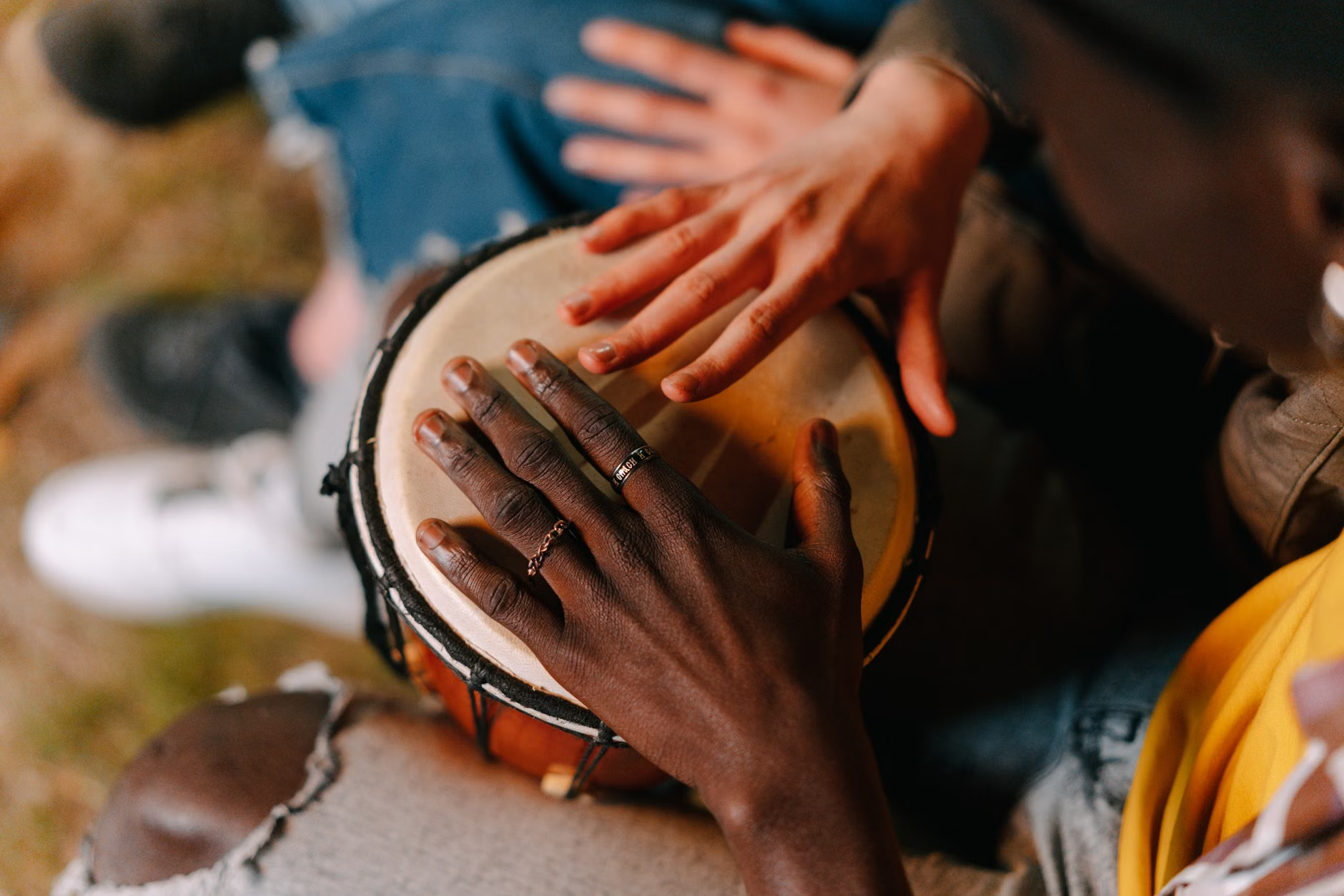
Rhythmic drumming circles—group gatherings where participants play hand drums and percussion instruments together—have emerged as a powerful, non-clinical tool for enhancing the quality of life in the 60 to 80 age demographic. Unlike traditional music lessons that focus on individual performance and theory, drumming circles prioritize the collective experience, immediate participation, and the physiological benefits of synchronized movement.
The Science of Rhythm: Why It Matters for Brain Health
At the core of drumming is the synchronization of biological and mechanical rhythms. When an individual engages in drumming, they are performing a complex task that requires the integration of auditory processing, motor control, and cognitive focus. For older adults, this serves as a form of “cognitive training” that is both stimulating and enjoyable.
Neuroplasticity and Rhythmic Entrainment
Neuroplasticity refers to the brain’s ability to reorganize itself by forming new neural connections. Research suggests that rhythmic activity can influence the brain’s alpha and theta waves, which are associated with relaxation and meditative states. By following a beat, the brain engages in “entrainment,” where internal neural oscillations align with the external rhythmic stimulus. This process helps keep the brain active and resilient.
Coordination and Motor Skills
Drumming encourages the use of both hands, often in cross-lateral patterns. This promotes communication between the left and right hemispheres of the brain. For those navigating age-related changes in fine motor skills, the repetitive, percussive nature of drumming provides a safe, low-impact way to maintain range of motion in the wrists, elbows, and shoulders.
What a Typical Drumming Circle Looks Like
A common misconception is that drumming circles are chaotic or excessively loud. In reality, a well-facilitated circle is highly structured. The facilitator—often a trained music therapist or a community leader—acts as a conductor who guides the group through different rhythms, tempos, and volume levels.
| Element | Description | Benefit for Seniors |
|---|---|---|
| Instrumentation | Djembe, frame drums, shakers, tambourines. | Lightweight and easy to handle; no complex fingering required. |
| Tempo Control | Gradual shifts from slow, meditative beats to lively, energetic rhythms. | Allows for pacing based on physical stamina and comfort. |
| Facilitation | Verbal cues and hand signals to manage group dynamics. | Prevents sensory overload and ensures inclusivity. |
The table above illustrates that the activity is designed for accessibility. If you have limited mobility in your legs, drumming is an ideal hobby because it is performed while seated. If you have concerns about hearing sensitivity, facilitators can provide protective gear or keep volume levels within a comfortable, moderate range.
Evaluating the Benefits: A Balanced Perspective
While drumming circles offer significant advantages, it is important to understand their role in a balanced lifestyle. They are not a replacement for medical care or physical therapy, but rather a complementary activity that supports overall wellness.
Physical Considerations and Safety
For those with conditions like arthritis, repetitive drumming can potentially cause joint strain if technique is not monitored. It is essential to choose instruments that require minimal force—such as shakers or frame drums—rather than heavy, high-tension drums. Always prioritize “soft” play; the goal is the rhythm, not the volume.
Mental Health and Social Connection
Loneliness and social withdrawal are significant challenges for some in the 60+ demographic. Drumming circles provide a “low-stakes” social environment. Because the focus is on the music rather than conversation, it removes the pressure to perform socially. This makes it an excellent entry point for individuals who may feel hesitant about joining more traditional clubs or organizations.
How to Find or Start a Local Circle
Finding a group is often easier than expected, as many community centers, libraries, and senior activity hubs are increasingly hosting these sessions. Follow these steps to evaluate if a group is right for you:
- Observe First: Ask if you can sit in on a session as an observer before participating.
- Check the Environment: Look for rooms with adequate ventilation, comfortable seating (backed chairs, not stools), and accessibility features like elevators or ramps.
- Inquire About Training: Ask if the facilitator has experience with senior populations or therapeutic drumming.
Practical Strategies for Success
To maximize the benefits of your participation, consider the following strategies:
- Warm-up: Before starting, perform gentle wrist and shoulder stretches.
- Hydration: Keep water nearby. Even light physical activity requires fluid intake.
- Consistency over Intensity: A 30-minute session once a week is often more beneficial for mental health than a single 3-hour session once a month.

Addressing Common Misconceptions
Many people feel they “lack rhythm” and therefore cannot participate. It is important to clarify that rhythm is a biological function, not a talent reserved for professional musicians. Your heart beats, your lungs breathe, and you walk with a cadence—these are all natural rhythms. A drumming circle is designed to help you tap into these innate capabilities, not to test your musical proficiency.
The “Noise” Concern
Some participants worry that drumming might be too loud. Modern drum circles often utilize a variety of instruments, many of which are very quiet. If you are sensitive to sound, inform the facilitator beforehand. They can place you in a position further from the “bass” instruments or provide you with quieter hand-held percussion.

Extended Analysis: The Role of Non-Verbal Expression
As we age, we often find ourselves in environments where verbal communication is the primary mode of interaction. This can become taxing, especially if there are hearing challenges or cognitive fatigue. Drumming offers a “non-verbal dialogue.” When you play with others, you are communicating through the rhythm. You learn to listen, respond, and support the group’s collective sound. This type of interaction fosters a sense of belonging that is often absent in more structured activities.
The Impact on Stress Hormones
Preliminary research indicates that group drumming can reduce the levels of cortisol—the body’s primary stress hormone—in the blood. By engaging the parasympathetic nervous system, the rhythmic action acts as a “reset button” for the body. For those dealing with the daily stresses of caregiving or managing chronic health conditions, this provides a practical, immediate, and free coping mechanism.
It is crucial to acknowledge that drumming is not a panacea. If you are experiencing acute pain, particularly in the hands, wrists, or back, consult with your primary care physician before beginning a new drumming routine. Furthermore, if you are currently undergoing treatment for a condition that affects your balance or stability, ensure that the seating provided is secure and stable.
Choosing the Right Instrument
Not all drums are equal. For seniors, the weight of the instrument is a key factor in long-term enjoyment. Avoid heavy wooden drums that need to be carried long distances. Look for synthetic-shell drums or lightweight frame drums. If you are unsure, ask the facilitator to recommend the most ergonomic option available in the group’s collection.
Incorporating Drumming into Daily Life
Even if you cannot make it to a weekly circle, you can bring the benefits of rhythm into your home. Simple, rhythmic activities—such as tapping along to your favorite music or using a metronome to practice steady tapping—can provide many of the same cognitive benefits. However, the social component remains the primary advantage of the group setting.
Conclusion: A Path Forward
The benefits of rhythmic drumming circles for older adults extend well beyond the music itself. By integrating physical movement, social interaction, and cognitive stimulation, these circles offer a holistic approach to wellbeing. Whether you are looking for a new hobby, a way to stay mentally sharp, or simply a space to connect with others, the drum circle invites you to participate at your own pace. Start by researching community centers in your local area, and remember that the most important part of the process is the willingness to join in and find your own beat.
Frequently Asked Questions
- 1. Do I need to have musical experience to join a drum circle?
- Absolutely not. Drum circles are designed for all skill levels. The facilitator will guide you through simple patterns, and there is no “correct” or “incorrect” way to play; the focus is on participation and the group experience.
- 2. Is it safe for someone with arthritis or limited mobility?
- Yes, provided you choose the right instrument and use proper technique. Opt for lighter instruments like shakers or frame drums and ensure you are seated comfortably. If you have specific concerns, always consult with your physician and let the facilitator know about your physical limitations.
- 3. Where can I find a drumming circle in my area?
- Start by checking your local community center, library, or senior activity center website. You can also search online for “drum circles for seniors” or “therapeutic percussion groups” in your city. Many local music therapists also host private or public group sessions.