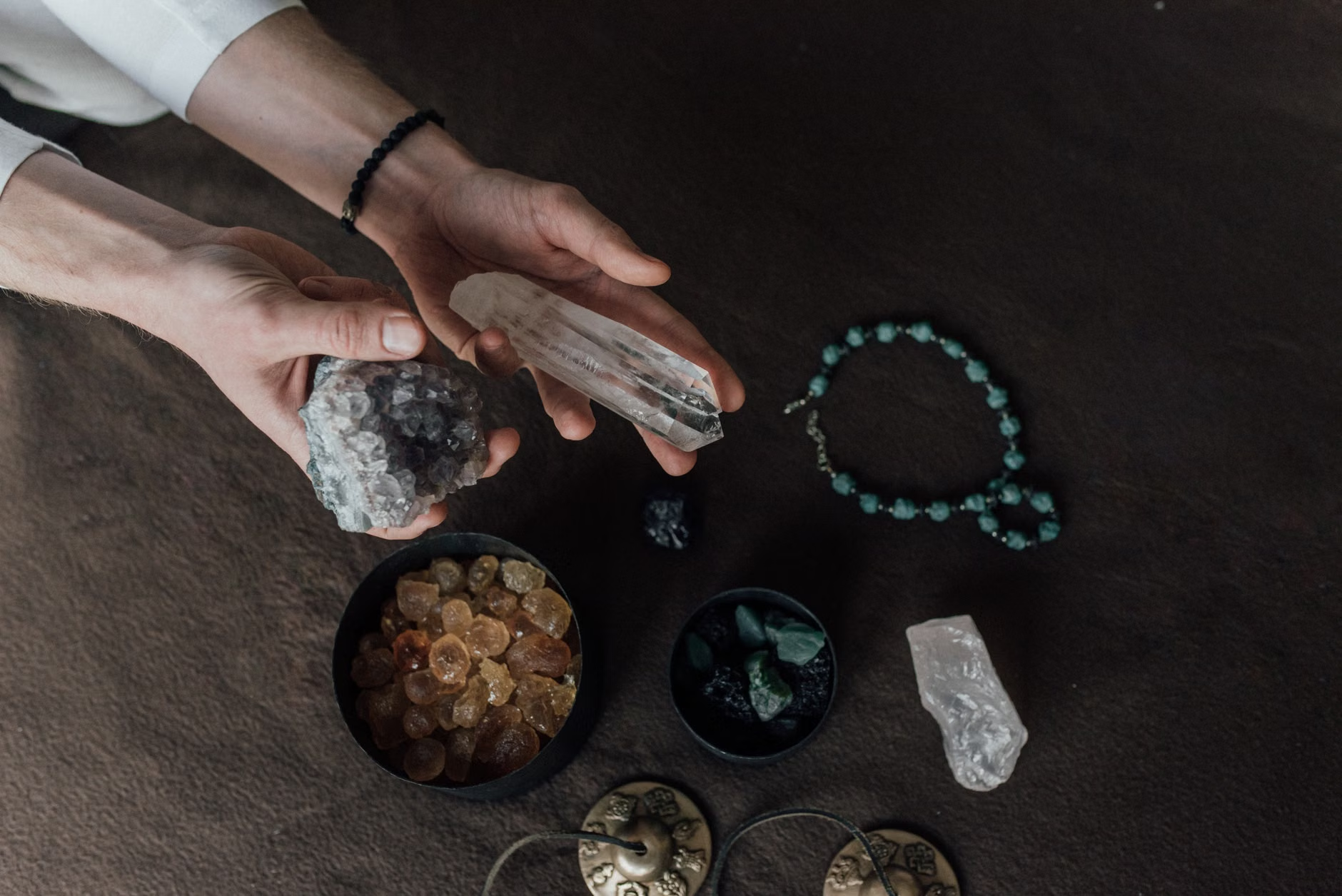
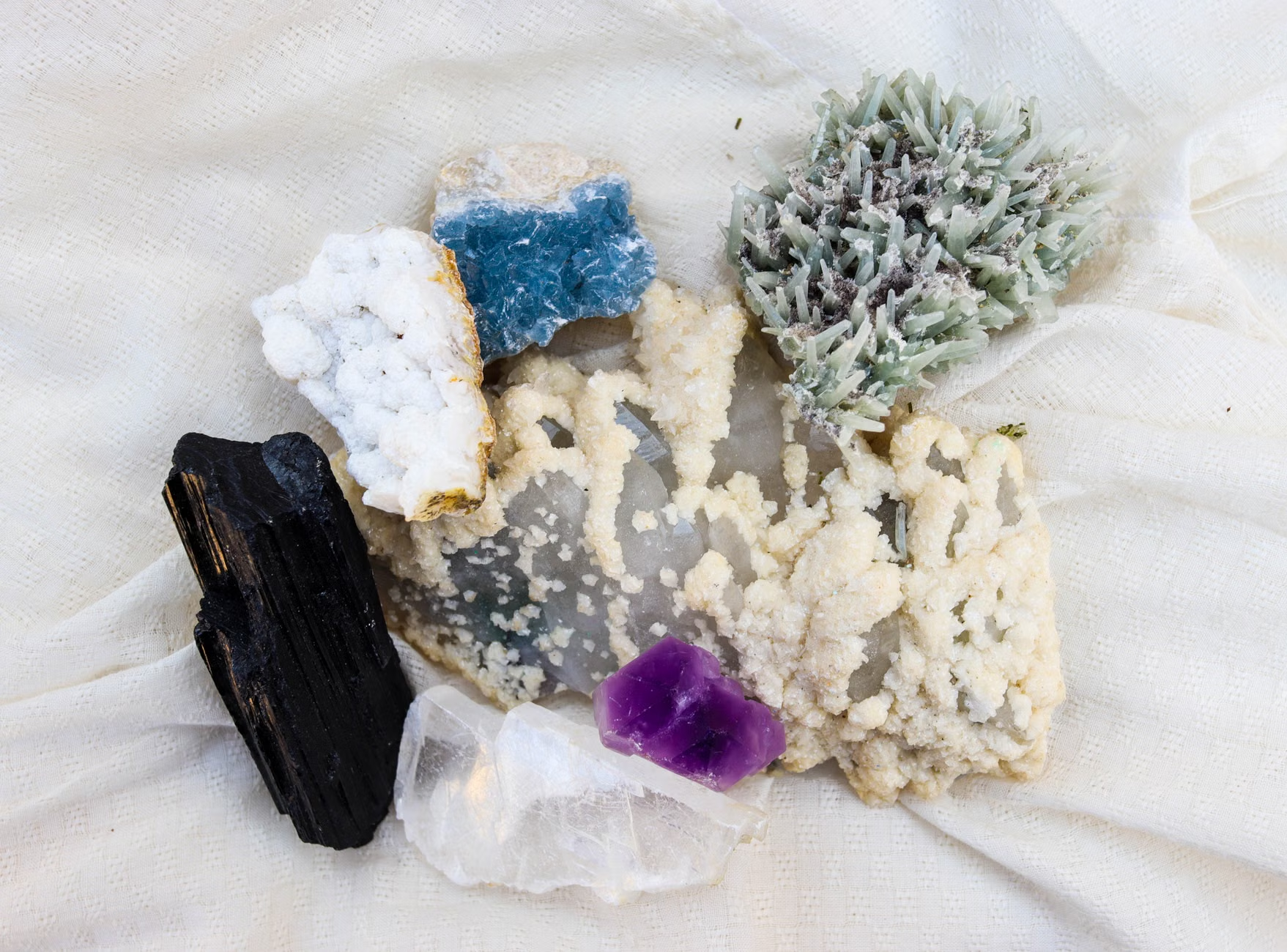
- Cognitive Engagement: Amateur mineralogy requires sustained attention, pattern recognition, and memory, which help maintain neural plasticity.
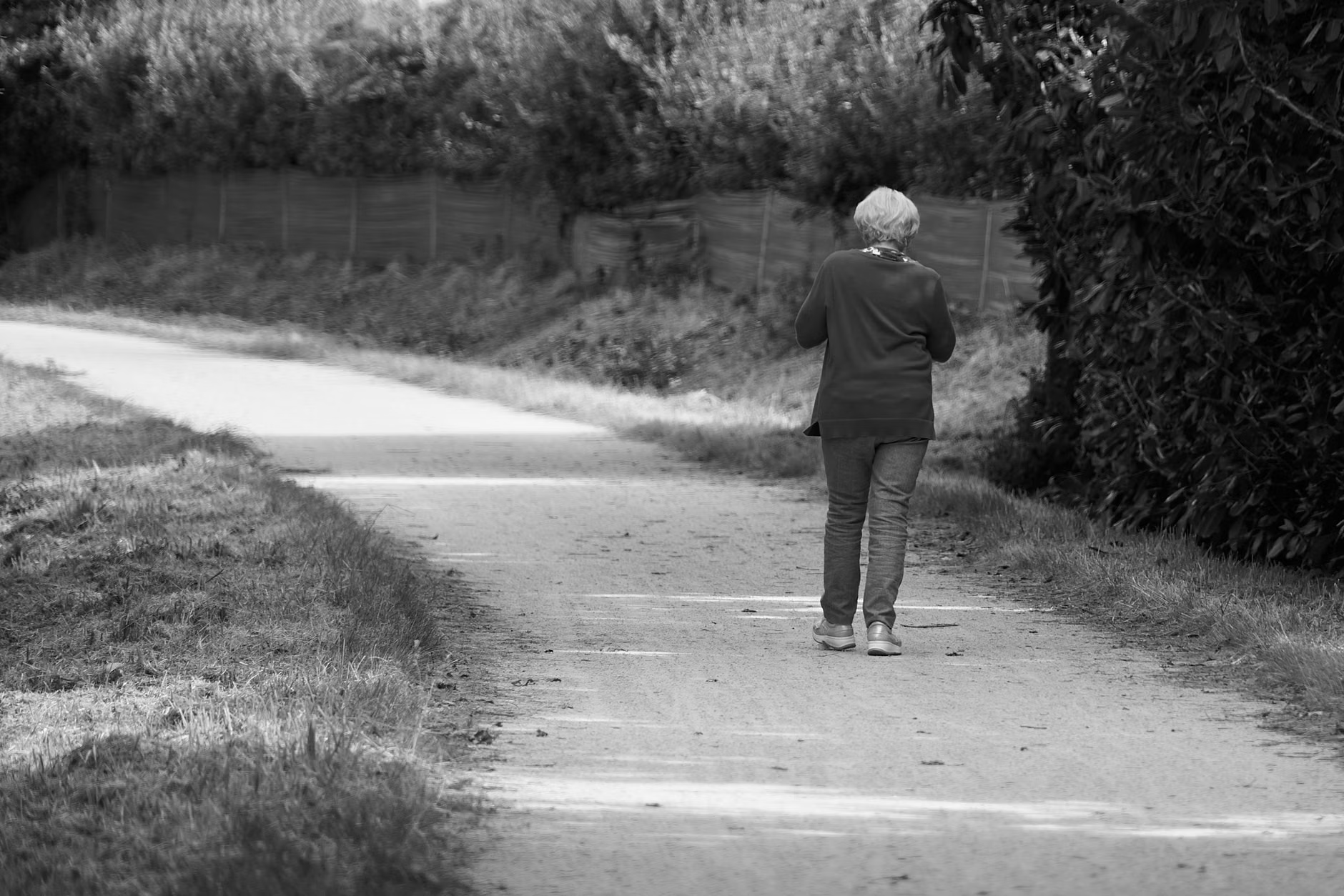
- Physical Benefits: The hobby encourages gentle, low-impact physical activity and improves hand-eye coordination through the handling of small specimens.
- Accessibility: You can start mineralogy as a desk-based hobby with minimal cost, making it highly adaptable to varying levels of physical mobility.
Introduction: Why Mineralogy is More Than Just Collecting Rocks
For many adults in the 60 to 80 age range, the search for a hobby often balances the need for mental stimulation with physical accessibility. Amateur mineralogy—the study and collection of minerals—offers a unique intersection of scientific inquiry, aesthetic appreciation, and sensory engagement. Unlike hobbies that require high-intensity physical exertion or complex digital interfaces, mineralogy allows for a self-paced, deep-dive into the natural world.
At its core, mineralogy is an act of classification and observation. It asks you to look at a piece of the Earth and determine its identity based on physical properties like hardness, luster, cleavage, and crystal habit. This article explores how this pursuit functions as a cognitive exercise, the practical steps to getting started, and how to integrate it into your life safely and affordably.
The Cognitive Mechanics of Mineral Identification
Cognitive health is often supported by tasks that require “active engagement.” When you pick up a mineral, you are not merely looking at a rock; you are engaging in a multi-step analytical process. This process mirrors the scientific method, which is excellent for maintaining executive function.
Pattern Recognition and Memory
When you attempt to identify an unknown mineral, you must compare it against a set of known criteria. Does it scratch glass? (Hardness) Does it break in flat sheets? (Cleavage) Is it opaque or translucent? (Diaphaneity). This requires the brain to retrieve information from memory and apply it to a physical object. Over time, this builds a “mental library” of specimens, which strengthens synaptic connections associated with categorization and visual memory.
Fine Motor Skills and Sensory Input
Handling mineral specimens—using a loupe (a small magnifying lens), testing for streaks on a porcelain plate, or carefully labeling small boxes—is an excellent way to maintain fine motor control. The texture, weight, and temperature of different minerals provide tactile feedback that is often lacking in modern, screen-based leisure activities.
Getting Started: A Low-Barrier Approach
A common misconception is that mineralogy requires expensive equipment or strenuous hiking to remote quarries. In reality, the hobby is highly scalable.
| Approach | Physical Requirement | Cost | Cognitive Focus |
|---|---|---|---|
| Desk-Based Study | Minimal (Sitting) | Low | Research, classification, cleaning |
| Local Field Scouting | Low to Moderate (Walking) | Low | Observation, photography, collection |
| Club/Society Participation | Low (Social interaction) | Moderate (Dues) | Social learning, knowledge exchange |
Essential Tools for the Beginner
You do not need a laboratory to begin. A basic “identification kit” can be assembled for less than the price of a standard dinner out:
- 10x Jeweler’s Loupe: This is the single most important tool. It allows you to see the crystal structure and inclusions that are invisible to the naked eye.
- Mohs Hardness Kit (or common items): A copper penny (3.5), a steel nail (5.5), and a piece of glass (6.0) serve as excellent scratch-test tools.
- Streak Plate: A piece of unglazed porcelain used to see the color of a mineral’s powder.
- Storage Containers: Small, acid-free cardboard boxes or plastic display cases to prevent specimens from scratching each other.
Safety and Mobility: Practical Considerations
If you choose to move your hobby from the desk to the field, safety must be your priority. Many seniors find that “urban mineralogy” or visiting established public sites is more sustainable than rugged exploration.
Choosing Your Terrain
Avoid steep slopes or loose scree fields. Instead, focus on:
- Public Beaches/Rivers: Water-worn pebbles often reveal their internal structure more clearly than jagged rocks. Walking on flat, stable ground is safer and less taxing on the joints.
- Geological Parks: These sites often feature accessible trails with interpretive signage that explains the local mineralogy, providing a structured learning experience without the need for intense navigation.
- Safety Gear: Always wear sturdy, closed-toe shoes with good ankle support. If you are in a sunny area, prioritize a wide-brimmed hat and sunscreen, as the reflection of the sun off rocks can be stronger than expected.
The Social Dimension: Joining a Mineralogical Society
Mineralogy is not a solitary pursuit. Most countries have local mineralogical or geological societies. These groups are excellent for seniors because they offer:
- Mentorship: Experienced members are often eager to share their knowledge, which accelerates your learning curve.
- Accessibility: Meetings are usually held in community centers or libraries, which are generally accessible.
- Community: Engaging in a hobby with others provides a sense of purpose and social connection, which is a major factor in healthy aging.
Warning: Be cautious of “rockhound” groups that focus exclusively on high-intensity digging. Ensure that the group’s activities align with your personal physical stamina and mobility levels.
Deep Dive: The Science of Classification
To truly gain the cognitive benefits of this hobby, one must move beyond simple “collecting” into the realm of “curating.” A collection without documentation is merely a pile of rocks; a collection with documentation is a scientific project.
The Importance of Record Keeping
Every specimen should have a corresponding record. This is a powerful exercise for memory and organizational skills. Your record should include:
- Name of the Mineral: The standard chemical or common name.
- Locality: Where it was found or purchased. This provides a geographical context that keeps the brain engaged with maps and regional history.
- Physical Properties: A brief note on why you identified it as such (e.g., “Hardness 7, hexagonal crystal habit”).
- Acquisition Date/Cost: Useful for tracking the growth of your collection.
By maintaining a digital or paper logbook, you are training your brain to organize data, synthesize information, and maintain a long-term goal. This is a form of “cognitive scaffolding” that can be applied to other areas of life.
Addressing Common Misconceptions
There is a persistent myth that one needs a degree in geology to understand minerals. This is false. Modern mineralogy is highly democratic. With the advent of smartphone photography and online databases like Mindat.org, you have the world’s largest mineralogical database at your fingertips.
The “Cost” Myth: You do not need to buy expensive, rare specimens. Many of the most interesting minerals—such as quartz, calcite, and pyrite—are inexpensive or can be found in nature. The value of the hobby is in the identification and understanding, not the financial market value of the rocks.
Integrating Mineralogy into Daily Life
How do you make this a part of your daily routine? The key is to avoid “hobby burnout.”
- The 15-Minute Rule: Spend 15 minutes a day cleaning, labeling, or researching one specimen. This prevents the hobby from becoming a chore.
- Integration with Travel: If you are traveling, look up the geological history of your destination. It adds a layer of depth to your trips, transforming a standard sightseeing tour into an exploratory mission.
- Family Engagement: Share your knowledge with grandchildren or friends. Teaching a concept is the best way to solidify your own understanding.
Conclusion: The Lasting Value of Curiosity
Amateur mineralogy is more than a leisure activity; it is a discipline of the mind. By training ourselves to observe the minute details of the natural world, we maintain our cognitive sharpness, improve our physical dexterity, and cultivate a sense of wonder that is essential for a high quality of life throughout our 60s, 70s, and beyond.
Start small, be patient with your learning process, and remember that the goal is not to have the largest collection, but to have a deeper, more meaningful connection with the physical world around you. Whether you are examining a piece of quartz on your kitchen table or walking through a local nature preserve, you are actively engaging your brain and investing in your own long-term cognitive health.
Frequently Asked Questions (FAQ)
1. Is mineralogy physically demanding?
It can be, but it doesn’t have to be. You can enjoy mineralogy entirely from a seated position at a desk. If you choose to go into the field to collect specimens, you can choose locations that are flat and easily accessible, such as beaches or public parks, to avoid strenuous terrain.
2. Is this hobby expensive to maintain?
Not at all. Once you have a basic set of tools (loupe, streak plate, storage boxes), the ongoing costs are minimal. Many hobbyists enjoy collecting common specimens found in nature, which costs nothing, or purchasing small, inexpensive samples from local shops or online exchanges.
3. How do I know if a mineral is safe to handle?
Most minerals found in common collections are perfectly safe to handle. However, some minerals contain elements like lead or arsenic. Always research a new specimen before handling it. A general rule is to wash your hands thoroughly after handling any mineral, and avoid handling minerals that are powdery or friable (crumbling) without appropriate protection.
For further information on identifying minerals, you may visit the Geology.com Mineral Guide, which provides comprehensive, accessible data for beginners.