- Mindful Engagement: Pressing wildflowers is a slow-paced, meditative practice that improves focus, fine motor coordination, and connection to the seasonal environment.
- Equipment Matters: Using proper archival materials—such as acid-free paper and blotting boards—is essential to prevent decay and ensure your specimens last for years.
- Ethical Foraging: Always prioritize local conservation by only collecting common, abundant species and avoiding protected or endangered plants.
Introduction to the Timeless Craft of Flower Pressing
Flower pressing is more than just a craft; it is a sensory-rich bridge between the natural world and the comfort of your home. For many adults, the act of walking through a garden or a meadow, selecting a bloom at its peak, and preserving it through pressure offers a unique opportunity for mindfulness. Unlike fast-paced digital hobbies, pressing flowers requires patience, observation, and a deliberate slowing of the clock.
As we navigate our later years, the importance of engaging in activities that stimulate the senses while maintaining physical dexterity cannot be overstated. This hobby combines gentle physical activity—such as walking to find specimens—with the cognitive engagement of botanical identification and the creative satisfaction of artistic arrangement.
Understanding the Botanical Process: Why Plants Press
At its core, pressing is the controlled removal of moisture from plant tissue. When a flower is placed between absorbent layers, the pressure flattens the cells, while the absorbent material draws out the water. This process prevents the plant from rotting or molding. When done correctly, the result is a beautifully preserved specimen that retains its shape and, often, its color for decades.
Why does this matter for the hobbyist? Understanding that you are fighting the natural process of decomposition helps you choose the right tools. If you use materials that trap moisture, your flowers will turn brown or grow mold. If you use materials that are too thin, the pressure will be uneven, leading to wrinkled petals.
Essential Equipment for a Successful Press
You do not need an expensive setup to begin, but you do need the right components to ensure success. Here is a breakdown of the materials required for high-quality results:
| Material | Purpose | Recommendation |
|---|---|---|
| Wooden Press | Provides uniform, heavy pressure. | A traditional screw-down press is best for stability. |
| Blotting Paper | Absorbs moisture from the plant. | Acid-free, unprinted, thick cardboard or heavy blotting paper. |
| Archival Paper | The base for your final specimen. | Cotton-based, acid-free paper to prevent yellowing. |
| Tweezers | Precision placement. | Fine-tipped craft tweezers to avoid bruising petals. |
For those with limited hand strength, a lever-action press is often superior to a screw-down press. It requires less torque to apply the necessary pressure, making it more accessible and reducing strain on the wrists and fingers.
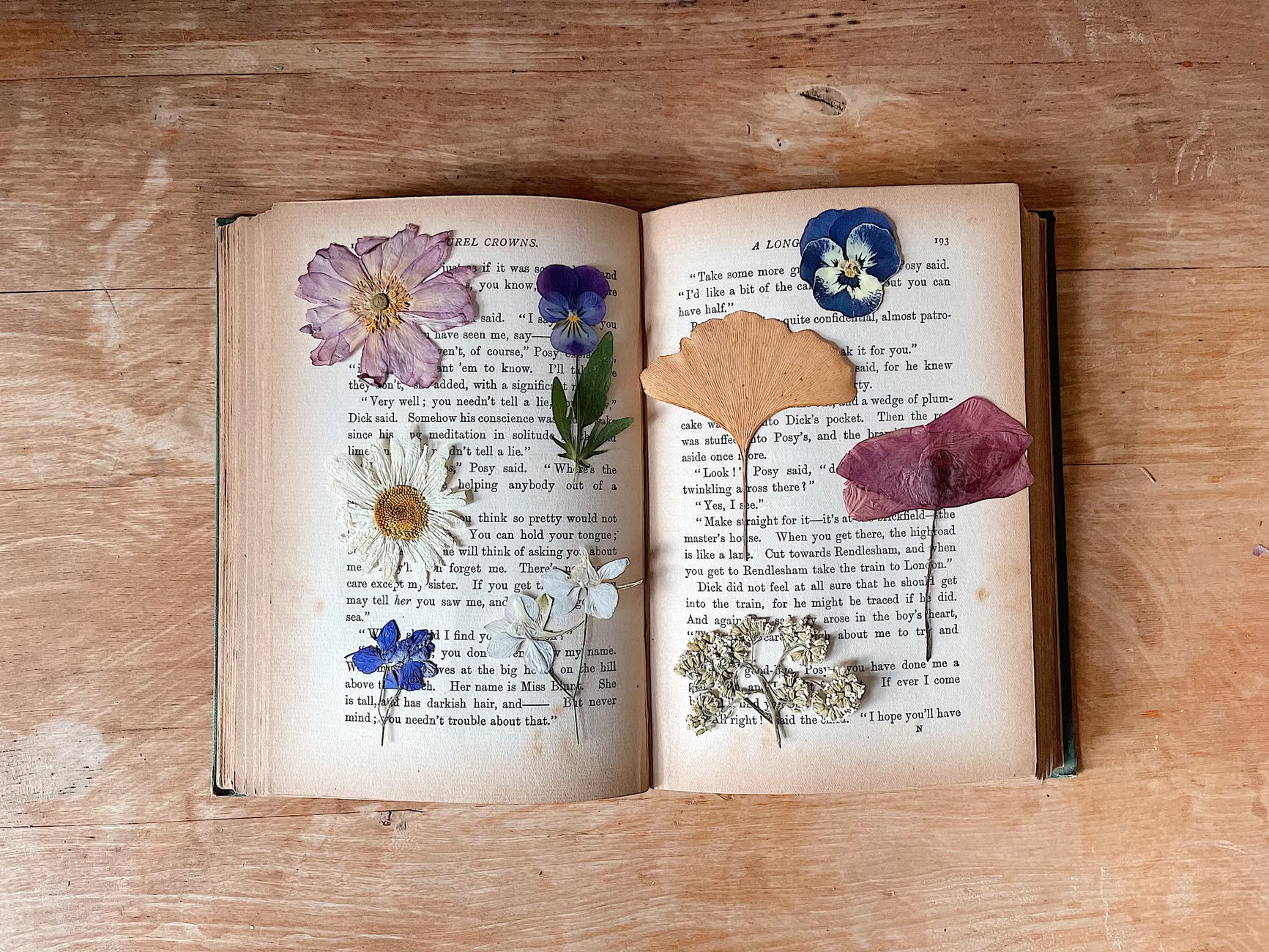
Selecting and Harvesting: The Ethical Approach
The joy of this hobby begins long before you touch the press. It starts with the walk. Whether in your own backyard, a community garden, or a local park, the act of observing nature requires a shift in perspective. You are no longer just walking; you are looking for geometry, color, and texture.
Guidelines for Responsible Collection
- Check Local Regulations: In many countries, such as the United States (via the National Park Service) or the United Kingdom (via the Wildlife and Countryside Act), there are strict rules against picking wildflowers in protected nature reserves. Always ensure the land is public or private property where foraging is permitted.
- The Rule of Twenty: A common rule of thumb for sustainable foraging is to only pick a flower if you see at least 20 others of the same species in the immediate area. This ensures the plant population remains healthy.
- Timing is Everything: Collect your flowers in the late morning, after the dew has evaporated but before the heat of the afternoon causes the petals to wilt. This ensures the plant is hydrated but not overly saturated with surface moisture.
Step-by-Step: The Art of the Press
Once you have your specimens, the process must be handled with care to achieve the best results. Follow these steps to ensure your flowers are preserved perfectly.
1. Preparation
Lay your specimen on a flat surface. If the flower is thick (like a daisy or a pansy), you may want to trim the stem slightly or slice a thick stem in half lengthwise to make it flatter. This creates a more stable surface for pressing.
2. Layering
Place your flower face down on the archival paper. Arrange the petals exactly as you want them to appear when dried. Once you move them into the press, they will be fixed in that position. Place a sheet of blotting paper over the top of the flower.
3. Applying Pressure
Stack your layers in the press: Cardboard, blotter, paper, flower, paper, blotter, cardboard. Tighten the press evenly. Do not over-tighten on the first day; you want consistent, firm pressure rather than crushing force.
4. The Waiting Game
This is the most important part. Leave your flowers for at least two weeks. Check them at the 14-day mark. If they still feel cool or damp to the touch, they need more time. A common mistake is removing flowers too early, which leads to them losing their shape or developing spots.
Troubleshooting Common Issues
Even experienced hobbyists encounter challenges. Here is how to address the most frequent problems:
- Browning: This usually indicates the flower was pressed too slowly or had too much moisture. Ensure you are using clean, dry blotting paper and consider changing the blotter after the first 48 hours.
- Mold: This is a sign of high humidity or insufficient ventilation. If you live in a humid climate, place your press in a dry, climate-controlled room.
- Loss of Color: Some flowers, like bright blues and reds, are prone to fading. Keeping them away from direct sunlight after they are framed is the best way to maintain their pigment.
Creative Applications: Turning Specimens into Art
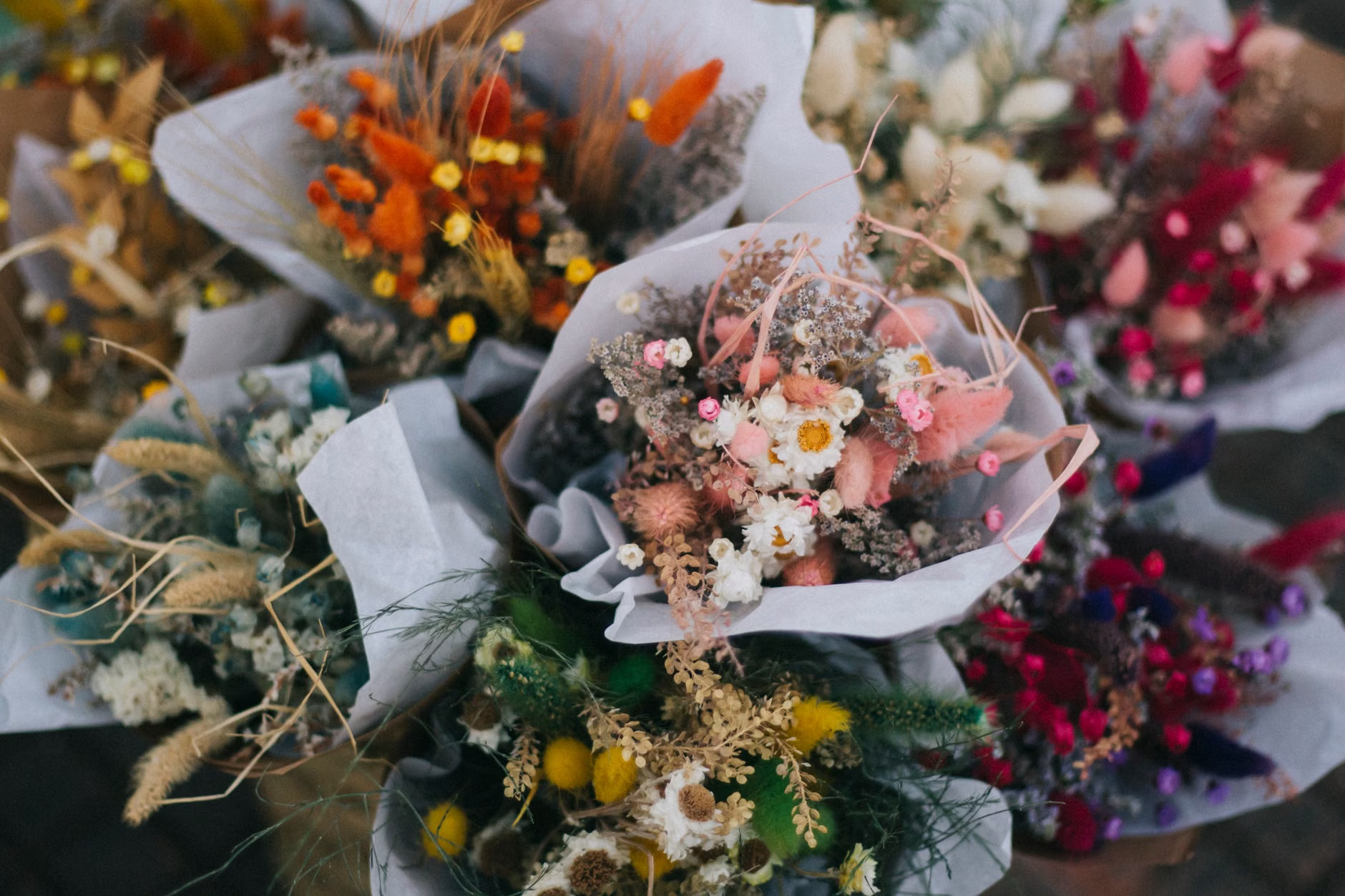
Once your specimens are perfectly dried, the real creative work begins. Many people find great satisfaction in creating framed art, personalized greeting cards, or even pressed-flower bookmarks. When mounting your flowers, use a tiny amount of archival-quality glue. A little goes a long way—you only need a pin-prick amount on the back of the thickest part of the stem or petal.
For those interested in the history of the plants, consider keeping a botanical journal. Note the date, the location where you found the flower, and its common name. This transforms a simple craft into a personal archive of your seasonal journeys.
Health and Wellbeing Benefits for Seniors
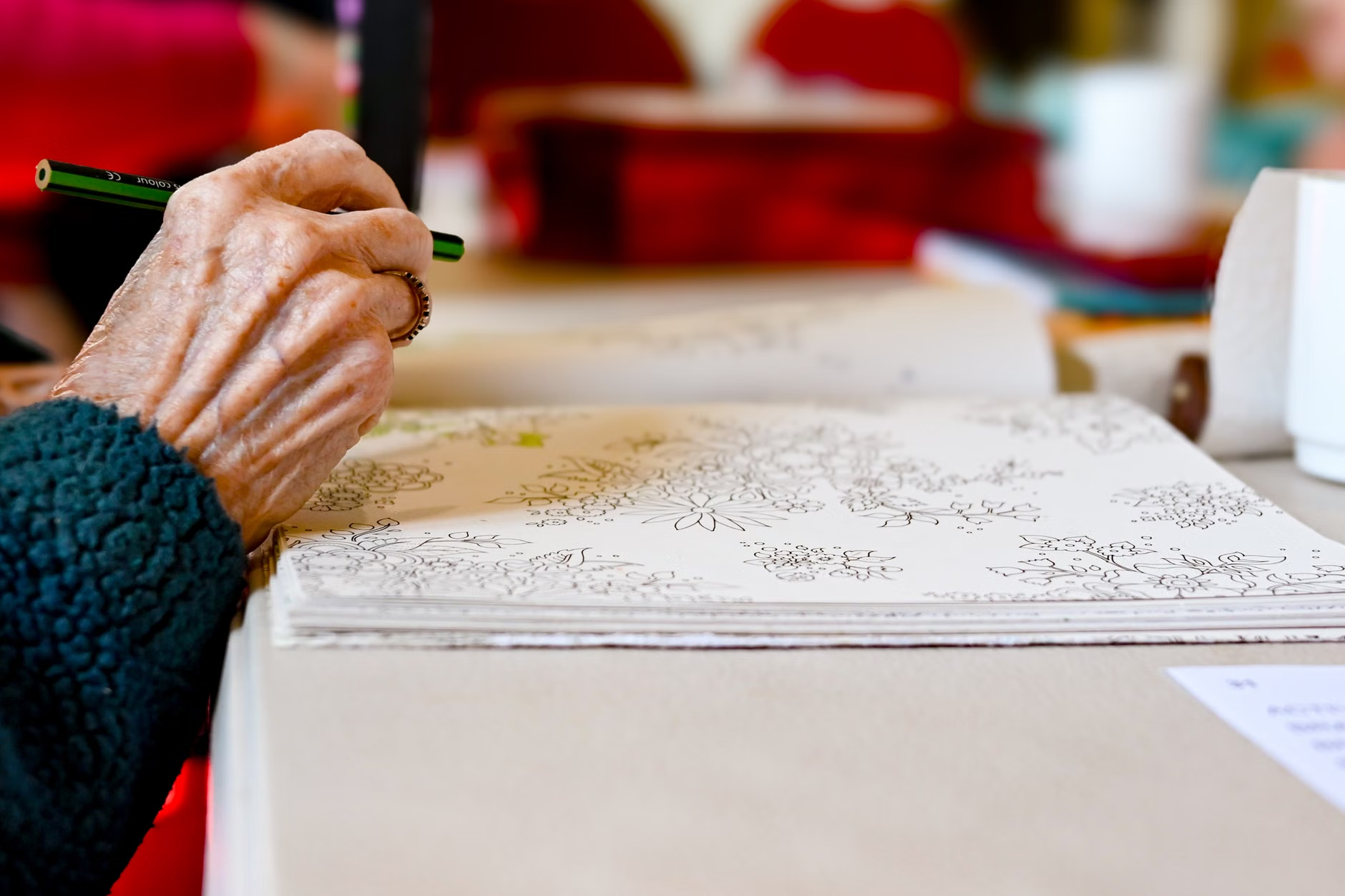
Beyond the aesthetic result, this hobby serves as a form of “active meditation.” The repetition of the process—collecting, preparing, pressing, and mounting—encourages a state of flow. Research into leisure activities for older adults suggests that hobbies requiring fine motor skills and cognitive focus can help maintain hand-eye coordination and mental acuity.
Furthermore, the connection to the natural world is a proven mood-lifter. Spending time in the garden or walking through green spaces reduces cortisol levels and improves overall psychological wellbeing. By bringing these natural elements indoors, you extend the benefits of your outdoor time throughout the year, even during colder months when you might be less active outside.
Safety and Accessibility Considerations
While this is a low-impact hobby, there are practical considerations to keep in mind to ensure it remains safe and enjoyable:
- Ergonomics: Work at a table that allows you to keep your elbows at a comfortable 90-degree angle. If you find yourself hunched over, raise your workspace.
- Vision: Use a magnifying lamp or a pair of crafting glasses if you are working with small, delicate petals. This reduces eye strain and helps you see the fine details of the plant structure.
- Stamina: Do not feel pressured to process a large haul at once. A single flower is enough for one session. Break the work into manageable 20-minute intervals to avoid fatigue.
Advanced Techniques: Preserving Complex Blooms
As you gain confidence, you may want to try pressing more complex flowers, such as roses or orchids. These require a slightly different approach. For a rose, you might need to disassemble the flower and press the petals individually, then reconstruct the rose on your mounting board after they have dried. This technique, while more time-consuming, allows for a three-dimensional effect that is truly stunning.
Another technique involves the use of silica gel for flowers that are too thick to press, such as lilies or thick-petaled succulents. While this is a different method than traditional pressing, it is a useful addition to your toolkit if you wish to expand the variety of plants you preserve.
Building a Community of Practice
If you enjoy this hobby, consider sharing it. Whether it is teaching a grandchild how to identify a flower or joining a local botanical club, the social aspect adds a layer of depth to the experience. Many community centers offer space for craft groups where you can exchange tips on pressing techniques or share supplies. The exchange of knowledge between generations can be particularly rewarding, as it bridges the gap between traditional techniques and modern creative expression.
Conclusion: The Lasting Value of Mindful Preservation
The practice of pressing wildflowers is a testament to the idea that beauty does not have to be fleeting. By taking the time to carefully select, prepare, and preserve the flora of your local environment, you are creating a tangible record of the seasons. This hobby rewards patience and attention to detail, offering a peaceful escape from the noise of modern life. Whether you create a single framed piece for your wall or a collection of journals, the process itself remains the true reward. Start small, take your time, and enjoy the quiet, meditative rhythm of the press.
Frequently Asked Questions
1. Can I use a heavy book instead of a professional flower press?
Yes, a heavy book (like an encyclopedia or large dictionary) works well, provided you use sufficient layers of blotting paper to absorb moisture. Ensure you place a weight on top of the book to maintain even pressure. Avoid using books with glossy pages, as they do not absorb moisture effectively.
2. How long do pressed flowers typically last?
When kept away from direct sunlight and moisture, pressed flowers can last for many years, sometimes decades. Using acid-free mounting materials and framing them behind UV-protective glass will significantly extend their lifespan and preserve their original colors.
3. Are there any plants I should avoid pressing?
Avoid plants with high water content, such as succulents or thick-stemmed lilies, as they are prone to rotting before they can dry. Additionally, avoid plants with sticky sap, as this can ruin your blotting paper and stick to the press, making it difficult to remove the specimen without damage.
For more information on botanical preservation, you can visit the Royal Botanic Gardens Victoria or your local botanical society’s website for guides on plant identification and conservation practices.