- Digital noise-masking technology allows travelers to filter out overwhelming urban chaos, such as traffic and construction, while keeping essential environmental sounds audible.
- Safety in city exploration depends on “transparency mode” or “ambient mode,” which ensures you remain aware of emergency sirens, traffic signals, and verbal communication.
- Choosing the right device requires balancing battery life, physical comfort for long-term wear, and ease of connectivity with your existing smartphone.
Understanding Digital Noise-Masking in Urban Environments
For many travelers aged 60 and above, the appeal of a major city—the history, the architecture, the culinary diversity—is often dampened by the reality of sensory overload. High-decibel urban environments, characterized by constant traffic, sirens, construction noise, and crowded public transport, can lead to auditory fatigue. This fatigue often manifests as increased stress, physical exhaustion, and a diminished ability to enjoy the cultural experiences you have traveled so far to see.
Digital noise-masking is not merely about “blocking out” the world. It is the application of sophisticated audio technology to manage the soundscape of your environment. Unlike traditional earplugs, which simply muffle sound, active noise-masking and noise-cancellation technologies use microphones and digital processors to neutralize unwanted frequencies in real-time. This provides a calmer, more controlled auditory experience that can make a day of sightseeing significantly more sustainable for your energy levels.
The Difference Between Noise-Cancellation and Noise-Masking
To make an informed decision about what technology to bring on your trip, it is vital to distinguish between these two functions:
- Active Noise Cancellation (ANC): This technology uses internal microphones to pick up ambient noise and generates an “anti-noise” frequency to cancel it out. It is excellent for constant, low-frequency sounds like the hum of an airplane engine or the rumble of a train.
- Digital Noise-Masking: This involves playing pleasant, consistent, or structured sounds—such as white noise, pink noise, or soft ambient soundscapes—to “cover” sudden or irregular noises. This is particularly useful in bustling city streets where sirens or shouting can be startling.
Why Sensory Management Matters for Senior Travelers
Travel stamina is a finite resource. When your brain is forced to constantly filter out chaotic urban noise, it consumes cognitive energy that could otherwise be spent navigating maps, enjoying conversation, or appreciating art. For older adults, excessive auditory input can also exacerbate balance issues or cause dizziness, as the inner ear—the vestibular system—is closely tied to our auditory processing.
By using noise-masking technology, you effectively lower the “noise floor” of your day. This allows you to maintain a state of calm alertness, which is crucial for safety and decision-making in unfamiliar territory. When you feel less overwhelmed, you are less likely to rush through transitions, such as boarding a bus or crossing a busy intersection, which is a major factor in preventing travel-related accidents.
Selecting the Right Technology for Your Needs
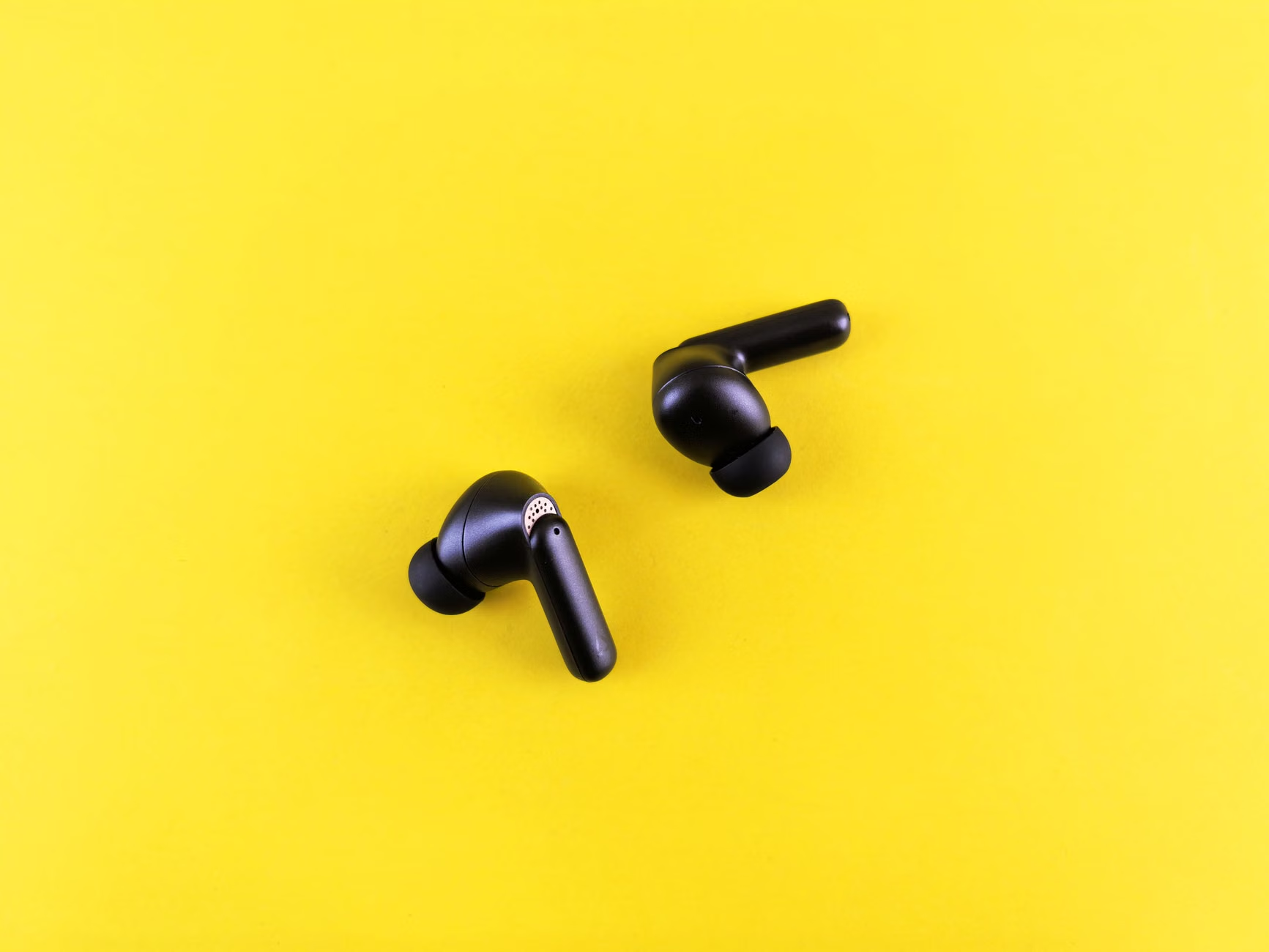
Not all audio devices are created equal. When selecting equipment for a trip, prioritize ergonomics and battery life over advanced features that you may never use. A device that is difficult to pair with your phone or that causes ear canal irritation after an hour is not a travel asset.
Criteria for Selection
| Feature | Why It Matters for Seniors | Recommendation |
|---|---|---|
| Battery Life | You will be out for 6-8 hours at a time. | Look for 6+ hours of continuous playback per charge. |
| Ambient/Transparency Mode | Essential for safety and hearing announcements. | Ensure the device has a physical toggle for this mode. |
| Fit and Comfort | Long-term wear should not cause pain. | Over-ear headphones or silicone-tip earbuds are best. |
| Connectivity | Simplified pairing saves frustration. | Bluetooth 5.0 or higher for stable connections. |
For travelers who use hearing aids, the landscape is slightly different. Many modern hearing aids now come with built-in Bluetooth connectivity and noise-management features. If you already use hearing aids, consult your audiologist before purchasing separate noise-masking earbuds. Using two devices simultaneously can lead to feedback loops or unnecessary discomfort.
Practical Strategies for Quiet City Exploration
Technology is a tool, but your strategy determines its effectiveness. Here is how to integrate noise management into your travel itinerary without compromising your experience.
1. The “Safety-First” Approach to Ambient Sound
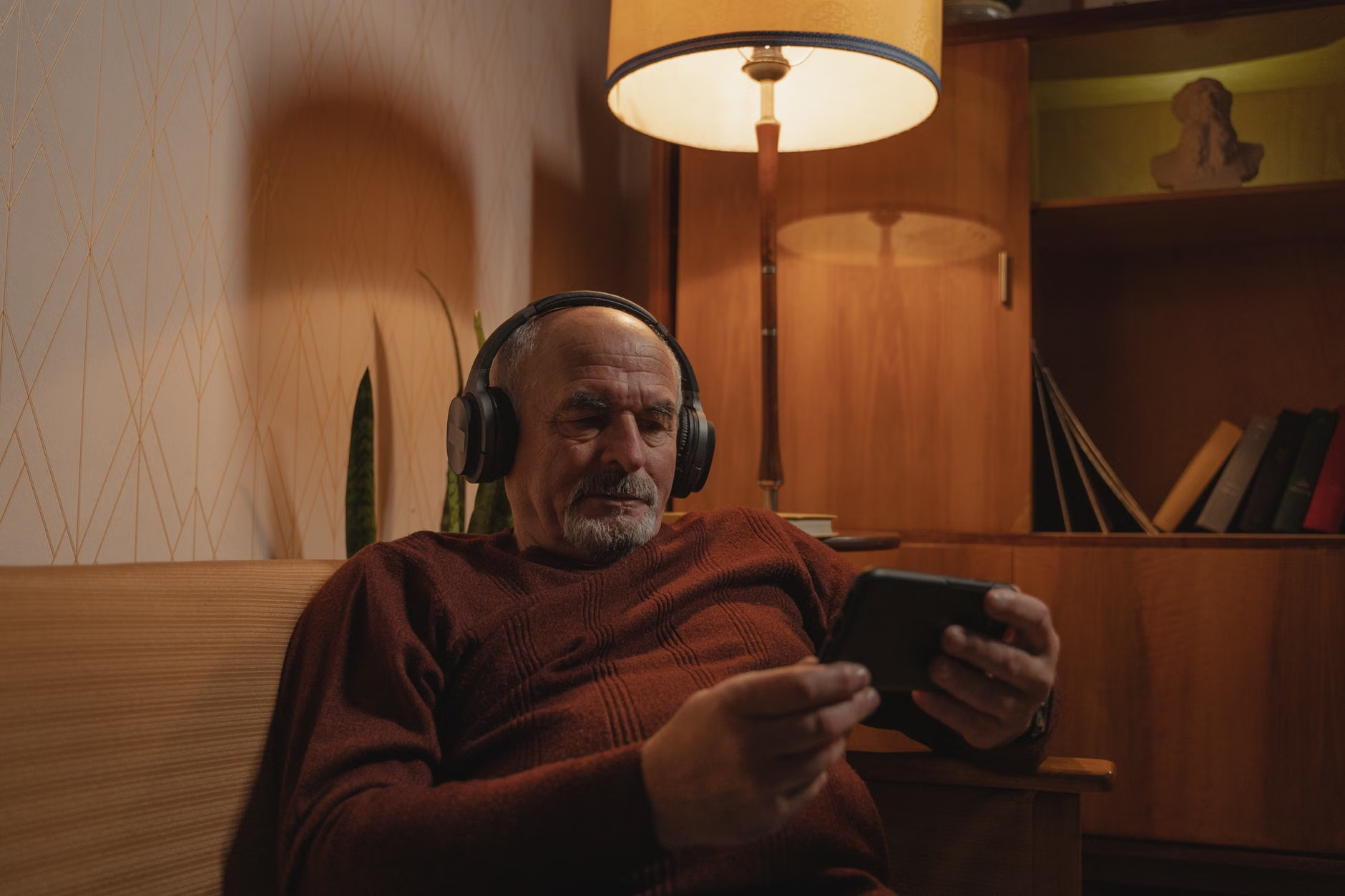
Never completely block out the world while navigating a city. Always ensure your device is set to “Transparency Mode” or “Ambient Mode.” This allows external microphones to pass through sounds like traffic, sirens, and human voices. The goal is to reduce the intensity of the noise, not to eliminate your awareness of the environment. If you are crossing a street or walking through a crowded terminal, take your earbuds out or switch them to ambient mode to ensure you can hear traffic signals and verbal cues.
2. Pacing Your Exposure
Even with noise-masking, sensory input is cumulative. Plan your day to include “auditory rest stops.” If you spend three hours in a busy market, schedule a forty-five-minute break in a quiet library, a botanical garden, or a museum with low foot traffic. During these breaks, remove your earbuds entirely to let your ears rest and to allow your spatial awareness to recalibrate naturally.
3. Using Apps to Control Your Soundscape
Many noise-masking devices come with proprietary apps. Spend time at home learning how to adjust the “Equalizer” (EQ) settings. For many, reducing the high-frequency sounds (like screeching brakes or whistles) while keeping the low-mid frequencies (like ambient hums) provides a more natural and less jarring experience. If you find the technology too complex, stick to devices that have physical buttons or simple, intuitive, touch-sensitive controls that do not require constant app interaction.
Addressing Common Challenges and Misconceptions
A common misconception is that noise-cancelling technology is only for younger, tech-savvy generations. In reality, the benefits are often more pronounced for older adults who may be more sensitive to high-decibel environments. However, there are potential pitfalls to be aware of.
The “Disconnected” Risk
The biggest risk when using noise-masking gear is psychological—the feeling of being “removed” from the environment. This can lead to a false sense of security. Always remember that you are a participant in the city’s movement. If you become too immersed in a podcast or a calming soundscape, you may miss critical cues like a bicycle bell behind you or a change in a transit announcement.
Battery Anxiety and Technical Failure
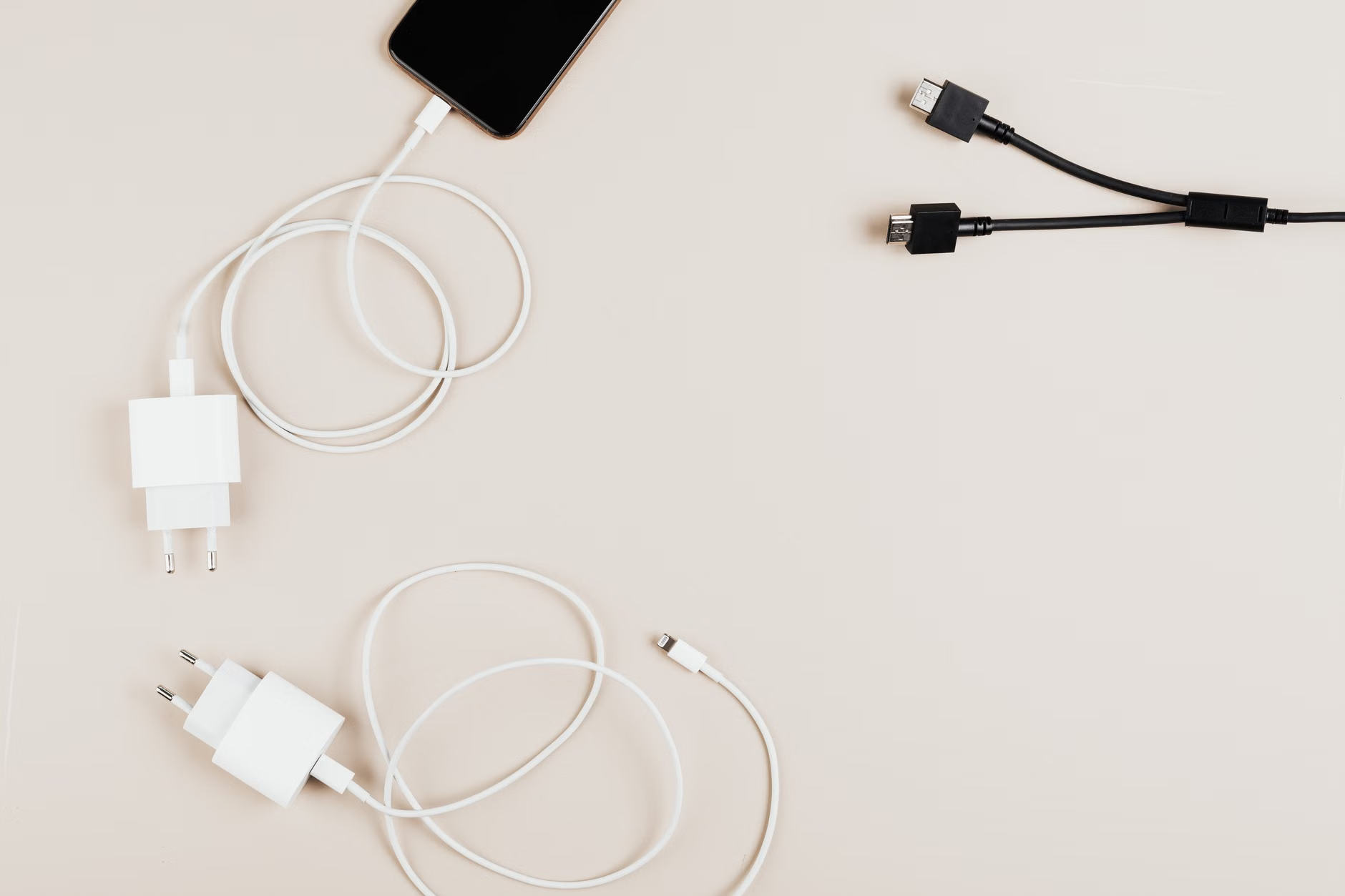
Do not rely solely on your earbuds. Always carry a small, portable power bank that is compatible with your charging case. If your technology fails, your ears will suddenly be exposed to the full volume of the city, which can be jarring. If you have sensitive hearing, keep a pair of high-fidelity earplugs (which reduce volume but maintain sound quality) in your pocket as a backup.
A Step-by-Step Guide to Your First “Quiet” Exploration Day
To successfully implement this, follow this checklist before you step out of your accommodation.
- Charge Everything: Ensure your smartphone and your noise-masking device are at 100% capacity.
- Check the Fit: Ensure your earbuds feel secure. If they feel loose, do not risk losing them in a crowded area; swap to a different size tip or a different style of headphone.
- Test Transparency Mode: Before leaving, put your device on, switch to ambient mode, and have a conversation with your travel partner. Can you hear them clearly? If not, adjust the volume settings in your device’s app.
- Define Your “No-Go” Zones: Decide in advance that you will not use noise-masking technology when navigating complex subway interchanges or crossing busy multi-lane streets.
- Set a Time Limit: Use a simple alarm on your watch to remind you to take a 15-minute “ear break” every two hours.
The Hidden Benefit: Managing Travel Anxiety
Travel anxiety is often triggered by the loss of control in an unfamiliar environment. The noise of a foreign city can feel like a constant stream of information that you cannot decode. By applying a layer of digital noise-masking, you create a “personal bubble” of sound. This does not mean you are ignoring the city; it means you are curating your experience of it. You are choosing to focus on the visual beauty and the cultural richness without the physiological stress of the auditory chaos. This sense of control is highly empowering and can significantly extend your ability to enjoy travel for years to come.
Conclusion
Exploring the world remains one of the most rewarding activities for older adults, provided it is approached with a focus on sustainable energy and personal comfort. Digital noise-masking is a sophisticated, practical tool that helps you manage the sensory demands of modern urban environments. By choosing the right equipment, prioritizing safety through ambient modes, and respecting the need for auditory recovery, you can transform your city travel from an exhausting ordeal into a calm, controlled, and deeply enriching experience. Remember that the technology serves you—not the other way around. Stay aware, stay curious, and enjoy the sights at your own pace.
Frequently Asked Questions
1. Will noise-masking technology make me unsafe by preventing me from hearing emergency vehicles?
No, provided you use the “Transparency” or “Ambient” mode. These settings use external microphones to feed environmental sound into your ears. You should always ensure you can hear sirens and traffic signals clearly. If you are ever in doubt, remove the device completely.
2. Can I use these devices if I wear hearing aids?
Most hearing aid users should avoid wearing additional earbuds over their aids, as this can cause feedback and discomfort. Many modern hearing aids have their own Bluetooth and noise-management features. Consult your audiologist to see if your current devices can be programmed to better manage high-noise urban environments.
3. Are these devices expensive to maintain?
Maintenance is generally minimal. The primary costs are the initial purchase and the occasional replacement of silicone ear tips. Ensure you keep your device in a protective case when not in use and clean the tips with a dry cloth or specialized cleaning tool to prevent earwax buildup, which can block the microphones and reduce sound quality.
Official guidance on hearing health and the use of personal audio devices can be found through the World Health Organization’s initiative on hearing: WHO Hearing Loss Resources. Always prioritize your long-term hearing health by keeping volume levels at a safe, moderate setting.