- Prioritize Modular Packing: Use packing cubes to organize clothing by category, which reduces the need to unpack fully and keeps your cabin clutter-free.
- Focus on Footwear: Limit yourself to two pairs of high-quality, broken-in walking shoes to save significant weight and prevent foot fatigue.
- Leverage Ship Amenities: Most river cruises provide laundry services and hair dryers; avoid packing bulky appliances or excessive outfit changes that you will not realistically use.
The secret to a stress-free river cruise is not how much you bring, but how effectively you manage your mobility. For travelers aged 60 to 80, the physical burden of managing heavy luggage is often the greatest barrier to enjoying the journey. River cruises are intimate, elegant, and generally more accessible than large ocean liners, but cabin space is limited, and terminal transfers can involve navigating gangways or uneven cobblestone paths in historic port towns. By adopting a minimalist approach, you ensure that your energy is spent exploring the sights rather than managing your baggage.
The Philosophy of Minimalist Travel for Seniors
Minimalism in travel is not about deprivation; it is about efficiency. When you are on a river cruise, your environment—the ship—moves with you. This means you do not need to pack for every possible contingency. Instead, focus on a “capsule” wardrobe that allows for easy mixing and matching. The goal is to keep your total luggage weight under 15 kilograms (33 pounds), which makes it manageable to handle independently if necessary, though cruise staff are always available to assist.

Why Weight and Volume Matter
Every kilogram you carry is a kilogram you must lift, pull, or store. On river cruises, storage space under the bed or in small closets is at a premium. If you arrive with massive suitcases, you will find your cabin feeling cramped, which increases the likelihood of tripping or misplacing essential items like medication or spectacles. Furthermore, many European river ports are historic; they feature narrow streets and uneven surfaces. A smaller, lighter bag allows for better maneuverability when moving from the ship to a tour bus or a local taxi.
Structuring Your Capsule Wardrobe
A successful packing strategy relies on a color-coordinated system. By choosing one or two base colors (such as navy, black, or beige), you can ensure every top matches every bottom. This significantly reduces the number of items you need to carry.
| Item Category | Quantity Recommendation | Strategic Tip |
|---|---|---|
| Tops (Shirts/Blouses) | 5–6 | Choose wrinkle-resistant fabrics like merino wool or high-quality synthetics. |
| Bottoms (Pants/Skirts) | 3 | Include one pair of comfortable trousers for walking and one dressier pair for dinner. |
| Outerwear | 1–2 | A lightweight, waterproof windbreaker is more versatile than a heavy coat. |
| Footwear | 2 | One pair of sturdy walking shoes and one pair of dress shoes for the evening. |
This table suggests a baseline. If your cruise includes formal nights, consider a single “base” outfit—a blazer or a dress—that can be dressed up with accessories rather than packing multiple gala-ready ensembles. This approach saves space and prevents the “what if I need this?” packing trap.
Prioritizing Footwear for Stability and Comfort
Foot health is the cornerstone of travel enjoyment for seniors. The most common mistake is bringing brand-new shoes that have not been broken in. River cruise shore excursions often involve walking tours through medieval town centers, which are notoriously difficult for those with balance or joint issues.
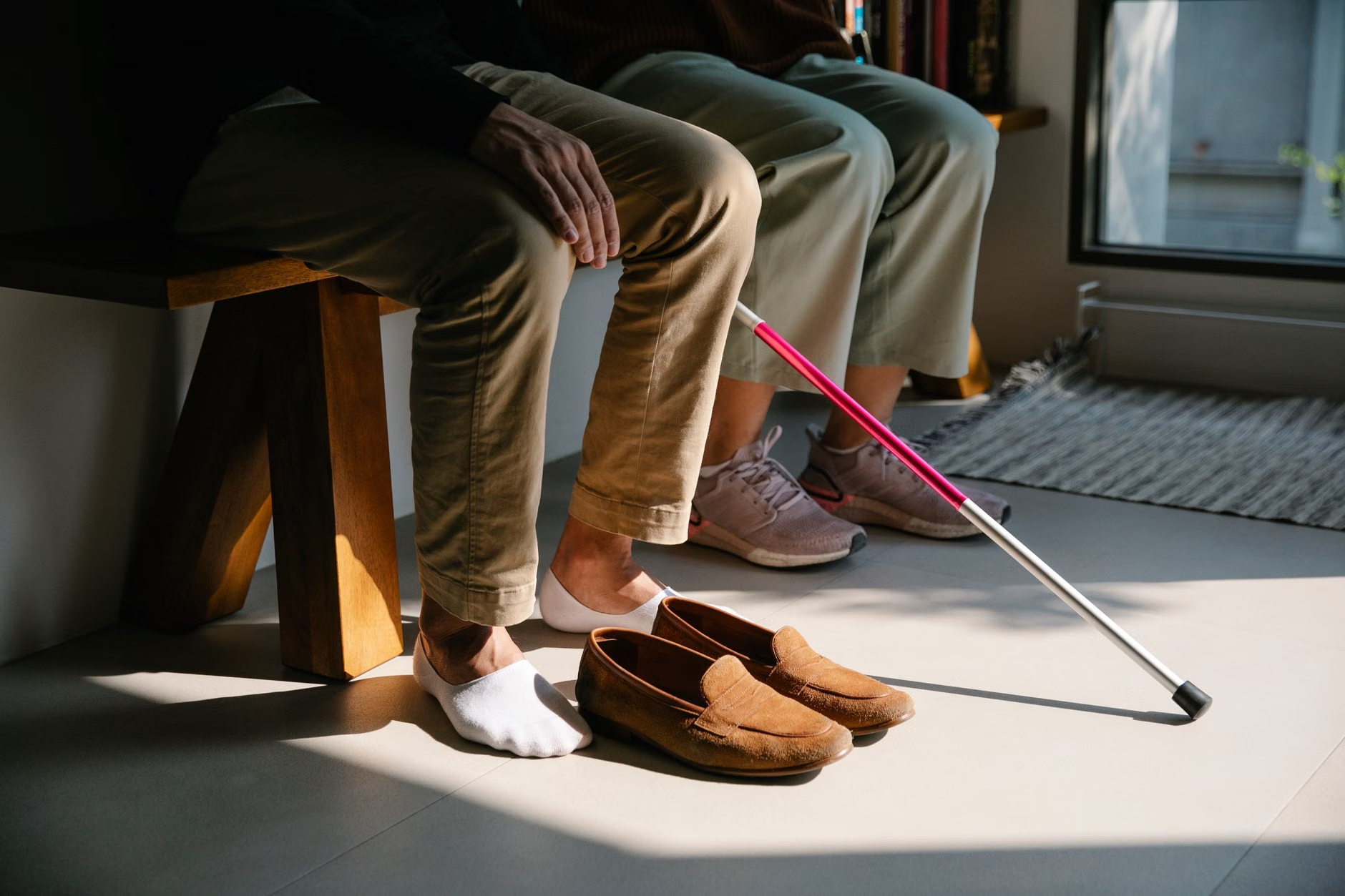
Look for shoes with the following features:
- Arch Support: Essential for long days of standing or walking on hard surfaces.
- Slip-Resistant Soles: Crucial for the ship’s deck and potentially wet cobblestones.
- Secure Fastening: Avoid slip-ons if you have any history of ankle instability; laces or velcro straps provide better support.
If you use a walking aid, such as a cane, invest in a high-quality foldable model. It can be stored in your day bag when you are on the ship or inside a coach, keeping your hands free. Always test your cane’s rubber tip before leaving; worn-down tips are a primary cause of slips on smooth cruise ship floors.
Managing Health Supplies and Medications
Packing medication for a river cruise requires a proactive approach. Do not pack all your medications in your checked luggage, as this risks loss or delay. Keep a three-day supply in your carry-on bag at all times.
The Medication Preparation Checklist
- Original Packaging: Carry all medications in their original pharmacy containers to prevent confusion and satisfy customs requirements.
- The “Master List”: Keep a printed list of all medications, dosages, and medical conditions in your wallet. Include the contact information for your primary care physician at home.
- Digital Records: If you are comfortable with technology, keep a photo of your prescriptions on your smartphone as a backup.
- Time Zone Adjustment: If your cruise crosses multiple time zones, discuss with your doctor how to adjust your medication schedule before you depart.
If you require specific mobility equipment, such as a portable oxygen concentrator or a folding wheelchair, contact the cruise line at least 60 days in advance. Most river cruise operators have specific policies regarding the dimensions of mobility devices that can fit through cabin doors and into storage areas.
The Role of Technology in Minimalist Packing
Modern travel allows you to replace several physical items with digital equivalents. A single tablet or e-reader can hold dozens of books, guides, and your travel documents, saving significant weight and space. However, ensure you pack all necessary charging cables in a single, small pouch to avoid the “tangle” factor.

A Note on Accessibility: If you rely on a hearing aid or specific assistive device, bring extra batteries or charging supplies. Cruise ships can be noisy environments, and having your equipment working at full capacity is vital for participating in lectures or guided tours.
When you leave the ship, you should only carry a small, lightweight day bag. A crossbody bag is generally safer than a backpack, as it keeps your belongings in front of you and reduces the risk of back strain. Your day bag should contain only the essentials: water, sunglasses, sunblock, your camera or phone, your room key, and a small amount of local currency.
Practical Decision Rules for Shore Days:
- The “Stamina Test”: If a tour is listed as “high activity” or involves significant stairs, speak to the cruise director. Most river cruise companies offer “gentle” versions of tours that use buses to reach the best viewpoints, minimizing the need for steep climbs.
- Toilet Accessibility: Always identify the location of restrooms before starting a walking tour. If you have concerns, ask the guide at the beginning of the excursion where the mid-way stop is.
- Weather Contingency: Instead of packing an umbrella (which is cumbersome), pack a lightweight, foldable poncho. It keeps your hands free and protects both you and your day bag from sudden showers.
Addressing Common Concerns for Seniors
Many travelers worry about the social pressure to dress up. While some river cruises have a “Captain’s Dinner,” the atmosphere is generally sophisticated but relaxed. You do not need to pack a separate outfit for every evening. Men can often get away with one blazer and two pairs of trousers, while women can rely on scarves, jewelry, or cardigans to transform a daytime outfit into evening wear. This “accessorizing” strategy is the hallmark of the minimalist traveler.
Furthermore, do not feel obligated to participate in every shore excursion. The beauty of a river cruise is the ability to stay on board, enjoy the scenery from the sun deck, and rest. If you are feeling tired, prioritize your recovery over a busy schedule. Your cabin is your sanctuary; keep it tidy by using your packing cubes to store items away immediately upon arrival.
Conclusion: The Freedom of Less
Minimalist packing is ultimately about reclaiming your freedom. By reducing the weight of your luggage and organizing your belongings, you remove the physical stress that often accompanies travel. Focus on high-quality, versatile clothing, ensure your health supplies are managed with a clear, documented system, and prioritize your comfort with appropriate footwear. When you arrive at the riverbank, you will find that the less you have to carry, the more you are able to see, do, and enjoy. The goal is to arrive home rested, with memories of the beautiful landscapes of the Rhine, Danube, or Mekong, rather than memories of struggling with heavy, unnecessary bags.
Frequently Asked Questions
- 1. How do I handle laundry while on a long river cruise?
- Most river cruise lines offer laundry and pressing services. For a minimalist trip, plan to use this service once during a seven-day cruise. It allows you to pack half the clothing you would otherwise need. Check your cruise line’s website for pricing and turnaround times before you leave.
- 2. Is it safe to carry a limited amount of medication?
- It is perfectly safe, provided you have a copy of your doctor’s prescription and a list of your medications. If you are traveling internationally, ensure your medications are in their original labeled bottles. For long-term cruises, ask your doctor for a “travel supply” prescription to ensure you have enough to cover the entire duration, plus a buffer of 5–7 days.
- 3. What should I do if I find I have packed too much?
- If you find your suitcase is too heavy, the best solution is to utilize the ship’s storage space efficiently. Use the space under the bed for your main suitcase, and keep only the items you need for the next 24 hours in the closet. If you are truly struggling, speak to the ship’s reception; they are experienced in assisting guests with luggage management and can often provide extra hangers or storage solutions to help you organize your cabin better.
For further information on travel safety and health, refer to the CDC’s official travel health guidance.