- Seated heel-slides are a low-impact, foundational exercise designed to preserve knee flexion and joint lubrication without putting excessive weight on the joint.
- Consistency is more important than intensity; performing this movement daily helps prevent the stiffness often associated with sedentary periods.
- Always prioritize pain-free movement. If you experience sharp, persistent pain, discontinue the exercise and consult a physical therapist or healthcare provider to rule out underlying structural issues.
For many adults aged 60 to 80, the health of the knee joint is a primary factor in maintaining independence, mobility, and the ability to enjoy daily activities. As we navigate the natural changes that occur in our joints over time, one of the most effective ways to support long-term function is through gentle, consistent range-of-motion exercises. The seated heel-slide is a gold-standard movement in physical therapy because it allows for controlled, gravity-assisted knee flexion while minimizing the stress of weight-bearing.
Understanding the Mechanics of Knee Range of Motion
The knee is a complex hinge joint that relies on a delicate balance of muscles, ligaments, and synovial fluid to move smoothly. As we age, the cartilage—the cushioning between our bones—can undergo changes, and the surrounding muscles may lose some of their elasticity. This can lead to a feeling of “stiffness,” particularly after sitting for long periods or upon waking in the morning.
Range of motion (ROM) refers to the distance and direction a joint can move. When we talk about knee ROM, we are primarily concerned with two actions: extension (straightening the leg) and flexion (bending the knee). When these movements become restricted, daily tasks such as rising from a chair, navigating stairs, or stepping into a car become more difficult and potentially painful.
The seated heel-slide is specifically designed to address flexion. By keeping your foot in contact with the floor, you eliminate the need for your quadriceps to lift the weight of your lower leg against gravity. This makes the movement accessible even for those who may have limited strength or are recovering from minor joint fatigue.
Why Seated Heel-Slides Are Effective for Preventive Care
Preventive health is not about pushing your body to its absolute limit; it is about maintaining the capacity you already have. Unlike high-impact exercises like running or jumping, which place significant force on the knee joint, seated heel-slides are categorized as “non-weight-bearing” or “closed-chain” exercises. This means the foot stays in contact with a surface, which provides stability and reduces the risk of accidental slips or muscle strains.
The Benefits of Controlled Flexion
- Joint Lubrication: Movement stimulates the production of synovial fluid, which acts as a lubricant for the joint surfaces.
- Muscle Maintenance: It gently engages the hamstrings and quadriceps, helping to keep these muscle groups active without the risk of overexertion.
- Proprioception: It helps maintain your brain’s awareness of where your knee is in space, which is critical for balance and fall prevention.
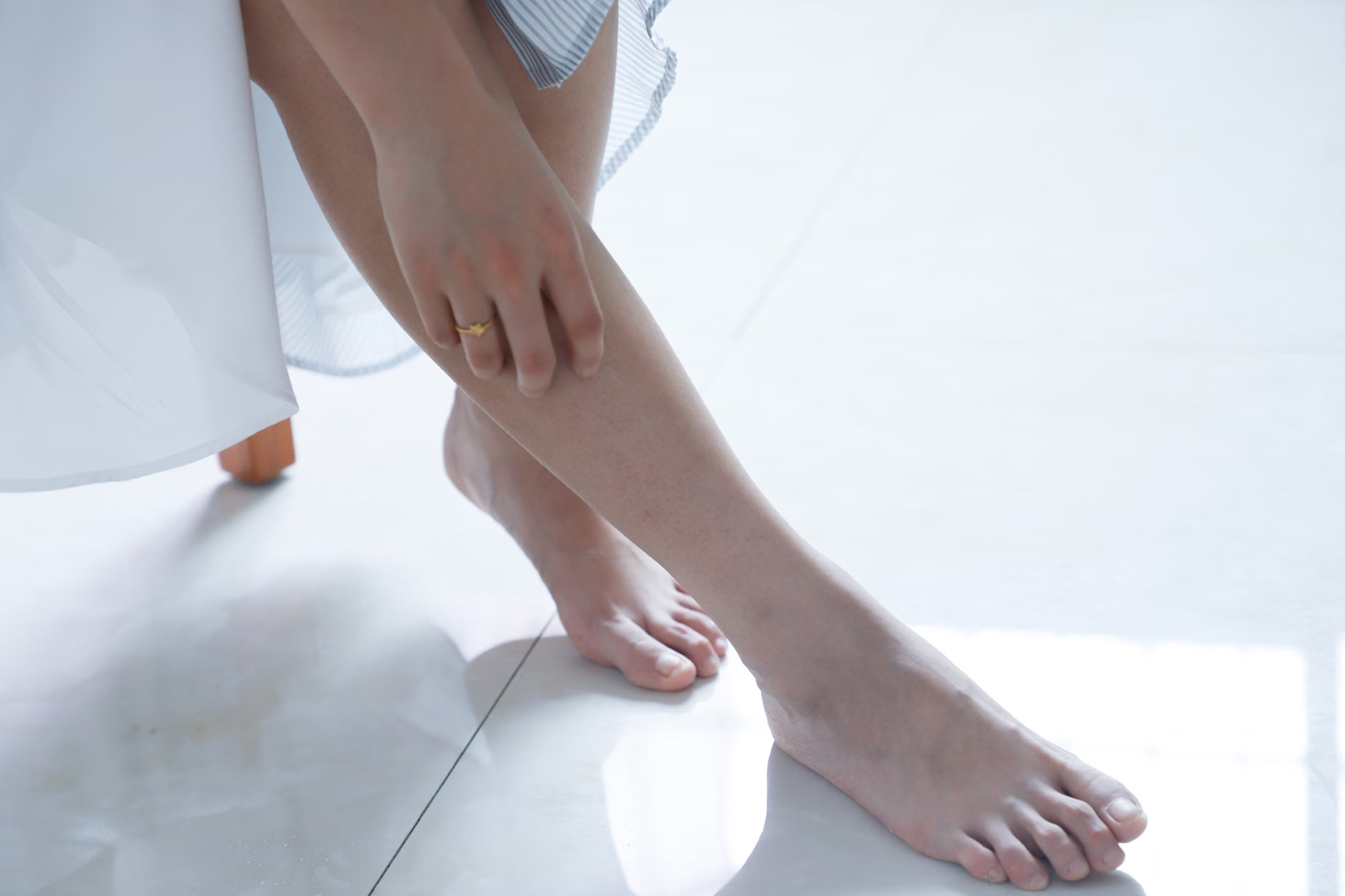
Step-by-Step Guide to Performing Seated Heel-Slides
To perform this exercise safely and effectively, you need a stable chair and a smooth floor surface. If your floor is carpeted, you may find it helpful to place a thin piece of cardboard or a plastic tray under your foot to allow it to glide easily.
| Step | Instruction | Focus Area |
|---|---|---|
| 1. Setup | Sit upright in a sturdy chair with your feet flat on the floor. | Posture and stability |
| 2. Initiation | Slowly slide your heel backward along the floor toward the chair. | Controlled flexion |
| 3. Peak | Hold the position for 2–3 seconds at your comfortable limit. | End-range awareness |
| 4. Return | Slowly slide the foot back to the starting position. | Controlled extension |
Common Mistakes to Avoid
One of the most frequent errors is “rushing” the movement. The goal is not to perform as many repetitions as possible, but to move through the full available range of motion with control. Avoid using your upper body to lean forward; keep your back supported by the chair. If you find yourself holding your breath, consciously remind yourself to inhale and exhale rhythmically. Breathing is essential for muscle relaxation.

Integrating Mobility into Your Daily Routine
Consistency is the secret to success in any preventive health regimen. Rather than attempting a long, exhausting session once a week, aim for shorter, frequent sessions. A simple rule is to perform 10 repetitions on each leg, twice a day. You might choose to do these while watching the morning news or during a commercial break in the evening.
When to Adjust or Seek Professional Guidance
While heel-slides are generally safe, your body may provide signals that it is time to adjust your approach. If you experience sharp pain that does not subside after a few minutes, stop the exercise. Some discomfort or a feeling of “tightness” is normal, but sharp, shooting, or stabbing pain is a warning sign. If you have had recent knee surgery, a severe injury, or have been diagnosed with advanced arthritis, always consult your physical therapist before starting a new routine. They can provide specific modifications or range-of-motion limits tailored to your medical history.
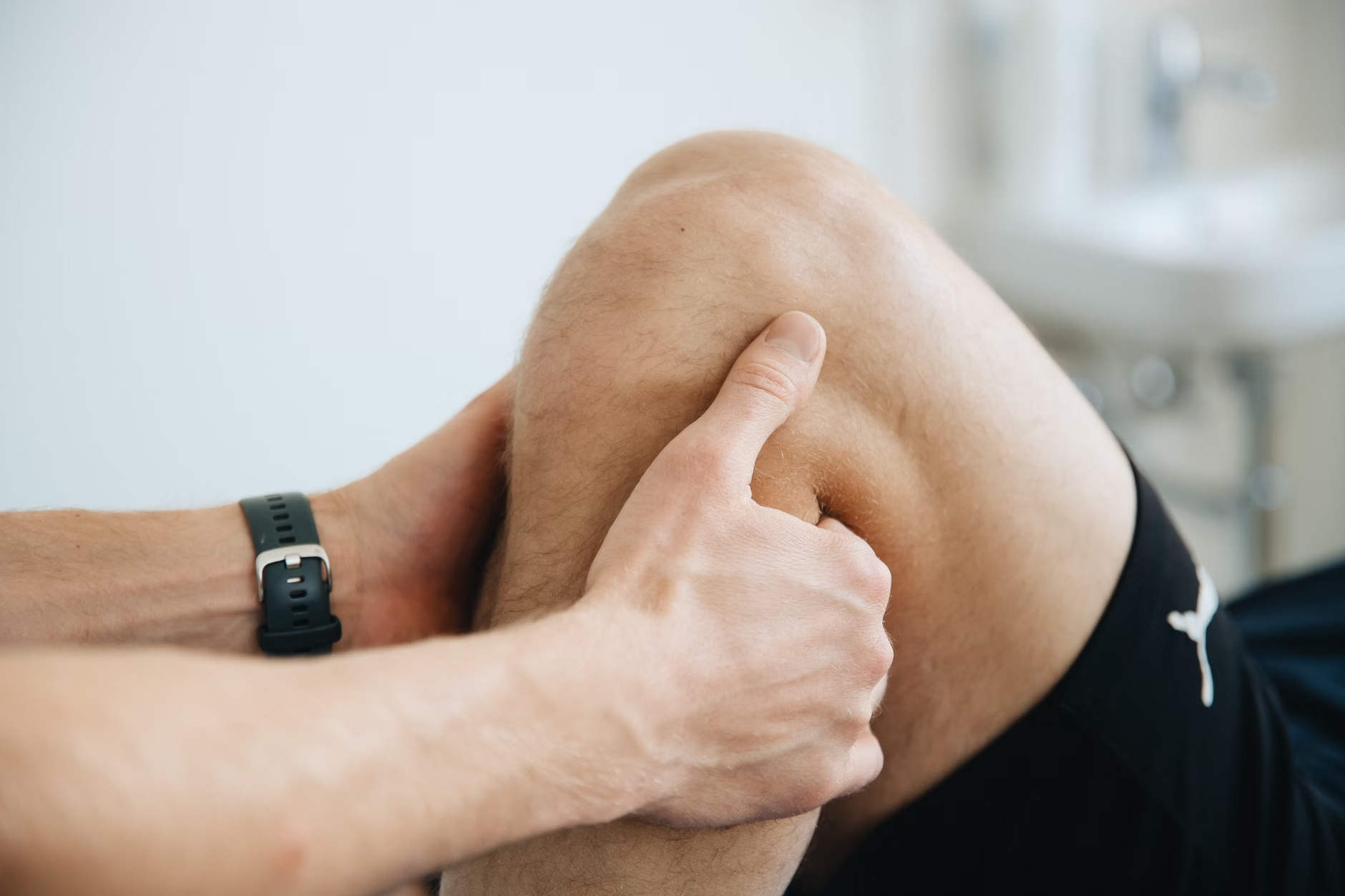
Advanced Considerations for Long-Term Knee Health
Beyond simple range-of-motion exercises, it is important to consider the broader context of your knee health. Factors such as footwear, floor surfaces, and hydration play a role in how your joints function. For instance, wearing shoes with adequate arch support can change the alignment of your knee, potentially reducing the strain on the joint during daily activities. Furthermore, maintaining a healthy weight is one of the most significant factors in reducing the load on the knee joint. Every kilogram of body weight is multiplied several times over when walking or climbing stairs.
Another often overlooked variable is the environment in your home. Are your carpets loose, potentially causing you to trip? Is your chair the right height? A chair that is too low makes it significantly harder to stand up, putting extra stress on your knees. A good rule of thumb is to ensure your hips are slightly higher than your knees when you are seated. If your chair is too low, using a firm seat cushion can make a world of difference in your comfort and joint health.
Managing Expectations and Progress
It is important to understand that progress in joint mobility is often slow and subtle. You may not feel a dramatic change in a single day, but over several weeks, you will likely notice that movements that once felt stiff now feel more fluid. Keep a simple journal or checklist if it helps you stay motivated. Tracking your progress can provide a sense of accomplishment and help you identify patterns—for example, you might notice that your knees feel better on days when you take a short, gentle walk in addition to your seated exercises.
Remember that the objective is not to “fix” a problem, but to support your body’s natural maintenance processes. By dedicating just a few minutes a day to these movements, you are investing in your future mobility and independence. Listen to your body, celebrate the small victories, and remain consistent.
Frequently Asked Questions
- 1. How many times a day should I perform these heel-slides?
- A good starting point is 10 repetitions per leg, twice a day. If you feel comfortable, you can gradually increase the frequency, but never push to the point of sharp pain.
- 2. Can I do this exercise if I have had a knee replacement?
- If you have had surgery, you must follow the specific rehabilitation protocol provided by your surgeon or physical therapist. They will tell you when it is safe to begin these movements and if there are any specific precautions you need to take.
- 3. What if my heel doesn’t slide easily on my floor?
- If your floor creates too much friction, place a smooth piece of cardboard, a plastic placemat, or even a folded towel under your foot to help it glide more smoothly. This reduces the effort required and allows you to focus on the movement of the knee joint itself.
Disclaimer: This article is for informational purposes only and does not constitute medical advice. Always consult with a healthcare professional or a licensed physical therapist before beginning any new exercise program, especially if you have existing health conditions or mobility concerns.
Sources for further reading and guidance: