- Community gardening provides a unique blend of low-impact physical exercise, cognitive engagement, and vital social interaction that combats isolation.
- Success in shared gardening requires prioritizing accessibility—specifically choosing raised beds and ergonomic tools to protect joints and reduce fatigue.
- Before joining, evaluate the site’s physical infrastructure, water access, membership costs, and the level of communal labor required versus individual plot autonomy.
The Intersection of Soil and Society
For many adults between the ages of 60 and 80, the transition into retirement often brings a shift in daily social structures. While professional roles provided built-in communities, the post-retirement landscape requires intentional effort to maintain social bonds. Community vegetable gardening has emerged as a powerful, evidence-based solution that addresses three core pillars of healthy aging: physical activity, intellectual stimulation, and social cohesion.
Unlike solitary hobbies, a community garden functions as a living, breathing ecosystem of human interaction. It is a space where the act of growing food—a fundamental human activity—creates a “third place” outside of home and work. This environment is particularly effective for older adults because it offers a low-pressure social setting where the garden itself acts as a conversation starter, bridging generational and cultural gaps.
Understanding the Physical and Cognitive Benefits
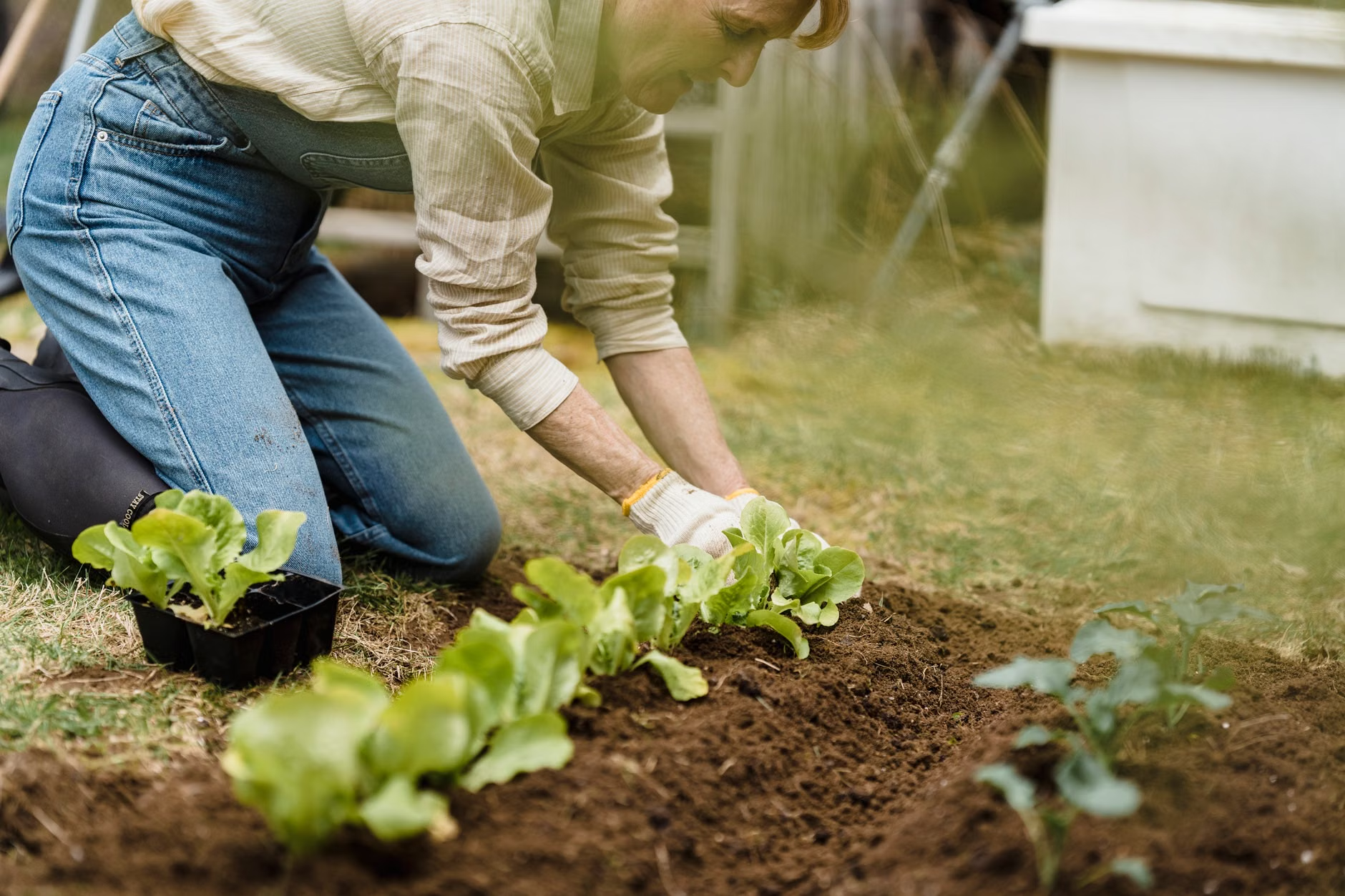
Gardening is often mischaracterized as merely a light hobby. In reality, it is a functional, full-body activity. For older adults, the physical demands of gardening—when performed with proper technique—can significantly improve range of motion, grip strength, and balance. The repetitive, mindful movements involved in weeding, planting, and harvesting serve as a form of “green exercise,” which has been shown in various studies to lower cortisol levels and improve mood.
Beyond the physical, the cognitive load of gardening is substantial. Maintaining a vegetable plot requires planning, problem-solving, and constant monitoring. You are analyzing soil health, predicting weather patterns, and managing the lifecycle of different crops. This process keeps the brain engaged in “executive function”—the mental skills that include working memory, flexible thinking, and self-control. Unlike passive hobbies, gardening demands active, real-time decision-making.
The Role of Ergonomics and Safety
To ensure that gardening remains a source of joy rather than physical strain, it is essential to modify the environment. For those with arthritis or limited mobility, traditional ground-level gardening can be prohibitive. The primary solution is the use of raised garden beds. These structures, typically built between 60cm and 90cm high, eliminate the need for kneeling or excessive bending. When choosing or building a site, prioritize beds that allow you to reach the center from the side, ensuring you are not overextending your reach, which can lead to shoulder or back strain.
| Feature | Standard Ground Plot | Raised Bed |
|---|---|---|
| Physical Effort | High (kneeling/bending required) | Low (standing/seated access) |
| Joint Impact | Higher risk for knees/back | Minimal joint stress |
| Accessibility | Difficult for mobility aids | Easy for walkers/wheelchairs |
| Cost | Low | Moderate (initial setup) |
The table above illustrates why raised beds are generally the preferred option for older adults. However, if you are joining an existing community garden that only offers ground plots, do not be discouraged. You can use a stable, garden-rated stool or a padded kneeler with side handles to provide support when getting up and down. Always remember the “20-minute rule”: set a timer to move, stretch, and hydrate every 20 minutes to prevent muscle stiffness.
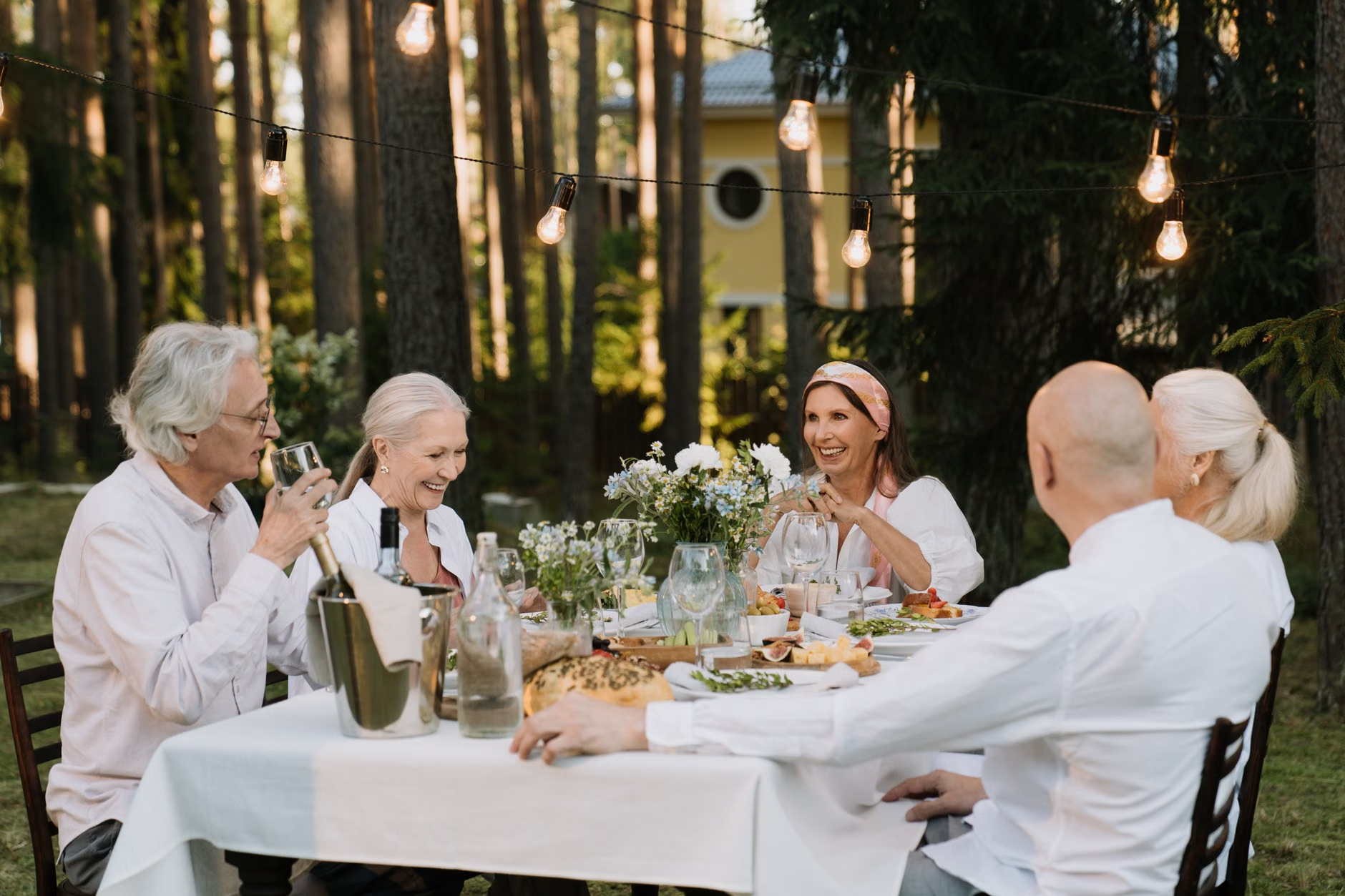
The social power of a community garden lies in its shared accountability. When you tend a plot next to others, you naturally enter a system of mutual support. You might trade excess tomatoes for advice on pest control, or assist a neighbor with heavy watering during a heatwave. This social capital is not just pleasant; it is protective. According to research on aging, social isolation is a major risk factor for health decline. A community garden provides a “soft entry” into social life—you can work independently if you wish, but the opportunity for meaningful interaction is always present.
Choosing the Right Community Garden for Your Needs
Not all gardens are created equal. Before signing up, you must evaluate the site based on your specific requirements. Start by visiting the location at different times of the day to observe the social climate and physical accessibility.
- Accessibility Check: Are the pathways wide enough for a walker or cane? Is the ground surface stable (gravel, paved, or packed earth) or prone to mud?
- Infrastructure: Is there a nearby water source? Carrying heavy watering cans over long distances is a common cause of injury. Look for sites with hoses or automated drip systems.
- Management Style: Some gardens are strictly individual plots; others operate as a “communal farm” where everyone works on everything. Determine which style suits your energy levels and preference for autonomy.
- Cost and Commitment: Most gardens require an annual membership fee. Ask if this fee covers tools, water, and insurance. Understand the “workday” requirements—many gardens mandate a certain number of hours per month dedicated to site maintenance (e.g., clearing paths, cleaning tools).
Practical Steps to Getting Started
If you have decided to join a garden, the process should be approached with the same care as starting a new fitness program. Begin by assessing your stamina. Gardening in the sun can be deceptively exhausting. Always wear a wide-brimmed hat, use high-SPF sunscreen, and prioritize shade breaks. If you are on medication that increases sun sensitivity, such as some diuretics or blood pressure medications, consult your doctor or pharmacist about necessary precautions.
Essential Gear Checklist:
- Ergonomic hand tools: Look for tools with thick, non-slip rubber handles.
- Long-handled tools: These allow you to cultivate the soil while standing.
- Sturdy footwear: Ensure your shoes have good arch support and non-slip soles.
- A garden cart: Avoid carrying heavy bags of soil or mulch; use a lightweight, two-wheeled cart.
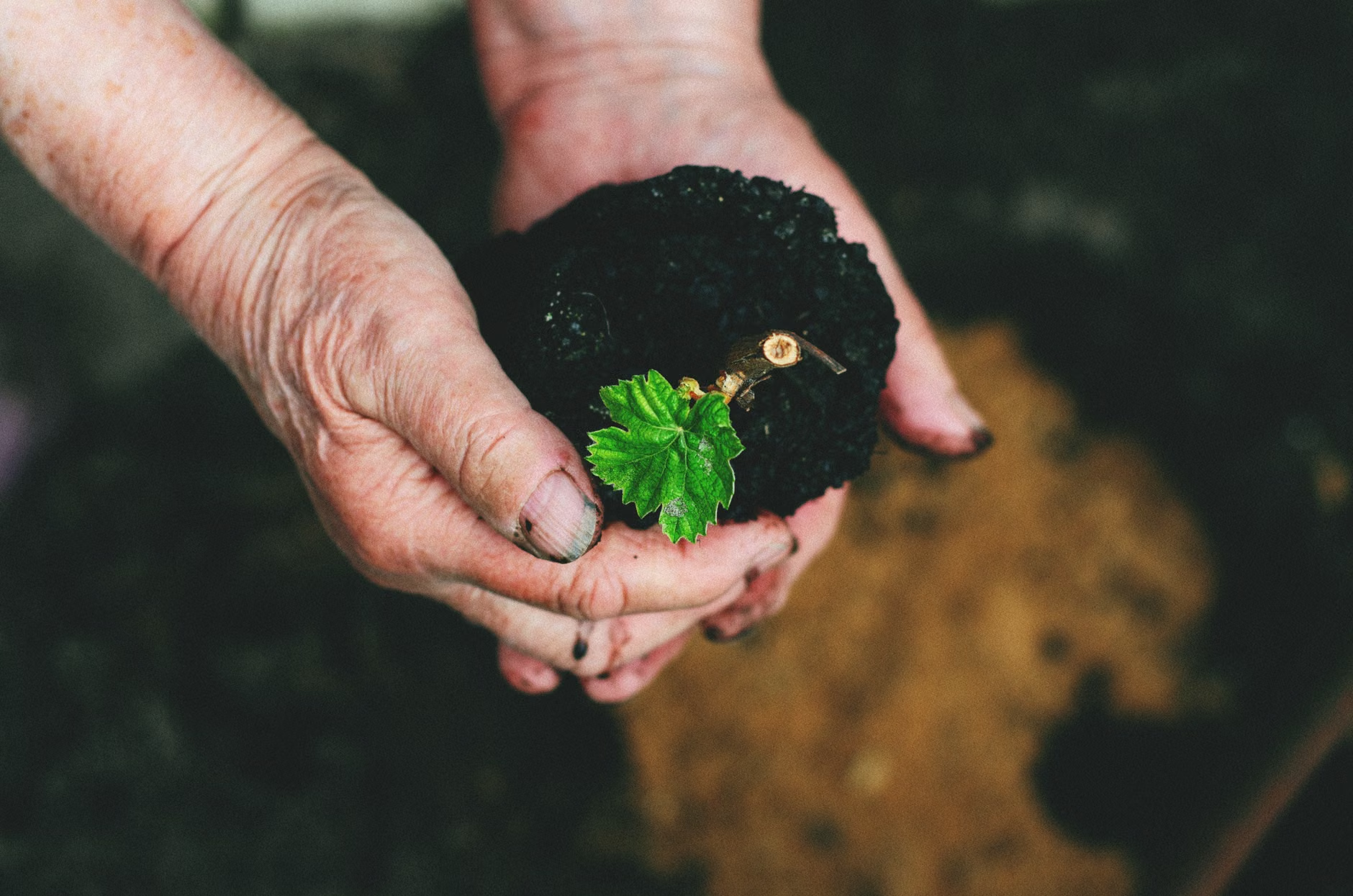
When you start planting, focus on “low-maintenance, high-reward” crops. Herbs like rosemary, thyme, and mint are hardy and require little intervention. Leafy greens like kale or Swiss chard are also excellent for beginners because they are resilient and provide a continuous harvest. Avoid crops that require complex trellising or heavy lifting, such as large climbing squashes, until you are fully comfortable with the physical demands of your plot.
Addressing Potential Risks and Limitations
While the benefits are significant, it is important to be realistic about the risks. The most common issues are dehydration, heat exhaustion, and overuse injuries. If you experience sharp pain in your joints or back, stop immediately. Do not attempt to “work through” the pain, as this can lead to chronic inflammation or injury. If you have underlying health conditions, such as cardiovascular issues, discuss your plan to garden with your healthcare provider to ensure you are maintaining a safe heart rate during activity.
Another often overlooked variable is the psychological impact of crop failure. Especially for new gardeners, the loss of plants to pests or weather can be discouraging. View these challenges not as personal failures, but as part of the learning curve. Community gardens are excellent for this because you can consult more experienced members. Asking for help is not a sign of weakness—it is a core component of the community experience.
Conclusion: The Harvest of Community
The value of a community vegetable garden extends far beyond the vegetables you bring home to your kitchen. It is about the rhythm of the seasons, the satisfaction of nurturing growth, and the quiet comfort of being surrounded by others with a shared purpose. By choosing a garden that fits your physical needs and engaging with the community at your own pace, you turn a simple hobby into a robust support system for your physical and mental wellbeing.
As you move forward, remember that the goal is not to produce the highest yield, but to cultivate a sustainable, enjoyable habit. Whether you spend two hours a week or ten, the consistency of your presence in the garden is what will yield the greatest dividends for your health and happiness. Start small, reach out to your neighbors, and let the garden grow with you.
Frequently Asked Questions
1. I have limited mobility and use a walker. Can I still participate in a community garden?
Yes, absolutely. Look for community gardens that are “accessible” or “inclusive.” These sites often feature raised beds that are wheelchair height and have paved or firm, level pathways. It is always best to visit the site in person to ensure the paths accommodate your specific mobility aid before paying any membership fees.
2. How much time should I realistically expect to spend at the garden each week?
For a standard individual plot (roughly 3×3 meters), expect to spend about 3 to 5 hours per week during the peak growing season. This includes watering, weeding, and harvesting. If the garden has a communal maintenance requirement, you may need to add an extra 1-2 hours per month. Always start with a smaller plot to ensure the time commitment remains manageable.
3. Should I consult my doctor before starting a community gardening routine?
If you have chronic conditions such as heart disease, severe arthritis, or balance issues, it is a good idea to speak with your doctor. You can ask: “I am starting a gardening hobby that involves light to moderate physical activity. Are there any specific movements or durations I should avoid?” They can provide personalized advice based on your medical history and current physical status.
Official guidance on physical activity for older adults can be found at the World Health Organization (WHO) website: https://www.who.int/news-room/fact-sheets/detail/physical-activity. Please refer to your local municipal website for specific community garden regulations and availability in your city.