- Poetry circles provide a structured yet low-pressure environment that fosters linguistic dexterity and keeps the brain active through complex recall and creative association.
- Social isolation is a significant health risk for those over 60; local poetry groups offer consistent, low-stakes social interaction that builds genuine community bonds.
- Finding or starting a group requires evaluating accessibility, format, and personal comfort; prioritizing venues with good lighting, seating, and proximity to transit is essential for sustained participation.
The Intersection of Language and Longevity
For many adults entering their 60s, 70s, and beyond, the search for meaningful engagement often shifts from career-focused tasks toward activities that nurture the mind and the spirit. Poetry circles—small, community-based groups that gather to read, write, or discuss verse—have emerged as a powerful, often overlooked tool for holistic wellbeing. Unlike large social clubs or physically demanding sports, poetry circles offer a unique blend of intellectual rigor and emotional intimacy.
When we engage with poetry, we are doing more than just reading words; we are navigating metaphor, rhythm, and emotional nuance. For the aging brain, this is a form of cognitive “cross-training.” It requires the retrieval of vocabulary, the processing of abstract concepts, and the ability to connect personal life experiences with universal themes. This article explores how you can leverage these groups to enhance your social circle and cognitive vitality.
Cognitive Benefits: Why Poetry Matters for the Aging Brain
The human brain thrives on complexity. As we age, the habit of “using it or losing it” is not merely a cliché; it is a neurological reality. Poetry is a dense, information-rich medium. Analyzing a poem requires the brain to decode layers of meaning, which stimulates different regions than those used for linear, factual reading.
The Neurobiology of Metaphor
Metaphor is the language of poetry. When we encounter a metaphor—such as comparing “hope” to a “bird with feathers”—the brain must perform a complex operation. It must hold two disparate concepts in working memory simultaneously and find the bridge between them. This process, known as “cognitive flexibility,” is vital for maintaining executive function as we age. By participating in a group that discusses these layers, you are effectively engaging in a collaborative problem-solving exercise.
Vocabulary and Memory Recall
In a poetry circle, members often share works they have written or recite classics they have memorized. The act of reciting poetry is a well-documented technique for improving memory recall. It creates a rhythmic scaffolding that helps the brain store and retrieve information more efficiently than rote memorization of lists or dates. Furthermore, hearing the vocabulary choices of others introduces new linguistic patterns that keep language centers of the brain agile.
Loneliness is a significant health risk for older adults, comparable in its impact to smoking or hypertension. However, simply “being around people” is not enough. The quality of social interaction matters. Poetry circles provide a structured, recurring environment that allows for deep, meaningful connection without the pressure of having to maintain a complex social performance.
The “Low-Stakes” Social Environment
Many social environments for seniors can feel forced or superficial. A poetry circle, however, is centered on an external object—the poem. This shifts the focus away from the self, which can be a relief for those who find small talk draining. The poem acts as a neutral “third party” in the conversation, allowing members to express vulnerable or complex emotions through the lens of a text rather than through direct, potentially uncomfortable personal disclosure.
Building Consistent Community
Longevity in social groups is key. A weekly or bi-weekly meeting creates a “rhythm of life.” Knowing that you have a scheduled engagement helps regulate your week and provides a sense of purpose. It is also an excellent way to meet people from different generations if the group is open to all ages, or to bond with peers who share similar life milestones and historical contexts.

How to Find or Start a Poetry Circle
If you are looking to join or initiate a group, the first step is identifying your personal objectives. Are you looking for a critique group to sharpen your writing, or a social group to enjoy reading aloud? The structure of the meeting will differ significantly based on these goals.
Evaluating Potential Groups
When looking for an existing group, consider the following checklist to ensure it is a sustainable fit for your lifestyle and physical needs:
- Accessibility: Is the venue on the ground floor or served by a reliable elevator? Are there accessible restrooms?
- Lighting and Acoustics: Can you hear the speakers clearly? Is the lighting sufficient to read without eye strain?
- Transit: Is it near public transport, or is parking safe and easy to navigate at the time of the meeting?
- Pacing: Does the group allow for breaks? Is the meeting length (usually 60 to 90 minutes) manageable for your stamina?
Starting Your Own Group
If you cannot find a group that meets your needs, starting one is often easier than expected. You do not need a formal education in literature to facilitate a group. You only need to provide a space and a prompt.
| Step | Practical Action | Why It Matters |
|---|---|---|
| 1. Venue Selection | Choose a library, community center, or quiet café. | Ensures low cost and public safety. |
| 2. Define the Format | Decide: Read-only vs. Workshop (writing). | Prevents confusion regarding expectations. |
| 3. Set the Schedule | Pick a recurring time (e.g., 2nd Tuesday of the month). | Consistency builds attendance. |
| 4. Communication | Use local notice boards or senior centers. | Reaches your target audience directly. |
Note: If you are hosting in a home, ensure that the environment is clear of tripping hazards and that seating is supportive for those with back or mobility issues.
Addressing Common Misconceptions
Many people hesitate to join a poetry group because they believe they are “not creative enough” or “not literary.” It is important to clarify that poetry circles are not academic classrooms. They are social spaces where the interpretation of a poem is subjective. Your life experience—the very thing that makes you “older”—is your greatest asset in a poetry group. You bring 60, 70, or 80 years of context to a poem that a younger person might see only on the surface. This is not a deficit; it is a contribution.
Safety and Practical Considerations for Older Participants
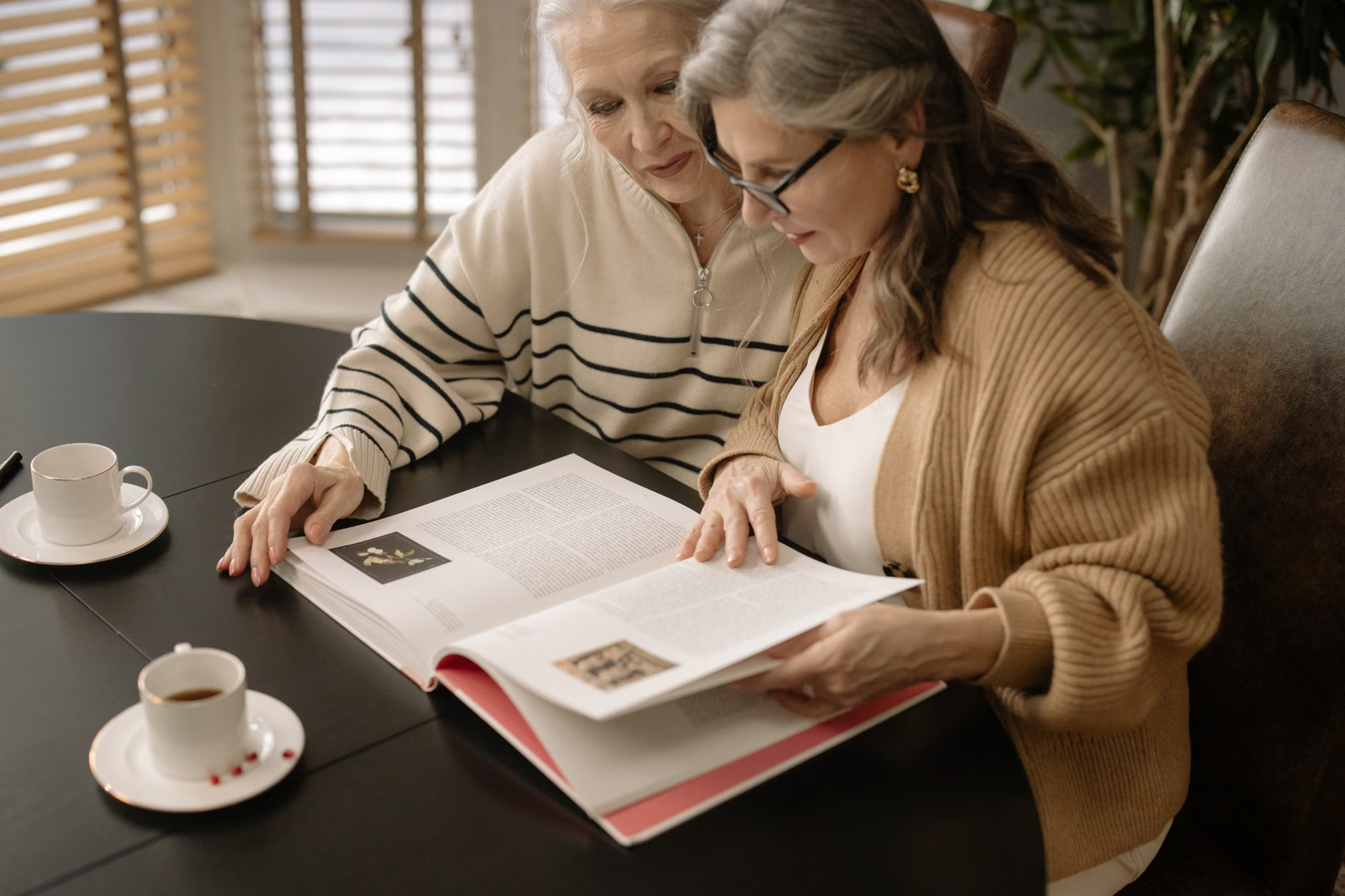
While poetry circles are generally low-risk, maintaining a healthy approach to these activities involves practical planning. For those with visual impairments, ensure that the group uses large-print copies or that members are willing to read aloud. For those with hearing loss, meeting in a room with soft furnishings (carpets, curtains) rather than echoing halls will significantly reduce auditory fatigue.
Managing Stamina and Energy
Participation should be a source of energy, not a drain. If you find that the travel time is exhausting, consider forming a neighborhood “micro-group” that meets in a local living room or a nearby park bench during pleasant weather. The goal is to maximize the benefit while minimizing the logistical friction that can lead to dropping out of social activities.
If you or a loved one are experiencing early signs of cognitive decline, a poetry circle can be a non-clinical way to maintain social and linguistic engagement. However, it is not a substitute for professional medical care. If you notice a sudden inability to follow a conversation or a rapid decline in word-finding abilities, consult with a primary care physician to rule out treatable conditions such as vitamin B12 deficiency, thyroid issues, or medication side effects. Poetry should be a supplement to, not a replacement for, professional health management.
Deepening the Experience: A Practical Framework
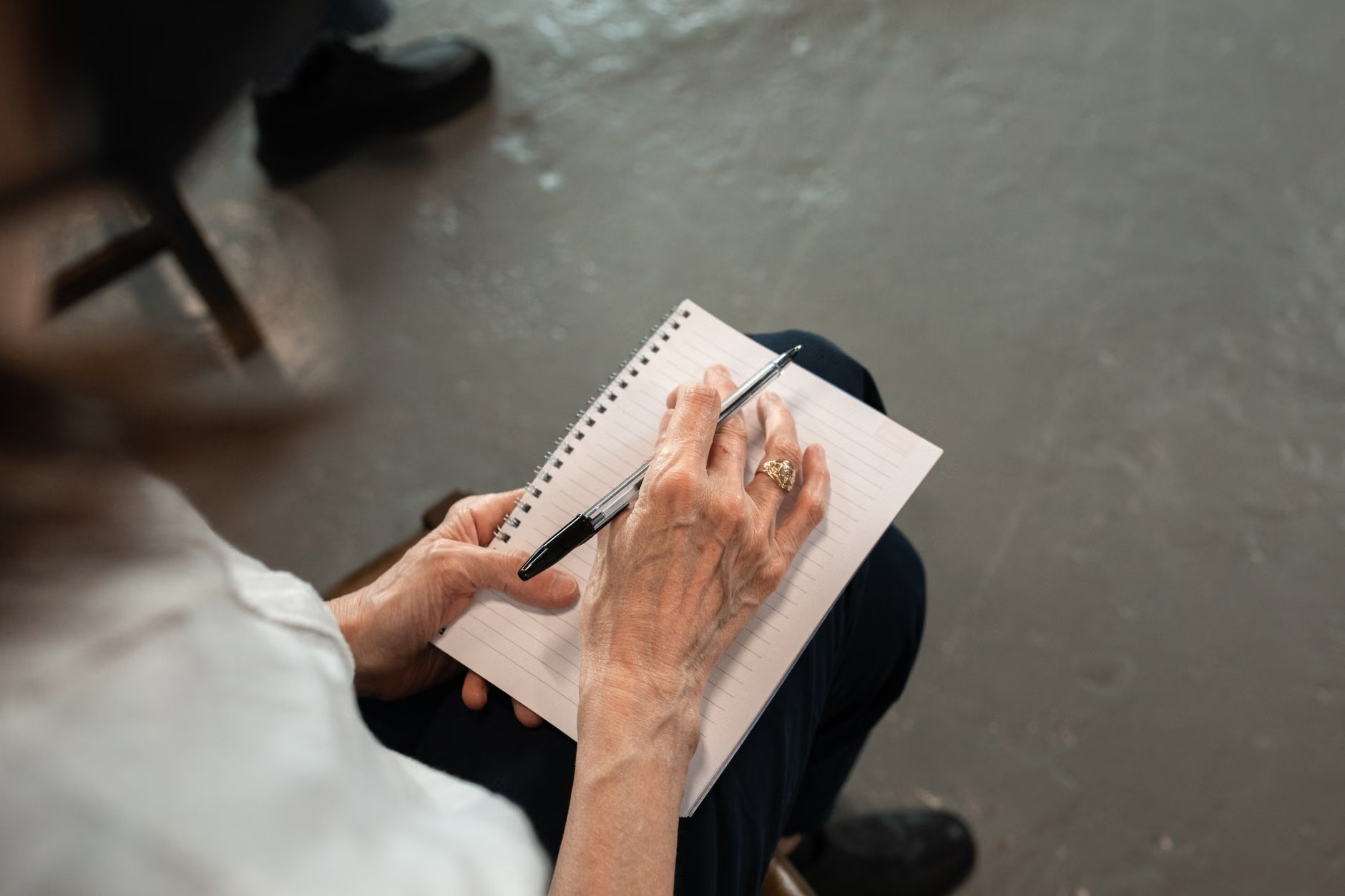
To get the most out of your participation, try to move beyond passive listening. Prepare one question or one observation before you arrive. This small act of preparation turns you from a bystander into an active participant. If you are writing, keep a “commonplace book”—a small notebook where you jot down lines from poems you hear or phrases you encounter in daily life that strike you as poetic. This keeps the creative muscle engaged even between meetings.
Consider the diversity of the material. A healthy group explores various eras, cultures, and styles. This diversity prevents the group from becoming repetitive and ensures that everyone finds something that resonates with their personal history. If your group is stuck on one style, suggest a theme for the next meeting, such as “Nature,” “Travel,” or “Childhood Memories.” Themes act as a bridge, making the poetry more accessible and the discussion more grounded in shared human experience.
Conclusion: The Lasting Value of Verse
The social value of a poetry circle lies in its ability to validate the individual experience while connecting it to the broader human condition. For adults in their 60s to 80s, these circles represent a sanctuary of thought and connection. They prove that our capacity for growth, learning, and emotional depth does not diminish with age; rather, it matures, becoming richer and more nuanced with every passing year. By taking the step to find or start a group, you are investing in a healthier, more connected future.
Frequently Asked Questions
- Do I need to be a good writer to join a poetry circle?
Absolutely not. Most poetry circles are focused on reading, discussing, and appreciating poetry. If a group is a “writing workshop,” that will be clearly stated. You are welcome to join as a listener and contributor of thoughts without ever writing a line yourself. - How do I handle the group if I have mobility issues?
When inquiring about a group, be direct about your needs. Ask about stairs, the distance from the parking area to the meeting room, and the type of seating provided. Most community centers are happy to accommodate, and knowing your needs in advance allows them to prepare the space properly for you. - Are there specific online resources for finding local groups?
Yes. Check your local library’s event calendar, the “Meetup” platform (which often lists community interest groups), or your local council or community center website. Many senior-focused community organizations also host literary clubs as part of their regular programming.
For further information on maintaining cognitive health, you can visit official resources such as the National Institute on Aging (USA) or your local national health service guidelines regarding social engagement and mental wellbeing.