- Verify “Historic” vs. “Accessible”: Older buildings often have structural constraints; always request confirmation of elevator access to your specific floor and the presence of step-free routes from the street to the lobby.
- Prioritize “Plaza-Adjacent” over “Plaza-Center”: Staying on the perimeter of a historic square provides the desired atmosphere while reducing noise and vibration, which are common in the heart of high-traffic tourist plazas.
- Assess Local Terrain: A hotel may be accessible, but if the surrounding plaza is composed of uneven cobblestones, mobility aids may struggle; always check Google Street View or local tourism accessibility maps before booking.
Introduction: Balancing History and Comfort
For many travelers aged 60 to 80, the appeal of staying in a historic city plaza is undeniable. These squares are the beating hearts of cities like Rome, Prague, or Mexico City, offering immediate access to culture, dining, and architecture. However, the intersection of “historic preservation” and “modern accessibility” can be complex. Choosing the right hotel requires more than just checking a “wheelchair accessible” box online.
This guide provides a systematic approach to evaluating historic hotels, ensuring that your stay is defined by comfort and convenience rather than physical barriers or unexpected logistical hurdles. We will explore how to identify truly accessible properties, manage the realities of historic infrastructure, and plan a trip that respects both your stamina and your desire for exploration.
1. The Infrastructure Dilemma: What “Historic” Actually Means
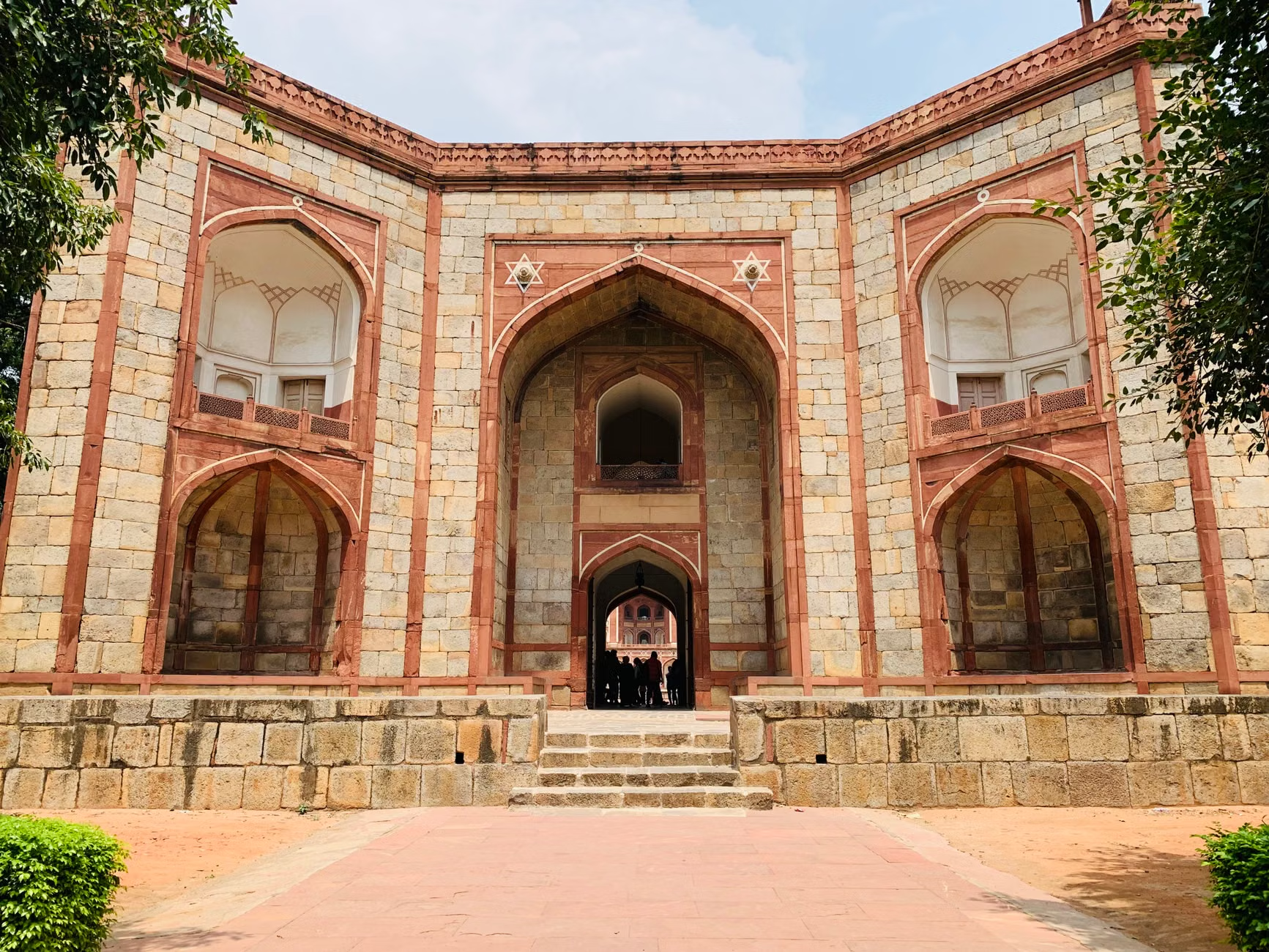
When a hotel markets itself as “historic,” it often implies that the building predates modern building codes. For the senior traveler, this creates three specific risks: narrow doorways, floor-to-floor inconsistencies, and limited elevator capacity. Understanding these factors is essential for managing your expectations and confirming the reality of the property.
The Elevator Audit
Do not assume that because a hotel has an elevator, it is accessible. In many historic buildings, the elevator is a later addition, often installed in a space that was not designed for it. This can result in “split-level” floors where you must navigate two or three stairs to reach the elevator landing, or elevators that are too small to accommodate a mobility scooter or a standard wheelchair with a companion.
Actionable Step: Before booking, call the hotel directly and ask: “Is the path from the street level to the elevator completely step-free? Does the elevator reach every floor, including the restaurant and common areas?”
The Cobblestone Factor
Historic plazas are frequently paved with traditional cobblestones. While aesthetically pleasing, these surfaces can be hazardous for those with balance issues or those using canes, walkers, or wheelchairs. The gaps between stones can trap wheels, and the uneven surface increases the effort required for walking.
Decision Rule: If you use a mobility aid, prioritize hotels that offer a “back entrance” or a side-street drop-off point that avoids the main, unevenly paved plaza square. Check Google Street View to see if there is a flat sidewalk perimeter around the plaza.
2. Evaluating Accessibility Beyond the Lobby
A hotel that is accessible in the lobby may not be accessible in the guest room. Many historic hotels have “accessible rooms,” but these are often limited in number and may be located on the ground floor or near high-traffic service areas. You must verify that the room features align with your specific needs.
The Bathroom Check
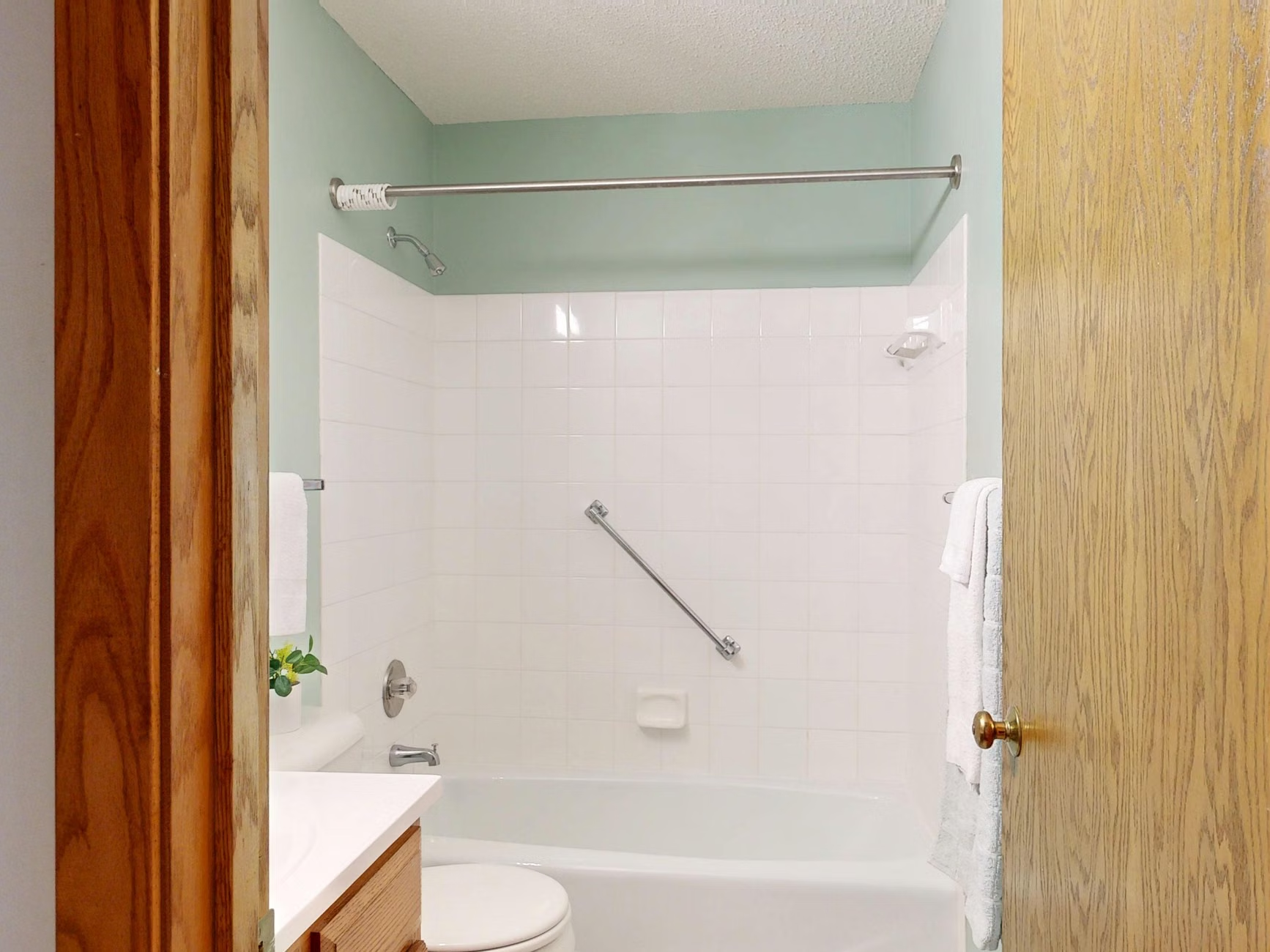
In renovated historic buildings, bathrooms are often the most constrained spaces. A “handicapped-friendly” bathroom in a historic hotel may still be tight. Look for these specific features:
- Roll-in shower: Ensure there is no lip or threshold at the entrance of the shower.
- Grab bar placement: Are they fixed or suction-based? Fixed bars are significantly safer.
- Turning radius: Can you comfortably navigate a walker or wheelchair within the bathroom space?
Room Location and Noise Mitigation
Plazas are vibrant, but they are also noisy. Historic windows often lack the double-glazing found in modern hotels. If you are a light sleeper or have hearing sensitivities, a room facing the plaza may be problematic. Conversely, rooms facing internal courtyards are often quieter but may have less natural light. Request a room on an upper floor to minimize street-level noise, provided that the elevator access is verified.
3. Strategic Planning for Mobility and Stamina
Traveling as a senior does not mean you cannot be adventurous, but it does require a different approach to pacing. Historic plazas are often surrounded by narrow, winding streets that were never intended for vehicles. This means your “door-to-door” transportation might not be possible.
The “Last Mile” Logistics
Many historic city centers have “Limited Traffic Zones” (ZTL in Italy, for example). This means your taxi or private car may not be able to drop you directly in front of the hotel entrance. You may be dropped off 100 to 200 meters away.
Checklist for Arrival:
| Checklist Item | Why it Matters |
|---|---|
| Distance from drop-off | Prevents unexpected long walks with luggage. |
| Luggage handling | Ask if the hotel provides porter service to meet you at the drop-off point. |
| Terrain type | Will you be rolling luggage over cobblestones? |
If you have limited stamina, prioritize hotels that offer a “meet-and-greet” service or have a verified drop-off point within 50 meters of the main entrance.
Managing Daily Pacing
A common mistake is trying to see the entire plaza area in one day. Instead, use the “Return to Base” strategy. Plan one major activity in the morning, return to the hotel for a midday rest during the busiest, hottest, or most crowded hours, and then venture out again in the late afternoon. Staying in a plaza makes this strategy much easier, as you are never more than a few minutes away from your room.

4. Understanding Local Accessibility Regulations
Accessibility standards are not global. A hotel that meets the Americans with Disabilities Act (ADA) requirements in the United States may not have the same features in a 16th-century building in Spain. It is crucial to understand the regulations of the country you are visiting.
- European Union: Many countries have specific “Accessibility Certificates” for hotels. Look for the “European Accessibility Act” compliance indicators on hotel websites.
- Japan: Japan has excellent “Barrier-Free” laws. Hotels labeled as “Universal Design” are consistently high-quality regarding accessibility.
- Latin America: Regulations vary significantly by city. In historic centers, prioritize international hotel chains that have retrofitted their properties to meet global accessibility standards.
Pro-tip: When booking through a third-party site, always follow up with a direct email to the hotel. Third-party sites often use generic descriptions that may not reflect the specific room you are assigned.
5. Essential Communication for Special Needs
Clear communication is the most effective tool for ensuring a safe and comfortable stay. Do not be shy about detailing your requirements. When you email the hotel, use a clear subject line and bullet points for your needs.
Example Email Template:
“Subject: Accessibility Inquiry for [Your Name] – [Dates of Stay]
Dear Front Desk Team,
I am looking forward to my upcoming stay. For accessibility reasons, I would like to confirm the following:
– My room must be step-free from the lobby and elevator.
– I require a walk-in shower with fixed grab bars.
– Could you confirm if the hotel provides assistance with luggage from the nearby transport drop-off point?
Thank you for your assistance.”
6. Hidden Inconveniences and How to Mitigate Them
Even with careful planning, unexpected challenges occur. Here are a few “hidden” issues travelers often face in historic plaza hotels:
- Lighting: Historic buildings often have dim, ambient lighting. If you have vision concerns, pack a high-intensity portable LED reading lamp.
- Electrical Outlets: In older buildings, outlets may be scarce or located far from the bed. A long, high-quality extension cord or a multi-port USB charger can be invaluable.
- Climate Control: Some historic hotels restrict the use of air conditioning or heating to preserve the building’s facade. Check if the room has independent climate control before you book.
7. The Role of Technology in Accessible Travel
Modern digital tools can drastically reduce the physical and mental load of travel. Use these resources to verify accessibility before you even leave home:
- Google Street View: Use this to “walk” the path from the nearest transit stop to the hotel entrance. Look for curbs, steep inclines, or narrow alleys.
- Wheelmap.org: This is a crowd-sourced map that marks the accessibility of places around the world. While not exhaustive, it is a great starting point for checking nearby restaurants and cafes.
- Local Transit Apps: Download the city’s official transit app to check for elevator status at metro stations, which is a major factor in navigating historic cities.
8. When to Choose a Modern Boutique over a Historic Hotel
Sometimes, the “historic” experience is not worth the stress. If you require a high level of mobility support, a boutique hotel located just two blocks away from the historic plaza might be a superior choice. These buildings are often newer, built with modern accessibility codes in mind, and offer a quieter, more comfortable environment while still being within walking distance of the main square.
Decision Criteria: If the historic hotel requires you to climb stairs or navigate significant barriers, the “atmosphere” of the plaza will likely be overshadowed by the physical toll of the stay. Choose the modern property if your mobility needs are not perfectly met by the historic alternative.
Conclusion: Prioritizing Your Experience
Selecting a historic plaza hotel is a balance of trade-offs. By focusing on verifiable accessibility—such as elevator reach, step-free access, and bathroom safety—you can enjoy the charm of a centuries-old city without compromising your safety or comfort. Remember that your goal is to experience the destination, not to battle the infrastructure. By doing your research, communicating clearly with the hotel, and pacing your activities, you can ensure that your travel remains a source of joy and discovery.
Start your planning by identifying your non-negotiables, such as the need for a roll-in shower or elevator access. Use digital tools to scout the surrounding area, and do not hesitate to ask the hotel for photos of the specific room you will be occupying. A well-planned trip is the best foundation for a memorable experience.
Frequently Asked Questions
Q1: How can I verify if a hotel’s “accessible” room is actually suitable for my needs?
A: Never rely solely on website descriptions. Email the hotel and ask for specific photos of the bathroom, including the shower area and the placement of grab bars. Ask them to confirm that the room is on the same floor as the lobby or is easily reached by a standard-sized elevator.
Q2: What should I do if I arrive at my hotel and find it is not as accessible as promised?
A: Address the issue immediately at the front desk. If the hotel cannot provide a suitable room, ask them to assist you in rebooking at a nearby, more accessible property. Keep your booking confirmation and accessibility requests in writing (email) so you have proof of the expectations that were not met.
Q3: Is it common for historic hotels to have staff who can help with mobility needs?
A: Many high-quality historic hotels are accustomed to serving a diverse range of guests and have staff trained to assist with luggage and navigating local transport. However, this is not guaranteed, so it is always best to inquire about “porter service” or “accessibility assistance” during the booking process.
Sources:
– Americans with Disabilities Act (ADA) – Official Guidance
– European Accessibility Act – European Commission
– Ministry of Land, Infrastructure, Transport and Tourism (Japan) – Barrier-Free Information