Key Takeaways for Minimalist Coastal Travel
- Mobility First: Limit luggage to a single four-wheeled carry-on to maintain balance, reduce physical strain, and minimize the risk of falls during transitions.
- Strategic Layering: Coastal climates fluctuate; pack versatile, moisture-wicking layers rather than heavy individual items to manage body temperature and save space.
- Health-Centric Packing: Prioritize a “medication-first” approach by keeping prescriptions and essential health documentation in an easily accessible, dedicated pouch.
For the seasoned traveler, the joy of a coastal resort trip often hinges on the ease of movement. As we enter our 60s, 70s, and beyond, the traditional approach of “packing for every contingency” becomes a significant burden that impacts stamina and safety. Minimalist packing is not about deprivation; it is about precision. By streamlining your luggage, you reduce the physical load on your joints, decrease the time spent navigating transport hubs, and increase your overall independence during your stay.
The Physics of Packing: Why Less is More for Mobility
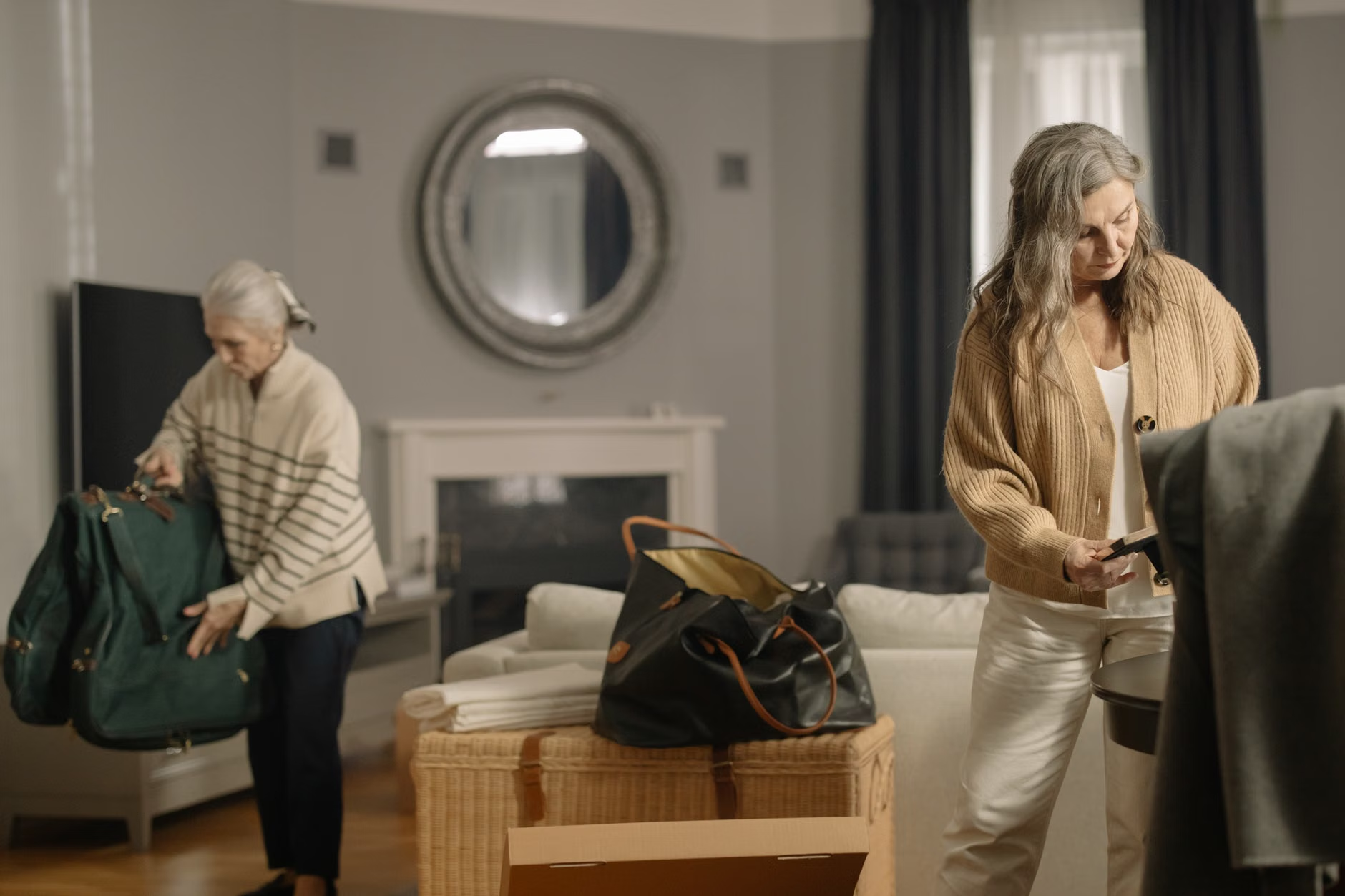
When you travel, your luggage is an extension of your own physical capacity. Carrying heavy, overstuffed bags compromises your center of gravity, which is a primary concern for maintaining balance on uneven surfaces like airport ramps, shuttle bus steps, or resort walkways.
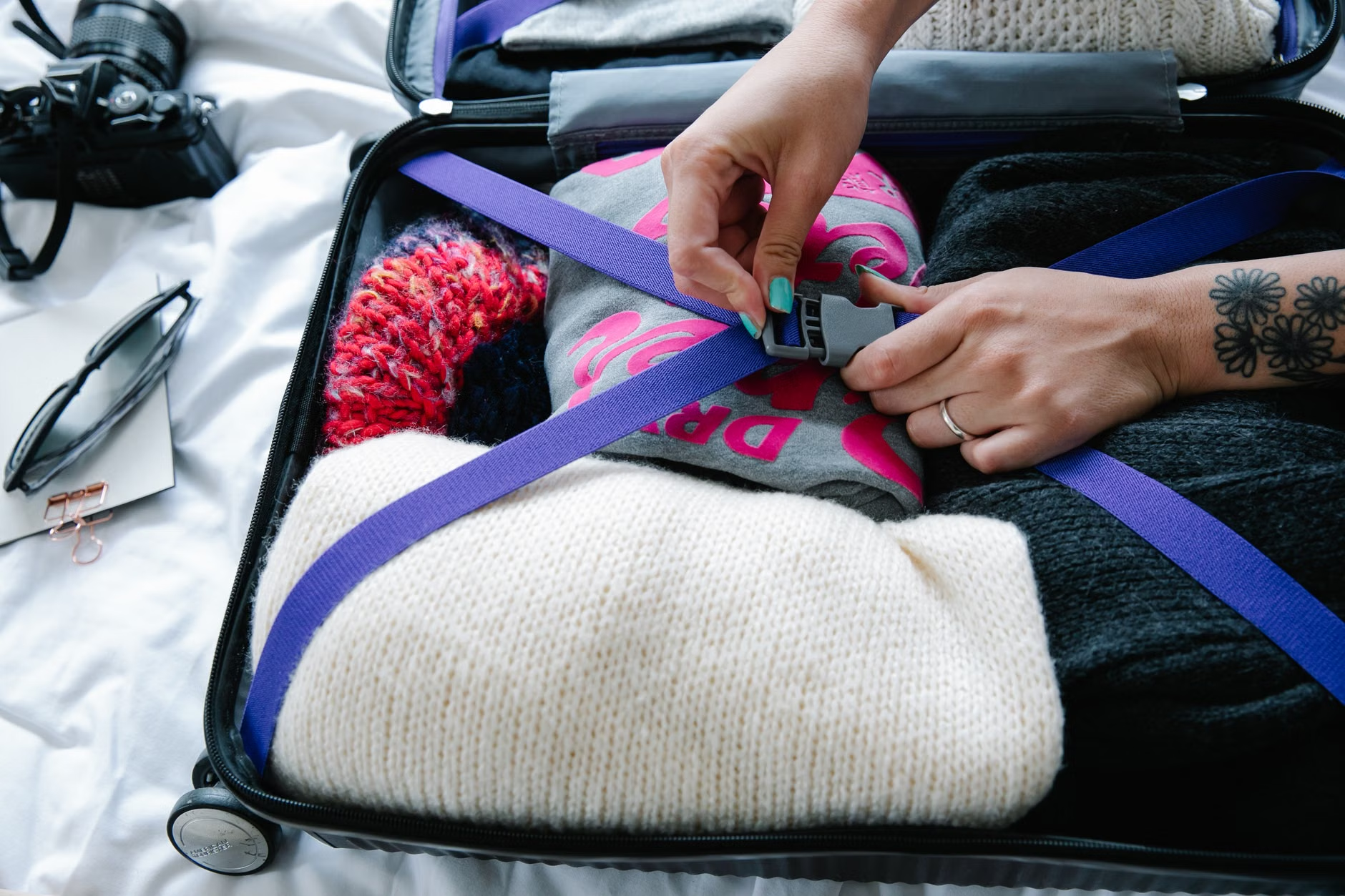
The “One-Bag” Rule: For a coastal resort stay, aim for a single four-wheeled (spinner) carry-on bag. The four-wheel design allows the bag to glide alongside you rather than being pulled behind you, which significantly reduces torque on your shoulder and wrist joints. When you need to navigate stairs or uneven curbs, a lightweight bag ensures you can lift it safely without overexertion.
Calculating Your Physical Load
A common mistake is packing for the duration of the trip rather than the cycle of the trip. Most coastal resorts offer laundry services or are located near basic amenities. If your trip is seven days, you do not need seven outfits. You need a capsule wardrobe that covers three to four days, laundered as needed.
| Item Category | Minimalist Strategy | Mobility Benefit |
|---|---|---|
| Clothing | Lightweight, wrinkle-resistant fabrics (merino wool, synthetic blends) | Reduces total weight; prevents back strain. |
| Footwear | Two pairs: one supportive walking shoe, one versatile sandal | Reduces bag bulk; minimizes decision fatigue. |
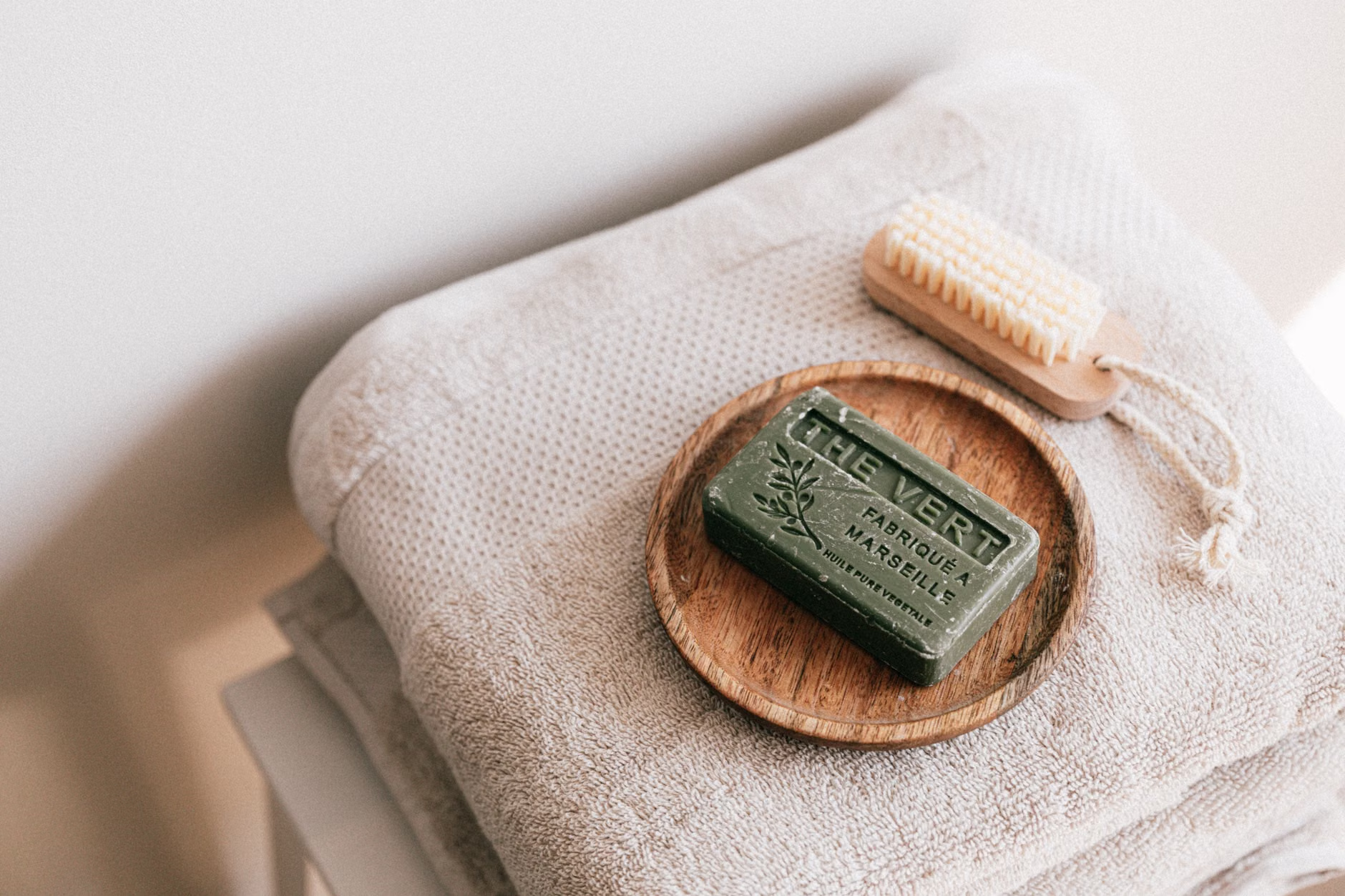
| Toiletries | Solid bars (shampoo/soap) or travel-sized containers under 100ml | Prevents leaks; simplifies airport security checks. |
The table above illustrates that by choosing materials designed for travel, you save space and weight without sacrificing comfort. For instance, merino wool is naturally odor-resistant and temperature-regulating, meaning you can wear the same base layer multiple times before needing a wash.
Building a Coastal Capsule Wardrobe
Coastal environments are notorious for rapid temperature shifts. A sunny morning on the beach can quickly turn into a cool, breezy evening on the terrace. The secret is “thermal layering.”
- Base Layer: Moisture-wicking short-sleeved shirts.
- Mid Layer: A lightweight, breathable cardigan or zip-up fleece.
- Outer Layer: A wind-resistant, water-repellent light jacket.
By using these layers, you can adjust your comfort level instantly without needing to change your entire outfit. Avoid heavy denim or thick sweaters, which are difficult to pack and slow to dry if they get damp from sea air.
The Health-First Packing Checklist
Before you pack a single piece of clothing, your health essentials must be organized. This is the most critical aspect of your luggage.
The “Must-Have” Pouch
Create a dedicated, brightly colored pouch that stays in your carry-on at all times. This pouch should contain:
- Medication List: A current printout from your doctor, including generic names and dosages.
- Prescription Copies: Essential if you lose your medication or need an emergency refill.
- Insurance Documentation: Contact numbers for your travel insurance provider and local emergency contacts.
- Essential Medical Devices: If you use a CPAP machine, glucose monitor, or hearing aid, ensure all chargers and spare batteries are packed in this specific kit.
Pro-Tip: Never pack prescription medication in checked luggage. If your luggage is delayed or lost, you could be left without essential health management tools. Keeping them in your carry-on ensures you remain in control of your health regardless of transit issues.
Once you arrive at your coastal destination, the “minimalist” approach continues to pay dividends. A smaller, lighter bag is significantly easier to maneuver through crowded resort lobbies, onto shuttle buses, or into smaller elevators.
The Importance of Footwear Selection
Resorts often have vast grounds, and even if they provide golf cart transport, you will inevitably walk more than you expect. Your choice of footwear is a mobility tool, not just a fashion accessory. Look for:
- Arch Support: Essential for preventing foot fatigue and plantar fasciitis.
- Traction: Resorts with pools and coastal docks can have slippery surfaces. Ensure your shoes have non-slip rubber soles.
- Secure Fastening: Avoid slip-ons that require you to “curl” your toes to keep them on; Velcro straps or adjustable laces provide the stability required for safe walking.
Managing Your Energy Reserves
Minimalism also applies to your daily schedule. A common pitfall is attempting to maximize every hour of the trip. Use your minimalist packing freedom to “travel light” in your itinerary as well. Plan for one major activity per day, followed by a period of rest. Coastal resorts are designed for relaxation; allow yourself the time to sit by the water, which aids in blood pressure management and stress reduction.
Common Pitfalls and How to Avoid Them
Many travelers pack items “just in case.” While preparation is wise, consider the probability of the event. If you are going to a well-serviced resort, you do not need to pack a full first-aid kit or a hair dryer. These items are almost always provided or available locally.
Overcoming the “I might need it” mindset:
- The 48-Hour Rule: If you haven’t used an item in the last 48 hours of your daily life, you likely won’t use it on vacation.
- The Cost of Convenience: If you forget a non-essential item (like an extra book or a specific toiletry), remember that local shops in resort towns are designed to serve tourists. The cost of buying a small item is often less than the physical toll of carrying heavy, unused items for the duration of your trip.
Deep Dive: Managing Digital and Physical Documents
In the modern age, “minimalism” also applies to the paper trail. While it is vital to have physical copies of health documents, many travel itineraries, boarding passes, and resort confirmation codes can be stored digitally.
Practical Step: Use a secure, offline-accessible app (like a digital wallet or a simple Notes app) to store screenshots of your travel plans. This ensures that even if you lose Wi-Fi signal or your phone battery dips, you can still access your confirmation numbers. However, never rely solely on digital; always have a printed folder for your passport, health insurance card, and medical prescriptions. This “hybrid” approach balances modern convenience with traditional safety.
Safety and Accessibility: Beyond the Suitcase
Minimalism is fundamentally a strategy for safety. By reducing the number of items you carry, you maintain a better posture and a clearer line of sight. When you are not struggling with a heavy, bulky bag, you are more aware of your surroundings—the step down to the pool, the gap between the boat and the dock, or the uneven path to the beach.
Adaptive Travel: If you have specific mobility requirements, contact the resort *before* you pack. Ask about the distance from the lobby to the rooms, the availability of walk-in showers (as opposed to tub-showers), and the presence of grab bars. Knowing these details allows you to pack specifically for the environment, further refining your minimalist kit.
The Psychological Benefit of Light Travel
There is a profound sense of liberation in traveling with less. It removes the stress of managing multiple bags and the anxiety of wondering if you have everything. When your luggage is streamlined, your focus shifts from “managing things” to “experiencing the environment.” This shift is particularly beneficial for older adults, as it preserves cognitive and physical energy for what matters: enjoying the sea air, the local cuisine, and the company of loved ones.
Conclusion: Simplifying Your Next Coastal Journey
Minimalist packing is a skill that improves with every trip. Start by auditing your current travel habits. What did you bring on your last trip that you didn’t use? What caused you the most physical strain? By answering these questions honestly, you can refine your packing list for your next coastal resort getaway.
Remember, the goal is not to be a “minimalist” for the sake of a trend; it is to be a mobile, independent, and stress-free traveler. Prioritize your physical health through lightweight gear, protect your wellbeing with organized health documentation, and embrace the simplicity of a lighter load. Your future self—and your joints—will thank you.
Frequently Asked Questions
- Q: How do I handle laundry if I am packing light?
Most coastal resorts provide laundry services. Alternatively, you can pack a small travel-sized bottle of gentle detergent to wash essential undergarments in the sink. They will typically dry overnight in the warm, coastal air. - Q: What if I need my medical equipment and it won’t fit in a carry-on?
Medical devices required for health maintenance, such as CPAP machines, are generally exempt from standard carry-on baggage limits under the policies of most major airlines. Contact your airline well in advance to clarify their specific “medical device” policy and ensure you have the necessary documentation from your physician. - Q: Is it safe to leave my main luggage at home if I only take a carry-on?
Yes, and it is highly recommended. By traveling with only a carry-on, you eliminate the risk of lost or delayed luggage, which is a major source of stress for any traveler, regardless of age.
Official Resources and Further Reading:
For general advice on safe travel for older adults, consult the CDC Traveler’s Health: Older Adults page. Always check your specific country’s civil aviation authority for the most current rules on carry-on luggage and medical device transport.