- Repair Cafes are free community gatherings where volunteers help you fix broken household items, reducing waste and saving money.
- Beyond the repair, these events serve as vital social hubs that foster intergenerational connections and combat isolation.
- You do not need to be an expert; whether you are bringing an item to fix or offering your own lifelong skills, you play an essential role in the circular economy.
For many, the habit of “make do and mend” was a way of life. Today, that philosophy is enjoying a global resurgence through the Repair Cafe movement. A Repair Cafe is more than just a place to fix a wobbly chair or a faulty toaster; it is a community-driven initiative that prioritizes sustainability, skill-sharing, and social interaction. For adults aged 60 to 80, these spaces offer a unique opportunity to engage with their community, pass on valuable wisdom, and learn new technical skills in a low-pressure, supportive environment.
Understanding the Repair Cafe Philosophy
The concept is simple: you bring your broken item—be it electronics, clothing, furniture, or bicycles—and a volunteer “fixer” works with you to repair it. The goal is not just to get the item working again, but to teach you the process so you can handle similar issues in the future. This approach shifts the consumer mindset from “replace when broken” to “repair to sustain.”
Why it Matters for Daily Wellbeing
The social value of these spaces cannot be overstated. As we navigate the later stages of adulthood, staying connected to a diverse range of people is critical for cognitive health and emotional wellbeing. Repair Cafes act as “third places”—social environments separate from the home and the workplace. In these settings, you are not defined by your professional background or your age, but by your curiosity and your willingness to collaborate.
For those who may feel disconnected from the rapid pace of digital change, these cafes provide a tangible, slow-paced environment where logic and manual dexterity are valued over screen-time proficiency. It is an environment where an 80-year-old’s experience with mechanical clocks might be just as valuable as a 20-year-old’s knowledge of modern circuit boards.
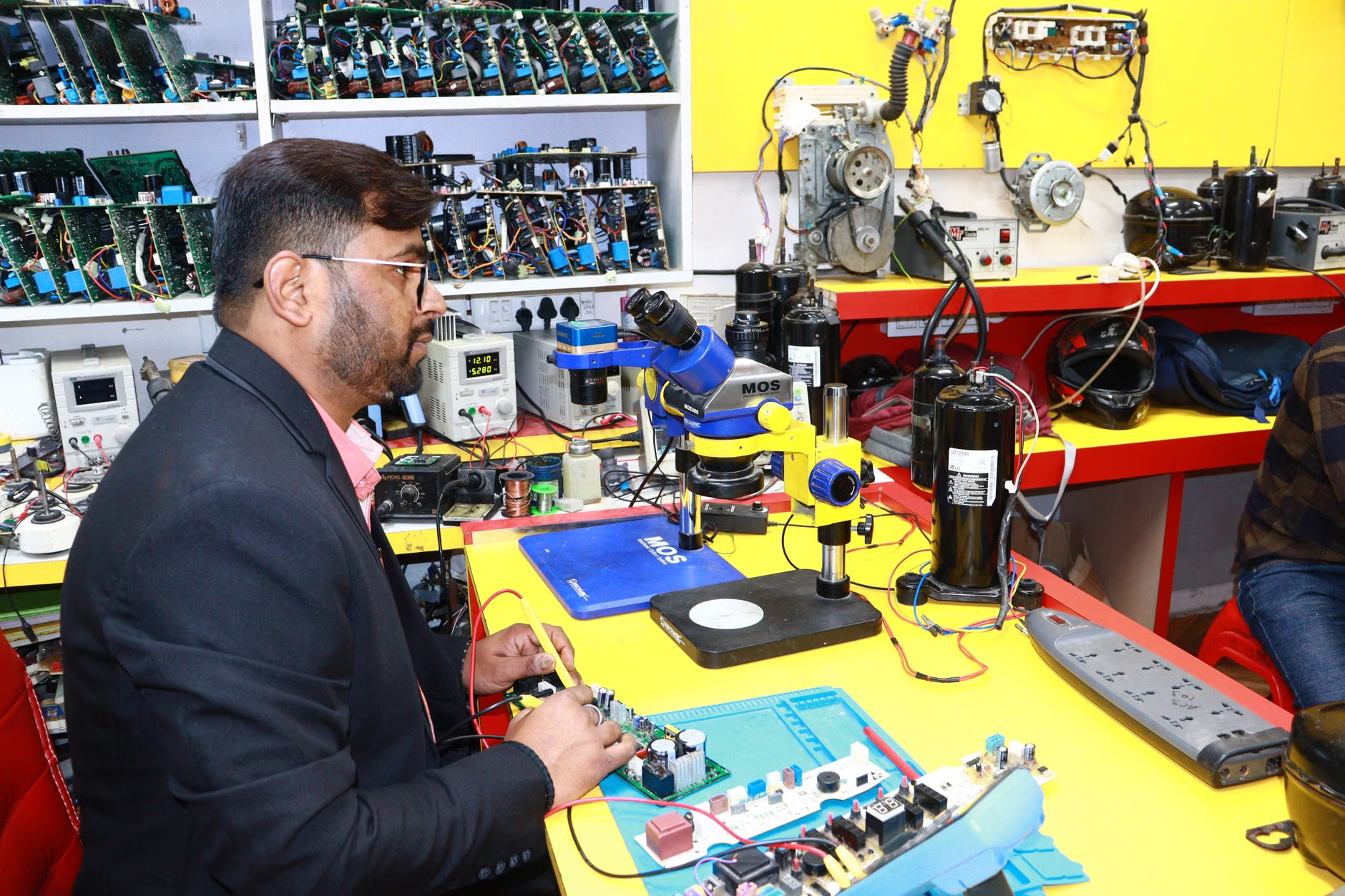
How a Typical Repair Cafe Session Functions
If you have never attended a Repair Cafe, knowing what to expect can reduce any initial hesitation. These events are often held in community centers, libraries, or local church halls on a monthly or quarterly basis. Here is the standard workflow:
| Step | Action | Purpose |
|---|---|---|
| 1. Registration | Check in at the welcome desk. | To assess the item and match you with the right expert. |
| 2. Consultation | Sit with the volunteer to diagnose the issue. | To identify if the item is repairable and what parts are needed. |
| 3. Collaborative Repair | Work alongside the volunteer on the repair. | To learn the skill and ensure the item is fixed correctly. |
| 4. Testing & Feedback | Test the item and offer a donation. | To confirm success and support the sustainability of the group. |
A note on safety and expectations: While volunteers are highly skilled, they are not professional technicians. They work on a best-effort basis. If an item is deemed unsafe to repair—for example, a heater with a severely frayed power cord that poses a fire risk—the volunteer will explain why it cannot be fixed. This is not a failure; it is a crucial safety measure that helps you understand the limits of household repair.
The Cognitive and Social Benefits of Skill-Sharing
Engaging in manual tasks, often referred to as “active hobbies,” has been shown to support neuroplasticity—the brain’s ability to form new connections. When you work with your hands to troubleshoot a mechanical issue, you are engaging in complex spatial reasoning and problem-solving. Unlike passive entertainment, these activities require focus, fine motor control, and patience.
Intergenerational Connection
Repair Cafes are one of the few spaces where generations meet on equal footing. You might find yourself teaching a young person how to darn a wool sock, while they show you how to use a basic diagnostic app on a smartphone. This exchange of knowledge breaks down age-related stereotypes and builds a sense of shared purpose. When you share your life experience, you contribute to the social fabric of your neighborhood, which is a powerful antidote to the loneliness that can sometimes accompany retirement.
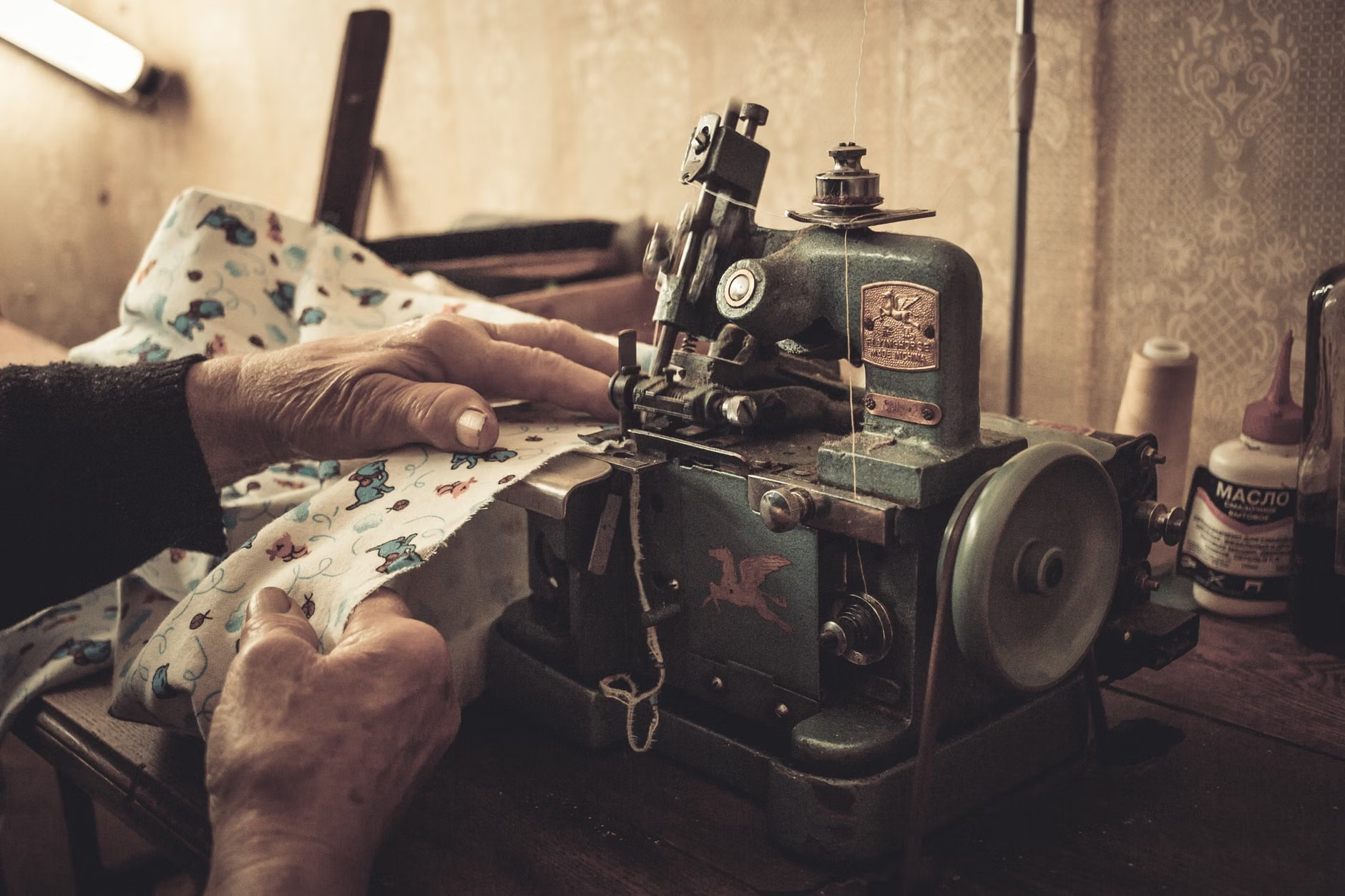
Practical Steps to Get Started
Before you pack up your broken lamp or torn jacket, there are a few practical considerations to ensure your visit is successful and comfortable.
1. Verify the Venue’s Accessibility
Most Repair Cafes operate in public buildings, but it is always wise to check for accessibility features. If you use a walker, cane, or wheelchair, ensure the venue has:
- Level access or ramps at the entrance.
- Accessible restroom facilities nearby.
- Adequate seating, as waiting for a volunteer can sometimes take time.
2. Prepare Your Item
Clean your item before bringing it in. If it is an electronic device, ensure you bring the power cord, remote, or any relevant accessories. If the item requires a specific replacement part, such as a fuse or a specialized screw, the organizers may be able to advise you on where to buy it beforehand, or they may have a small stock on hand.
3. Manage Your Energy
Repair events can be busy and sometimes noisy. If you have lower stamina, try to arrive early in the session when it is typically quieter. If you find the environment overstimulating, feel free to take a break in a quieter area of the venue or step outside for fresh air. There is no requirement to stay for the entire duration of the event.
The Economics of Repair: Why It Matters
In many regions, the “throwaway culture” has led to a significant increase in household waste and unnecessary spending. By repairing an item, you are not only saving money but also reducing your personal carbon footprint. Consider the cost of a high-quality toaster: replacing it might cost $50-$100, whereas a repair might only cost the price of a small replacement part or a nominal donation to the cafe. Over the course of a year, these small savings can add up significantly, providing more financial flexibility for other interests.

While the Repair Cafe movement is overwhelmingly positive, there are nuances to consider. Not every item is suitable for a community repair event. Professional-grade equipment, items still under warranty, or products with complex proprietary software may be beyond the scope of volunteer repairers. Attempting to force a repair on these items can void warranties or lead to further damage.
Common Mistake: Assuming that a Repair Cafe can fix anything. Always check the event’s website or social media page to see what types of repairs they specialize in. Some groups focus strictly on textiles, while others may have a strong focus on electronics or small furniture. Targeting the right event for your specific item saves you the frustration of carrying heavy items to a venue that cannot assist you.
Integrating Repair into Your Routine
To make Repair Cafes a sustainable part of your leisure life, consider the following:
- Keep a “Repair List”: Maintain a small box or a designated shelf for items that need attention. When the next Repair Cafe event is announced, you will have your items ready to go.
- Volunteer Your Own Skills: Do you have a knack for sewing, woodworking, or basic electrical repair? Even if you don’t consider yourself a “pro,” your ability to mentor others is invaluable. Volunteering is a fantastic way to structure your time and meet like-minded people.
- Advocate for Local Events: If there is no Repair Cafe in your area, contact your local community center or library. Often, they are looking for initiatives that build community and reduce waste. You don’t need to organize it yourself—simply expressing interest can be the nudge they need to start a program.
The Deeper Value: Resilience and Community
The true value of the Repair Cafe lies in the restoration of a culture of care. When we repair things, we acknowledge their value and the resources that went into making them. This mindset of stewardship extends to our own lives and communities. By participating, you are not just fixing a physical object; you are participating in a movement that values durability, patience, and human connection over the convenience of the modern marketplace.
As you move through your 60s, 70s, and beyond, these small, consistent engagements provide a sense of agency. You remain a contributor, a learner, and a vital member of your community. Whether you are walking through the doors to fix a broken heirloom or simply to share a cup of tea and a conversation with a fellow hobbyist, you are participating in a meaningful act of social and environmental preservation.
For further information on finding a group near you, you can explore resources like the Repair Cafe Foundation, which provides a global directory of events. Always check local listings as well, as many independent, grassroots groups operate under different names but with the same spirit of community and sustainability.
Frequently Asked Questions
1. Is it free to attend a Repair Cafe?
Most Repair Cafes are free to attend, as they are run by volunteers. However, it is customary to provide a small voluntary donation to help cover the costs of tools, insurance, and venue rental. Some cafes may charge for specific replacement parts if they have them in stock, but this will always be discussed with you before any work is done.
2. What if I am not very technical?
You do not need to be technical. The volunteers are there to guide you. The focus is on the collaborative process. You are encouraged to watch, ask questions, and learn as much as you feel comfortable with. If you prefer to simply watch while the expert does the work, that is usually acceptable, though the primary goal is to empower you to understand your belongings better.
3. Can I bring more than one item?
Most Repair Cafes have a policy regarding the number of items you can bring, typically one or two, to ensure that everyone has an opportunity to receive help. It is best to bring your most important or “urgent” item first. If the event is quiet, the volunteers may be happy to look at a second item, but always check with the registration desk when you arrive.
Note: This article is for informational purposes and does not constitute professional advice. Always prioritize your personal safety and follow the manufacturer’s instructions for any household appliance.