Key Takeaways
- Reduced Cognitive Load: Digital noise-masking helps prevent travel fatigue by lowering the brain’s effort to filter out repetitive, high-frequency train noise.
- Hearing Protection: Using Active Noise Cancellation (ANC) allows you to listen to audio at lower, safer volumes, protecting your hearing in loud environments.
- Strategic Selection: Choose between Active Noise Cancellation (ANC) and passive isolation based on your specific comfort needs, travel duration, and equipment budget.
Train travel is a favored mode of transportation for many seniors due to its scenic nature, accessibility, and the ability to move around during the journey. However, the constant rhythmic clatter, high-pitched screeching of wheels on tracks, and the ambient chatter of a busy carriage can lead to significant sensory fatigue. For older adults, this background “noise pollution” is more than just an annoyance; it is a contributor to physical exhaustion and heightened stress levels during long-distance trips.
Digital noise-masking and noise-cancelling technologies have evolved from niche audiophile tools into essential travel companions. By understanding how these technologies function and how to integrate them into your travel routine, you can turn a draining commute into a period of genuine rest and relaxation.
Understanding the Difference: ANC vs. Passive Noise Isolation
Before investing in technology, it is essential to distinguish between the two primary methods of silencing your environment: Active Noise Cancellation (ANC) and Passive Noise Isolation. Knowing the difference helps you decide which technology best suits your specific travel needs.
| Feature | Active Noise Cancellation (ANC) | Passive Noise Isolation |
|---|---|---|
| Mechanism | Uses microphones to detect external noise and creates an inverted sound wave to cancel it out. | Uses physical barriers (earmuffs or ear tips) to block sound waves from entering the ear. |
| Best For | Low-frequency, constant sounds like train engines and ventilation. | High-frequency, sudden sounds like talking or sharp clicks. |
| Battery Needs | Requires a battery; stops working when power runs out. | Does not require power. |
For most train travelers, a combination of both is ideal. High-end headphones typically offer both active cancellation for the engine drone and passive seals for the chatter of fellow passengers.
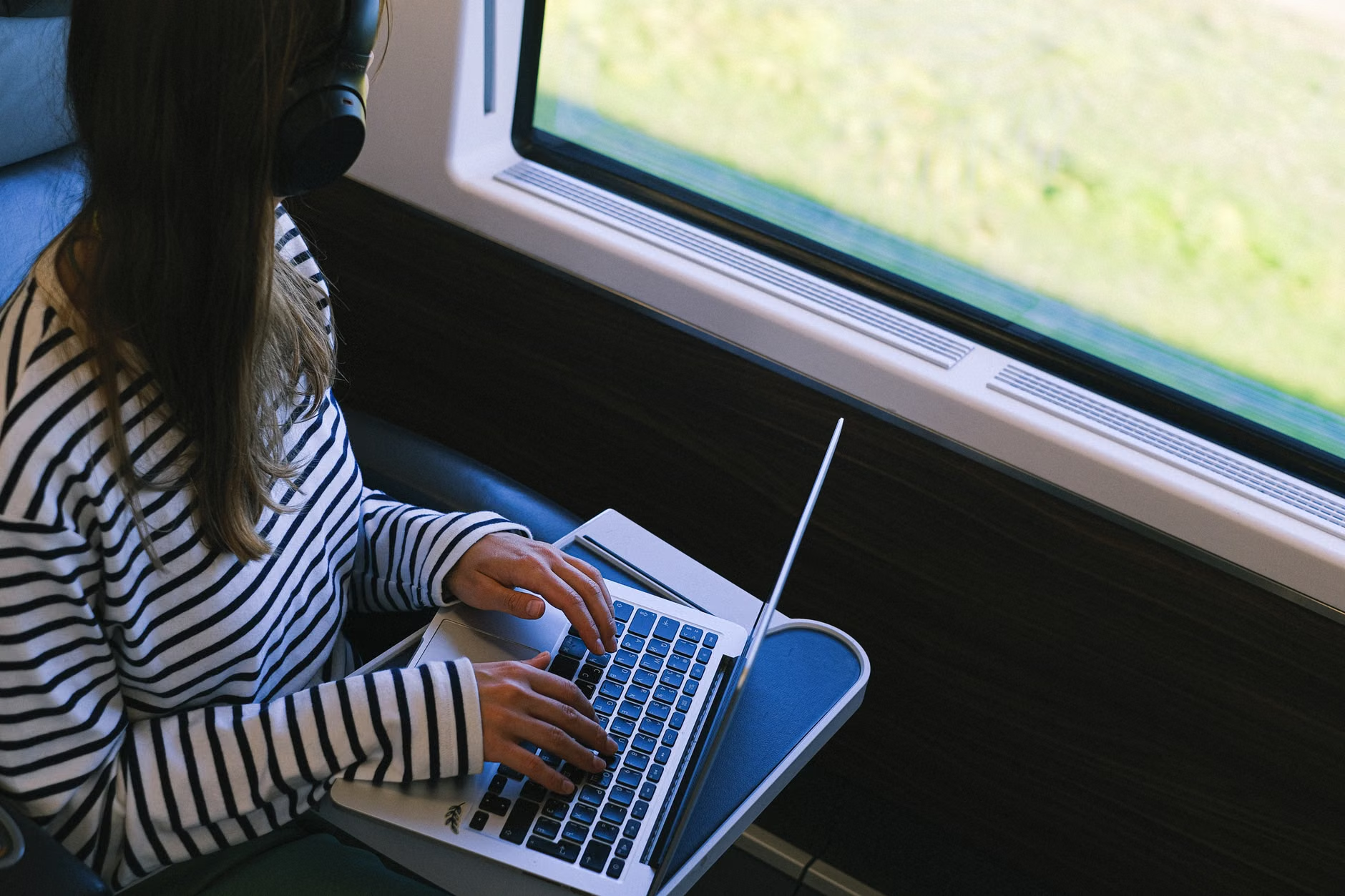
The Biological Impact of Noise on Senior Travelers
Why does train noise make you feel so tired? The answer lies in how the human brain processes sound. As we age, our ability to filter out “irrelevant” background stimuli—a process known as sensory gating—can become less efficient. When your brain is constantly forced to process the background noise of a train, it consumes valuable cognitive resources.
This leads to “travel fatigue,” a state where you arrive at your destination feeling mentally drained even if you have been sitting for hours. By using noise-masking technology, you effectively lower the “noise floor” of your environment. This allows your brain to enter a state of rest, significantly improving your energy levels upon arrival. Furthermore, protecting your hearing is a priority; when you aren’t fighting to hear a podcast or an audiobook over the roar of the train, you can keep your device volume at a safe, moderate level, preventing the risk of noise-induced hearing damage.
Selecting the Right Device for Your Mobility and Comfort
When choosing a device, consider your physical comfort and technical confidence. Not all devices are built for long-term wear, and some are unnecessarily complex.
1. Over-Ear Headphones
These are generally the gold standard for long-distance travel. They provide superior passive isolation because they physically cover the entire ear. For travelers who wear glasses, look for models with “memory foam” ear cups, which distribute pressure more evenly and prevent discomfort during long journeys.
2. In-Ear Monitors (Earbuds)
These are more portable and lighter. If you have limited space in your carry-on or find that over-ear headphones cause heat buildup around your ears, high-quality noise-cancelling earbuds are a great alternative. Ensure you choose a model with multiple sizes of silicone or foam tips to ensure a secure, comfortable fit.
3. Ease of Use
Modern devices often come with smartphone applications. While these provide advanced features, ensure the device can also be operated via physical buttons. If you struggle with small touch-sensitive surfaces, prioritize models with tactile, physical buttons for volume and noise-cancellation toggling.
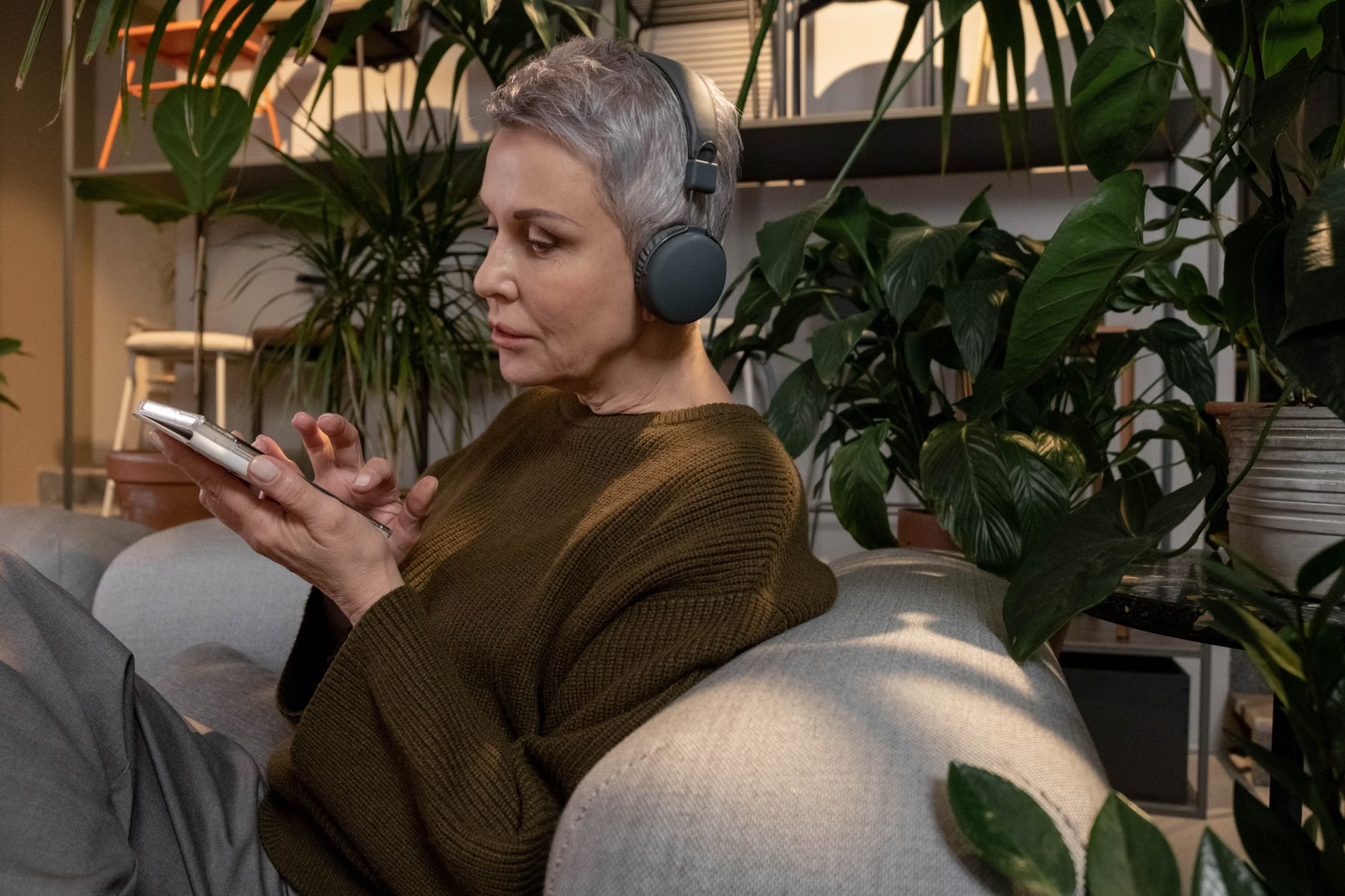
Practical Steps for a Quieter Journey
Technology is only as effective as its implementation. Follow these steps to optimize your setup before your next departure:
- Practice at Home: Do not use your new device for the first time on the train. Practice pairing it with your phone or tablet at home to ensure you understand how to turn the noise cancellation on and off.
- Check Battery Life: Most ANC headphones provide 20 to 30 hours of battery life. If your trip is longer, ensure you have a portable power bank to charge your device mid-journey.
- The “Silence” Strategy: You do not need to listen to music to benefit from ANC. Simply wearing the headphones with the noise-cancellation feature enabled provides a “buffer” of silence that is perfect for reading or napping.
- Safety Awareness: Never use noise-cancelling features while walking through busy train stations or boarding the train. You need to remain aware of your surroundings, including public announcements and potential hazards. Enable the “Transparency Mode” (a feature found on most modern ANC devices) when you are not seated.
Addressing Common Misconceptions
Many travelers believe that noise-cancelling technology is only for “audiophiles” or that it is too expensive to be practical. In reality, the market has become highly competitive. Mid-range models now offer 80-90% of the performance of top-tier professional gear at a fraction of the cost. Another misconception is that noise-cancelling headphones cause ear pain. This is usually a sign of an incorrect fit or excessive “pressure” from the clamping force of the headband. If you experience discomfort, look for “open-back” or lightweight designs that prioritize ergonomic weight distribution.
When to Seek Professional Advice on Hearing Health
If you find that you are consistently struggling to hear announcements or conversations on the train, it may not just be the noise levels. It is a good practice to have an annual hearing screening. If you use hearing aids, many modern models now include Bluetooth connectivity and “directional microphone” settings that can be adjusted via a smartphone app to focus on the person speaking directly in front of you, essentially acting as a personalized noise-masking system. Always consult with your audiologist about whether your specific hearing aids are compatible with train travel environments.
Planning Your Travel Itinerary with Sensory Awareness
Beyond technology, how you plan your journey matters. If you are particularly sensitive to noise, consider booking seats in “Quiet Carriages” or “Silent Zones” if the train operator offers them. These carriages have strict rules against loud talking and phone use, which complements the effectiveness of your noise-masking devices. Additionally, avoid seats near the vestibules or the gaps between carriages, as these areas are typically the loudest due to mechanical noise and passenger traffic.
For longer journeys, build in “sensory recovery” time. Every two hours, take your headphones off for ten minutes. This allows your ears to rest and helps you re-acclimate to the ambient environment, which is important for your sense of balance and spatial awareness.
Conclusion: Investing in Your Travel Wellbeing
The goal of using digital noise-masking is not to shut yourself off from the world, but to curate your environment so that you arrive at your destination refreshed rather than drained. By choosing the right equipment, practicing with it before you travel, and prioritizing your auditory comfort, you can reclaim the joy of train travel. Remember, the investment in a good pair of noise-cancelling headphones is an investment in your stamina and, ultimately, the quality of your entire trip.
Frequently Asked Questions (FAQ)
Q1: Can I use noise-cancelling headphones while sleeping on the train?
Yes, many seniors find that over-ear noise-cancelling headphones act as a comfortable pillow support while resting against the window. Just ensure your device has a long battery life or is charged, and keep your valuables secure.
Q2: Will noise-cancelling headphones block out critical train announcements?
Most modern ANC headphones have a “Transparency Mode” that allows you to hear external sounds when needed. Alternatively, you can keep the volume of your own audio low so that you remain aware of significant changes in the environment.
Q3: Are these devices difficult to set up for someone who isn’t “tech-savvy”?
Not necessarily. Many brands now prioritize “Plug and Play” functionality. Once the device is paired with your phone via Bluetooth, it will automatically connect every time you turn it on. Look for brands that offer clear, large-print manuals or video tutorials.
For further information on hearing health and travel safety, please refer to official resources such as the World Health Organization’s guide on hearing health. Always check your local transport authority’s website for specific policies regarding device use on public transit.