- Molybdenum is an essential trace mineral that acts as a cofactor for enzymes responsible for breaking down sulfites and metabolizing toxins in the liver.
- Most adults can meet their daily requirements through a balanced diet of legumes, grains, and nuts; supplementation is rarely necessary and can be risky if overdone.
- Excessive intake of molybdenum can interfere with copper absorption, making it vital to focus on food-first nutrition rather than high-dose isolated supplements.
Understanding Molybdenum: The Unsung Hero of Metabolic Health
While many health conversations focus on calcium for bones or iron for energy, molybdenum is a trace mineral that often flies under the radar. Despite its obscurity, it is an essential nutrient for all humans. It serves as a structural component for four critical enzymes in the body: sulfite oxidase, xanthine oxidase, aldehyde oxidase, and mitochondrial amidoxime reducing component (mARC).
For adults aged 60 to 80, understanding this mineral is less about “detox cleanses” and more about supporting the liver and kidneys in their natural, everyday functions. As we age, the efficiency of our metabolic pathways can shift, and providing the body with the necessary micronutrients—like molybdenum—ensures that these enzymatic processes continue to function smoothly.
Why Molybdenum Matters for Detoxification
The term “detox” is often used in marketing to sell expensive products, but biologically, detoxification is a constant, physiological process. Your liver is the primary organ responsible for filtering blood, neutralizing toxins, and processing medications. Molybdenum plays a specific, technical role in this system.
Breaking Down Sulfites
Sulfite oxidase is the enzyme that converts sulfites into sulfates. Sulfites are naturally occurring compounds found in some foods and are also produced as a byproduct of normal amino acid metabolism. If these are not properly processed, they can accumulate. Molybdenum acts as the “key” that allows this enzyme to function. Without adequate molybdenum, the body may struggle to manage these compounds effectively.
Metabolizing Medications and Toxins
Aldehyde oxidase and xanthine oxidase are involved in the breakdown of various substances, including certain medications and purines (compounds found in meat and other foods). For older adults who may be managing chronic conditions with various medications, the liver’s ability to process these substances is paramount. While molybdenum does not “cure” toxicity, it is a necessary part of the metabolic machinery that keeps your system running without a backlog of metabolic byproducts.
Daily Dietary Sources: A Practical Approach
You do not need to hunt for specialized supplements to get enough molybdenum. It is widely available in common, affordable, and shelf-stable foods. By incorporating these into your weekly meal planning, you can easily meet the recommended intake of 45 micrograms per day for most adults.
| Food Group | Examples | Why it fits an active lifestyle |
|---|---|---|
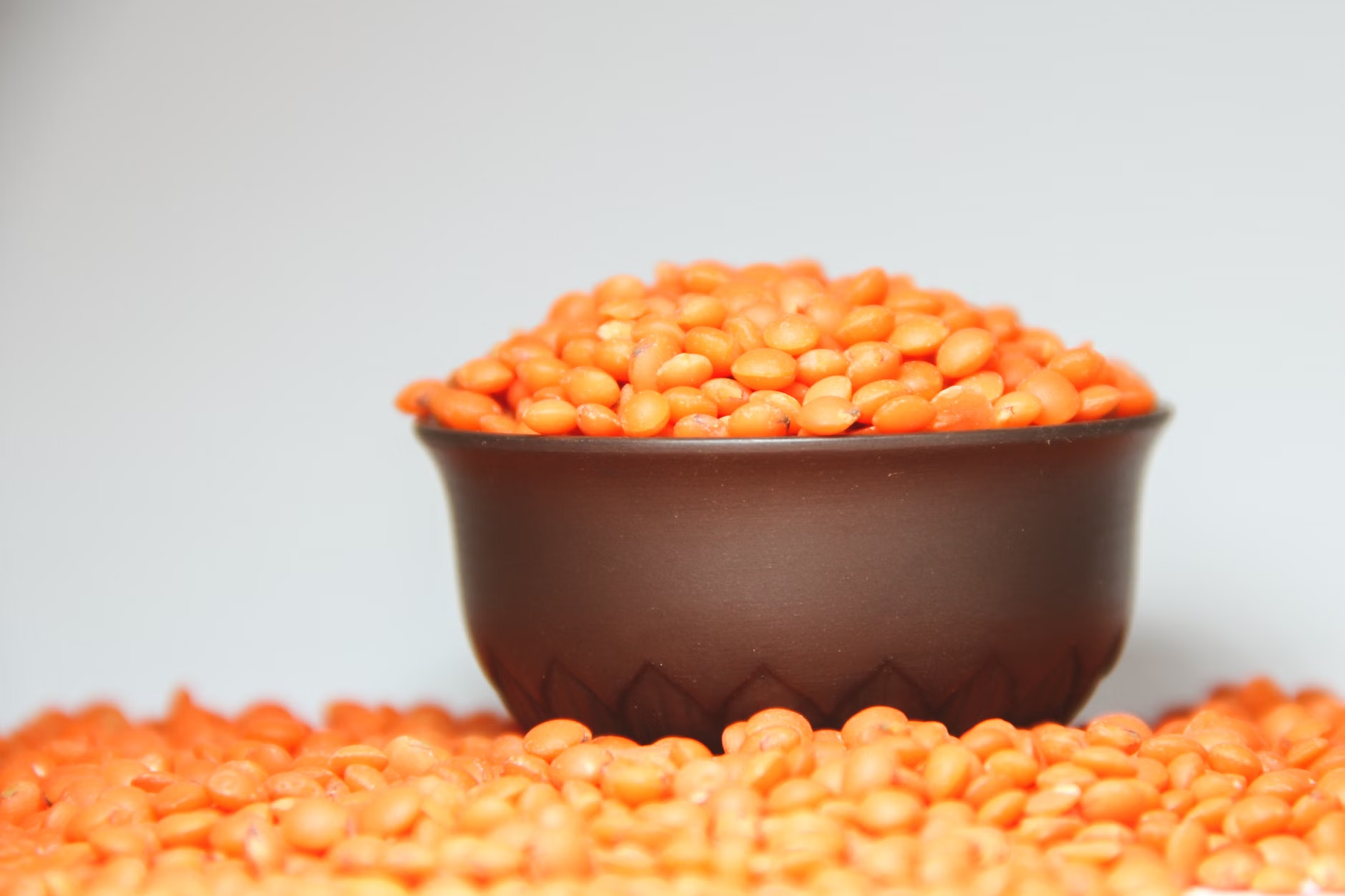
| Legumes | Lentils, black beans, split peas | High fiber, shelf-stable, easy to cook in bulk. |
| Whole Grains | Oats, barley, brown rice | Provides sustained energy; versatile for breakfast or lunch. |
| Nuts & Seeds | Sunflower seeds, almonds, walnuts | Portable snacks; good for heart health. |
| Leafy Greens | Spinach, kale | Low calorie, high nutrient density. |
Practical Decision Rule: If you are looking to increase your intake, start by replacing one serving of refined carbohydrates (like white bread) with a serving of whole grains or legumes each day. This not only increases your molybdenum intake but also improves your fiber profile, which is essential for digestive health in the 60-80 age bracket.

The temptation to “top up” on minerals via supplements is common, but with trace minerals like molybdenum, more is not better. The Tolerable Upper Intake Level (UL) for adults is 2,000 micrograms per day. Exceeding this, especially through long-term high-dose supplementation, can have unintended consequences.
The Copper-Molybdenum Balance
One of the most important insights regarding molybdenum is its antagonistic relationship with copper. High levels of molybdenum can inhibit the body’s ability to absorb and utilize copper. Copper is essential for red blood cell formation and maintaining healthy connective tissue. If you take an isolated molybdenum supplement without medical supervision, you risk inducing a copper deficiency, which can lead to fatigue, anemia, and nerve issues.
When to Consult a Professional
If you suspect you have a specific metabolic issue or if you are taking multiple prescription medications, do not start a mineral supplement regimen on your own. Instead, prepare for your next medical appointment by:
- Recording your diet: Keep a 3-day food log to see if you are already consuming legumes, grains, and nuts.
- Listing your medications: Some drugs affect liver metabolism; your doctor needs to know everything you are taking.
- Asking specific questions: “Based on my current blood work and medication list, is my intake of trace minerals adequate, or should I be concerned about my copper-molybdenum balance?”

Practical Steps for Long-Term Maintenance
Prevention is the gold standard of health. Rather than focusing on “cleansing,” focus on supporting your body’s inherent, 24/7 detoxification systems. This requires a consistent, sustainable habit pattern rather than intermittent “cures.”
1. Diversify Your Pantry
Make sure your kitchen is stocked with at least two types of legumes and one type of whole grain at all times. This removes the “I have nothing healthy to eat” barrier. If you find cooking dried beans intimidating, canned varieties (rinsed well to reduce sodium) are a perfectly acceptable, nutrient-dense alternative.
2. Hydration is Key
Metabolic processes and the excretion of metabolic byproducts require water. Your kidneys need hydration to flush out the sulfates and other compounds that the liver has processed. Aim for consistent water intake throughout the day rather than drinking large amounts all at once.
3. Monitor Your Response
If you make dietary changes, observe how you feel over a 2-4 week period. Are your energy levels stable? Is your digestion regular? These are better indicators of health than any specific lab value for a single trace mineral.
Addressing Common Misconceptions
There is a persistent myth that “detox supplements” can reverse years of lifestyle choices. This is scientifically inaccurate. The body’s detoxification systems are robust, provided they are given the correct building blocks (nutrients) and not overwhelmed by excessive alcohol, processed foods, or environmental toxins. Molybdenum is a tool, not a magic wand. It works best when the “input” (your diet) is balanced and the “output” (your lifestyle) includes regular movement and hydration.
The Role of Environment and Lifestyle
While diet is the primary driver of molybdenum levels, consider your total environment. For example, if you live in an area with high industrial pollution or work with specific chemicals, your liver may be working “overtime.” While this doesn’t necessarily mean you need more molybdenum than the average person, it does mean that protecting your liver health through a balanced diet is even more critical. Avoiding unnecessary exposure to environmental toxins—such as by using proper ventilation when using household cleaning products—is just as important as the food you eat.
Summary of Actionable Habits
For the reader looking to optimize their health, the focus should remain on the “Food First” principle. A handful of sunflower seeds, a serving of lentils, or a bowl of steel-cut oats provides a natural, safe, and effective way to ensure your molybdenum levels are sufficient. Avoid the urge to seek out high-dose supplements unless specifically directed by a physician who has reviewed your blood work, as the risk of mineral imbalance (particularly with copper) outweighs the potential benefits for most healthy adults.
By keeping your diet varied and your body hydrated, you are doing exactly what is required to support your liver’s natural, complex, and highly efficient detoxification pathways.
Frequently Asked Questions (FAQ)
1. Can I get too much molybdenum from food?
It is extremely unlikely to reach toxic levels of molybdenum through a normal, varied diet. The “upper limit” of 2,000 micrograms is quite high, and typical food sources provide only a fraction of this amount. You would have to consume an extraordinary, unrealistic amount of specific foods to reach harmful levels.
2. Do I need to take a molybdenum supplement if I have a history of liver issues?
If you have a diagnosed liver condition, you should not start any supplements without consulting your gastroenterologist or hepatologist. These conditions can alter how your body processes minerals and medications, and your medical team needs to manage your nutrient intake in the context of your overall treatment plan.
3. How long does it take to see the benefits of increasing molybdenum intake?
Unlike a stimulant that might make you feel “alert” immediately, the benefits of trace minerals like molybdenum are systemic and long-term. You won’t “feel” a change in your sulfite metabolism. Instead, you are building a foundation for long-term metabolic health. Focus on consistent, daily dietary habits rather than looking for an immediate physical sensation.
Official Source References: