- The seated hip-hinge is a fundamental movement pattern that trains your body to move from the hips rather than the lower back, directly protecting the lumbar spine.
- Mastering this movement while seated allows you to build foundational strength and motor control without the balance risks associated with standing exercises.
- Consistency in daily habits—like how you lean forward to reach for objects—is more effective for long-term lumbar health than sporadic, high-intensity workouts.
Understanding the Mechanics of Lumbar Stability
For many adults between the ages of 60 and 80, the lower back (the lumbar region) becomes a frequent site of discomfort. This is often not due to a single traumatic event, but rather the cumulative effect of how we perform daily tasks—reaching for a book, putting on shoes, or getting out of a chair. The concept of the “hip-hinge” is a critical, often misunderstood, movement pattern that acts as a primary defense against lumbar strain.
At its core, a hip-hinge is a movement where the pelvis rotates forward over the heads of the thigh bones (the femurs), while the spine remains rigid and neutral. When we fail to hinge at the hips, we compensate by rounding the lower back. Over time, this repetitive rounding places unnecessary shear stress on the intervertebral discs and the surrounding ligaments. By learning to initiate movement from the hip joint, you shift the workload to the powerful muscles of the glutes and hamstrings, effectively “offloading” the lumbar spine.
Why start while seated? For older adults, standing exercises can sometimes present balance challenges. By practicing the hinge in a seated position, you provide your body with a stable base. This allows you to isolate the movement, focus on the sensation of your spine staying long, and build the neuromuscular connections required for safe movement before attempting more complex standing variations.
The Anatomy of the Movement: What It Looks Like
To perform a seated hip-hinge, sit toward the front edge of a sturdy, non-rolling chair. Place your feet flat on the floor, shoulder-width apart. Your goal is to lean your torso forward while keeping your chest open and your spine in a straight line from your tailbone to the crown of your head. Imagine your torso is a solid plank of wood; it does not bend in the middle.
When you lean forward, you should feel a slight tension in your hamstrings and a sense of engagement in your lower core. If you feel your back rounding, you have gone too far. The movement should be small and controlled. It is not about how far forward you can lean; it is about how well you can maintain the integrity of your spine while changing your center of gravity.
Common Mistakes to Avoid
| Mistake | Why it matters | Corrective Action |
|---|---|---|
| Rounding the shoulders | Encourages the spine to curve, putting pressure on discs. | Pull shoulder blades gently back and down. |
| Collapsing the chest | Limits range of motion and weakens core engagement. | Imagine a string pulling the top of your head upward. |
| Lifting the heels | Indicates a loss of stability and reliance on momentum. | Ensure full foot contact with the floor throughout. |
The table above highlights that the most common errors are often subconscious attempts to “reach” further. By focusing on maintaining a rigid torso, you ensure that the movement occurs exclusively at the hip crease. If you find yourself struggling to keep your back flat, try placing your hands on your thighs and pushing them slightly into your legs as you lean; this provides tactile feedback to keep your spine extended.
Building a Daily Habit: Integrating Hinging into Your Routine
Preventive health is rarely about one hour in the gym; it is about how you move during the other 23 hours of the day. The seated hip-hinge is a “movement snack” that you can integrate into your existing routine. Consider how you reach for a cup of coffee on a table or how you lean forward to listen to someone speaking. These are all opportunities to practice the hinge.
Start by dedicating three minutes twice a day to this practice. Sit on a chair in your living room or at your kitchen table. Perform 10 controlled hinges. Focus on the sensation of your sit-bones staying firmly planted on the chair and your pelvis tilting slightly forward as you lean. By making this a habitual part of your day, you are training your brain to prioritize the hips over the back during functional tasks.
Over time, this movement becomes automatic. When you go to pick up an object from the floor, you will find your body naturally hinging at the hips instead of reflexively rounding your back. This shift in movement strategy is the single most effective way to reduce the risk of acute lumbar strain.
Addressing Mobility and Stamina: When to Seek Professional Guidance
While the seated hip-hinge is a safe and accessible movement for most, it is important to recognize when your body is signaling that you need professional input. If you experience sharp, shooting pain, numbness, or tingling that radiates down your legs during or after these movements, stop immediately. These are not signs of “good muscle soreness” but indicators that something in the lumbar region may be irritated.
If you have a known history of spinal conditions, such as herniated discs, spinal stenosis, or spondylolisthesis, consult with a physical therapist or a doctor before beginning a new movement program. A professional can assess your specific range of motion and provide modifications that are safe for your unique anatomy. For example, individuals with significant spinal stenosis may find that a slightly different degree of forward lean is more comfortable than what is standard for others.
When preparing for an appointment with a healthcare professional, keep a simple log of your movements. Note when you feel discomfort—is it during the movement, or later in the day? Does the pain subside with rest? Providing these details helps your provider distinguish between muscular fatigue and potential structural issues.

Advanced Nuances: Beyond the Basic Lean
Once you have mastered the basic seated hinge, you can introduce variations to further improve your lumbar stability. One effective progression is the “weighted hinge.” Hold a light object, such as a small book or a water bottle, close to your chest. The added weight forces your core to work slightly harder to stabilize your spine against the forward lean. This simulates the real-life experience of carrying items around your home.
Another overlooked variable is the role of breathing. Many people subconsciously hold their breath when trying to focus on a movement. This increases intra-abdominal pressure in a way that can be counterproductive. As you hinge forward, practice a slow, controlled exhale. As you return to the upright position, inhale. This synchronized breathing helps relax the muscles surrounding the spine, allowing for a more fluid movement.
It is also helpful to consider the height of your chair. If your chair is too low, your knees will be higher than your hips, which naturally encourages a rounded back. If the chair is too high, you may feel unstable. The ideal setup is one where your hips are level with or slightly higher than your knees. If your chairs at home are too low, consider using a firm cushion to elevate your seat. This simple adjustment can transform a difficult movement into an accessible one.
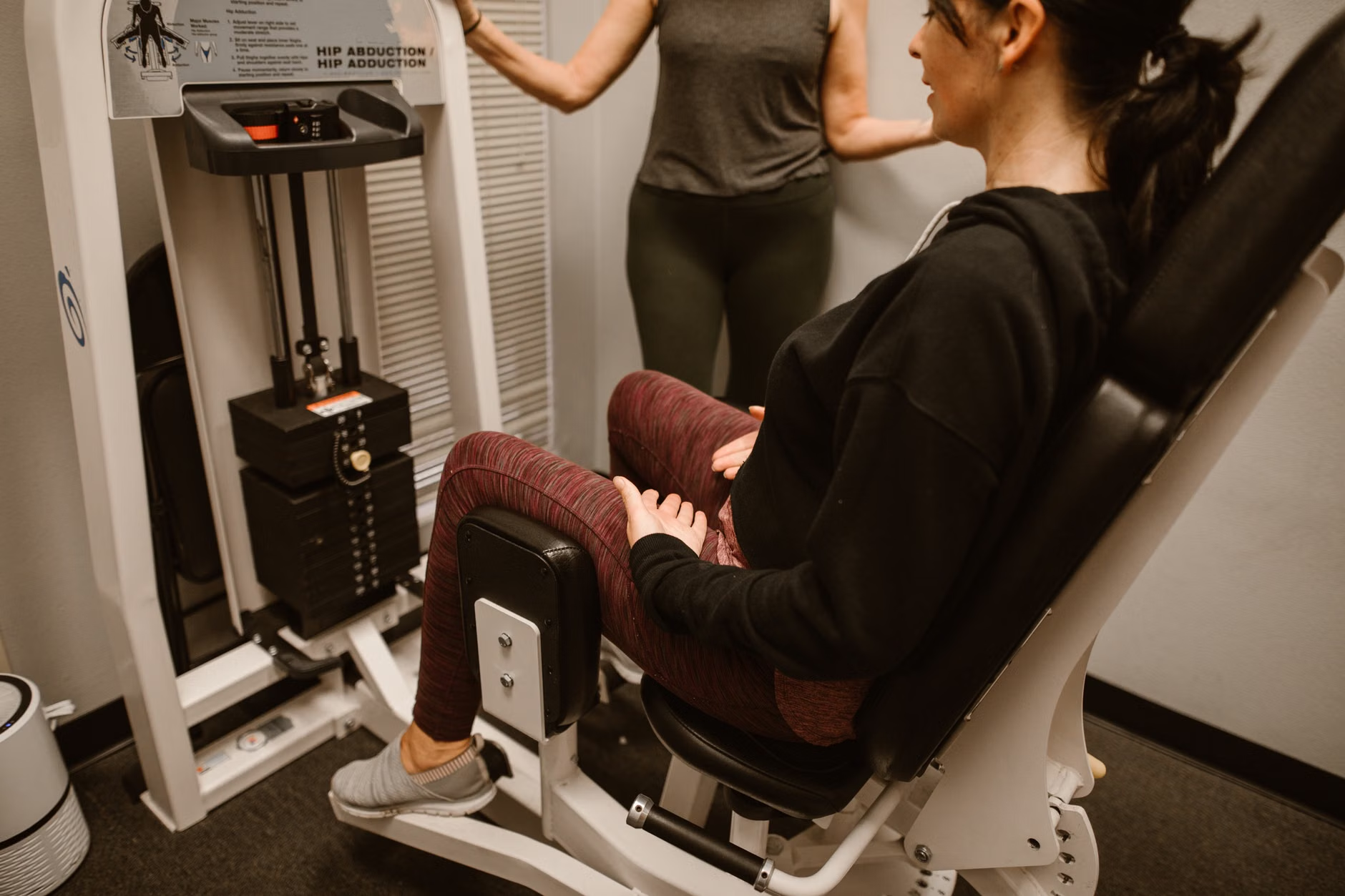
The Role of Core Strength in Lumbar Support
Often, we think of the “core” as the abdominal muscles, but true lumbar stability requires the coordinated effort of the entire “cylinder” of the torso. This includes the deep abdominal muscles (the transverse abdominis), the muscles along the spine (the multifidus), and the pelvic floor. The seated hip-hinge acts as a bridge to activate these muscles without the need for strenuous crunches or sit-ups, which are often inappropriate or risky for older adults.
When you hinge forward, your deep core muscles must contract to support the spine against gravity. By doing this in a seated position, you are essentially performing a functional plank. The beauty of this is that it is inherently safe; you are not putting your back through a range of motion that exceeds your current capacity. You are simply teaching your body to hold its own weight with proper alignment.
Consider this: Every time you perform a hinge, you are reinforcing the “bracing” mechanism of your spine. This bracing is what protects you when you lift a bag of groceries or reach for a heavy item on a shelf. If you lack this foundational stability, even light loads can feel heavy and potentially harmful to your back. Therefore, the seated hinge is not just an exercise; it is a fundamental skill for maintaining your independence.
Consistency Over Intensity: A Long-Term Strategy
The most common mistake in senior fitness is the “all-or-nothing” approach. Many people wait until they have back pain, then try to fix it with a rigorous, one-hour exercise session. Once the pain subsides, the exercise stops. This cycle is exactly what we want to avoid. The goal of the seated hip-hinge is to make it a part of your daily “movement hygiene,” similar to brushing your teeth.
If you find that you are forgetting to practice, attach the habit to an existing one. For example, promise yourself that every time you sit down to watch the evening news or check your email, you will perform five seated hip-hinges before you settle into a relaxed posture. This “habit stacking” ensures that the movement becomes a non-negotiable part of your daily life. Over a year, this equates to thousands of repetitions of a spine-protecting movement pattern.
Remember that progress in this area is often invisible. You may not “feel” stronger in the way you would after lifting weights, but you will notice that you have less “back stiffness” after long periods of sitting or that your daily tasks feel slightly more effortless. These subtle improvements are the hallmark of effective, long-term preventive health.

As we age, our bodies naturally undergo changes. Intervertebral discs may lose some of their hydration, and muscle mass may shift. These changes are a normal part of the aging process, but they do not mean that back pain is inevitable. By focusing on movement quality, you can compensate for these structural changes and maintain a high level of function.
One of the most important insights regarding lumbar health is the concept of “movement variability.” The spine is designed to move, but it is also designed to be protected by the muscles surrounding it. When we move in the same way all the time—such as sitting slumped for hours—we “lock” our spine in a compromised position. The seated hip-hinge introduces healthy, controlled variability. It tells your nervous system that it is safe to move, which in turn reduces the “guarding” or muscle tension that often leads to chronic back pain.
If you feel that your mobility is limited, do not be discouraged. Even a very small hinge—perhaps just an inch or two—is enough to begin the process of re-educating your muscles. The goal is not to reach your toes; the goal is to maintain a neutral spine as you tilt your pelvis. Respect your body’s current limitations while consistently challenging it to move with better mechanics.
Conclusion: A Practical Path Forward
Lumbar stability is the cornerstone of an active and independent life. By mastering the seated hip-hinge, you are taking proactive control of your spinal health. This movement is simple, requires no equipment, and can be done anywhere, making it the ideal tool for long-term maintenance.
Start today by identifying a chair in your home and practicing your first set of hinges. Focus on the feeling of a long, strong spine. Remember that the goal is not perfection, but consistent, mindful movement. As you integrate this practice into your daily life, you will likely find that your confidence in your own movement grows, and the nagging discomfort of a tired, aching back begins to fade. Your spine is a lifelong companion; treat it with the movement it needs to stay strong.
Frequently Asked Questions
1. Can I do this exercise if I have had back surgery in the past?
If you have had spinal surgery, it is essential to consult with your surgeon or physical therapist before starting any new movement, including the seated hip-hinge. They can provide specific guidance on your safe range of motion and whether there are any contraindications based on your specific procedure.
2. How long will it take to see improvements in my back health?
Most people notice a reduction in daily “stiffness” within two to four weeks of consistent, daily practice. However, building lasting stability is a long-term process. Focus on the daily habit rather than a specific timeline for results.
3. Should I feel my back muscles working during the hinge?
You should feel your core muscles engaging and perhaps a slight stretch in your hamstrings. If you feel intense tension or strain in your lower back, it is likely that your spine is rounding. Focus on keeping your chest open and reducing the range of your forward lean until you can maintain a flat back comfortably.
For further information on senior health and mobility, you may consult the National Institute on Aging (NIA) resources on exercise and physical activity. Always prioritize movements that feel controlled and pain-free.