Maintaining Bone Integrity: A Practical Guide to Dietary Phosphorus for Seniors
- Phosphorus is the second most abundant mineral in your body and is critical for maintaining bone mineral density, but it must be balanced with calcium intake.
- For adults aged 60-80, the goal is to favor natural, whole-food sources of phosphorus over processed foods containing inorganic phosphate additives.
- Bone integrity is not achieved through phosphorus alone; it requires a synergy of adequate protein intake, vitamin D levels, and weight-bearing physical activity.
As we navigate our 60s, 70s, and beyond, the structural integrity of our skeletal system becomes a primary pillar of our independence and mobility. While calcium often receives the lion’s share of attention in bone health discussions, phosphorus is an equally vital player. Understanding how to manage your phosphorus intake is not about counting every milligram, but about making informed dietary choices that protect your bones from the silent, progressive loss of density that can lead to fractures and reduced mobility.
The Biological Role of Phosphorus in Your Skeletal System
Phosphorus is a fundamental building block of the human body. Roughly 85% of the phosphorus in your system is located in your bones and teeth, where it forms hydroxyapatite crystals—the hard, mineralized matrix that gives your skeleton its strength and rigidity. Unlike soft tissues, which rely on phosphorus for energy transfer and cellular signaling, your bones function as a dynamic reservoir.
When you consume phosphorus, your body regulates its levels through a complex interplay between your kidneys, your gut, and your parathyroid glands. For an older adult, maintaining this homeostasis is essential. If your intake is consistently too low, the body may prioritize cellular functions over bone mineral density, effectively “mining” your bones for the mineral. Conversely, excessive intake—particularly from processed food additives—can interfere with how your body absorbs calcium and vitamin D, potentially weakening your bones over time.
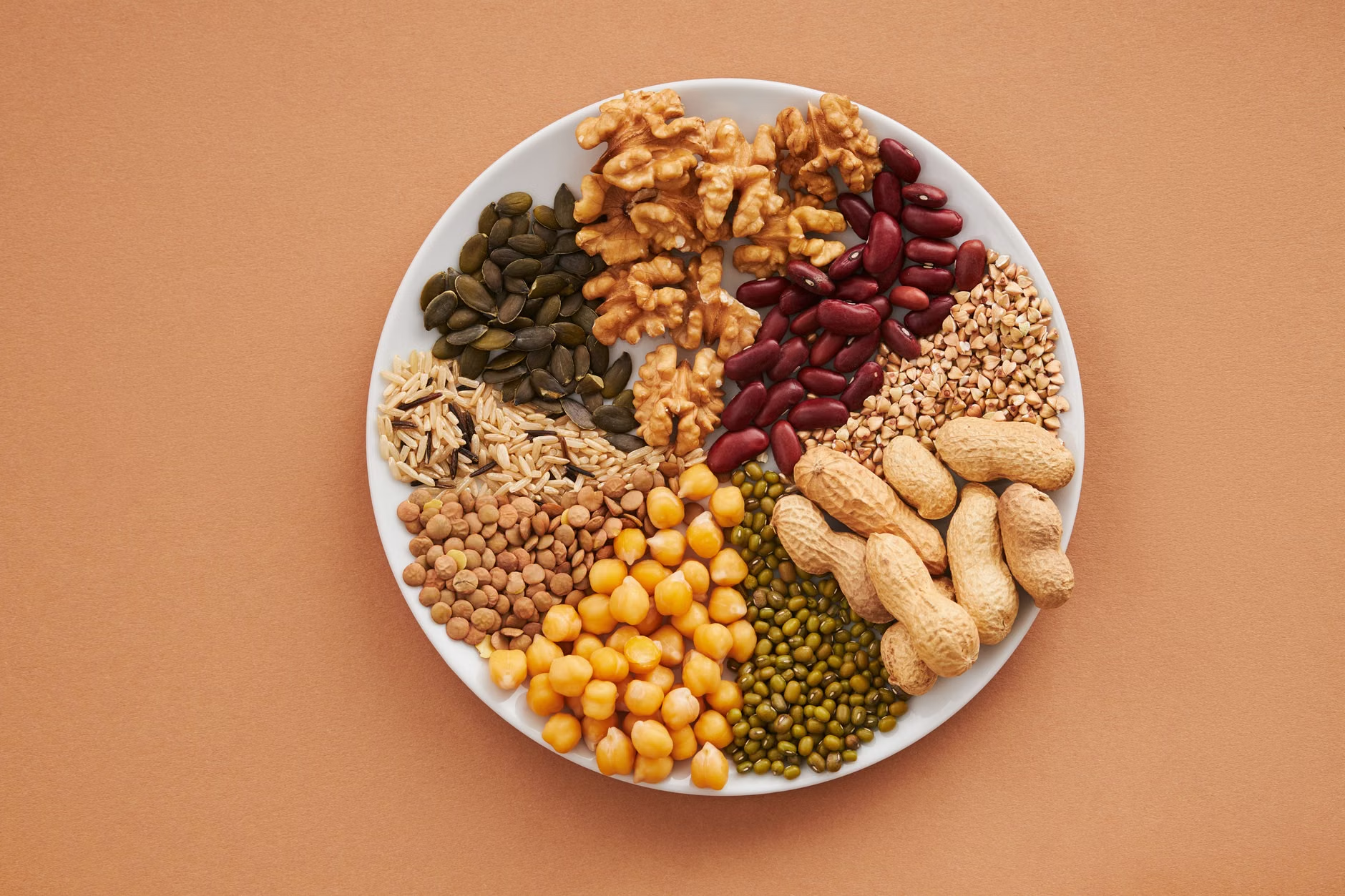
Distinguishing Between Organic and Inorganic Phosphorus
Not all phosphorus is created equal. The source of the mineral significantly dictates how your body processes it. This is a critical distinction for seniors who wish to maintain bone health without placing undue stress on their kidneys or disrupting their mineral balance.
Organic Phosphorus: The Natural Choice
Organic phosphorus is found naturally in protein-rich foods. Because it is bound to proteins, it is absorbed slowly and in a controlled manner by the digestive system. This “slow-release” mechanism allows your body to regulate blood levels effectively, ensuring that the phosphorus is utilized for bone maintenance rather than being rapidly filtered by the kidneys.
Inorganic Phosphorus: The Hidden Risk
Inorganic phosphorus is a common additive in processed foods, used as a preservative, flavor enhancer, or texturizer. Unlike organic forms, inorganic phosphates are absorbed almost entirely—up to 90-100%—by the digestive tract. This causes rapid spikes in blood phosphorus levels. For an older adult, chronic exposure to these rapid spikes can be detrimental, potentially triggering hormonal responses that lead to bone resorption.
| Source Type | Examples | Impact on Bone Health |
|---|---|---|
| Organic | Dairy, meat, legumes, nuts, seeds, whole grains | Supportive; provides steady mineral supply. |
| Inorganic | Processed meats, colas, pre-packaged snacks, fast food | Potentially harmful; can lead to excessive spikes. |
Decision Criterion: If you are choosing between foods, prioritize “single-ingredient” items (like a plain chicken breast or a cup of lentils) over pre-packaged, shelf-stable meals. Check the ingredient label for words containing “phos” (e.g., sodium phosphate, pyrophosphate) to identify inorganic additives.
Practical Strategies for Daily Dietary Management
Maintaining bone integrity requires a “portfolio approach” to nutrition. You do not need to obsessively track phosphorus, but you should aim for a balanced distribution of nutrients that support skeletal health.
1. Prioritize Protein Quality
Protein is essential for the muscle mass that protects your bones. Since most protein-rich foods are also high in phosphorus, the key is to choose protein sources that are nutrient-dense. Fish, poultry, eggs, and plant-based proteins like chickpeas and lentils provide the phosphorus your bones need alongside the amino acids required for muscle maintenance.
2. Maintain the Calcium-Phosphorus Ratio
Calcium and phosphorus work as a team. If you consume a high-phosphorus diet but have low calcium intake, your body will compensate by pulling calcium out of your bones to balance the blood levels. Ensure you are getting adequate calcium through sources like yogurt, fortified plant milks, or dark leafy greens, especially if your protein intake is high.

3. Monitor Your Beverage Choices
Many dark-colored colas and some flavored sparkling beverages contain phosphoric acid. For an older adult, replacing these with water, herbal teas, or mineral-rich sparkling water is a simple, high-impact change that reduces the intake of inorganic phosphorus without requiring a major change to your main meals.
The Synergy of Diet, Activity, and Bone Integrity
Dietary phosphorus is only one piece of the puzzle. Your bones respond to mechanical stress—this is known as Wolff’s Law, which states that bone grows and remodels in response to the forces that are placed upon it. A diet rich in minerals will not build bone density if the body does not receive the signal that those bones are being used.
For individuals aged 60-80, the most effective strategy involves:
- Weight-bearing exercise: Activities like brisk walking, tai chi, or light resistance training signal the body to deposit minerals into the bone matrix.
- Vitamin D sufficiency: Vitamin D is the “gatekeeper” that allows your gut to absorb the calcium and phosphorus you consume. Given that skin synthesis of vitamin D decreases with age, discuss with your primary care provider whether a supplement or specific dietary fortification is necessary based on your local climate and sun exposure.
- Hydration: Adequate fluid intake ensures that the kidneys can effectively manage the mineral balance in your blood, preventing the accumulation of excess phosphorus.

It is important to recognize that bone health is a long-term project. If you have concerns about your bone density, the most practical step is to consult with your physician regarding a DEXA scan (Dual-energy X-ray Absorptiometry). This is the gold standard for measuring bone mineral density.
When preparing for a consultation regarding your bone health, consider these steps to make the most of your appointment:
- Bring a 3-day food diary: Record everything you eat and drink. This helps your doctor or a registered dietitian see patterns in your inorganic phosphate intake.
- List your medications: Some medications, such as certain antacids or corticosteroids, can affect how your body absorbs or excretes minerals.
- Ask specific questions: Instead of “Is my diet okay?”, try asking, “Based on my current bone density results, should I adjust my calcium-to-phosphorus ratio?”
Conclusion: A Proactive Approach to Skeletal Health
Maintaining bone integrity in your 60s, 70s, and 80s is an ongoing process of balancing intake and activity. By favoring organic phosphorus sources found in whole foods, minimizing inorganic additives, and pairing your nutrition with regular weight-bearing movement, you provide your body with the best possible environment to maintain its structural foundation. Focus on consistency over perfection; small, sustainable changes to your daily eating habits will yield the most significant benefits for your long-term mobility and health.
Frequently Asked Questions
1. Should I take a phosphorus supplement for my bones?
In most cases, no. Phosphorus is abundant in a standard diet, and most adults consume more than enough. Supplementing with phosphorus without a specific medical diagnosis of deficiency can lead to an imbalance, potentially harming your bones and straining your kidneys. Always consult your doctor before adding any mineral supplement to your routine.
2. Is it bad to eat protein because it contains phosphorus?
Absolutely not. Protein is vital for maintaining muscle mass, which in turn protects your bones. The goal is not to avoid protein, but to choose high-quality, whole-food protein sources and avoid the inorganic phosphorus additives found in processed meats and pre-packaged convenience foods.
3. How do I know if I am getting enough calcium to balance the phosphorus I eat?
A simple way to monitor this is to ensure you include a calcium-rich food—such as a serving of dairy, fortified soy milk, or a cup of cooked kale—with your protein-rich meals. If you are concerned about your intake, a registered dietitian can help you analyze your current diet to see if you are meeting the recommended daily allowances for your age group.
Official guidance on nutrient requirements can be found at the Dietary Guidelines for Americans or through your local national health authority’s nutrition portal. Always verify health information against your country’s specific public health recommendations.