- Prioritize Accessibility over Aesthetics: Always verify the specific train operator’s “Accessibility Statement” or “Assistance Policy” to confirm step-free access and boarding ramps before booking.
- Layering is Essential for Altitude: Mountain weather shifts rapidly; pack moisture-wicking base layers and a windproof outer shell to manage temperature fluctuations without excess weight.
- Stamina Management: Plan for “active recovery” days; for every day of mountain travel, schedule a low-impact day to allow your body to adjust to altitude and walking demands.
Mountain railway travel offers a unique opportunity to witness breathtaking landscapes without the physical toll of high-altitude trekking. However, for travelers aged 60 to 80, the combination of changing altitudes, varying temperatures, and the logistical demands of rail stations requires careful preparation. This guide provides a strategic approach to packing and planning, ensuring your journey remains comfortable, safe, and enjoyable.
Understanding the Physical Demands of Mountain Rail Travel
Mountain railways are marvels of engineering, but they often operate in environments where infrastructure is constrained by geography. Understanding what this means for your body is the first step in planning.
Altitude and Cardiovascular Comfort
As you ascend, the partial pressure of oxygen decreases. While most tourist mountain railways stay below extreme altitudes, a shift from sea level to 2,000 meters (approx. 6,500 feet) can be noticeable. If you have a history of respiratory or cardiovascular conditions, it is vital to consult your primary care provider before booking. They can provide guidance on how your body might react to rapid changes in elevation.
The Reality of “Step-Free” Access
Many historic mountain railways were built long before modern accessibility standards existed. A station labeled “accessible” might mean something different in a remote Swiss valley compared to a major urban hub. You should never assume that “accessible” implies a flat path from the parking lot to your seat. Instead, look for specific details such as the presence of elevators, boarding ramps, and the width of the carriage aisles.
| Feature | What to Look For | Why It Matters |
|---|---|---|
| Boarding | Level-platform boarding | Avoids the need to climb steep, narrow train steps. |
| Seating | Priority seating near doors | Minimizes walking distance inside the carriage. |
| Facilities | On-board accessible toilets | Critical for long-duration scenic routes. |
| Staffing | Station assistance services | Staff can provide ramp deployment and luggage help. |
If you have mobility limitations, identify the “Assistance Request” window for your specific railway. Many European and North American rail operators require notice—often 24 to 48 hours—to ensure a staff member is available to deploy a portable ramp or provide a wheelchair at the platform.
Strategic Packing: The “Light and Layered” Framework
Weight is your primary enemy when navigating mountain stations. Stairs, uneven cobblestone paths leading to stations, and the need to maneuver your own luggage mean that every kilogram matters. Your goal is to pack for the worst-case weather scenario while maintaining maximum mobility.
The Layering Principle for Variable Climates
Mountain weather is notoriously fickle. You may start your day in a sunny valley at 20°C (68°F) and arrive at a summit station that is 5°C (41°F) with high winds. Avoid heavy, bulky coats. Instead, use a three-layer system:
- Base Layer: A moisture-wicking synthetic or merino wool shirt. This keeps sweat away from your skin, preventing chills.
- Insulation Layer: A lightweight down or synthetic fleece vest or jacket. This traps body heat and is easily packable into a small pouch.
- Shell Layer: A windproof and water-resistant jacket. This is your primary defense against sudden mountain gusts.
Footwear: Stability is Non-Negotiable
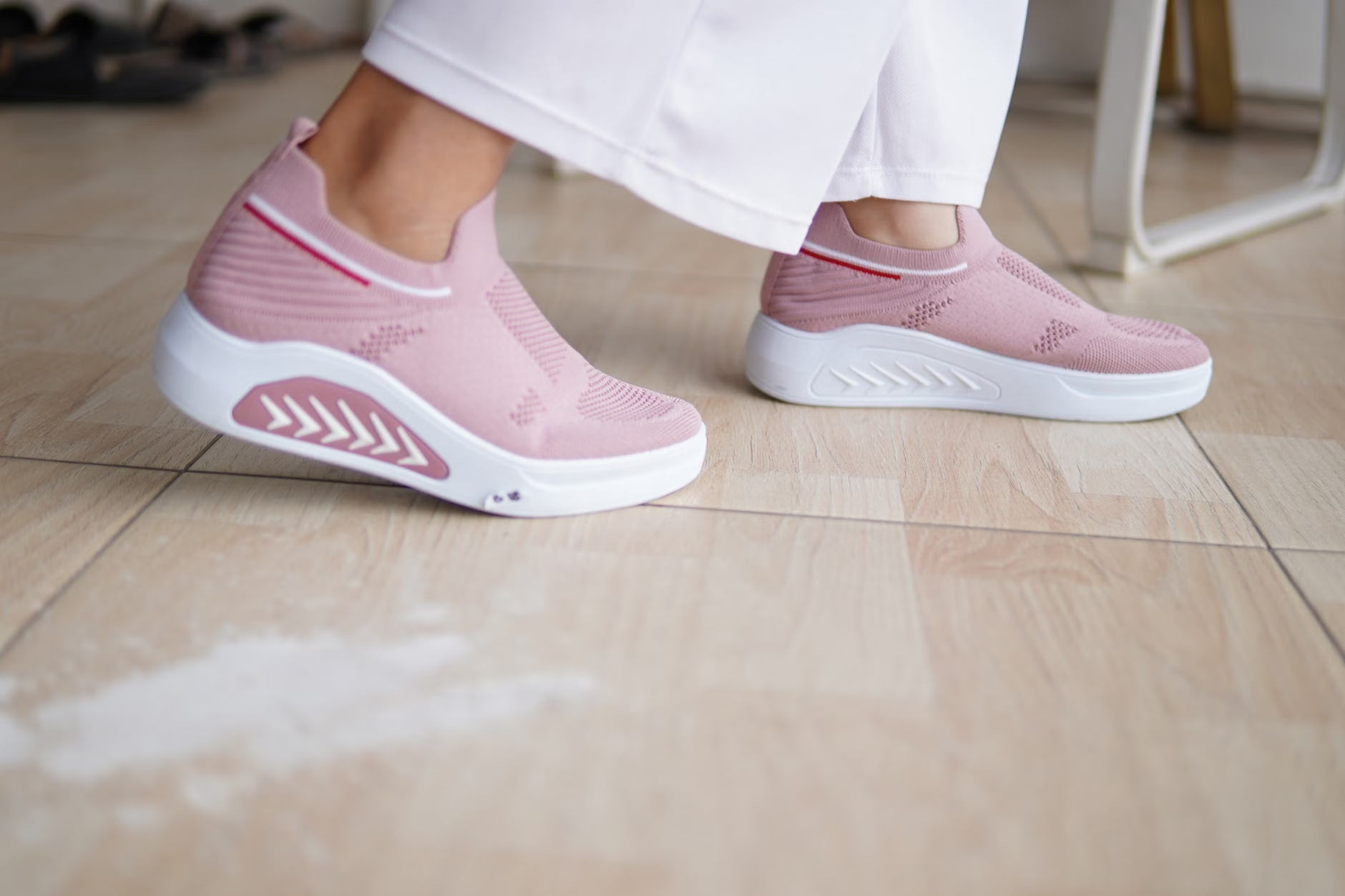
Station platforms and train aisles can be slippery, and mountain terrain often involves uneven surfaces. Avoid slip-on shoes or heels. Choose walking shoes with a deep-tread rubber sole and adequate arch support. If you use an orthotic insert, ensure it is in your shoes at least two weeks before your trip to prevent blisters or foot fatigue.

Managing Mobility and Stamina on the Go
The most common mistake travelers make is over-scheduling. Mountain railways are designed for leisurely viewing, yet the act of getting to the train and navigating the summit can be surprisingly taxing.
The 3:1 Ratio for Rest
For every three hours of active travel or sightseeing, build in one hour of “stationary rest.” This could be sitting in a café at the station or simply remaining on the train for an extra loop if the ticket allows. This prevents the cumulative fatigue that often leads to falls or health incidents.
Utilizing Assistive Mobility Aids
Even if you do not use a cane or trekking pole in your daily life, a collapsible walking stick is a highly recommended tool for mountain travel. It provides a third point of contact on uneven platform surfaces and reduces the load on your knees during descent. When choosing one, look for:
- Adjustability: Ensure it fits your height correctly (your elbow should be at a 90-degree angle when holding the handle).
- Weight: Carbon fiber models are significantly lighter than aluminum ones.
- Grip: Ergonomic cork or foam grips are more comfortable for long periods than hard plastic.
Modern rail travel relies heavily on digital ticketing, but mountains often suffer from poor cellular service. Never rely solely on a smartphone app for your tickets or itinerary.
The “Analog Backup” Protocol
Always carry a physical folder containing:
- Printed copies of all rail tickets.
- A list of emergency contacts, including the phone number for the railway’s customer service or assistance office.
- A summary of your current medications and any critical health information, written in the local language of the country you are visiting.
Managing Luggage
Many mountain railways have limited space for large suitcases. Check the operator’s website specifically for “luggage restrictions.” If you are traveling between mountain towns, consider using a luggage-forwarding service (common in countries like Switzerland or Japan) to send your large bags to your next hotel, allowing you to travel on the scenic train with only a small daypack.
Safety Considerations and Health Maintenance
While mountain travel is generally safe, the environment requires a proactive approach to health.
Hydration and Nutrition
High-altitude air is often very dry. You may not feel thirsty, but dehydration can exacerbate altitude-related fatigue. Carry a reusable water bottle and sip regularly. Avoid excessive caffeine or alcohol, as both can contribute to dehydration and affect your sleep quality at altitude.
When to Seek Help
If you experience persistent dizziness, shortness of breath while at rest, or chest discomfort, do not attempt to continue your journey. Most major mountain railways have first-aid trained staff and direct communication lines to emergency services. Do not hesitate to alert a train conductor; they are trained to handle medical situations and can coordinate a stop at the nearest medical facility if necessary.
Conclusion: The Joy of the Journey
Traveling by mountain railway is about the experience of the ascent, not just the destination. By prioritizing your mobility, packing strategically, and allowing for ample rest, you can enjoy the spectacular vistas that these historic routes offer. Remember that your comfort is the most important factor in the success of your trip. Take your time, verify your accessibility requirements in advance, and focus on the scenery rather than the schedule.
Frequently Asked Questions (FAQ)
1. How can I confirm if a specific mountain train is wheelchair accessible?
Most official railway websites have a section titled “Accessibility” or “Passengers with Reduced Mobility.” If this information is not clear, look for the contact email for their “Customer Assistance” department. Send a specific inquiry asking about the “step height from platform to carriage” and “availability of on-board ramps.” Do not rely on third-party travel blogs, as policies change frequently.
2. Is it necessary to bring an oxygen tank for high-altitude mountain railways?
For the vast majority of tourist-grade mountain railways, supplemental oxygen is not required for healthy individuals. However, if you have a pre-existing lung or heart condition, you must consult your doctor before traveling to altitudes above 2,000 meters. They can advise if your condition requires specific precautions or if you should avoid certain altitudes entirely.
3. What should I do if I feel tired while at a high-altitude station?
If you feel fatigued, the best action is to find a seated, indoor area immediately. Avoid further walking or climbing. Drink water and allow your heart rate to return to its resting state. If the fatigue is accompanied by a headache, nausea, or lightheadedness, consider taking the next available train back to a lower altitude. Never push through symptoms of altitude sickness.
Official guidance on accessible travel can often be found through national transport departments. For example, in the UK, the Department for Transport provides frameworks for accessible travel, while in Switzerland, the SBB (Swiss Federal Railways) offers detailed guides for passengers with reduced mobility. Always check the specific country’s national rail operator website for the most accurate information.