- Social Synergy: Intergenerational housing is moving from experimental to mainstream, focusing on “time-banking” where younger residents trade help for lower rent, benefiting both parties.
- Economic Viability: These models often reduce living expenses by sharing utilities, maintenance, and communal resources, making them a sustainable financial choice for retirees.
- Strategic Selection: Before committing, evaluate the “service-to-privacy ratio”—ensure the community provides enough autonomy while offering the specific support services you may need in the future.
The Evolution of Living: Why Intergenerational Housing Matters in 2026
As we move through 2026, the traditional concept of “senior housing” is undergoing a significant transformation. No longer defined solely by isolation or age-segregated facilities, the global trend is shifting toward intergenerational living. This model integrates older adults with students, young professionals, or families, creating environments where diverse age groups share space, resources, and daily life.
This shift is not merely a social preference; it is a response to the dual pressures of rising housing costs and the growing epidemic of loneliness among older populations. By living in proximity to younger generations, older adults can maintain cognitive engagement, access help with digital or physical tasks, and contribute their own life experience to the community. This article explores how these models function, what to look for when choosing one, and how to assess if this lifestyle aligns with your personal goals.

Understanding the Core Models of Intergenerational Living
Not all intergenerational housing is structured the same way. To understand if this is right for you, it is helpful to categorize the available models. Generally, these arrangements fall into three primary buckets: purpose-built communities, shared-home programs, and community-integrated developments.
1. Purpose-Built Mixed-Age Developments
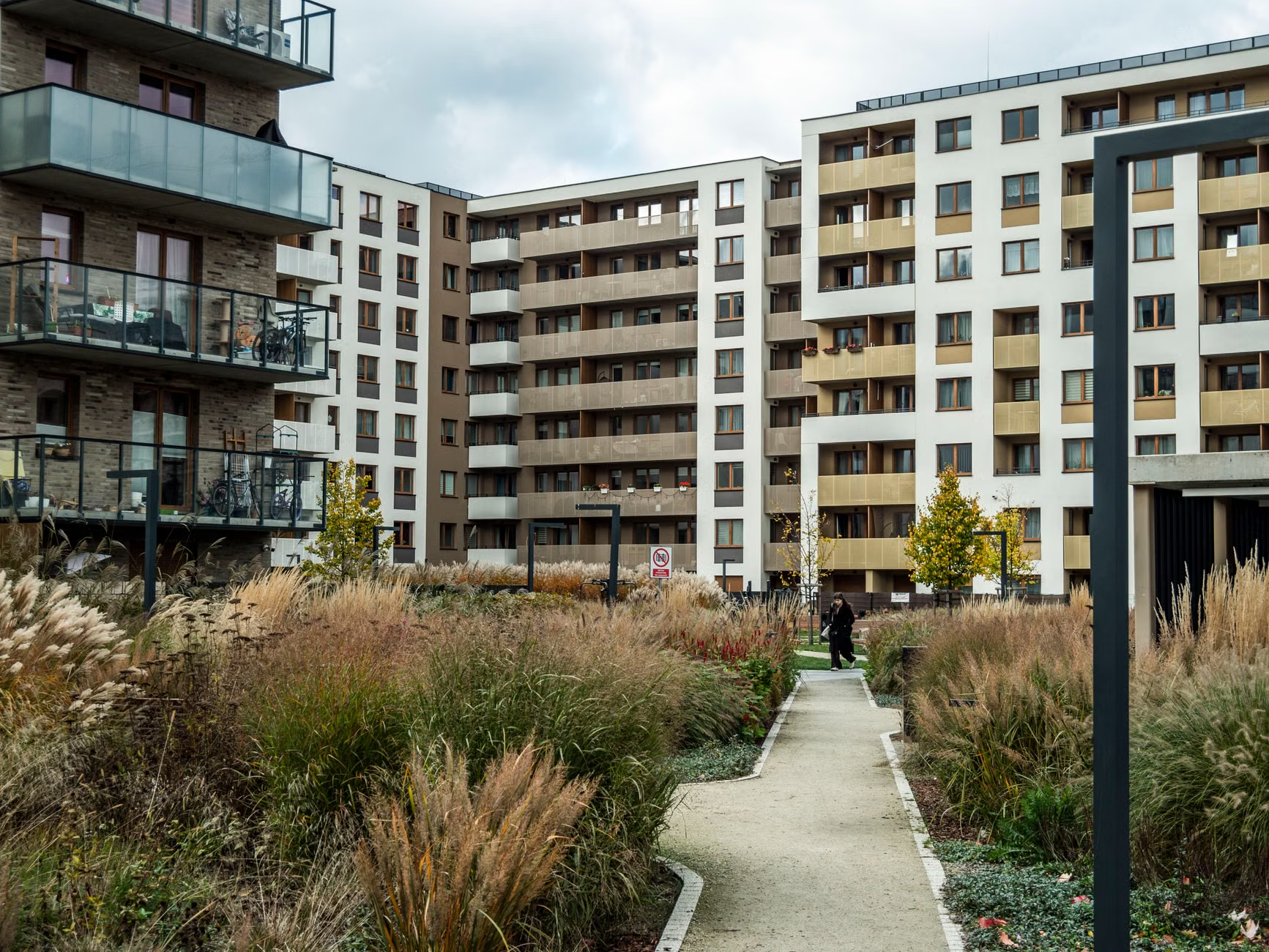
These are residential complexes designed from the ground up to house different age groups. Developers often reserve a percentage of units for students or low-income young families in exchange for them spending a set number of hours per week assisting older neighbors with grocery shopping, tech support, or simply providing companionship.
2. Home-Sharing and “Homestay” Programs
This is a more intimate model where an older homeowner with a spare room rents it out to a student or young worker at a below-market rate. In these arrangements, the “rent” is often subsidized by “support services”—such as the younger resident helping with heavy lifting, gardening, or simple chores. This allows the older resident to age in place in their own home while maintaining a connection to the younger generation.
3. Community-Integrated Hubs
These developments prioritize shared facilities, such as libraries, gardens, and cafes, that are open to the wider neighborhood. The goal here is “passive interaction,” where the environment naturally encourages conversation and shared activity without the pressure of forced social obligations.
Evaluating the Financial and Lifestyle Trade-offs
When considering a move into an intergenerational community, it is essential to look beyond the social benefits and analyze the practical logistics. The following table outlines the key considerations for different housing types.
| Feature | Purpose-Built Facility | Private Home-Sharing | Community Hubs |
|---|---|---|---|
| Privacy Level | High (Self-contained units) | Variable (Shared common areas) | Very High (Private housing) |
| Cost | Moderate to High | Low (Often subsidized) | Market Rate |
| Support Level | Structured/Formal | Informal/Personalized | Minimal/Neighborhood-based |
Decision Criteria: If you value your independence but want to mitigate the risk of social isolation, a Purpose-Built Facility is often the best choice. It offers the security of a managed environment with the vibrancy of a mixed-age population. Conversely, if you are looking to supplement your pension and are comfortable with a live-in companion, Home-Sharing can be a financially savvy way to stay in your current neighborhood.

As you evaluate potential living arrangements, do not be swayed by marketing terminology. Focus on the “functional reality” of the space. A community can be advertised as “intergenerational,” but it must be built to support your specific needs as you age.
Mobility and Accessibility Standards
Even if you are currently active, prioritize units that adhere to “universal design” principles. This includes:
- Zero-step entryways: Essential for both mobility devices and future-proofing your living space.
- Wide doorways: Standard width is often insufficient for walkers or wheelchairs.
- Lever-style handles: Much easier to use than traditional knobs, especially if you experience arthritis or reduced grip strength.
The “Time-Banking” Contract
In many modern intergenerational housing models, there is a formal agreement regarding support. If you are considering a facility where students receive lower rent for helping you, ensure the contract is clear. Common mistake: Failing to define what counts as “assistance.” Be sure that the agreement specifies the hours and the types of services included. Are they expected to help with grocery shopping? Are they available for emergencies at night? Having these expectations written down prevents friction later.
Hidden Challenges and Unexpected Trade-offs
While the benefits are clear, it is important to address the potential downsides. One of the most overlooked variables is the turnover rate. If you are living in a student-heavy facility, your neighbors will change every semester or year. This can lead to “relationship fatigue” where you constantly have to build new social connections.
Additionally, consider the noise profile. Younger residents may have different schedules, social habits, or noise levels than you are accustomed to. When visiting a potential site, do not just visit during the day. Return in the evening or on a weekend to get a realistic sense of the acoustic environment.
Planning Your Transition: A Step-by-Step Checklist
If you have decided that an intergenerational model is worth exploring, follow this systematic approach to ensure you make an informed decision:
- Define your “Must-Haves”: List your non-negotiables regarding space, medical proximity, and community interaction.
- Audit the Neighborhood: Use online mapping tools to check the distance to essential services like pharmacies, grocery stores, and public transport hubs. Even if the housing is great, poor connectivity can lead to isolation.
- Review the Management: If it is a managed facility, research the management company’s history. How do they handle resident disputes? Do they have a clear policy for when a resident’s care needs exceed what the facility can provide?
- The “Trial Visit”: If possible, ask to spend a few days in a guest unit. Observe how the community functions. Is the interaction forced, or does it happen naturally?
- Legal and Financial Review: Always have a legal professional review any residency contract, especially regarding the “support” clauses mentioned earlier.
The Future of Aging: Why This Trend is Here to Stay
The rise of intergenerational housing is a direct response to the demographic shifts of the 2020s. With global populations aging, we can no longer rely on age-segregated models that distance older adults from the rest of society. The 2026 landscape shows us that integration is not just a social ideal; it is a practical, scalable solution to the challenges of modern living. By actively choosing communities that bridge the age gap, you are not just finding a place to live—you are investing in a lifestyle that prioritizes connection, mutual support, and continued growth.
Ultimately, the best housing choice is one that provides you with the freedom to live as you wish today, while providing the safety and support you may require tomorrow. Take the time to research, visit, and evaluate these models, and you will find that the right community can significantly enhance your quality of life.
Frequently Asked Questions
- Q: How do I know if an intergenerational housing facility is legally safe for me?
A: Always verify the facility’s registration with your local housing authority. Ensure the contract includes clear clauses on resident rights, termination procedures, and the specific duties of any support staff or residents involved in your care. - Q: Is intergenerational housing more expensive than traditional senior living?
A: Often, it is more affordable. Because these models prioritize communal space and sometimes include “service-for-rent” arrangements, the overhead costs are frequently lower than in high-end, age-segregated facilities. However, costs vary widely by region and the level of amenities provided. - Q: What if I don’t get along with my younger neighbors?
A: Most well-managed intergenerational communities have robust mediation policies. If you are looking at a private home-sharing arrangement, it is vital to have a trial period (e.g., one month) to ensure personal compatibility before signing a long-term lease.
For further information on senior housing standards, please consult your national or regional housing authority websites, such as the U.S. Department of Housing and Urban Development (HUD) or relevant local government portals in your jurisdiction.