- Bridge is a high-level cognitive exercise that combines pattern recognition, memory, and logical deduction, offering a proven way to maintain mental agility.
- Community bridge clubs provide a structured social environment that combats isolation through recurring, goal-oriented interaction.
- Success in bridge at any age relies on mastering bidding systems and defensive play, which are skills developed through consistent practice rather than innate talent.
Bridge is far more than a card game; it is a sophisticated, partnership-based mental sport that has long served as a cornerstone of social life for older adults worldwide. For individuals aged 60 to 80, the transition into retirement or a slower professional pace often creates a vacuum in daily mental stimulation and social structure. Community bridge clubs fill this gap by providing a consistent, challenging, and highly social environment that encourages cognitive maintenance and emotional well-being.
The Cognitive Architecture of Bridge
Unlike games of pure chance, bridge is a game of incomplete information. To succeed, a player must synthesize data from their own hand, the bidding process, and the cards played by opponents. This process engages the brain’s executive functions—the same systems responsible for planning, working memory, and cognitive flexibility.
What it is: Bridge requires players to use “inference.” If your partner bids a specific suit, you must infer the strength and distribution of their hand. If an opponent leads a card, you must infer which cards they do not hold. This is a dynamic exercise in deductive reasoning that changes with every single trick played.
Why it matters: Research into cognitive aging suggests that “novelty and challenge” are essential for neuroplasticity. When you learn a new bidding system or analyze a difficult defensive hand, you are moving beyond rote tasks. You are engaging in high-level problem-solving that keeps the brain active.
What it looks like in real life: Consider a scenario where a player is defending a contract. They have a limited number of “trumps” (the cards that win the hand). They must decide whether to play their high cards now or wait for a more strategic moment. This requires recalling which cards have already been played—a task that trains the working memory.
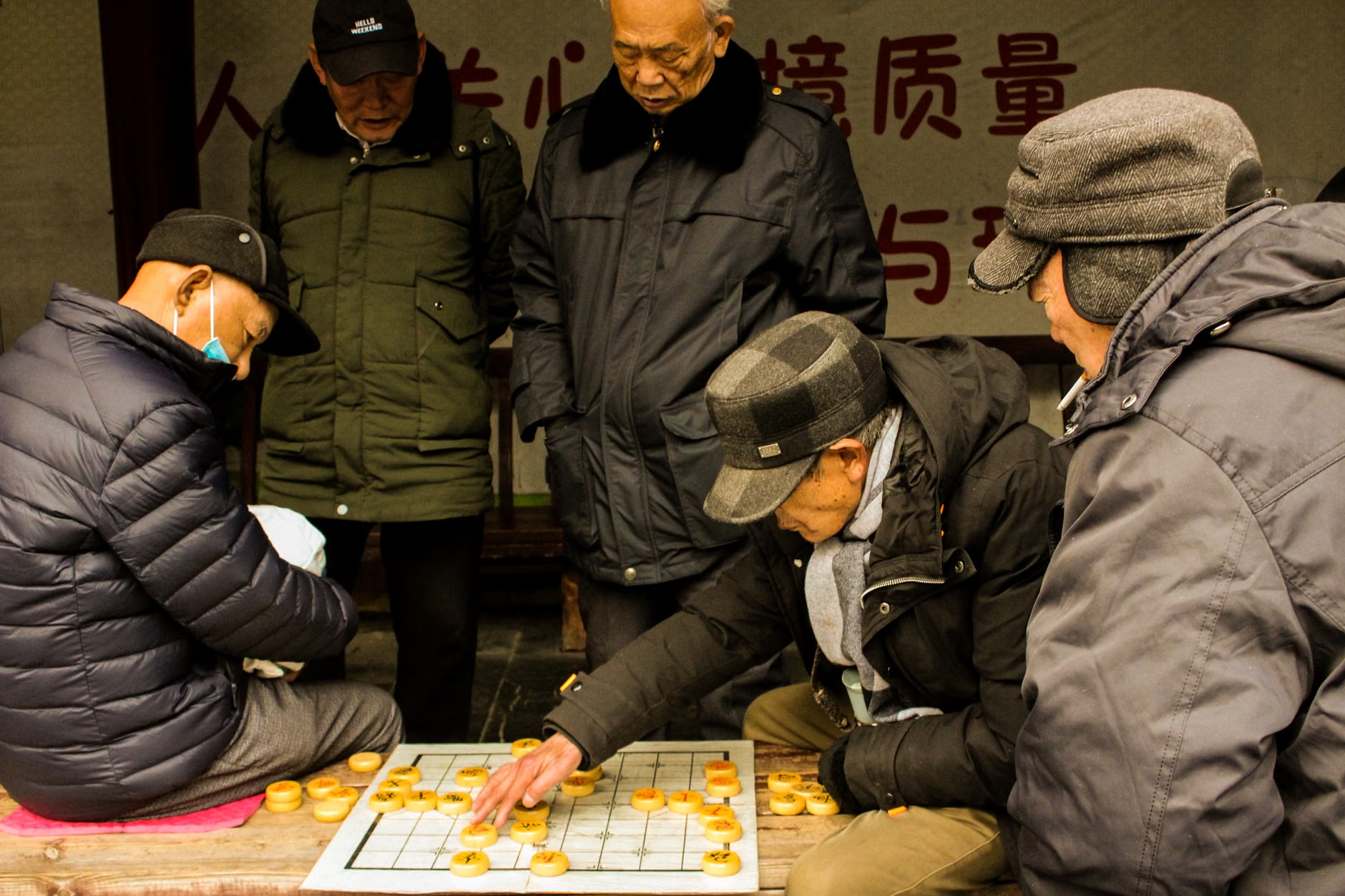
The Social Infrastructure of Local Clubs
The social power of a bridge club lies in its structure. Unlike a casual hobby where you might participate sporadically, bridge clubs usually operate on a schedule. This creates a “social anchor” in your week.
Building Sustained Connections
Loneliness in older adulthood is often linked to the loss of the “workplace social network.” Bridge clubs replace this by offering a collaborative environment. Because you play in a partnership, you are forced to communicate, coordinate, and share both successes and failures with another person. This builds a unique form of camaraderie that is absent in solo hobbies like reading or puzzles.
The Role of “Club Etiquette”
Bridge clubs operate under a strict set of rules, often overseen by a “Tournament Director” or club manager. This structure provides a sense of order and fairness. For those who value clear expectations and respectful interaction, the formal nature of bridge club etiquette provides a safe, predictable social environment.
| Feature | Casual Home Game | Community Bridge Club |
|---|---|---|
| Consistency | Variable/Irregular | Fixed Weekly Schedule |
| Skill Development | Self-taught/Limited | Mentorship & Lessons |
| Accountability | Informal | Tournament Rules |
| Social Diversity | Limited to Friends | Broad Community Base |
The table above illustrates why community clubs often provide a better return on investment for social health. While home games are comfortable, they rarely push your skill level or introduce you to new perspectives. Clubs provide a broader base of players, which is essential for long-term engagement.
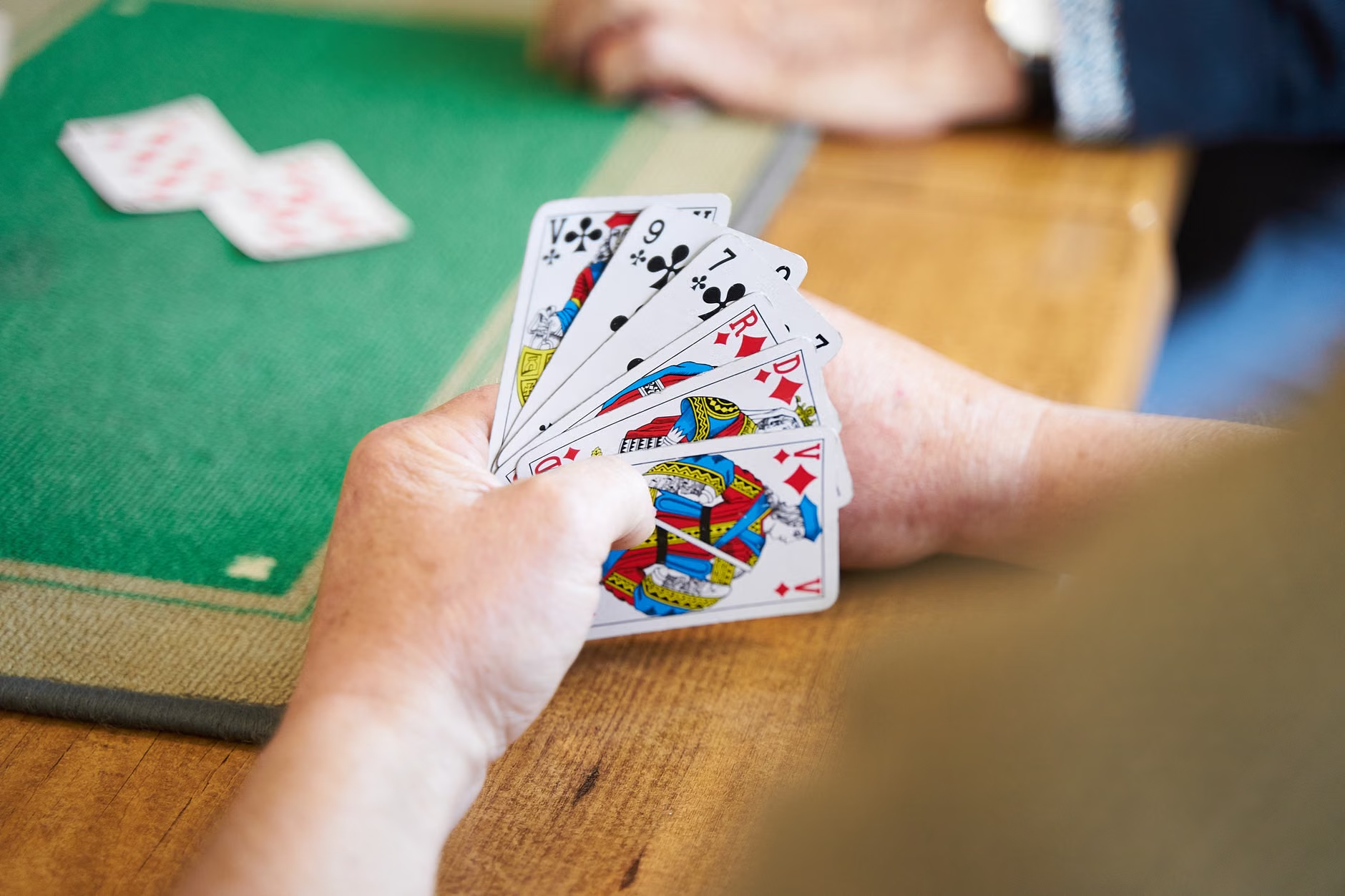
One of the most common barriers to entry for bridge is the perceived complexity of the game. It is true that bridge has a steep learning curve, but this is exactly what makes it so rewarding. The goal is not to master it in a week, but to treat it as a long-term pursuit.
Step-by-Step Entry Plan
- Find a local ACBL (American Contract Bridge League) or national equivalent affiliate: Most countries have a national governing body. These organizations maintain databases of local, beginner-friendly clubs.
- Enroll in a “Beginning Bridge” course: Do not try to learn solely from books. Bridge is a game of interaction. Find a club that offers supervised play, where an instructor is present to answer questions during the game.
- Focus on the Bidding System: Start with a standard system like “Standard American” or “Acol” (common in the UK). Don’t attempt to learn “expert” systems until you are comfortable with the basics.
- Practice Online, Play In-Person: Use platforms like BBO (Bridge Base Online) to practice the mechanics of bidding, but prioritize in-person clubs for the social and cognitive benefits.
Common Mistakes to Avoid
The most common mistake beginners make is becoming discouraged by the “slang” or the speed of play at a club. Remember that every master was once a beginner. If a club seems too fast-paced, look for “Duplicate Bridge” sessions specifically designated for “Novices” or “0-20 Masterpoints.” These are environments where the pressure to play quickly is lower and the focus is on education.
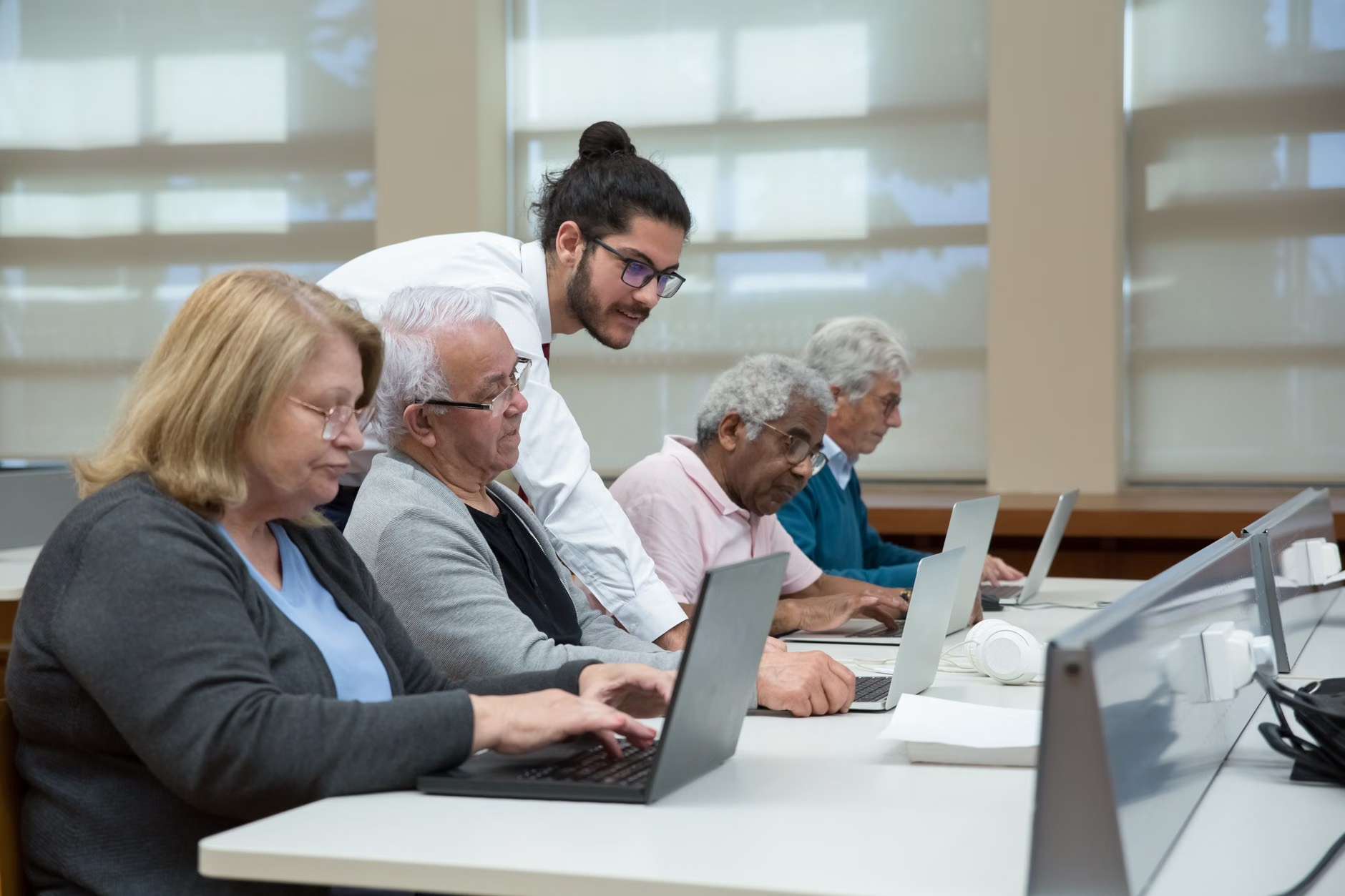
The Hidden Nuances: Why Bridge Works When Other Hobbies Fail
Why does bridge persist as a dominant leisure activity for the 60-80 demographic when other games fall out of favor? The answer lies in the “variable reward” structure of the game. In any given session, you might get a “good hand” (high cards) or a “bad hand.” The challenge is to play the bad hand as well as possible.
This is a powerful metaphor for life. It teaches that you cannot control the “cards you are dealt,” but you have total control over how you play them. This mindset of strategic resilience is highly beneficial for mental health.
Furthermore, there is the “Partnership Dynamic.” You are not just playing for yourself; you are playing for your partner. This creates a sense of responsibility and mutual support. If your partner makes a mistake, the supportive response is to offer encouragement, not criticism. This fosters a culture of kindness and patience that is rare in many other competitive environments.
Maintaining Physical and Cognitive Stamina
While bridge is a sedentary activity, it is not without physical demands. A tournament session can last three to four hours. For those with mobility issues or chronic pain, this requires preparation.
- Ergonomics: Ensure your chair is supportive. If you have back issues, consider bringing a small lumbar cushion.
- Hydration and Nutrition: Bridge requires sustained focus. Dehydration leads to “brain fog” and decreased performance. Keep a water bottle at the table and bring a healthy snack for the break.
- Pacing: Do not feel compelled to play in every single session offered. Start with once a week to gauge your energy levels.
If you have concerns about hearing or vision, communicate these to the club director early on. Most clubs are very accommodating and can ensure you sit in a location where the lighting is best or where you can hear the bidding clearly.
Integrating Bridge into a Balanced Lifestyle
Bridge should be one piece of a broader puzzle for a healthy life. It should not replace physical activity or time spent in nature. Instead, view it as your “indoor, social, cognitive” pillar. Combine your bridge days with light walking or stretching to ensure that your overall physical health is not neglected.
If you find that your bridge club is becoming your only source of social contact, try to bridge the gap by inviting a fellow club member for a walk or a coffee outside of the club setting. This deepens the friendship and moves it beyond the constraints of the card table.
Conclusion
The social power of community bridge clubs is not just about the cards; it is about the active, intentional effort to remain engaged with the world. By joining a club, you are choosing to challenge your mind, expand your social circle, and participate in a community that values logic, cooperation, and lifelong learning. Whether you are looking for a new hobby or a way to deepen your existing social connections, bridge offers a structured, proven path toward cognitive and social longevity.
Next Step: Visit the official website of your national bridge federation—such as the American Contract Bridge League (ACBL) or the English Bridge Union (EBU)—and use their “Find a Club” tool to locate a beginner-friendly session in your area this week.
Frequently Asked Questions (FAQ)
1. Do I need to have a partner before I join a bridge club?
Most clubs offer a “partnership desk” or can match you with a partner before the game begins. You do not need to bring your own partner, although it is often more fun to learn with a friend.
2. Is bridge too difficult for someone who has never played card games before?
Bridge is challenging, but it is entirely learnable with patience. Many clubs offer “Bridge for Absolute Beginners” classes that start with the very basics of card play, completely ignoring the complex bidding systems until you are ready.
3. How much does it cost to join a bridge club?
Costs vary significantly by location. Typically, you pay a “table fee” per session, which usually ranges from $5 to $15 depending on the country and the type of event. Some clubs also charge an annual membership fee, which grants you access to member-only events and discounts on lessons.