- Puzzle construction serves as a form of “cognitive reserve” building, challenging executive functions like spatial reasoning and pattern recognition.
- Success in this hobby relies on environmental setup—proper lighting, ergonomic seating, and systematic sorting—to prevent physical strain and frustration.
- Puzzles should be viewed as a tool for sustained mental engagement rather than a “cure” for cognitive decline; consistency is more beneficial than intensity.
Engaging in basic puzzle construction—whether it is a traditional jigsaw puzzle, a crossword, or a Sudoku grid—is more than a way to fill an afternoon. For adults aged 60 to 80, these activities serve as a structured workout for the brain. This article explores how puzzle construction functions as a cognitive tool, how to set up an environment that maximizes benefit while minimizing fatigue, and how to choose the right challenges for your unique cognitive style.
Understanding Cognitive Reserve Through Puzzles
Cognitive reserve is the brain’s ability to improvise and find alternative ways of getting a job done. Think of it as a “backup generator” for the mind. Research suggests that engaging in mentally stimulating activities—such as solving complex visual or logical puzzles—may help maintain this reserve. When you assemble a puzzle, you are not just matching colors; you are using your prefrontal cortex to plan, manage working memory, and execute visual-spatial tasks.
Unlike passive entertainment, such as watching television, puzzles require active participation. This active engagement forces the brain to switch between global processing (looking at the whole picture) and local processing (identifying individual piece shapes). This dual-focus demand is exactly what keeps neural pathways flexible.
The Link Between Visual-Spatial Skills and Daily Function
The visual-spatial skills used in a 500-piece puzzle are the same skills used in everyday life, such as navigating a new city, organizing a kitchen pantry, or driving safely. By practicing these skills in a low-stakes, leisure environment, you are essentially “training” your brain to process spatial information more efficiently in real-world scenarios.
Creating the Ideal Environment for Cognitive Engagement
The primary barrier to enjoying puzzles for many seniors is not cognitive ability, but physical discomfort. If your neck aches or your eyes strain, the cognitive benefit is lost to frustration. A well-prepared workspace is essential for sustaining long-term interest.
Ergonomics and Lighting: The Foundation of Comfort
Before you place your first piece, ensure your environment supports your physical needs. Many people make the mistake of working on a dining table that is too low, forcing them to hunch over for hours. This leads to neck and upper-back strain. Instead, consider using an adjustable drafting table or a puzzle mat that can be tilted. This allows you to view the pieces at an angle, reducing the need to lean forward.
Lighting is equally critical. As we age, our eyes require more light to distinguish between subtle color variations. Avoid working under dim, warm-toned ambient lights. Instead, use a high-CRI (Color Rendering Index) LED desk lamp that mimics daylight. This helps in distinguishing between similar shades of blue or green, which is often the most frustrating part of puzzle assembly.
A Systematic Approach to Sorting
One common mistake is dumping all pieces onto a table and searching randomly. This leads to visual clutter and mental exhaustion. A better approach is to use a categorization strategy. By sorting pieces into shallow trays—perhaps by edge vs. interior, or by distinct color groupings—you reduce the cognitive load of searching. This allows you to focus your mental energy on the actual task of fitting pieces together, rather than the tedious task of hunting.
Selecting the Right Puzzle for Your Goals
Not all puzzles offer the same cognitive challenge. If a puzzle is too easy, it becomes a rote activity that provides little stimulation. If it is too difficult, it leads to abandonment. The goal is to find the “Goldilocks zone”—a level of difficulty that is challenging but achievable.
Comparing Puzzle Types
| Puzzle Type | Primary Cognitive Focus | Best For… |
|---|---|---|
| Jigsaw (500 pieces) | Spatial reasoning and visual pattern recognition. | Those who enjoy slow, meditative progress. |
| Sudoku (Logic) | Deductive reasoning and working memory. | Those who prefer mental math and logical flow. |
| Crosswords | Language retrieval and vocabulary. | Those who enjoy word association and trivia. |
The table above highlights that different puzzles target different areas of the brain. If you find yourself struggling with word-finding in conversation, crosswords might be a more targeted exercise. If you find yourself misplacing items or struggling with depth perception, jigsaw puzzles are excellent for sharpening those specific spatial pathways.
Managing Stagnation and Avoiding Frustration
It is natural to hit a “plateau” where a puzzle feels impossible to finish. In these moments, the most productive action is not to push through, but to step away. Cognitive fatigue is real; when your brain is tired, your ability to see patterns diminishes. A 15-minute break to walk or hydrate can “reset” your visual perception, often allowing you to see the solution immediately upon returning.
The Importance of Variety
Another insight often overlooked is the need for variety. If you only ever do one type of puzzle, your brain eventually learns the “shortcuts” for that specific format. To maintain the maximum cognitive benefit, rotate your activities. Spend one week on a jigsaw, the next on a logic grid, and perhaps a third on a word-based puzzle. This forces the brain to constantly adapt to new types of logic, which is the key to neuroplasticity.

Practical Steps to Incorporate Puzzles into Your Routine
To turn puzzle construction into a sustainable habit, treat it as a scheduled appointment rather than a “whenever I have time” activity. Consistency is the secret to cognitive health. Just as you wouldn’t expect to run a marathon after one day of walking, you shouldn’t expect significant cognitive gains from a one-off puzzle session.
- The 30-Minute Window: Aim for 30 minutes of focused work daily rather than five hours once a week. This maintains the “cognitive tension” necessary for improvement.
- Track Progress: Keep a simple log of the puzzles you complete. This provides a sense of accomplishment and visual evidence of your mental activity, which can be a strong motivator.
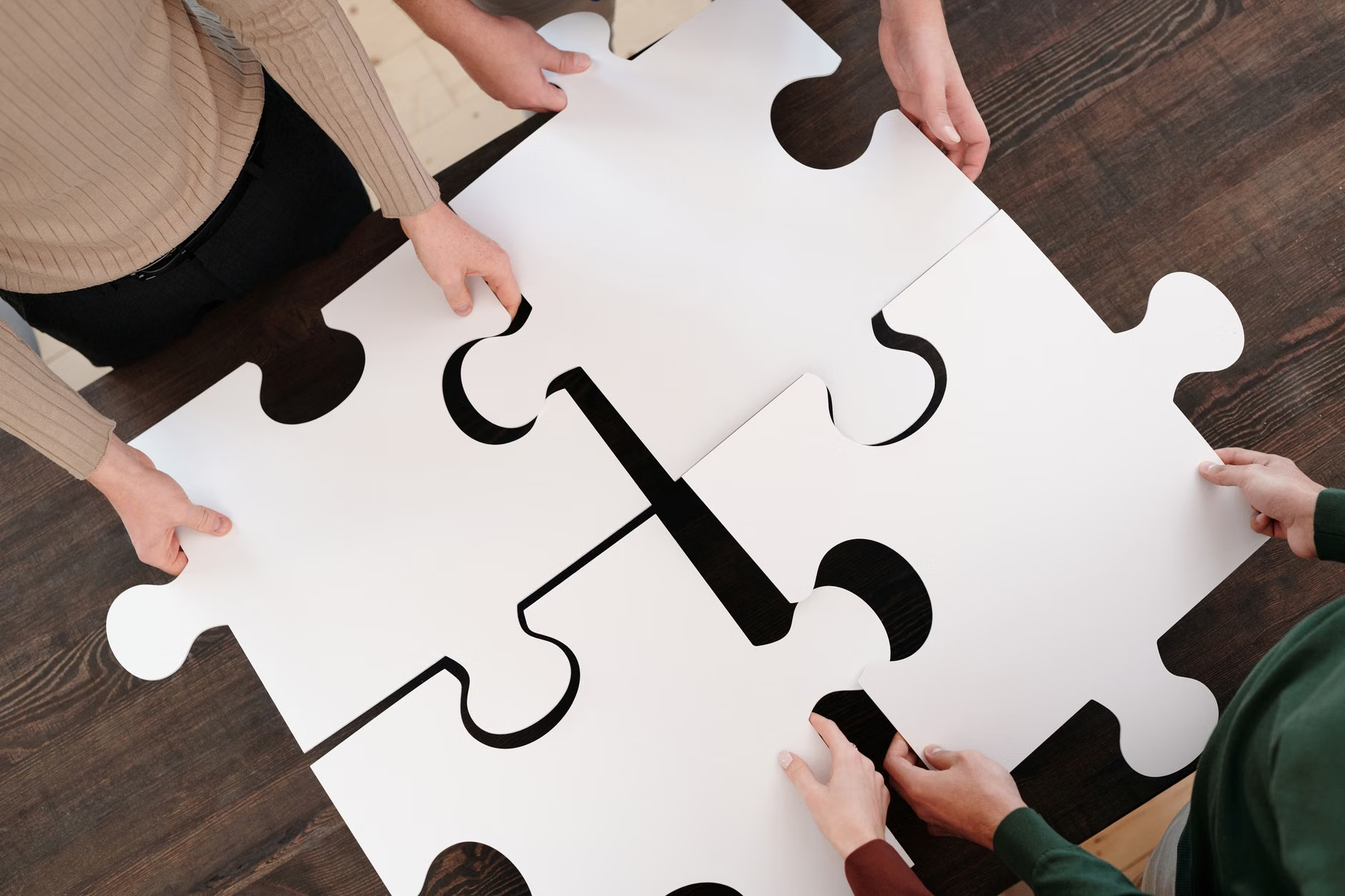
- Social Integration: If you find puzzles isolating, consider a “puzzle partner.” Working on a large puzzle with a friend or spouse encourages verbal communication—you have to describe what you are looking for, which adds a linguistic layer to the spatial task.
Safety and Cognitive Health: When to Seek Professional Advice
While puzzles are a wonderful leisure activity, they are not a medical treatment. If you notice a sudden, drastic decline in your ability to perform tasks that were previously easy for you—such as an inability to follow simple instructions or a persistent inability to recognize familiar patterns—it is important to consult a healthcare professional. These changes are not a normal part of aging and may be signs of underlying conditions that require a clinical evaluation.
When speaking to a professional, be prepared to describe your concerns clearly. Bring a list of any medications you are taking, as some side effects can mimic cognitive decline. Ask specifically about whether your symptoms are related to sleep quality, nutrition, or other manageable factors. Never assume that “brain fog” is just a part of aging; always seek clarity from a qualified provider.
Conclusion: The Long-Term View
Puzzle construction is a lifelong hobby that evolves with you. By treating it as a strategic exercise rather than a mere pastime, you can harness its potential to support your cognitive health for years to come. The goal is not to finish the puzzle as quickly as possible, but to enjoy the process of deliberate, careful thought. By setting up a comfortable environment, choosing diverse challenges, and maintaining a consistent routine, you are investing in the most important tool you own: your mind.
Frequently Asked Questions
1. Does the number of pieces in a jigsaw puzzle really matter for cognitive health?
Not necessarily. While a 2,000-piece puzzle is more time-consuming, a 500-piece puzzle can be just as cognitively demanding if it features complex patterns or subtle color gradients. Focus on the complexity of the image rather than the raw piece count.
2. Can digital puzzles on a tablet provide the same benefits as physical puzzles?
Digital puzzles offer excellent convenience and accessibility, particularly for those with limited space. They provide the same logic and pattern recognition benefits. However, physical puzzles offer the added benefit of fine motor skill engagement—the tactile act of picking up and rotating a piece—which is an extra layer of stimulation for the brain.
3. How do I know if a puzzle is too difficult for me?
A puzzle is likely too difficult if you find yourself feeling consistently frustrated or anxious rather than engaged. If you haven’t made any progress after three or four sessions, it may be time to switch to a puzzle with larger pieces or a more distinct color palette. The hobby should remain a source of enjoyment, not stress.
For more information on brain health and general wellness, you can refer to resources from global organizations like the World Health Organization (WHO) regarding healthy aging and risk reduction.